This post was originally published on this site.
From leadership training for military youth caregivers to training veterans to be baseball umpires, this year’s five Fisher Service Award winners have found innovative ways to fill gaps to meet the needs of those in the military and veteran communities.
The top winner, with a grant of $100,000, is the Caregiving Youth Student Leadership Program, which is part of the Military Child Education Coalition of Harker Heights, Texas.
“These are students who balance homework with hospital visits, who help care for a parent who is healing from injury or illness,” said Mary Bier, president and CEO of the Military Child Education Coalition.
Bier accepted the award during a ceremony Oct. 29 in Arlington, Virginia. During the event, Bier said students in the program often sacrifice their own needs to care for someone that they love.
MCEC was founded in 1998, and like many organizations, its programs have evolved to meet the needs of the military community. Their caregiving youth program, started in 2023, is an immersive, five-day leadership training that provides a supportive environment where they have “a place to be seen, to connect with peers who understand their journey, and to imagine what’s possible in their next chapter of life,” Bier said.
The award will help the organization expand the program to reach more youth, “giving them the tools, the confidence and the hope that they deserve,” she said.
The Fisher Service Awards, created by the Fisher House Foundation and the Military Times Foundation, recognize and help fund innovative programs created to improve the quality of life of service members, military families and veterans. Since the awards program began in 1999 as the Newman’s Own Awards, it has distributed more than $3.8 million across 215 nonprofits.
“The strength of our military isn’t just in cool jets or brilliant strategies,” said Marine Corps Gen. Christopher J. Mahoney, vice chairman of the Joint Chiefs of Staff, in remarks at the Oct. 29 ceremony. “It’s defined by the resilience of our people, our warfighters and their families and the communities that stand behind them.
“You are, in fighter pilot lingo, the jet fuel that fuels the joint force. You organizations, without fail, step into a gap … and provide resources and offer hope when and where it’s needed most,” he said. “You do it when others can’t or won’t.”
This year, more than 443 entries were received, and nine judges evaluated each entry based on the organization’s creativity, innovation and impact on their community. While not all of the organizations could receive awards, Mahoney said, “their collective dedication to the military community is a testament to that resilience” of the military and their families.
The awards ceremony was held on the 29th day of the government shutdown, which has affected many military families. Asked after the ceremony by Military Times about what the efforts of these organizations mean to the military community, especially now, Mahoney said, “Regardless of what the environment is like, they’re there. If times are tough, they’re there. If times are good, they’re there.
“It’s an immutable part of our community … It’s remarkable to see.”
The Fisher House Foundation is known for its network of 100 comfort homes where military and veteran families can stay at no cost while a loved one is receiving treatment at a major military medical center or Veterans Affairs hospital.
“We’re grateful to have reached the milestone of 100 houses, and are committed to continuing to meet the needs of our military and veterans community as we begin the second 100,” said David Coker, president of the foundation.
“We recognize that we are but one of many organizations that have the privilege of serving our military and veteran communities, and we’ve found that we’re more effective if we work with other organizations in the spirit of collaboration, not competition. The organizations we’ve supported through this program and the lives they’ve touched has been the real payoff,” he said.
The Fisher House Foundation and the Military Times Foundation have been partners in sponsoring the awards since the program began. The Fisher Service Award winners “demonstrate how collaboration can drive a lasting impact,” said Kelly Facer, senior vice president of Military Times. “As is the case every year, our honorees exemplify the power of community, cooperation, and innovation in tackling the most important issues facing our nation’s heroes.”
The four remaining winners each received a $75,000 award. They are:
Exceptional Families Matter Grant Program, part of Exceptional Families of the Military, of Marana, Arizona. The organization provides peer connections and case assistance. Its grant program provides immediate relief for families with special needs. They also advocate for systemic reforms to help families.
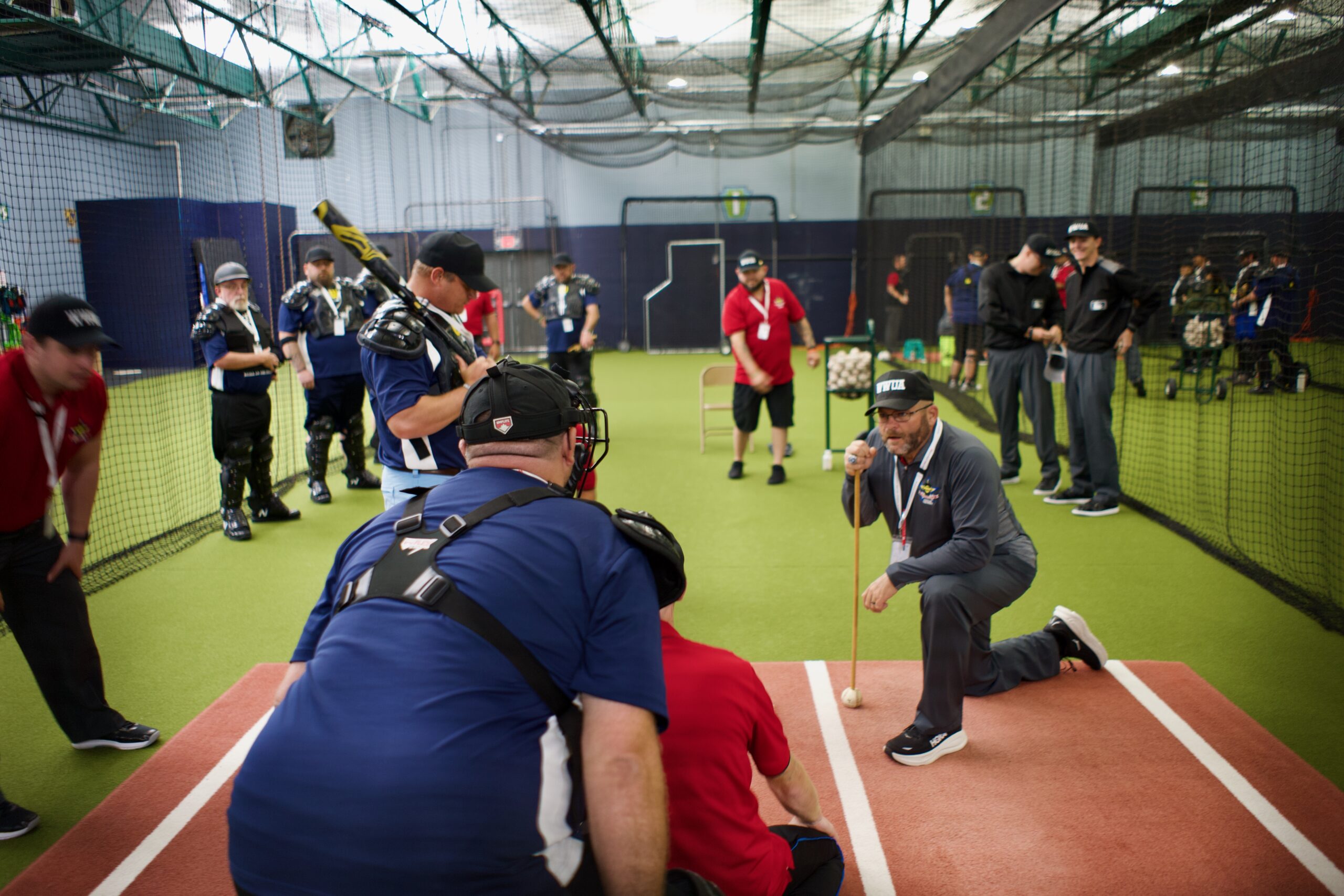
Wounded Warrior Umpire Academy in Daytona Beach, Florida. The organization trains veterans as baseball umpires, providing mentorship and peer support and helping veterans rebuild confidence, purpose and camaraderie. The academy, founded by veterans, creates a lifelong network.
Diné Naazbaa Partnership, a program of America’s Warrior Partnership of Augusta, Georgia. It’s the first community-based initiative supporting Navajo Nation veterans, connecting them to resources in housing, health, education, employment and more.
Operation Rebound, a program of Challenged Athletes, Inc., in San Diego, California. By providing grants for adaptive equipment and access to supportive athletic communities, Operation Rebound removes barriers to participation in sports for veterans and first responders nationwide.
All five award winners also receive an advertising package from Military Times valued at $50,000. Ten additional organizations will receive a $35,000 advertising package from Military Times to support awareness of their work.