Tag: Veterana

  • Emergency Preparedness for Seniors Living Alone

    Emergency Preparedness for Seniors Living Alone


    Emergency Preparedness for Seniors Living Alone

    As we head into the Atlantic hurricane season, this may be the right time to review emergency preparedness for older adults who live alone. Many households may not know how to prepare for a disaster such as a hurricane, winter storm, tornado, flash flood, or earthquake, though most of the US is at occasional risk of one or more of these. The key is not to panic, but to have an emergency preparedness plan that includes an emergency kit, important contact information, and an idea of what to do (or not to do) in the first few days after a disaster.

    Let’s review the essentials. Be sure to check in on your senior loved ones to make sure they’re prepared!

    Basic Items in an Emergency Kit

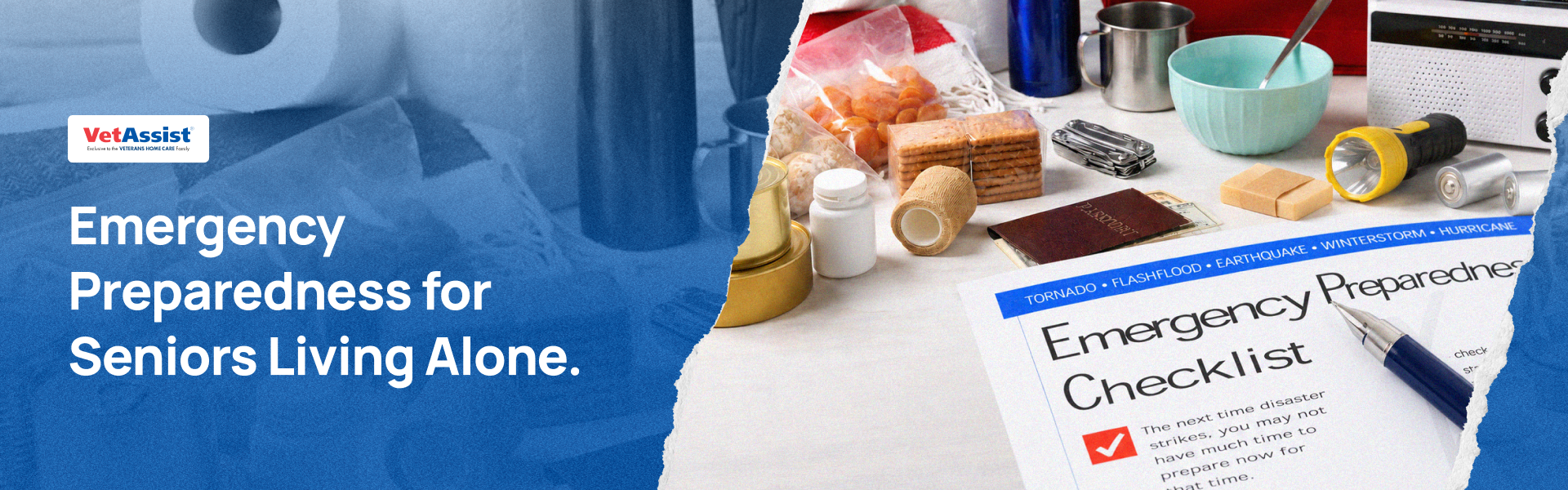
    The purpose of an emergency kit is to provide for basic needs when the power or water goes out and travel is not possible. It also plans for safety through communication and evacuation. A reliable emergency kit plans for at least 3-5 days and includes the following:

    • Drinking water. Your kit should include one gallon per person per day for drinking, brushing teeth, and similar uses where it might be ingested.
    • Non-perishable food with a long shelf life. Make sure canned foods have a pop tab to avoid using a can opener (though the latter is fine if your senior can easily use it). Some ideas are cooked beans, canned chicken or tuna, cereal or granola, cooked rice or pasta, peanut butter, boxed milk, nuts, and crackers. Be sure to stick to foods your senior normally eats and which provide needed nutrition.
    • A first aid kit that includes the essentials (bandages, alcohol wipes, antibiotic cream, over-the-counter pain relievers, etc.) and prescription medications (see our notes below).
    • Hygiene wipes for emergency bathing.
    • Garbage bags and disinfecting wipes for surfaces.
    • Several flashlights and extra batteries.
    • A battery-powered radio to keep up with emergency updates.
    • A power bank for cell phones. While cell phone service may or may not be available, a power bank is important for keeping it usable.
    • A wrench and pair of pliers to safely turn off utilities, if needed, and a pair of multipurpose scissors.
    • Cash in small bills, in case electronic payments are down. This and any other paper or easily-damaged items should be placed in waterproof containers.
    • Important personal documents like passports and insurance policies.
    • Maps of your area.
    • A list of important contacts (discussed below).

    A basic kit may also include a whistle for attracting attention and a mask for filtering excessive dust. If there are pets, be sure to plan for them too! And being in a disaster situation can be both stressful and boring, so books, puzzles, and simple crafts are nice to include.

    Special Considerations in an Emergency Kit for Elderly Adults

    Most older adults are managing several chronic conditions with prescription medication, so disaster prep for seniors must take this into account. It is critical that your senior loved one not miss a dose of their prescribed medications. This may mean staying on top of refill schedules to prevent the chance of a gap, where pharmacies might be closed or roads are covered in downed trees. Also consider whether your loved one takes any medication that needs refrigeration; this may require getting a battery-powered cooler or something similar to safely store it.

    If your senior wears a hearing aid or uses a powered assistive device for walking or breathing, think about options for powering these as well. Further, think about their needs for heating or cooling with battery-powered fans (more here about heat safety) and appropriate clothing and blankets.

    As mentioned, their kit needs a list of important contacts, which should include:

    • Local emergency and non-emergency numbers. Beyond 911, this includes non-emergency police and fire, nearby urgent care centers, and management/maintenance (if your loved one lives in a managed community).
    • Phone numbers and addresses for nearby storm shelters.
    • One or more family members or friends who serve as an emergency contact during normal circumstances (for example, on medical office intake).
    • One or more neighbors.
    • One contact who lives outside your area, who is less likely to be affected by the same disaster.
    • Your loved one’s primary care physician and usual pharmacy.
    • Your loved one’s home care or home health provider, if applicable.

    Note that a contact list like this is great to post on the fridge or near a landline phone, as well as in your emergency kit.

    How to Prepare Seniors for Emergency Circumstances

    The best approach for an unpredictable natural disaster is to plan ahead of time. In cases where you are not able to be together, talk to your senior loved one about a communication plan, such as a cadence for staying in touch at set times throughout the day, or even a phone chain. Consider turning on location-sharing on cell phones or other devices that support it.

    For disasters such as hurricanes and winter storms, where there is forewarning, talk about options and preferences for evacuation. If staying put, review the list of preparations on weather.gov or another reliable website.

    A common risk for seniors who live alone is falling. In emergency situations, they may not be able to get help quickly, so preventing falls is crucial. Besides the usual prevention, talk to them about not taking risks outdoors after powerlines or tree limbs have fallen, or ice has covered sidewalks.

    Some of us are prone to panic, while others are unlikely to worry enough about emergencies. Help your senior loved one strike a balance by being well-prepared to secure peace of mind.

    If your loved one needs home care, our VetAssist mission is to make home care easily and quickly accessible for those who qualify through the VA Pension with Aid and Attendance benefit. Veterans Home Care can help you determine whether you or your loved one will be eligible to receive the benefit, which can cover some or all of the cost of home care, and we make it easy to apply. Chat with us via our website, or call us at (888) 314-6075.


    The post Emergency Preparedness for Seniors Living Alone appeared first on Veterans Home Care – VA Aid and Attendance Pension Benefit.
    This post was originally published on this site.

  • Veteran Profile: Jimmy and Dorothy Wiseman, Up for the Adventure

    Veteran Profile: Jimmy and Dorothy Wiseman, Up for the Adventure


    Veteran Profile: Jimmy and Dorothy Wiseman, Up for the Adventure

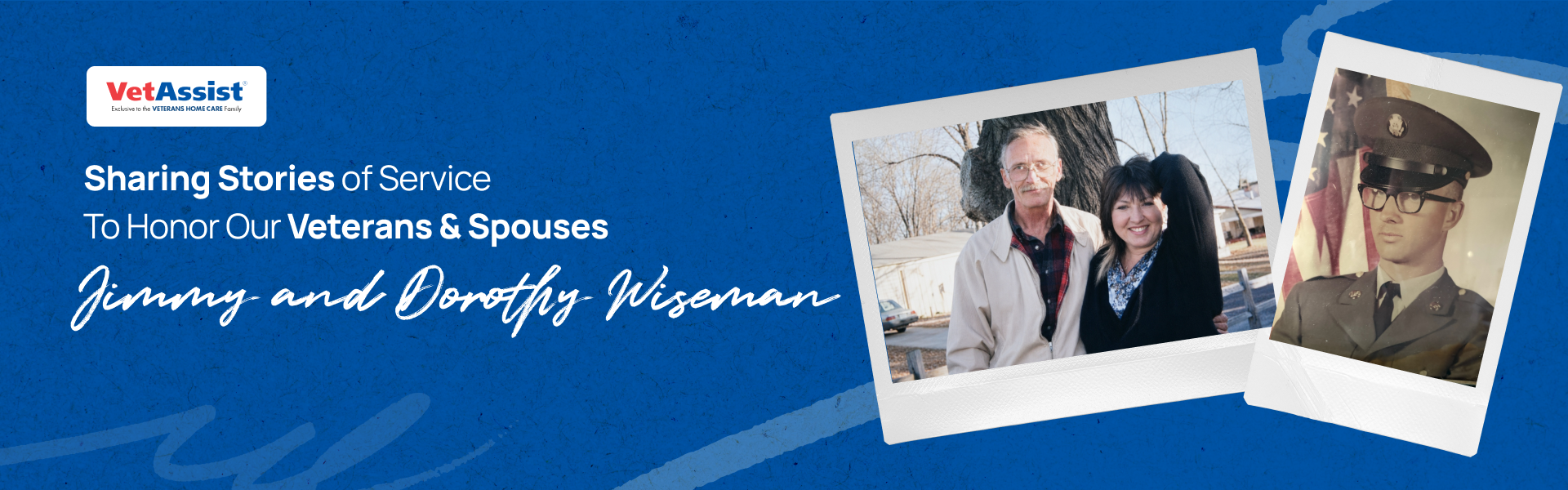
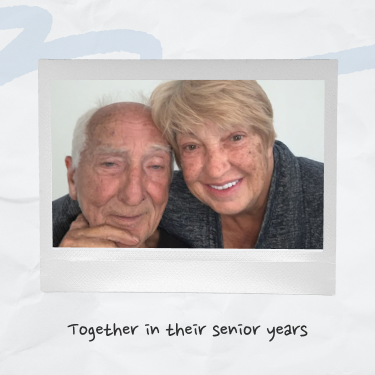
    Jimmy and Dorothy Wiseman are each mechanically-inclined in their own way. While Dorothy’s career as an aerospace technical writer made her part of the pioneer engineering team of the C-17 flight simulator, Jimmy’s expertise served him as the lead brake tester for Waste Management’s fleet of trucks. But many years before Jimmy helped deploy these trucks familiar across the country, he repaired Dorothy’s roommate’s truck one fateful day.

    “He was a skinny little guy,” Dorothy laughs, reminiscing about their meeting. Both she and Jimmy had previously been married, had children, and begun careers when they crossed paths in their early 40s. As a sometime ballroom dance instructor, Dorothy charmed Jimmy, who offered to pay her to be his dance partner. From there, they learned just how much they had in common. Along with a budding romantic connection, they soon became partners at Jimmy’s mobile mechanic business, with Dorothy providing administration.

    Armed Forces Service

    In 1975, a young Dorothy had been working at a shopping center in her hometown of Kansas City, KS, when she came across a suite of recruiters. “I happened to walk up to the Army National Guard,” she says, “and that’s where I signed up.” Seeking educational opportunities and some adventure, she went to Fort Jackson, SC, for basic training, then was largely stationed at Fort Reilly, KS, with some service in Michigan. Along with technical writing, she was assigned duties driving vehicles or assisting drivers, such as when she helped guide the Gama Goat, a huge, heavy amphibious vehicle developed for Vietnam-era combat. When the Goat once got stuck between two trees, “they had to just cut them down!”

    She also went hang gliding and piloted a converted Cessna T210 plane, reaching 17,500 feet—just 500 feet lower than commercial aircraft. After six years in the Army National Guard, Dorothy settled in California to continue an aerospace career as a civilian, working for the McDonnell Douglas Corporation (part of Boeing since the 1990s).

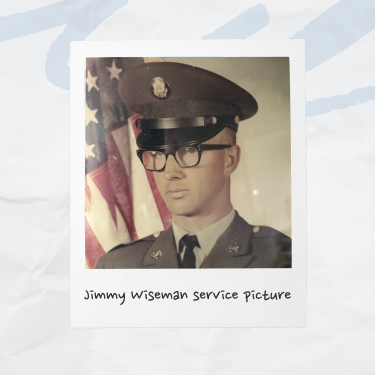
    Meanwhile, Jimmy had joined the Army in 1970, serving in the Vietnam conflict and completing basic training at Fort Ord on the Monterey Bay. He was promoted from E-4 to E-7 so that he could command a bridge tank (a sight for anyone who hasn’t seen one). Serving part of his time in Frankfurt, Germany, Jimmy commanded a tank and served as a helicopter crew chief. While he remembers Vietnam as “a bad time” with some very difficult experiences, he fondly remembers travels through Europe, notably Amsterdam. He marveled at castles and churches and learned a lot about the world’s beauty.

    He also remembers small moments of levity, like when his general made him the only soldier allowed near the floor shiner after he proved his aptitude. Decades later, he is still proud of standing out for his care and attention to detail.

    Remembering their time in the service, Dorothy says she wishes others “would understand the rigorous training you have to go through” to respond to potential threats. Once servicemembers return to civilian life, the rules change, and they have to adapt to de-escalation, sometimes with little support. Jimmy agrees, and adds that the armed forces are all about following directions. “If you go with what they say, you’ll do fine. If you don’t, you’ll have a bad time.” He adds that he succeeded by remembering “spit-shined boots, and starch and creases in your uniform.”

    Life After Service

    Meeting as veterans, Dorothy and Jimmy had much in common, including a sense of adventure. In 2004 (they think), the couple set off on a multi-year road trip on an 18-wheel semi truck, visiting the 48 contiguous states. Sometimes, Dorothy would be cooking in their kitchen in the truck while Jimmy drove. They became a fixture among other road warriors, especially those stuck in snow, for offering coffee and hospitality. For decades now, they have lived together, worked together, and traveled together.

    Currently, they live in a small town in Missouri, which made it difficult to get the assistive care Jimmy needed. “It is extremely hard to find someone that’s good. I could tell you some horror stories,” Dorothy notes. Thankfully, they found caregivers they love and trust. “I love my girls. They help me a lot,” says Jimmy, with Dorothy adding that she now feels secure leaving Jimmy at home when she runs errands.

    Care for Jimmy was made possible through the VA’s Aid and Attendance benefit, for which he qualified and which the Wisemans accessed with VetAssist’s help. They were also able to access devices like a shower chair and support handle for the bathroom—and, Jimmy’s favorite, a therapeutic massage chair. “Every time I ask for something, they usually give it to me,” says Dorothy.

    Thanks to Aid and Attendance, the Wisemans’ life has gotten safer and easier. It’s VetAssist’s privilege to take part in helping amazing veterans like this couple.

    The post Veteran Profile: Jimmy and Dorothy Wiseman, Up for the Adventure appeared first on Veterans Home Care – VA Aid and Attendance Pension Benefit.
    This post was originally published on this site.

  • Podcasts for Family Caregivers: Get Informed and Empowered

    Podcasts for Family Caregivers: Get Informed and Empowered


    Podcasts for Family Caregivers: Get Informed and Empowered

    Few of us feel prepared to care for our elderly parents, but life circumstances sometimes demand we step into this role. Caregiver burnout is all too common among family caregivers. We can easily feel overwhelmed, fall prey to scams, and lose time or money to inferior elder products and services. Family caregivers need more support, and caregiver podcasts have found this growing audience.

    Recently, we listed some of the most relevant and popular podcasts for seniors; now, let’s talk about senior caregiver podcasts that can help family caregivers provide excellent care for their loved ones without growing exhausted.

    Why Podcasts About Caregiving?

    ● Caring for elderly or disabled loved ones can feel isolating. The day can fill up so much that friends fall by the wayside, and life can get lonely when no one around you is going through the same thing. Podcasts for caregivers can help reduce feelings of isolation and offer strategies to balance life.
    ● Even when someone is going through the same thing—in the same family!—relationships can change. Sibling conflict and resentments can be difficult to navigate as there are disagreements about a parent’s care or the siblings’ individual responsibilities. Podcasts by creators who have been through this (or by experts, such as professional mediators) can bring ideas, hope, and a reality check.
    ● Caregivers can carry guilt about their weariness or frustration. Compassion fatigue can develop, leaving caregivers irritable and pessimistic about the future. Podcasts on the subject help normalize these feelings and guide you through them.
    ● Podcasts on your loved one’s particular illness or condition can help you grow knowledge of symptoms and effective care, so you can feel more confident caring for them at home and advocating with their doctor.
    ● Lastly, podcasts may discuss or review options for home care, home health, assistive technology, and other services or products that might make care easier or safer.

    The following are some of the best-loved family caregiver podcasts, covering a wide range of relevant topics with grace, humor, and candor. Note: While most links will take you to particular listening platforms, some podcasts are available on more than one platform.

    (On the same subject, be sure to check out our list of books for caregivers.)

    Practical Podcasts

    Caring for Your Aging Parents   (link). Covering topics from assisted living to spotting dementia early, this podcast is well-rounded and accessible to family caregivers.

    All Things Seniors (link). Another option with wide-ranging subjects, this show ended a few years ago, but the available episodes are still worth a listen.

    The Caring Generation (link). This one offers advice on many topics, but especially on long term medical care and legal/financial planning matters.

    From Overwhelmed to Relieved: The Senior Caregiving Podcast (link). If you enjoy our blog covering a variety of subjects related to aging and caregiving, you’ll enjoy this podcast published by Clark County Senior Resources in Washington State.

    The Dementia Care Partner Podcast (link). Homing in on one of seniors’ most challenging, mysterious diagnoses, this podcast covers many aspects of dementia care for a family caregiver audience.

    The Caregiver Resource Network Podcast (link). Episodes address a spectrum of topics from helpful smart home technology to preventative health for caregivers.

    Podcasts for Moral Support

    The Caregiver Cup (link). Caregivers must fill their own cup to pour into others. Host Cathy VandenHeuvel teaches us how to do just that.

    Caregiver-2-Go (link). Brought to you by the Veterans Health Administration’s Office of Caregiver Support, this newer podcast speaks to caregiver mental health and self-care needs.

    Caregiver Chats (link). Can caregivers date? Can caregiving be joyful? This podcast tackles the everyday, important experiences of family caregivers.

    Champions Corner (link). This show from caregiving.com takes a realistic view of caregiving challenges, bringing solutions and encouragement.

    Caregiver SOS (link). With a bent towards caring for loved ones with dementia, this popular podcast is relatable to any caregiver, at any stage of their care journey.

    Happy Healthy Caregiver (link). Real caregivers tell their stories of building happy, healthy lives while caring for loved ones.

    Caregiver Compass (link). Speaking especially to “sandwich generation” caregivers, this one is a resource for those figuring out a parent’s next phase while also raising children, nurturing a marriage, or growing a career.

    Caregiver Chronicles (link). Another with a sandwich generation focus, this podcast was created by a CNA caring for different family members with dementia, while also raising two sons on the autism spectrum.

    The Cancer Caregiver (link). Cancer is often a frightening diagnosis with long, exhausting treatment. This podcast recognizes the ups, downs, and “mehs” of caring for someone with cancer.

    Confessions of a Reluctant Caregiver (link). Hosted by sisters caring for their mom with Parkinson’s, this show features stories from listeners who are standing in the care gap for their families.

    Podcasts to Dig Deeper

    Daughterhood, the Podcast (link). More “moral support” than “practical podcast,” this one is uniquely courageous in tackling hard subjects like caring for a narcissistic parent and processing their end-of-life.

    In Sickness (link). While most caregiver podcasts focus on caring for an elderly relative, this one is hosted by two Millennials caring for chronically ill spouses, offering a slightly different perspective.

    The Heart of Hospice Podcast (link). This podcast turns attention to palliative care and hospice, offering support and insight to an often confusing and difficult experience for caregivers.

    Hospice Explained (link). Another hospice-focused show, this one has bite-sized episodes and interviews with hospice professionals.

    Grief Out Loud (link). Grief is complex and can be intimidating to those around us. This podcast shines a light on the different ways people grieve through creativity, ritual, and just plain honesty.

    Podcasts have become a popular form of media due to the wide range of subjects covered and the simplicity of listening while you do chores or drive to work. For family caregivers—new and experienced—they can also be a lifeline to hope and a sense of stability.

    If your loved one needs home care, our VetAssist mission is to make home care easily and quickly accessible for those who qualify through the VA Pension with Aid and Attendance benefit. Veterans Home Care can help you determine whether you or your loved one will be eligible to receive the benefit, which can cover some or all of the cost of home care, and we make it easy to apply. Chat with us via our website, or call us at (888) 314-6075.

    The post Podcasts for Family Caregivers: Get Informed and Empowered appeared first on Veterans Home Care – VA Aid and Attendance Pension Benefit.
    This post was originally published on this site.

  • What Is In-Home Care? An Overview of Support for the Elderly and Their Families

    What Is In-Home Care? An Overview of Support for the Elderly and Their Families


    What Is In-Home Care? An Overview of Support for the Elderly and Their Families

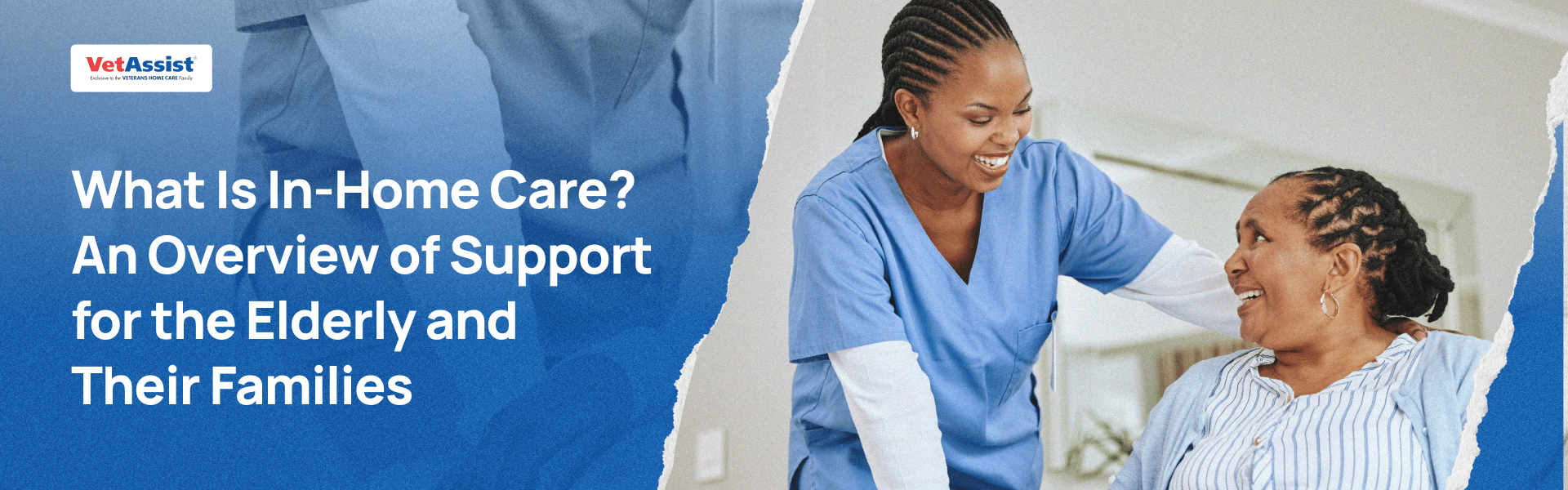
    Home care for elderly people is somewhat misunderstood as a medical service. While it can include home health, home care is practical aid that brings bonus benefits: socialization, cognitive stimulation, personal empowerment, dignity, and comfort for your aging loved one. Families also benefit from peace of mind and vital support.

    In-Home Elder Care: What Are ADLs?

    ADLs are activities of daily living. According to the National Institutes of Health, the ability to carry out these tasks defines an individual’s level of functioning (more here). Someone who cannot carry out ADLs requires intensive assistance, whether that’s from a family caregiver or a professional.

    Examples of ADLs include:

    • Feeding oneself
    • Bathing
    • Getting dressed
    • Transferring from one place/position to another
    • Toileting

    Someone who cannot do these activities independently often ends up in full-time care outside their own home. While this is sometimes the best option, it can come with downsides in the form of the senior’s lost sense of agency, comfort, and dignity. In addition, not all families can afford this option, or want it. In this case, they turn to in-home options (their elderly parent’s home, or moving them into their own).

    Another type of ADL assistance is for IADLs, or instrumental activities of daily living. Some of these are:

    • Cleaning the home and doing laundry
    • Communicating via phone or other devices
    • Managing personal finances
    • Getting to and from places like the grocery store (whether that’s driving, walking, or using public transportation)
    • Cooking/meal preparation

    What In-Home Care Provides

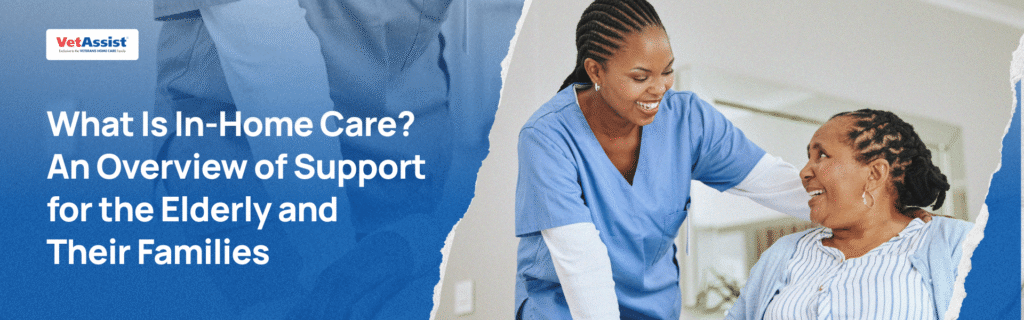
    Professional caregivers typically work on a customizable basis in your elderly loved one’s home, performing ADLs and some IADLs. (Many of our clients see their caregiver daily for a few hours, or just a few days per week.) Some benefits of in-home care are:

     Decreased hospital readmission rates. Post-discharge care is known to impact whether a patient makes a full recovery without additional hospital visits. A professional caregiver monitoring your loved one’s routine—everything from taking meds on time to drinking water—means the doctor’s aftercare instructions are followed. It also means attentive help to prevent falls and quick response to emergencies, like post-surgical infections.

    Cleaner, safer living environment. A caregiver can help keep your loved one’s home tidy and organized, reducing the risk of falls and other injury and preventing overwhelm from incomplete chores. On paper, a caregiver is doing dishes and laundry and making the bed; in practice, they are maintaining an uplifting, tranquil, and sanitary living environment.

    Quick and informed eyes and ears. A caregiver is alert to changes in your senior loved one’s health, including mental health. They will notice depressed moods or pessimism, as well as frequent headaches or shaking hands. They will notice signs of cognitive decline and memory loss. They may hear about questionable activity before you do, like online or phone-based scams. They will also quickly know about home maintenance needs, like a drafty door or a leaking sink. Their routine attention ensures you know sooner about issues that need a response.

    Socialization and cognitive support. If the caregiver is a good fit, your elderly loved one will look forward to spending time with them. Along with practical assistance, they provide conversation and moral support. They can also play games with your loved one to keep them intellectually engaged, encourage creative activities, or help them do their PT-approved exercises to maintain brain and body health. Beyond tasks like cooking and cleaning, a caregiver helps raise your loved one’s spirits and live a fuller daily life.

    Family support. A good caregiver will educate the family about their senior’s care and available resources they might not know about, based on their experience with many other elderly clients. They are a wealth of knowledge about routines that work, self-care and respite care, and getting what you need from a busy healthcare provider.

    Agency and self-direction. Caring for the elderly in their own home, versus in an institution, gives them a greater sense of independence. They are able to voice their preferences, from the temperature in the house to what they’ll have for dinner. Particularly when your loved one begins to need more help, options for elderly care at home can feel easier to accept and get used to.

    How to Get Started with Home Care

    Beginning home care can be intimidating. When it comes to your elderly loved one, broaching the subject takes sensitivity and empathy, as well as preparation. Gather information about your options, costs, and benefits your loved one qualifies for. (Veterans and their spouses tend to underuse their available VA benefits.) Take stock of their needs and desires, and get their genuine consent to make a collaborative plan.

    Families sometimes have differing opinions about how to help parents or grandparents, who will do what, who will pay for what, and who will be a point of contact. Make an intentional plan with siblings and be transparent about what your loved one needs in terms of care. Home care is often a lifesaver when everyone has full time work and children, or when families are spread across the country and can’t be physically available.

    When screening agencies and caregivers, look for verifiable experience and qualities such as reliability, patience, and interpersonal abilities. Use reviews and references. Get deeply involved early on so you can feel confident trusting them in the long term.

    In-home care can be the best alternative to providing all their care yourself or moving your loved one into a care institution. If your loved one needs home care, our VetAssist mission is to make home care easily and quickly accessible for those who qualify through the VA Pension with Aid and Attendance benefit. Veterans Home Care can help you determine whether you or your loved one will be eligible to receive the benefit, which can cover some or all of the cost of home care, and we make it easy to apply. Chat with us via our website, or call us at (888) 314-6075.

    The post What Is In-Home Care? An Overview of Support for the Elderly and Their Families appeared first on Veterans Home Care – VA Aid and Attendance Pension Benefit.
    This post was originally published on this site.

  • Podcasts for Seniors

    Podcasts for Seniors


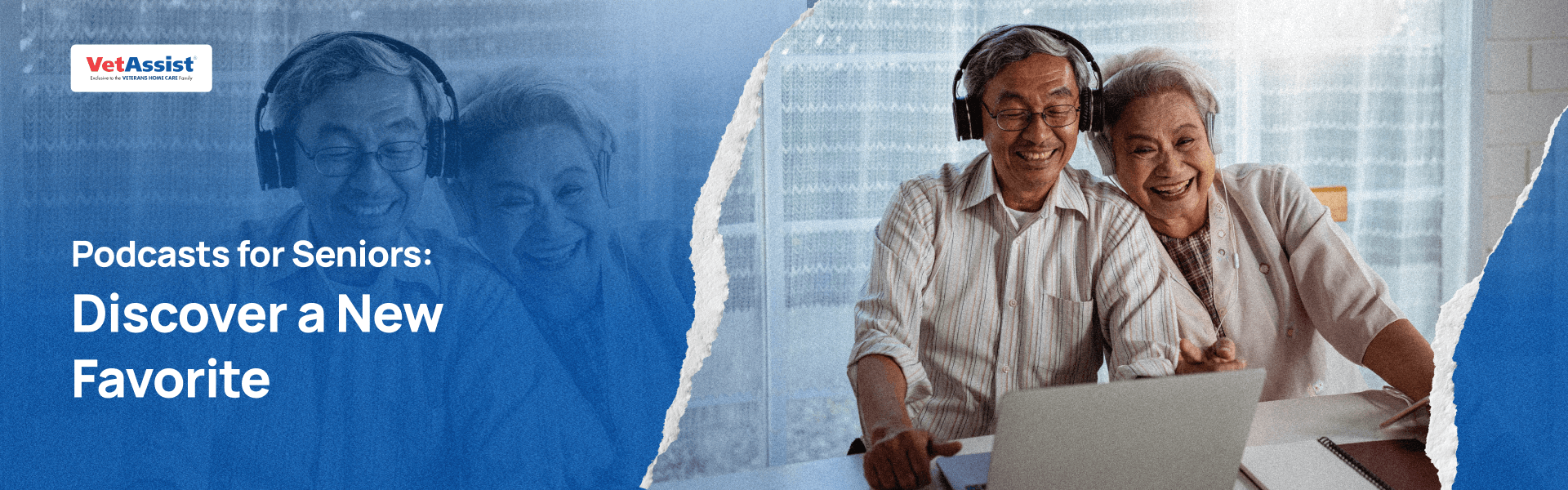
    Podcasts for Seniors: Discover a New Favorite

    Podcasts have become very popular in recent years, and why not? They can be hilarious, educational, practical, and inspirational. There seems to be a podcast for every interest, and more recently, some creators have focused on content specifically for seniors.

    Podcasts for elderly audiences touch on topics such as preventative health, home safety hacks, and retired life. They offer stories of decades past with warmth and humor. They drill deep into niche topics for the ever-curious mind.

    Some reasons your senior might tune in to a podcast include:

    • Cognitive engagement. Whether you’re learning the story of the clipper tea races or how GPS works, a great podcast pulls you in and teaches you new things. Some podcasts focus on trivia, riddles, or puzzles—entertaining while making your brain work.
    • Decreased isolation. For those with limited mobility or a slowed-down routine, podcasts can keep you connected with current events and cultural milestones.
    • Improved relationships. Podcasts focused on parenting, grandparenting, and making or maintaining friendships can teach you something about having hard conversations or making lasting memories.
    • Better physical health. Medical experts share useful information on topics like diet, exercise, and sleep. (Note that everyone—not just seniors—should always consult their own doctor before changing or adopting new health habits.)
    • Fun and entertainment. Talented hosts brighten your day with their antics and banter.
    • New interests and hobbies. Discover unexplored activities like art journaling, senior chair yoga, or bird watching.

    Many podcasts can be accessed for free (usually with ads) or through paid subscriptions to platforms like Spotify, Apple Podcasts, iHeartPodcasts, Pocket Casts, or YouTube. (Our clients who have SmartCompanion already have iHeartPodcasts.) Some also have their own websites with media players, for those who don’t have a subscription to another service.

    More than ever, there is a podcast for everyone! Here are some starting points to a wide world of options—either exclusively for seniors, or just something they may enjoy.

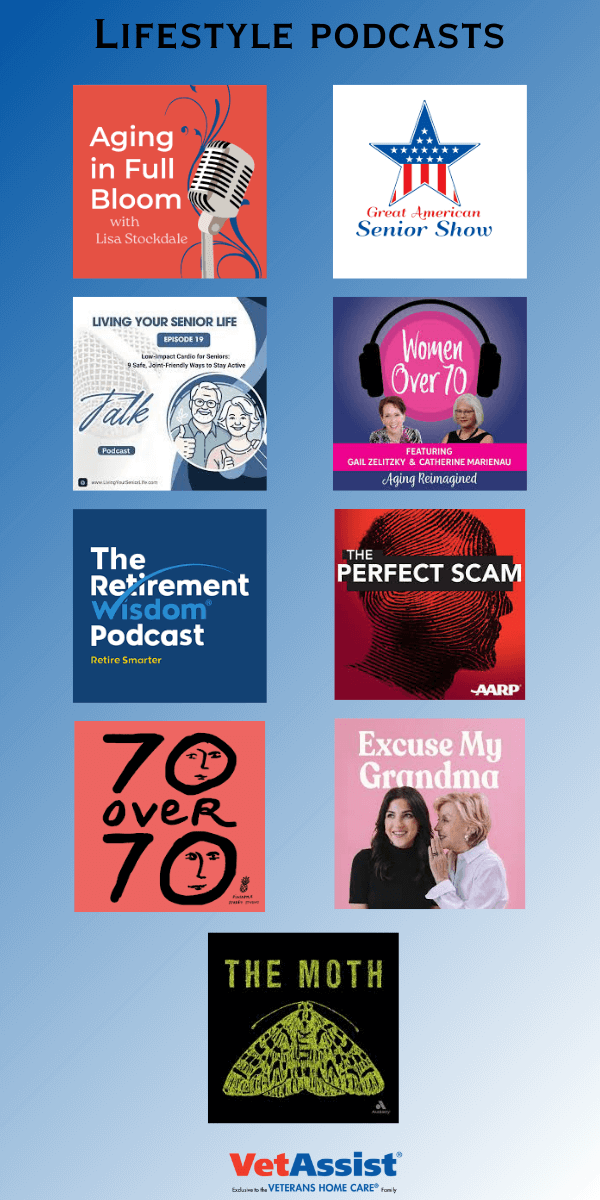
    Lifestyle Podcasts

    • Aging in Full Bloom (link). This senior-focused podcast discusses such topics as retirement life, preventative home maintenance, and simplifying technology.
    • The Great American Senior Show (link). Veteran journalist Sam Yates offers a broad range of interviews with attorneys, healthcare providers, law enforcement officers, and everyday heroes. While there is a strong Florida angle (where he is based), most episodes are of interest no matter where you live in the US.
    • The Retirement Wisdom Podcast (link). Another offering with sundry topics, this podcast features episodes on friendship, purpose, and legacy in the golden years of life.
    • Women Over 70 (link). This inspirational podcast for older women features stories from those over the age of 70 living purposeful, creative lives.
    • Living Your Senior Life (link to iHeart; available on more platforms). Covering a variety of topics from hobbies to bone density, this popular show features short episodes packed with helpful tips.
    • The Perfect Scam (link). This project from the AARP Fraud Watch Network profiles real people and their stories of being scammed, along with expert advice on how to stay safe.
    • Excuse My Grandma (link). This grandmother-granddaughter duo talk about current events and pop culture, each bringing their own generational lens and a lot of laughs.
    • 70 Over 70 (link to iHeart; available on more platforms). This host interviews 70 individuals over 70 years old about their lives.
    • The Moth (link). While not exclusively focused on senior life, The Moth is a hugely popular storytelling event—now with a podcast, so you can listen from the comfort of your living room.

    lifestyle podcasts

    Nostalgia Podcasts

    • You Must Remember This (link). If you love Hollywood glamour and intrigue, you’ll love these stories of giants like Alfred Hitchcock, the Rat Pack, Bette Davis, and many more, leading all the way up through 1990s stars.
    • Baby Boomer Tales (link). This amusing slice-of-life podcast will scratch the itch for conversations about Baby Boomer common experiences.
    • Relic Radio (link). If you or your loved one grew up listening to radio dramas, this one’s for you!
    • Desert Island Discs (link). This fun podcast jumps off the popular “what-if” question—what five music albums would you want if you were stuck on a desert island?—and interviews celebrities on their selections. While ongoing, this show has been recording since the 1940s
    nostalgia podcasts

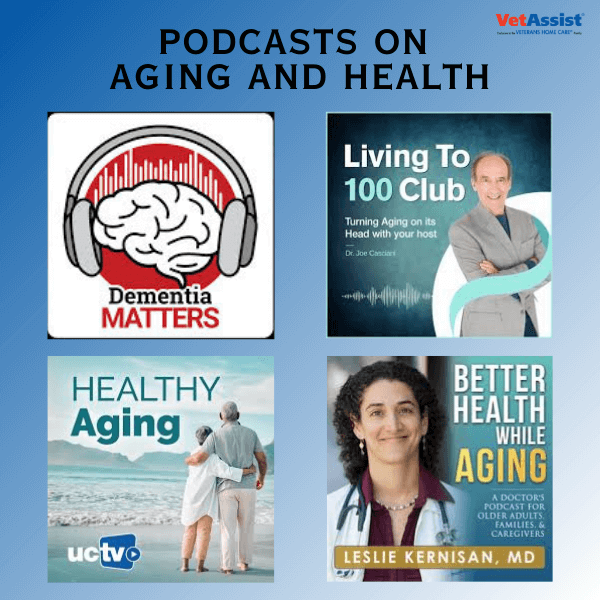
    Podcasts on Aging and Health

    • Dementia Mattes (link). Hosted by a geriatrician and director of the Wisconsin Alzheimer’s Disease Research Center, this podcast discusses memory and cognitive health.
    • Living to 100 Club (link). Dr. Joseph Casciani interviews physicians and researchers on topics related to healthy aging.
    • Aging and Senior Health (link to videos; audio available on several platforms). The University of California publishes these episodes on everyday health topics for seniors.
    • Better Health While Aging (link). This popular podcast is also hosted by a geriatrician and offers informed advice in preventative healthcare.
    podcasts on aging

    Educational Podcasts

    • Stuff You Missed in History Class (link). This podcast discusses obscure and forgotten stories from history. Learn how Washington Irving impacted the way Americans celebrate Christmas or why the abandoned Italian mansion, Villa de Vecchi, may be haunted.
    • Stuff You Should Know (link). Unrelated to the podcast above, this one covers a wide range of topics, with each episode under an hour.
    • Hidden Brain (link). For those who love practical psychology, this podcast talks about such topics as the science of happiness, when to trust your intuition, and why being in nature makes us feel good.
    • 99% Invisible (link). Each episode of this podcast is like a mini documentary on a singular object or issue.
    • In Our Time (link). Another podcast in this vein, this BBC series talks geography, science, historical figures, and much more.
    educational podcasts

    For Senior Veterans: Podcasts on Military History

    • US Army History and Heritage Podcast (link). The US Army’s Center of Military History publishes episodes featuring in-depth interviews from historians and experts.
    • Duty & Valor (link). This podcast is dedicated to honoring Veterans and military heroes lost in active duty.
    • The Unknown Soldiers Podcast (link). This one focuses on lesser-known stories and figures from military operations around the world.
    • WW2 Podcast (link). For WW2 buffs, this podcast explores a variety of angles of this milestone in American hi
    podcasts on military history

    Podcasts are a great way to pass the time, learn something new, and keep your mind engaged. Share these with the senior in your life! And if that senior loved one needs home care, our VetAssist mission is to make home care easily and quickly accessible for those who qualify through the VA Pension with Aid and Attendance benefit. Veterans Home Care can help you determine whether you or your loved one will be eligible to receive the benefit, which can cover some or all of the cost of home care, and we make it easy to apply. Chat with us via our website, or call us at (888) 314-6075.

    The post Podcasts for Seniors appeared first on Veterans Home Care – VA Aid and Attendance Pension Benefit.
    This post was originally published on this site.

  • Senior Heart Health: Ailments, Care, and Prevention

    Senior Heart Health: Ailments, Care, and Prevention


    Senior Heart Health: Ailments, Care, and Prevention

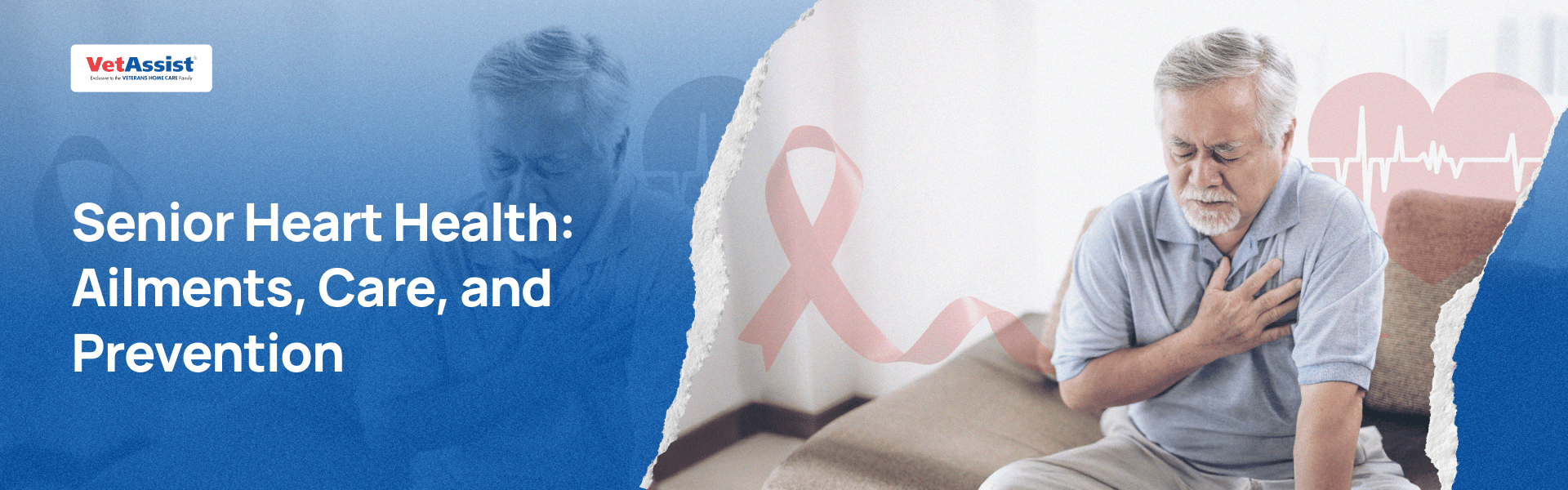
    February is American Heart Month, and those of us who care for seniors use it as an opportunity to raise awareness about one of the leading ailments in the elderly: cardiovascular disease.

    Heart health for seniors takes on increasing importance as the cardiovascular system ages. Older people deal with more arrhythmia (irregular heartbeat), blood clots, thickening walls of the heart and blood vessels, and less efficient blood flow through the body. These problems often start quietly in middle age and accelerate as we get into our 60s, 70s, and 80s.

    While aging is itself a risk factor for heart disease, some risk factors are within our control. The following covers essential information to discuss with your elderly loved one and their healthcare providers.

    Cardiovascular Disease in the Elderly

    The term “cardiovascular” reminds us that we are talking about ailments of both the heart and all the vessels that work with it—arteries, veins, and capillaries. While individuals of any age can suffer from cardiovascular disease, it becomes more common as we get older. Common heart problems in elderly patients include, but are not limited to:

    High blood pressure: Also known as hypertension, this very common condition increases the risk of many other cardiovascular problems, including stroke and heart attack. What’s difficult about hypertension is that, day to day, it’s not that noticeable. This can lead to ignoring its very real risks. Contributing factors to high blood pressure are diets high in saturated fat and sodium, chronic stress, obesity, lack of exercise, poor sleep (including with apnea), using tobacco or alcohol, and certain health conditions like kidney disease.

    Coronary artery disease (CAD): When there is damage to the arteries from high blood pressure, high cholesterol, diabetes, and other conditions, plaque can build up in the arteries, blocking normal blood flow. This plaque buildup is also called atherosclerosis and is made up of cholesterol, other fats, and calcium. CAD is the leading cause of angina (chest pain) as well as heart attacks.

    Arrhythmia: This is experienced as an irregular heartbeat and is caused by damage to the heart’s electrical system. Contributing factors are age itself (due to tissue damage and deterioration), hypertension, diabetes, thyroid disease, and sleep apnea. Arrhythmia can also result from dehydration or electrolyte imbalance (from missing nutrients like potassium), and it can be a side effect of some medications. Arrhythmia increases the risk of stroke and heart failure.

     Myocardial degeneration: This is when heart tissue thickens and weakens, leading to reduced blood flow throughout the body. In an individual, this can look like shortness of breath—even when sitting down—fatigue, and edema (swelling in parts of the body, often legs or feet, because of pooling blood and other fluids). Causes include certain infections, nutritional deficiency, drinking alcohol, stress, and sometimes genetics.

    Arteriosclerosis: This is similar to myocardial degeneration, but for the blood vessels instead of the heart.

    Congestive heart failure: This is a chronic condition that happens when a damaged heart cannot pump adequate blood through the body. Fluid builds up in the lungs and/or legs and arms. Heart failure is often the result of chronic cardiovascular disease/damage, or it can begin after a heart attack. It is more common in those over 75 years of age.

    Aneurysm: Aneurysms happen suddenly and are frequently fatal. They occur when part of a weakened artery widens abnormally and then bursts. Prevention of an aneurysm is focused on general blood vessel health, as well as medical screening.

    Heart attack: Medically known as a myocardial infarction, a heart attack happens when a blockage (usually a blood clot triggered by plaque buildup) stops blood from flowing normally to the heart. When this happens, heart tissue quickly begins to die. Signs of a heart attack include shortness of breath, nausea or vomiting, extreme fatigue, dizziness, a cold sweat, and intense chest pain. Different symptoms are more common in women vs. men.

    Stroke: This is similar to a heart attack, but affecting the brain instead. In addition to a clot, it can be caused by brain bleeding (hemorrhage). Signs of a stroke include severe headache, vision problems, confusion, difficulty speaking, and sudden numbness. It is common to lose control over one half of the body.

    Other common conditions include varicose veins, deep vein thrombosis, and aortic stenosis.

    Preventive Care for Heart Disease

    Much of senior heart disease prevention is focused on keeping the heart and blood vessels strong and clear. This means preventing the strain caused by hypertension, safely exercising the cardiovascular system, and making lifestyle choices that promote healthy arteries.

    First, be sure your loved one visits their doctor regularly. Blood tests can assess cholesterol levels and catch problems early, including high blood sugar or other diseases that impact cardiovascular health. Their medical office will take their blood pressure, but this is something you can also do at home. You can also monitor pulse; a normal heart rate for an elderly individual is 60-100 beats per minute when they are at rest, with an average in the 70s. If resting heart rate falls outside this window, bring it up with their doctor.

    If your loved one is prescribed medications to manage cholesterol or hypertension, make a plan to ensure they take it exactly as prescribed. Encourage them to speak up about side effects or changes they notice, and don’t be shy about bringing issues promptly to their doctor.

    The most important lifestyle change your loved one can make for their cardiovascular health is to quit smoking, since it severely damages bodily tissue. Beyond this, avoiding alcohol and adopting a heart healthy diet are effective ways to preserve the health of their heart and blood vessels. Speak to a doctor or registered dietician about foods to emphasize and foods to avoid. Also find out the healthy target weight range for your loved one and get assistance with diet planning to help them stay within it.

    Stress is hard on the whole body, so managing it becomes crucial. Help your loved one find enjoyable activities for relieving stress, whether that is chair yoga or playing a musical instrument. Facilitate their social life; this may mean helping them with rides or with technology to stay in touch with friends and family. If their stress is intense and possibly diagnosable as a mental health disorder, help them find resources such as a counselor or support group.

    Exercise is important at every age, but seniors may not be able to safely do all the activities they once did. Talk to their doctor or an occupational therapist about simple, appropriate exercises to maintain flexibility and balance, increase blood flow, and strengthen muscles. This is important for cardiovascular health, but has the side benefit of helping to prevent falls.

    Check in with your senior loved one about any cardiovascular symptoms they may be experiencing—shortness of breath, easy tiredness, chest pain, pain in arms or legs, dizziness, or trouble sleeping. Encourage them to see their doctor regularly and to make lifestyle choices that help prevent heart disease in old age.

    If you need support in caring for your elderly loved one, our VetAssist mission is to make home care easily and quickly accessible for those who qualify through the VA Pension with Aid and Attendance benefit. Veterans Home Care can help you determine whether you or your loved one will be eligible to receive the benefit, which can cover some or all of the cost of home care, and we make it easy to apply. Chat with us via our website, or call us at (888) 314-6075.

    The post Senior Heart Health: Ailments, Care, and Prevention appeared first on Veterans Home Care – VA Aid and Attendance Pension Benefit.
    This post was originally published on this site.

  • Caregiver Tips for Doctor Visits

    Caregiver Tips for Doctor Visits


    Caregiver Tips for Doctor Visits

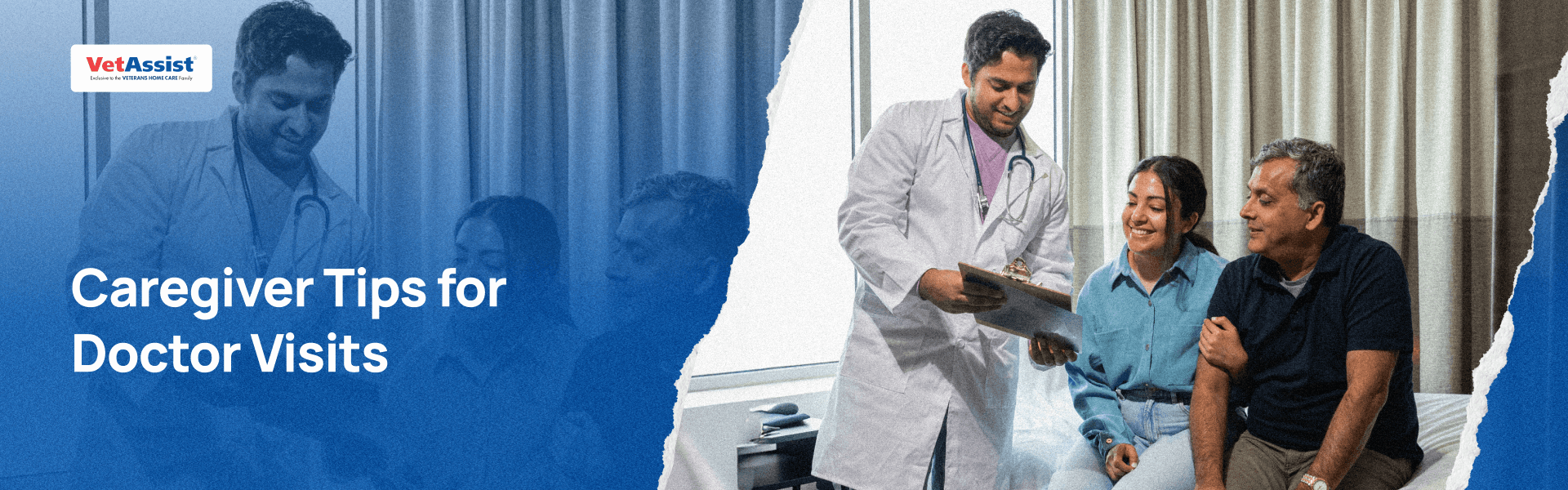
    Supporting an aging loved one’s health means learning a level of medical advocacy most of us were not trained for. Many individuals find that attending doctor appointments with their elderly parent brings unforeseen needs. The following is our guide for better preparation, advocacy, and making the most of your loved one’s doctor visit.

    Before the Appointment

    To prepare for the appointment, focus on gathering information.

    • Does your loved one’s medical office require completion of paperwork ahead of time? Even if they don’t, completing it at home—in a comfortable, calm environment, with lots of time—works to your advantage. (Ask the office if this is an option.) Completing the paperwork with your parent or loved one gives you the chance to fill out health history and related details you may not even know.
    • Find out if your senior loved one has named a healthcare proxy or filled out a release of information with your name on it. If you can’t find it, call the office and ask. It’s important to have your loved one sign off on your ability to speak for them if needed, as well as receive information about their condition and care.
    • Interview your parent or loved one on the medications they are taking, and how faithfully they are taking them according to prescription. Ask about any side effects and recent changes they have noticed.
    • Likewise, find out about any new lifestyle challenges, such as difficulty walking or getting in or out of bed. Ask whether they are eating regularly and drinking water, if they are socializing, and if they are struggling with any household chores. Be alert for signs of negative mood or anxiety, as this can be helpful for their doctor to keep tabs on their mental health.

    What to bring to a doctor’s appointment:

    • A list of medications and supplements your loved one is taking. Bringing the actual bottles/packaging is even better, as the doctor can review labels.
    • A list of concerns you’d like the doctor to address. Besides known conditions and symptoms, this is a good time to ask about concerns like dementia screening, assistive devices for walking, eyesight changes, and occupational therapy Keep the list to your most pressing concerns.
    • Their glasses, hearing aid, walking device, or similar implements.
    • Insurance cards and information of any other healthcare providers that they see.
    • Something to take notes as you are communicating with medical staff. There is no way to simply remember everything that was said, and these face-to-face opportunities provide vital information.

    Lastly, but very importantly, have a conversation with your loved one regarding speaking up for them during their appointment. Are they alright with you chiming in when needed? Do they prefer you take the lead? Let them know you want to help, but be aware it can be embarrassing for some elderly parents to be contradicted or talked over in front of the doctor. Talking about boundaries ahead of time is effective caregiver communication; emphasize your intent to help to your fullest capability, and empower them to take the lead if they can.

    During and After the Appointment

    During a senior medical visit, remain alert to your loved one’s emotional state, energy level, and attention. Long wait times and shuttling between rooms can cause fatigue, which in turn can discourage your loved one from speaking up and asking their questions. Do what you can to ensure you both dress warmly and comfortably, eat beforehand, and set yourself up to stay resilient.

    If your loved one asks you to leave the room, do so. Try not to talk over them or make them feel invisible, even if you’re trying to help. Listen attentively, take notes, and ask the medical staff for any literature or resources related to your loved one’s health conditions.

    After the appointment, write up any instructions from the doctor in an easy-to-read format, and place it in a highly visible place like the kitchen counter. Give your loved one your notes from the appointment. Follow up on further appointments to be scheduled, prescriptions to be picked up, or tests to be completed. If your loved one is comfortable with it, you may want to get the login for their patient portal to see test results or notes from their clinic. You can usually also send messages to their doctor through the portal (though you should never impersonate your parent/loved one).

    Other Considerations

    Certain healthcare and social services professionals are highly trained in coordinating senior care. These include geriatricians, who specialize in patients over 65 years of age, and geriatric care managers, who are an excellent resource for elderly patients with complex care needs. Social workers are also available at most hospitals to provide medical advocacy for seniors and education to their families.

    If your parent speaks a different language than their doctor, an interpreter may be available to help with communication. This can bridge the gap without putting too much emphasis on the adult child to do all of the communication.

    For some families, agreement on a care plan or its details may be hard to come by. Caregivers with siblings might need to find ways to make joint decisions peacefully, or else get their siblings’ blessing to act more unilaterally (though this comes with the tradeoff of taking on the bulk of caregiving duties).

    If at some point, your elderly loved one needs more assistance than a family caregiver can provide—especially for routine, everyday activities—you may want to review your home care options. Our VetAssist mission is to make home care easily and quickly accessible for those who qualify through the VA Pension with Aid and Attendance benefit. Veterans Home Care can help you determine whether you or your loved one will be eligible to receive the benefit, which can cover some or all of the cost of home care, and we make it easy to apply. Chat with us via our website, or call us at (888) 314-6075.

    The post Caregiver Tips for Doctor Visits appeared first on Veterans Home Care – VA Aid and Attendance Pension Benefit.

    This post was originally published on this site.

  • Choking, Dysphagia, and Difficult Swallowing in Elderly Adults

    Choking, Dysphagia, and Difficult Swallowing in Elderly Adults


    Choking, Dysphagia, and Difficult Swallowing in Elderly Adults

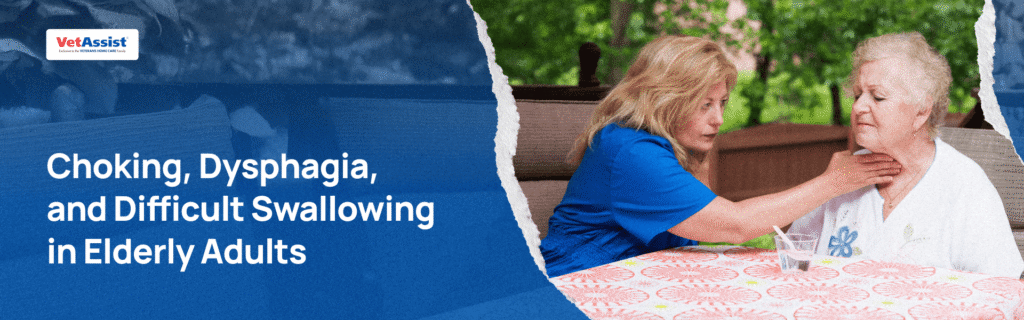
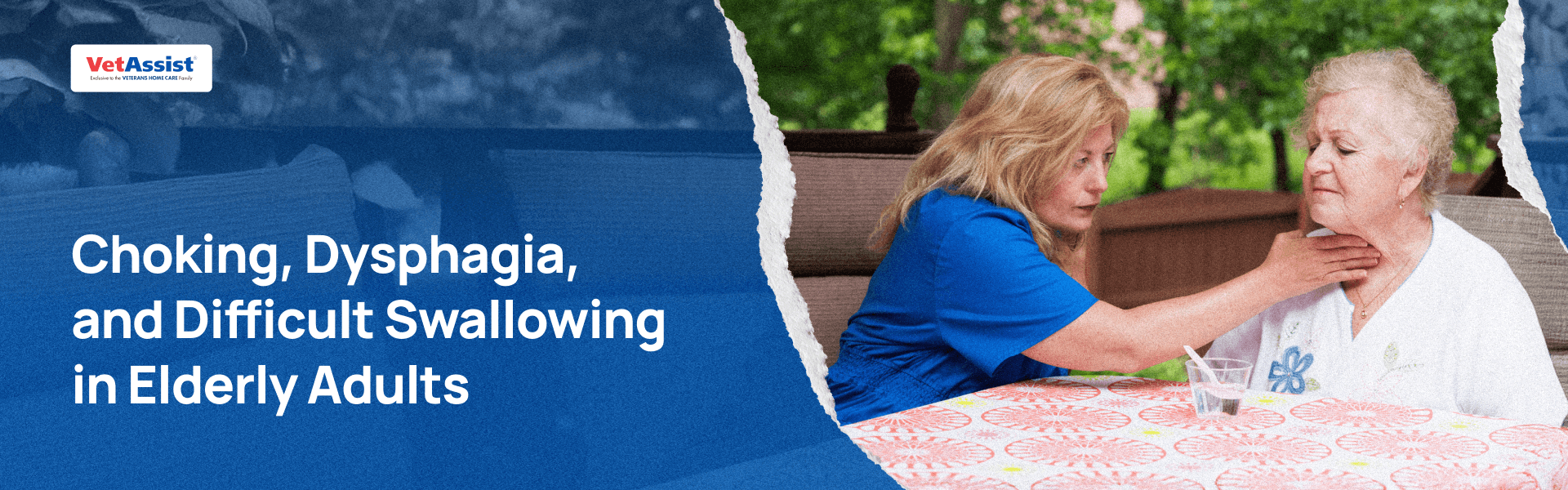
    Dysphagia in the elderly is a common condition resulting from multiple factors including oral health problems, chronic illness, and medication side effects. Also called geriatric dysphagia, this is characterized by difficulty swallowing and a higher risk of choking. Seniors make up an astounding 75% of the choking deaths each year in the US. That statistic represents over 4,000 senior deaths annually. Risk rises with age, especially after age 71.

    Swallowing issues can be diagnosed and mitigated. Protect your senior loved one by getting educated on dysphagia and choking risks and by speaking to them about struggles they may be experiencing.

    Why Do Older People Choke on Food?

    Swallowing food and water occurs in three phases requiring first the mouth, then the throat, and lastly, the esophagus. When even one of these phases is compromised, choking can occur.

    With age, oral health can decline, and unchewed food can lead to swallowing problems in elderly adults. Missing or damaged teeth, diseased gums, loose dentures, insufficient saliva (dry mouth), and weakened or uncoordinated muscles in the tongue or throat can all contribute.

    Illness can also cause or worsen swallowing challenges. Some examples are:

    • Paralyzing conditions, such as a stroke
    • Neurological or neurodegenerative conditions, such as Parkinson’s disease
    • Dementia, due to reduced cognitive capacities
    • Chronic or untreated acid reflux
    • Diabetes, which can be accompanied by dry mouth
    • Certain cancers or their treatment

    While it is typical for older adults to produce less saliva, some medications have dry mouth as a side effect, exacerbating the issue. These include medications for blood pressure, allergies, and depression. (Read about medication safety here.) Conversely, seniors who cannot clear their own saliva or phlegm by swallowing are also at risk of choking.

    With these barriers to healthy swallowing, choking in elderly people presents an underestimated threat to their safety.

    Risks Associated with Dysphagia and Choking

    Besides the obvious threat to breathing, choking can result in lung infections as foreign objects like food particles enter the lungs, along with bacteria from the mouth. Aspiration occurs when food or drinks enter the lungs without blocking airways, and this can also carry bacteria into the lungs. This is one reason it is imperative to brush, floss, and visit the dentist regularly.

    Furthermore, frequent and violent coughing can lead to tissue damage, and dysphagia is thought to be a risk factor for the development of pneumonia. Elderly people who have choked on food or water might become afraid to eat and drink, which leads to malnutrition and other health issues. Fears around eating and drinking can also cause anxiety and distress, impacting mental health and quality of life.

    Certain food choices or habits increase risks for seniors. These include eating hard candies, meat or fish with bones, popcorn, hot dogs, food in large chunks, and sticky or chewy foods (such as taffy, peanut butter, or even tough meats). Other risks include eating quickly and eating alone, because no one can intervene quickly if they choke. Those who eat while watching TV may be distracted or laugh with food in their mouth, upping their risk.

    Seniors should speak to their doctor if they show any of the following dysphagia warning signs:

    • Choking regularly while eating meals or drinking beverages
    • Choking to the level of coughing violently and turning red in the face
    • Having a dry mouth much of the day
    • Feeling distress around eating and drinking, or avoiding doing so

    Diagnosis and Treatment of Dysphagia

    Your elderly loved one may opt to see their geriatrician or a specialist, such as a speech pathologist, for their swallowing difficulties. Their provider will typically begin assessment of dysphagia with a simple swallow test, where they observe their patient drinking water. They will ask their patient what foods or liquids typically cause problems, as well as cover surrounding risk factors like diagnosed illness or medications that might be impacting their ability to swallow.

    Next, they may order a Video Fluoroscopic Swallowing Exam (VFSE), where x-rays capture the patient swallowing in real time to see where and how issues are occurring. A similar test, an esophagram, can be used to observe the esophagus in action.

    Treatment for dysphagia has many components. First, there are practical changes your elderly loved one can make to their eating by:

    • Cutting food into smaller pieces
    • Eating slowly and chewing food thoroughly (those with dentures should see their dentist about ensuring proper fit)
    • Eating smaller, more frequent meals throughout the day, versus a couple of large meals
    • Adding flavored or flavorless thickeners to drinks (thickened water for elderly dysphagia patients is commonly indicated)
    • Eating more soft, thick, and even-textured foods such as yogurt, pudding, and pureed soups
    • Sitting up straight while eating, and tucking their chin towards their chest while chewing and swallowing
    • Avoiding distractions while eating, including talking
    • Sipping a beverage while eating

    An occupational therapist can bring a wealth of knowledge and resources to compensate for dysphagia and its challenges.

    In some instances, dysphagia is the result of a treatable condition, and a doctor can address the root cause to lessen or eliminate it.

    Some Cautions Around Choking in Elderly People

    It is important to know how you will respond if you are near your elderly loved one when they are choking. If they begin coughing, encourage them to keep coughing until the obstruction is cleared. Do not slap their back to help, as it is usually ineffective, and you risk hurting them in the process. Do not put your fingers in their mouth or throat, but have them bend over slightly or lie on their side while continuing to cough.

    Signs you should escalate include:

    • They stop coughing and don’t make any sound at all
    • They make wheezing or high-pitched sounds
    • Their hands are around their throat
    • They get very pale, or turn red or blue

    In this case, immediately call 911. You may also choose to perform emergency aid in the form of the Heimlich maneuver, or CPR if they lose consciousness.

    Some stores now sell anti-choking implements that supposedly clear obstructed airways by sucking out or extracting the blockage, but these have not been tested enough to be considered safe, are not FDA-approved, and are not recommended.

    Swallowing difficulties should be taken very seriously as soon as they emerge. If your elderly loved one lives alone, speak to them about preventing a crisis. And if they need home care, our VetAssist mission is to make home care easily and quickly accessible for those who qualify through the VA Pension with Aid and Attendance benefit. Veterans Home Care can help you determine whether you or your loved one will be eligible to receive the benefit, which can cover some or all of the cost of home care, and we make it easy to apply. Chat with us via our website, or call us at (888) 314-6075.

    The post Choking, Dysphagia, and Difficult Swallowing in Elderly Adults appeared first on Veterans Home Care – VA Aid and Attendance Pension Benefit.
    This post was originally published on this site.

  • Home Modifications for Seniors Aging in Place

    Home Modifications for Seniors Aging in Place


    Home Modifications for Veterans and Seniors Aging in Place

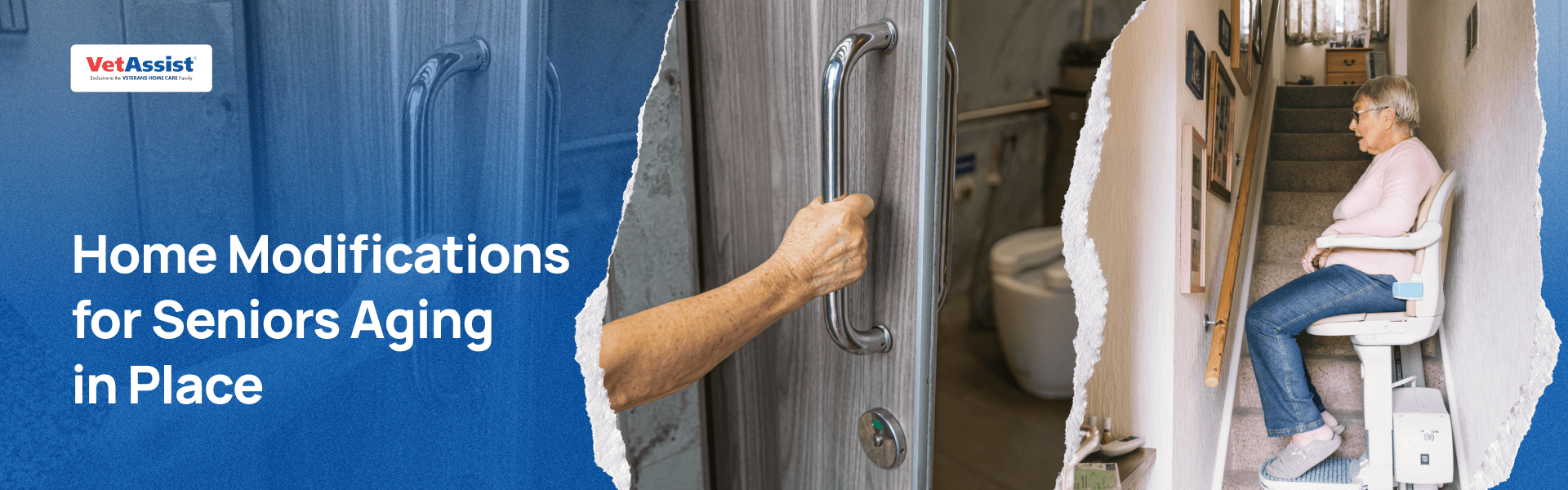
    With more seniors, including millions of aging Veterans, choosing to age in place, families should have a conversation about home safety modifications. Adaptations can be made to each part of the home to prevent falls and compensate for reduced vision, hearing, and mobility.

    Our population of American seniors is steadily growing, and consequently, aging-in-place solutions and products are becoming easier to find. Your loved one has more options, and your family can address relevant risks while helping your senior maintain their independence. What follows are some ideas for home modifications focused on preventing accidents and increasing comfort.

    Fall Prevention: Stairs, Steps, and Safe Flooring

    In the home, falls pose the greatest risk to your elderly loved one’s safety. Falls are responsible for many hospital readmissions, and seniors’ risk of falling increases steadily with age. For homes that have a few steps up to the front door, or between rooms in an open-plan house, consider installing a ramp with handrails. This is especially helpful for seniors who use an assistive device for walking, and is essential for wheelchair use. Another solution to prevent tripping is to add LED lights and/or brightly colored tape to steps, providing more visibility. (Learn more about common age-related vision loss (Learn more about common age-related vision loss here.)

    For safer stairways, look at handrails and nonslip surface covers. Remove runners that aren’t totally slip-proof, and add plenty of light, including motion-activated light. If there is a landing, add a chair where your loved one can take a rest partway through.

    For some seniors, a stairlift may be necessary; ensure they can operate it themselves and that it is properly maintained.

    One last tip, and this goes for the entire home: clear clutter! Make sure items (including decorative ones) are not cluttering stairs, floors, doorways, or anywhere else around the home.

    Floors and Doors

    Some more hazardous types of flooring include high-pile carpet (over half an inch), porcelain tile, marble tile, and old hardwood that has warped or separated. The key is avoiding slippery or uneven surfaces. Where the option is present to choose flooring, choose vinyl, linoleum, rubber, or low-pile carpet. To work with what you have, add low-profile, well-secured mats and rugs to minimize slip risk. Pay special attention to areas that might get wet, such as near sinks or doors leading outside.

    Consider widening doorways if your loved one uses a walker or wheelchair. The ADA recommends doorways be 32-48” wide. Doors with swing-clear hinges swing further open than standard hinges. Doors with lever-style handles are also easier to open for those with arthritis, versus twist-knobs.

    For doors leading outside, ensure locks work smoothly and that your senior is able to use them comfortably. They may also benefit from a doorbell camera that shows them who is at the door. A side benefit to the door camera is that, for seniors in the early stages of seniors in the early stages of dementia, it can notify loved ones when they have unexpectedly left the house. A front or back door with a keypad can also let you (or a neighbor or caregiver) enter with a code, in the event of an emergency.

    Bathroom Modifications for Senior Safety and Accessibility

    Most bathrooms are designed with features that can prove hazardous to seniors with reduced vision or mobility, including slick floors and shower-bathtubs that require stepping over. Add plenty of washable rugs to bathroom floors, fixed in place with velcro or grippers. Handles and bars should be added along walls, including in the shower and near the toilet.

    Comfort height toilet seats can be purchased that raise seated height so the senior does not have to bend as much. This is a less costly alternative to replacing the toilet.

    In the shower, replace the showerhead with a handheld type, and adjust the height so the senior does not have to reach. If layout allows, add a shower stool so the senior can sit.

    Light-sensing nightlights can be plugged into outlets in the bathroom and other rooms of the house so that it is never completely dark.

    Kitchen Safety Tips to Support Independent Living at Home

    As mentioned elsewhere, it is important to minimize trip hazards. Kitchens can be organized thoughtfully so that the senior does minimal (or no) bending down, reaching up, or climbing stepladders. Where possible, replace low cabinets with drawers for easier access to stored items. Pull-down shelves and Lazy Susans can also help with making kitchen items easier to reach. Similar to the doorknobs tip, D-handle cabinet pulls are easier to grip than a rounded knob. Your loved one may also benefit from a grabber that can reach spaces they cannot, such as the top shelf of a pantry.

    Regularly check and maintain appliances and plumbing. Induction stoves are safer than gas stoves. Make sure there’s a fire extinguisher, a working smoke alarm, and sprinklers in the kitchen. Check under the sink for any leaks and all over the kitchen for signs of water damage.

    If your senior’s refrigerator does not have an alarm, they can be purchased; this helps with preventing the door from being left open, damaging the appliance and its contents. If the fridge has a water dispenser, change the filter regularly. Check in with your loved one on whether they need assistance preparing healthy meals or buying groceries.

    Bedroom Comfort and Safety for Aging Seniors

    Also check on your senior’s comfort and safety getting into and out of bed. If appropriate, add a bed rail to prevent rolling off the bed during the night. Make sure bedding is warm enough during winter months.

    If their bedroom is on the second floor of their home, look at whether it can be moved to the ground floor instead, to lessen their need to climb the stairs.

    The bedroom is a common placement for a carbon monoxide alarm. If the home has more than one floor, ensure there is an alarm on each floor. This also applies to smoke alarms.

    Smart Home Technology That Helps Seniors Age in Place Safely

    Besides doorbell cameras, think about adding a voice assistant that can easily call you to chat—or call emergency services in the event of a household accident. These devices can also help your senior remember to take medications, to drink water, or to go to their appointments.

    Smart devices like locks and thermostats can be activated remotely, and smart lights and shades can be put on schedules so that your elderly loved one has one less task to remember at bedtime. Smart leak sensors can be put near the dishwasher, air conditioner, and other appliances to sound the alarm at the first sign of a leak.

    According to AARP, 91% of Veterans 45 and older say it’s important for them to stay in their homes if they need long-term care. Aging-in-place technology directly supports that goal. Smart home products are in demand, and new ones are coming out all the time to support a safe home for elderly users.

    VA Home Modification Grants That Can Help Veterans Age in Place

    Many Veterans are unaware that the VA offers specific grant programs to fund home modifications. In fact, an AARP survey found that 60% of Veterans 45 and older didn’t know VA provides grant funding for home modifications. Here are the key programs to know:

    HISA Grant (Home Improvements and Structural Alterations)

    The HISA benefit provides financial assistance for medically necessary home modifications — such as installing grab bars, ramps, roll-in showers, or widened doorways. Veterans with service-connected conditions may qualify for up to $6,800, and non-service-connected conditions may qualify for up to $2,000. A VA physician prescription is required. This is one of the most accessible grant options for aging Veterans who need home safety upgrades.

    SAH and SHA Grants

    The Specially Adapted Housing (SAH) grant and Special Housing Adaptation (SHA) grant are available to Veterans with more significant service-connected disabilities. For FY 2025, SAH grants can reach up to $121,812, while SHA grants offer up to $22,036 for adaptations such as ramps, doorway modifications, and accessible bathrooms.

    Aid and Attendance Benefit

    Beyond physical modifications, Veterans who need help with daily activities may qualify for the VA Pension with Aid and Attendance benefit — which can provide monthly, tax-free income to help cover the cost of in-home care. Veterans Home Care’s VetAssist® Program helps Veterans and their families check eligibility and navigate the application process at no cost.

    Talking to Your Senior about Home Safety Modifications

    It can sometimes be difficult to broach the subject of these modifications with an aging parent, as they might not see the need for such measures. Be sure to hear their concerns and let them understand what you see as the benefits of these modifications. Be wary of doing too much too soon, and if they are open to it, bring in an occupational therapist who can not only advise on household adaptations, but also on lifestyle and habits for continued independent living.

    If your loved one needs home care, our VetAssist mission is to make home care easily and quickly accessible for those who qualify through the VA Pension with Aid and Attendance benefit. Veterans Home Care can help you determine whether you or your loved one will be eligible to receive the benefit, which can cover some or all of the cost of home care, and we make it easy to apply. Chat with us via our website, or call us at (888) 314-6075.

    The post Home Modifications for Seniors Aging in Place appeared first on Veterans Home Care – VA Aid and Attendance Pension Benefit.

    This post was originally published on this site.

  • The Power of Storytelling to Honor Veteran Legacies

    The Power of Storytelling to Honor Veteran Legacies


    The Power of Storytelling to Honor Veteran Legacies

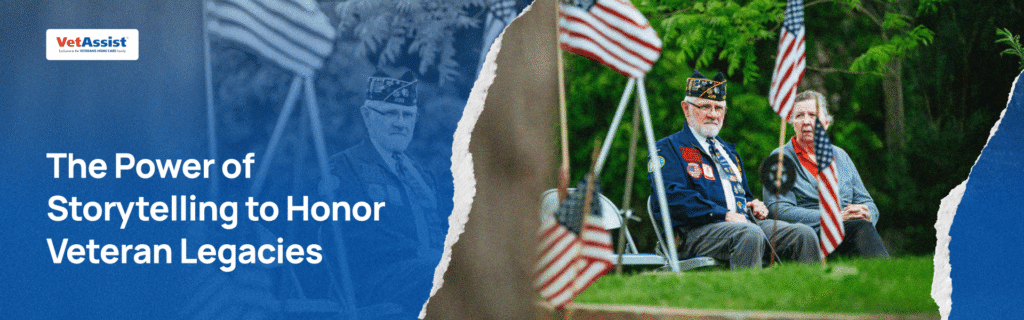
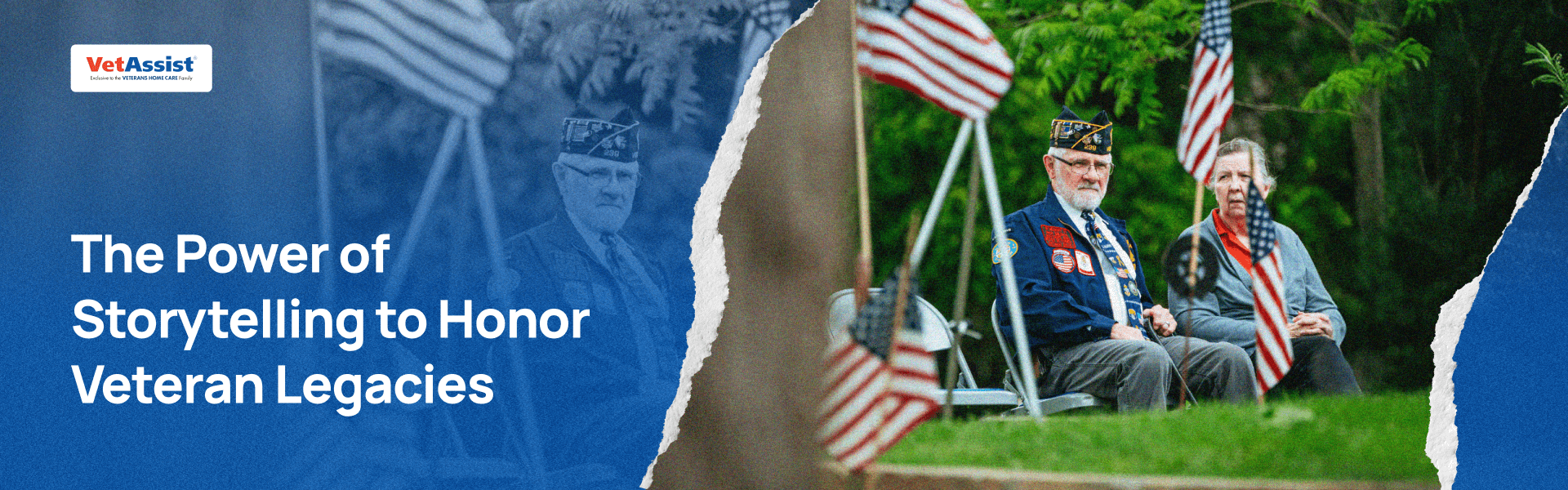
    Preserving family history is a gift to future generations. Anyone who has pored through their grandparents’ photo albums, recipe cards, or drawers full of vintage clothing gets to feel connected to a past that is a part of their story. For families of Veterans, this takes on additional significance: they get to feel connected to heroism, service, and significant events in human history.

    Memory-keeping is an important part of celebrating our veterans. This Veterans Day, consider ways you can honor your loved one’s legacy of service through preserving and sharing their story.

    Veteran Stories Remind Us of Who We Are

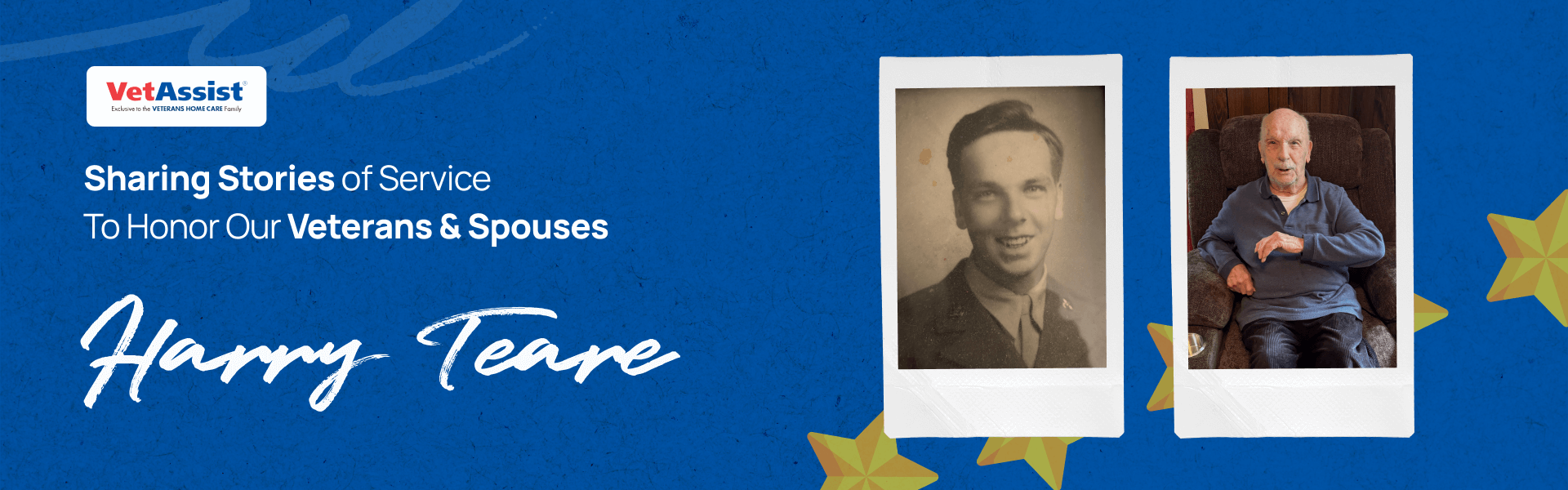
    Over the years, Veterans Home Care has interviewed many of our hero clients, their surviving spouses, and their adult children. (For examples, read Minnie’s story, Antoine’s, or Harry’s.) A common refrain is that the Veteran struggled to tell their story after they left active duty. This can stem from the intense and complex feelings around experiences, particularly in combat zones. PTSD is tragically widespread among Veterans, and families are often under-resourced in how to help their loved one process their experiences. Vietnam Veterans underwent particularly difficult transitions back to civilian life, and many still struggle with those memories.

    Storytelling is not a substitute for mental healthcare, but it is often part of accepting, learning, and moving forward. For families, storytelling can reveal sides of their loved one they have not otherwise witnessed. The immense courage, resilience, self-discipline, and wisdom of Veterans is worth more than they know to those close to them, and they can provide grounding examples to their grandchildren, great-grandchildren, and generations beyond. Those qualities build a better world; we need Veteran stories.

    Preserving Stories and Lessons

    Some Veterans (or their surviving spouses) are happy to be invited to share their stories. Collecting an oral history is a great way to record their memories. This may be accomplished with video, audio, or written media and makes a priceless heirloom for future generations who will better know where they came from.

    Veterans Home Care interviews our Veteran clients and their surviving spouses on an ongoing basis for our blog. If your loved one would like to participate and share their story with others, you can fill out this contact form.

    Some Veterans who are comfortable speaking publicly can also find local organizations eager to offer a platform; they speak to students, fellow Veterans, active duty personnel, and even employers interested in hiring more veterans. These kinds of opportunities can be found through your city government (including the chamber of commerce), local schools, Veteran organizations (like the American Legion, AMVETS, VFW, and others), or the Wounded Warrior Project.

    Other Veterans prefer to write those stories down. Veteran memoirs are treasures that can even be printed or published to share outside the family. At minimum, they become strong, personal ties to honored predecessors.

    Lastly, the Library of Congress collects firsthand accounts from Veterans in its Veterans History Project, where your loved one’s story becomes part of our nation’s preserved historical record. They also collect any artifacts Veteran families would like to donate. This is a wonderful project to browse, even if your loved one is not ready to participate.

    Veteran Tributes Beyond Stories

    Families can honor their Veterans through other ways that preserve their legacy and keep their memories alive for younger generations. Crafts and artwork are a great outlet for those who might not remember or be comfortable sharing many stories. Some ideas are:

    • Scrapbooking with photos, news cuttings, letters, and official documents (be sure not to alter or damage anything that might be needed for VA services; sometimes a photocopy is a good idea). Your loved one’s possessions can also be supplemented with public material (like articles) from the time period as a way to tell a fuller story to younger family members.
    • Preserving uniforms, patches, medals, name tags, and other artifacts in frames or shadowboxes. Get these out of the attic, and make sure they are displayed proudly and admired often!
    • Framing a map marked with all stations and dates during service. This can be expanded to include anecdotes or significant events, like the birth of a child on-base.
    • Making a time capsule for the years during which they served. It can include many of the objects mentioned above, as well as notes and recordings. Some Veterans might even have saved foreign currency that is no longer used, matchbooks, and similar items that would be delightful to find a decade from now!
    • Quilting with t-shirts, blankets, buttons, or other retained objects from service.

    Veterans who served more recently may find that they have more digital artifacts, such as photos. Printing digital media is a great way to keep it in view, rather than tucked away in computer or phone files.

    Does your loved one know about Honor Flights? Vietnam Veteran Steve can attest to his initial hesitation, but he and his fellow Veterans flying together that day in 2023 count it as a meaningful, fun experience that revived some of that military pride and camaraderie.

    And consider that beyond Veterans Day, we also mark Women Veterans Day, Vietnam Veterans Day, Memorial Day, Armed Forces Day, Military Spouse Appreciation Day, and other specially designated holidays that remind us of the sacrifices these heroes have made to protect and serve our country. Putting these holidays on your calendar can be a good prompt to reach out to Veterans in your circle, thank them, and invite them to share their stories.

    There are many ways to honor the Veterans in our spheres. Consider how you can make their stories visible, advocate for their rights, and thank them through recognition of their service. We love and honor our Veterans—not just once a year, but always!

    If your loved one needs home care, our VetAssist mission is to make home care easily and quickly accessible for those who qualify through the VA Pension with Aid and Attendance benefit. Veterans Home Care can help you determine whether you or your loved one will be eligible to receive the benefit, which can cover some or all of the cost of home care, and we make it easy to apply. Chat with us via our website, or call us at (888) 314-6075.

    The post The Power of Storytelling to Honor Veteran Legacies appeared first on Veterans Home Care – VA Aid and Attendance Pension Benefit.

    This post was originally published on this site.