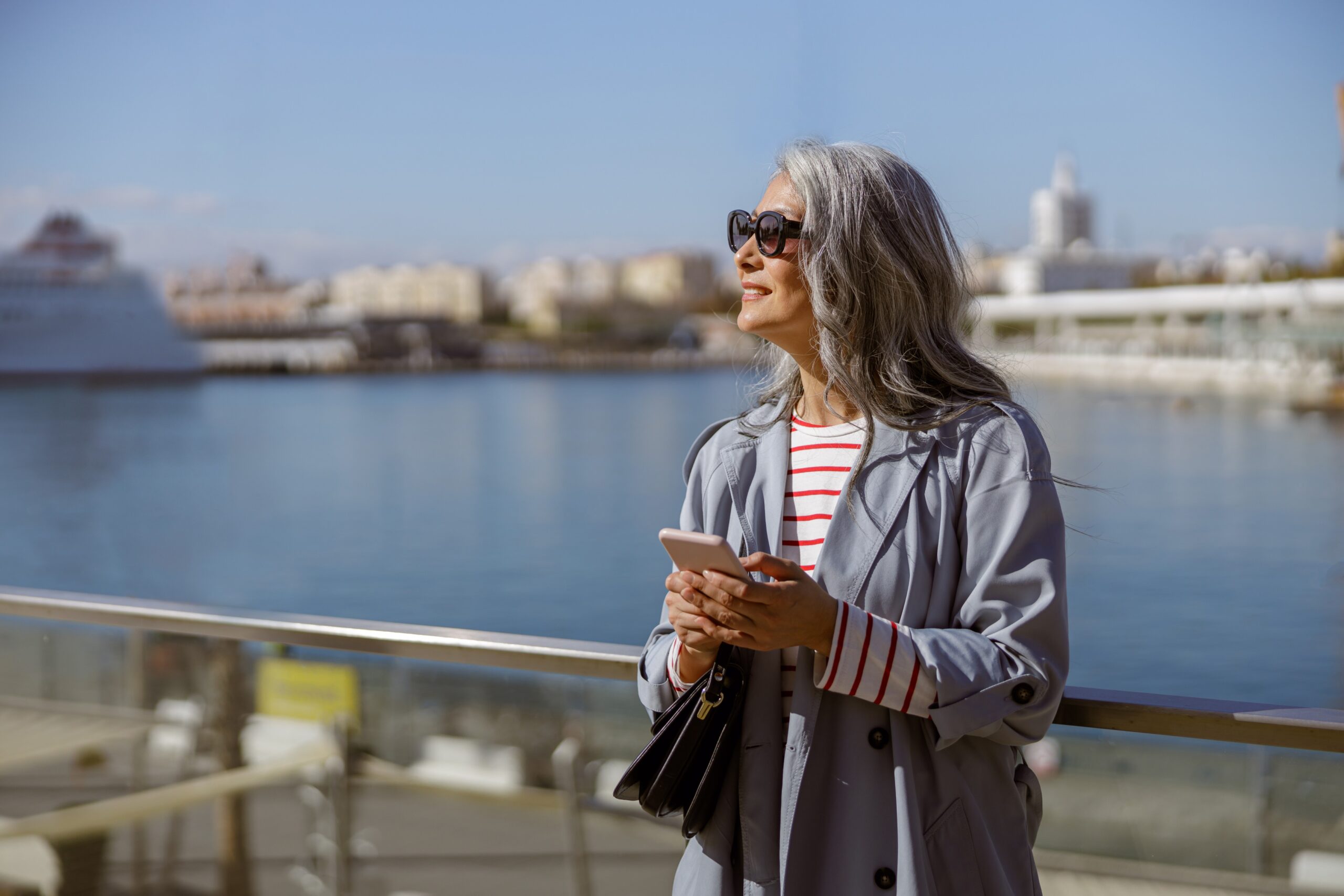

Featured image: Over 1.8 billion people have disabilties, both visible and invisible / Photo by angelsantana via Envato
Not all disabilities are visible
by Carolyn Ray
In June, I travelled with 86-year-old Diana Eden on an expedition cruise trip to a remote area of Iceland. While I easily climbed steep hills and towering waterfalls without too much effort, she had a significantly different experience.
“As recently as 10 years ago, I might have scampered up those rocky steps like a mountain goat, with never a thought of consequences,” says Eden, who is a healthy, active traveller. “However, the reality of being 86 is that one has to be far more cautious to continue to live well and travel well. Falls are one of the most important things to avoid, especially those of us of a certain age or with mobility challenges.”
When it comes to making travel more inclusive and accessible, physical mobility is just the most visible part of the iceberg. It’s estimated that 1.3 billion people (or 1 in 6 individuals) live with a disability, according to the World Health Organization (WHO). Yet while the word ‘disability’ evokes images of wheelchairs, walkers, ramps, grab bars and other mobility support devices, not all disabilities are visible. Eighty percent of those 1.3 billion people have invisible or non-visible, making accessibility in travel not just a ‘nice to have’, but an imperative.
“Being disabled is so nuanced and so diverse,” says accessibility advocate Tanzila Khan, who travels solo in a wheelchair. “We all experience some form of disability in our lives or have friends or family members with a disability – it’s not a foreign concept.”


What are ‘invisible disabilities’?
Just because we can’t see it, doesn’t mean a disability is not there. Because it is unseen and without being able to see an indicator, like a wheelchair or walker, people can dismiss the effects of a medical condition.
We all know someone with a disability. However, many are ‘invisible’ and include auditory, visual, cognitive or communication disabilities like blindness, colour vision, being deaf or hard of hearing, learning disabilities, neurodivergence (like ADHD or Autism), and intellectual or memory impairments. A hearing impairment also affects the choice of activities, restaurants, and hotels — too much noise or loud music makes many women uncomfortable.
“A hotel can have a wheelchair-accessible room and still be extremely difficult for an autistic guest because of a loud lobby, unpredictable housekeeping visits, poor communication or an inability to accommodate sensory needs,” says Alex Stratikis, Autism Adventures Abroad.
Shari Eberts, a hearing loss advocate, says that her hearing loss is most severe in the mid-range frequencies, so female voices are often easier to hear. When choosing a travel company, she chooses service providers carefully to ensure they have an understanding of her needs and can adapt. “It’s important to find the right service provider for people with hearing loss – people with the proper attitude, but also with the right manner of speaking for your specific hearing loss.”
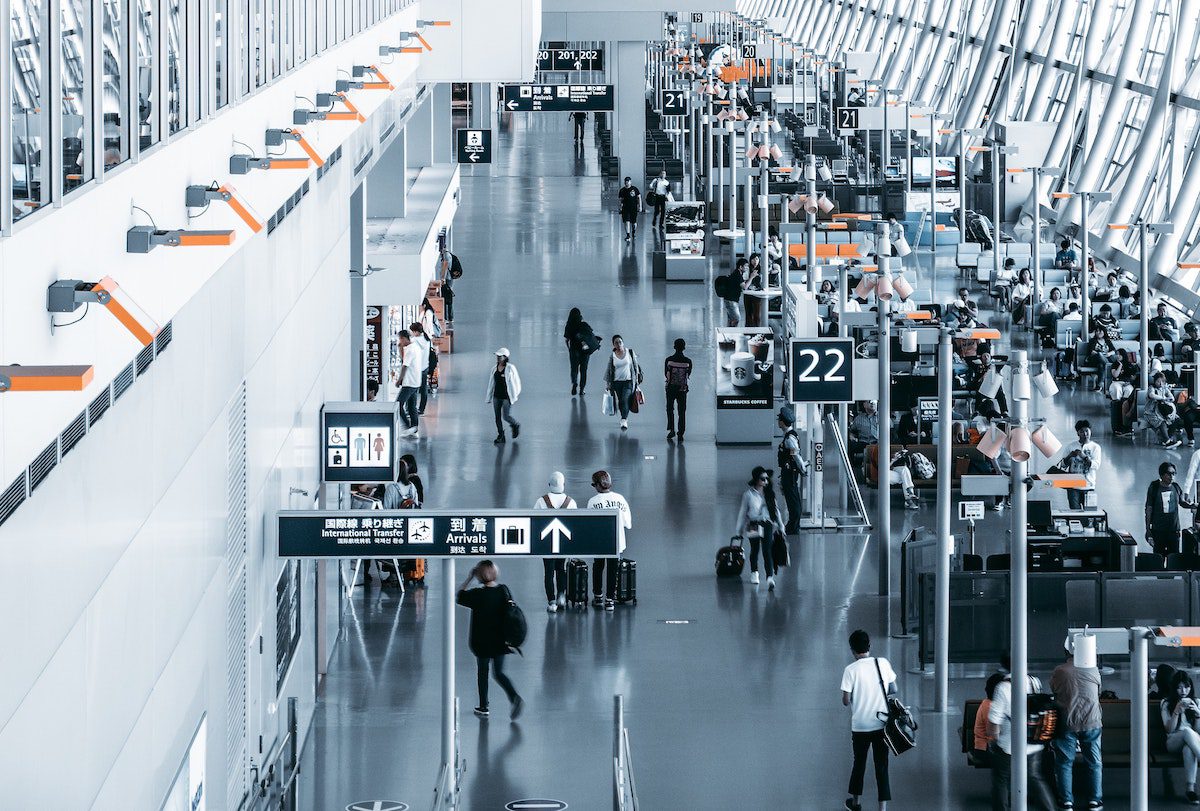
Airports can be a source of anxiety
JourneyWoman readers have shared stories of insensitivity at airports when people are asked to publicly remove take off clothing when wearing a prosthesis or not being provided with places to sit during long lines and security screening.
“Not all physical limitations are visible,” says Eden, who wrote about the increasing size of airports in 2023. “Many women have had knee or hip replacements, or spinal fusions. Some have COPD and get winded from the effort of walking long distances in airports amongst crowds. As airports get larger with multiple terminals and concourses, age-friendly airports seem to be becoming less common.”
Khan often experiences challenges travelling in a wheelchair, without a caregiver, from airlines.
“On a recent trip, I had to do a bit of a circus act to convince them I could lift myself out of my chair and use the bathroom,” Khan says. “Even today, if I’m getting on a flight, I am nervous till I’ve reached my destination because I don’t know if they’ve boarded my wheelchair or not.”
Expanding our understanding of disabilities
Mike Walsh, founder of the 501(c)(3) non-profit Blind Travel Foundation, says one of his goals is to help the general public understand that blindness is a spectrum. “Most legally blind people are not completely blind,” he says. “Education leads to real change.”
The Blind Travel Foundation has awarded twelve $10,000 travel grants to blind and visually impaired travellers and their teams for projects that benefit the blind and visually impaired community, ranging from athletics and art to history and donating canes overseas.
“Those projects have also built a library of content across our website and social channels that serves the blind community,” Walsh says. “Our last grant round drew more than 200 applications, and our reach keeps growing.”
Autism Adventures Abroad focuses specifically on making travel more accessible for autistic and otherwise neurodivergent travellers. He feels that many organizations are improving their work with travellers on the autism spectrum and people with sensory needs.
“Events are thinking more intentionally about sensory spaces, breaks, and different ways for people to feel like they belong and can engage effectively. ”Accessibility is about the whole experience, not just whether someone can physically enter a building.”
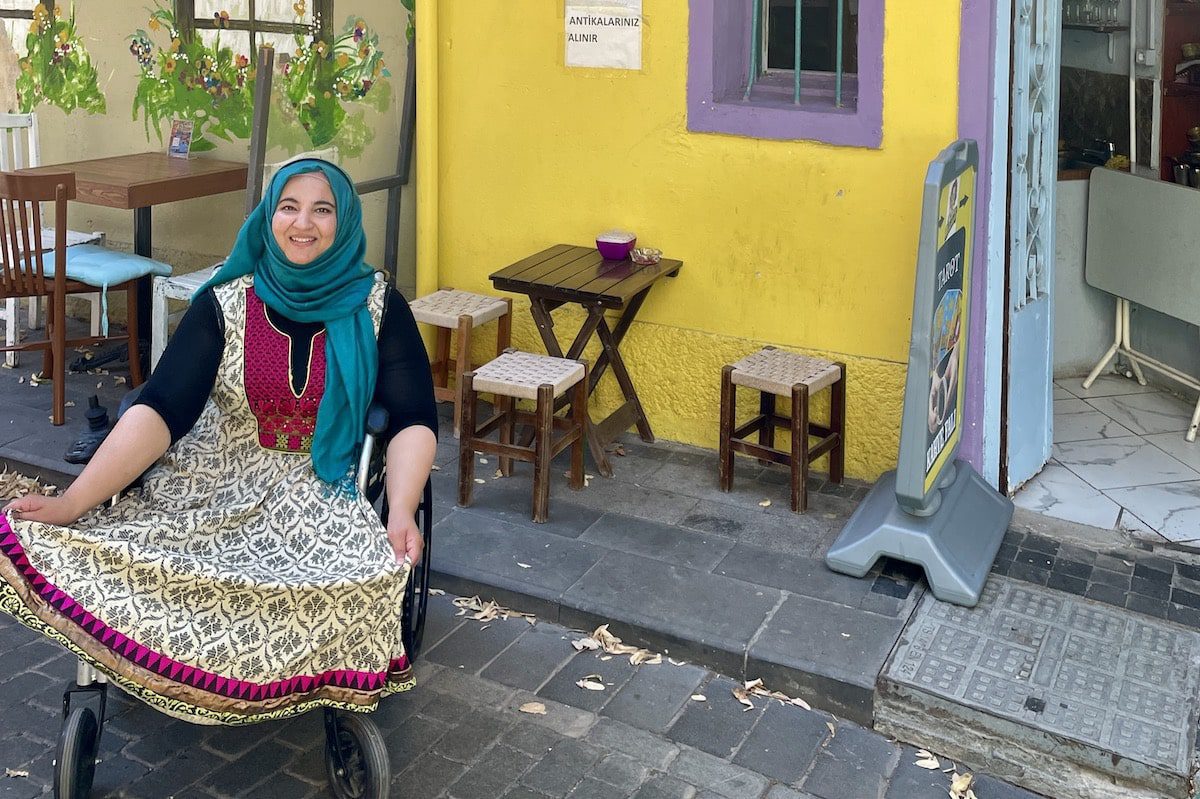
Tanzila Khan in Istanbul/ Credit Tanzila Khan
What can be done to improve accessibility
Khan says that many companies need to have a place to invite accessibility related comments.
“Disabled passengers, to be honest, do not have a place to complain,” she says. “I don’t always have that psychological safety that my rights are going to be taken into consideration and I often feel like the onus is on me to find the person I can talk to. Airlines can break your wheels and get away with it. You just have to go through the regular form to convey your message.”
However, Khan thinks the increase in traveller demand will put pressure on the travel industry to pay more attention to accessibility.
“Demand is so high and supply is so little across the entire ecosystem,” Khan says. “I would like to see companies be transparent about where they are on disability, and have a section on their site inviting participation, specifically on disabilities.”
“Travel can be made dramatically easier for an autistic person when they know what to expect, but information about sensory environments, queues, crowds, noise, lighting, procedures and potential changes is often either unavailable or too vague to be useful,” says Autism Adventures Abroad’s Stratikis.
How can travel be easier for those with disabilities
Roni Weiss is founder of Travel Unity, a U.S.-based non-profit that seeks to make travel welcoming to people of all backgrounds and abilities. He agrees that there’s work to be done closing the gap between marketing and implementation.
“The travel industry is often much better at marketing that something is welcoming than operationalizing it, let alone holding itself accountable for the actual traveller experience,” Weiss says. “Many organizations are willing to say that everyone is welcome. Far fewer have examined whether that promise is dependably in their policies, facilities, communications, technology, workforce, partnerships, and customer service.”
“Organizations also need to look back consistently at what they set out to do and determine whether they are actually meeting their goals,” Weiss says. “If you solicit feedback but do not use it or make commitments without measuring whether the traveller experience has actually changed, you are making promises that your experiences are not delivering on.”
In the end experts say, accessibility is about those with disabilities being involved with the development of products and services.
“I’d like to see more autistic people involved in the development of accessible tourism, says Stratikis. “Too often, accessibility is designed for disabled people without actually involving them.”
“The businesses that tend to impress me most are not necessarily those with the biggest accessibility statements,” Stratikis says. “They are the ones willing to have a conversation, listen to individual experiences and make practical changes. Sometimes something as simple as explaining exactly what a traveller can expect can make a huge difference.”
Eliana Mason Young (L) and Marybai Huking (R), grant winners from the Blind Travel Foundation’s first cohort in 2023. / Photo by Blind Travel Foundation
What women can do
- Be as specific as possible about your needs upfront when booking travel, recommends Shari Eberts, a hearing loss advocate and author of Hear & Beyond: Live Skillfully with Hearing Loss. She recommends a prep call with travel companies and guides to ensure there is an understanding and mindset to offer proactive ideas.
- Airports: Plan ahead for airports and research policies and procedures to make travel easier. Look into getting a portable seating device that will pass security. Board early, even if your handicap is not visible. — Diana Eden
- Tours: Talk to travel agents about educating themselves about these needs and what facilities are available in the itineraries they are planning. Talk to tour companies to help them learn about challenges in transport, hotels, and local places of interest. Also ask if they hire disabled staff. – Tanzila Khan
SHARE YOUR EXPERIENCES: This is just the start of our coverage of accessible travel and we’d like to hear from you. Do you have a story or advice to share? What products do you use to make travel more comfortable? What travel companies do you (or don’t you) recommend and why?
JOIN OUR ZOOM CALL: Let’s talk live: We’re restarting our “Limitless Accessibility” calls: Join us on Wednesday, August 26 at 2 pm ET/8 pm CEST. Sign up here and we’ll send you a link to participate.


The post Navigating Travel With a Disability: Unique Challenges for Older Women appeared first on JourneyWoman.