
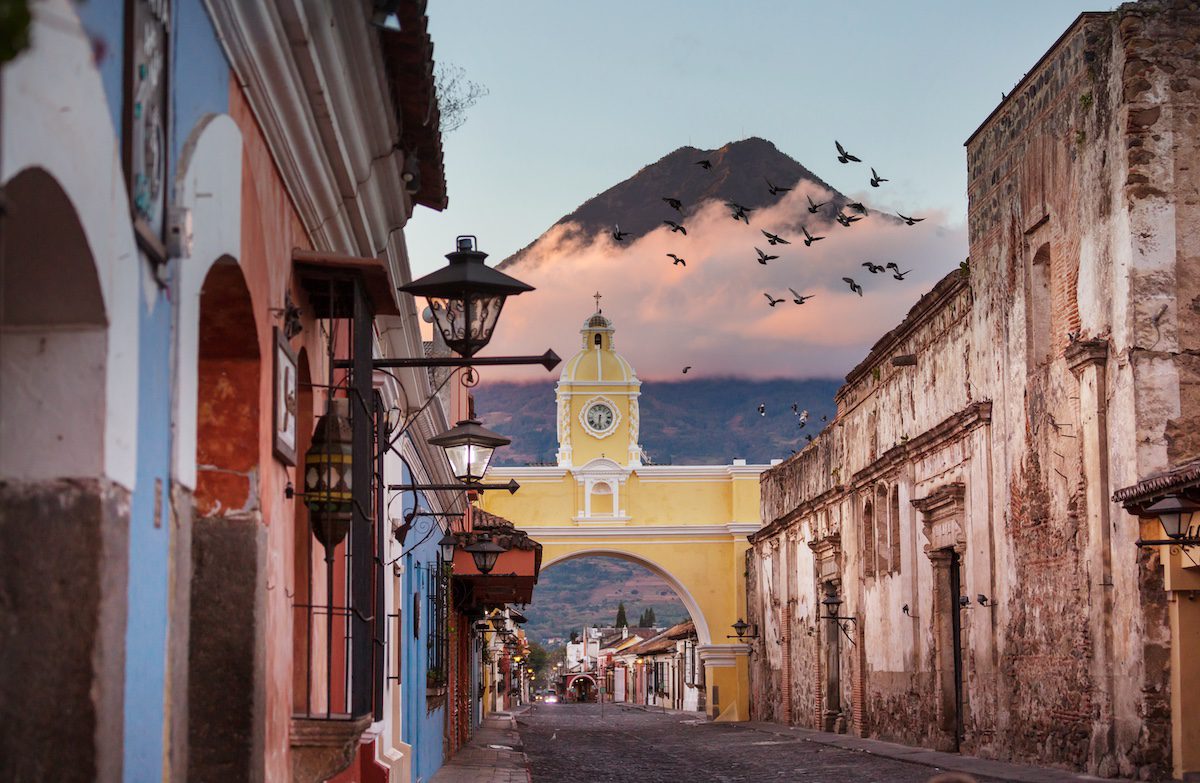
Featured image: On a sober retreat in Antigua, Guatemala, Teresa Bergen was able to connect with herself and the charming city | Photo by Galyna_Andrushko on Envato
Visiting Guatemala on an Antigua 12 sober retreat
by Teresa Bergen
What would you do if you had a gorgeous villa complete with a pool and flowering gardens in the UNESCO heritage site of Antigua, Guatemala? If you’re Philippa Myers, a British psychotherapist and travel professional, you open it up to people who are recovering from and affected by addiction.
Last fall I went on one of Philippa’s first Antigua 12 retreats for people in addiction recovery. Our group of ten included Americans, a Canadian and a couple of Guatemalans. We ranged from our twenties to our late fifties, with sobriety from a few months to a few decades. Al Updike, an addiction specialist at Hazelden Betty Ford in Minnesota, led the retreat. Together, they hosted a phenomenal week based on the 12 steps.
Get stories just like this one delivered straight to your inbox. Join the newsletter here.
Antigua 12 offers three kinds of retreats: general addiction recovery, LGBTQ people in recovery, and family members of addicts. Philippa’s specialty is families. I was impressed that the retreat balanced healing and self-reflective time—group discussions on self-growth topics, yoga, meditation—with the cultural and adventurous things people come to Antigua to do. Our morning sharing sessions quickly bonded us and made our sightseeing much more meaningful. It was a good mix of the therapeutic and the fun.
Antigua’s charms
After leaving university in 1992, Philippa didn’t want to join the rat race in London. “I had no idea what I wanted to do in life,” she said. She travelled with a boyfriend for six months from Mexico to Panama. They split up and she came to Antigua towards the end of Guatemala’s 36-year civil war. She helped found a secondhand bookstore in Antigua. This evolved into a café with live music, then a restaurant and eventually a travel agency.
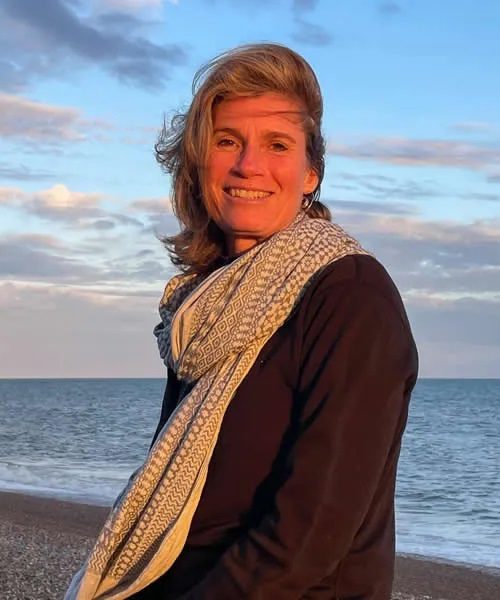
While her business grew, so did her dependence on drinking. “I could quit, but I couldn’t stay quit,” she said. After a few years of struggling, she went to rehab in 2006 and has been alcohol-free since.
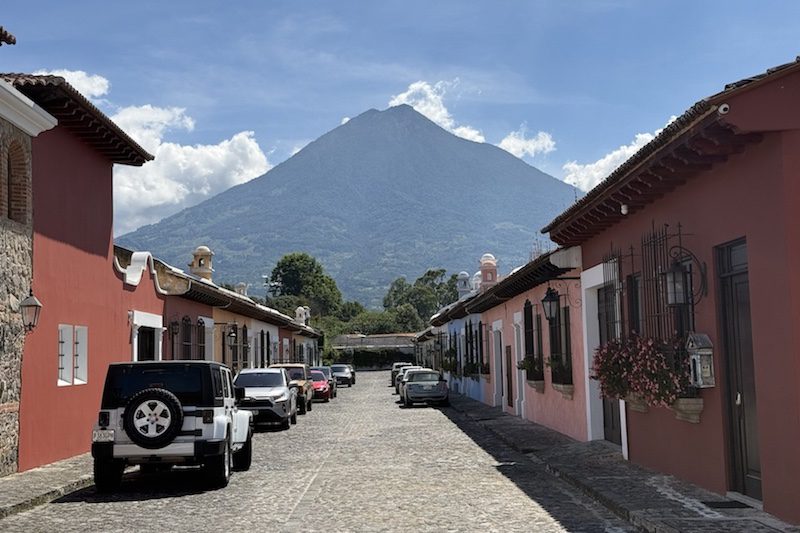
No wonder Antigua captured Philippa and didn’t let go. It’s a beautifully preserved city dating back to 1543. Buildings are painted orange, ochre, cream, earthy reds and blue, and streets are cobblestone.
My first day in Antigua, I walked the short distance from Philippa’s villa to Parque Central, the main square. Women wear gorgeously embroidered skirts and tops. Ice cream vendors tow their goods in wheeled freezers shaped like miniature fire engines and school buses, while hat sellers stroll around with 20 hats stacked on their heads. Follow the scent of chocolate to the ChocoMuseo, right on the square, where you can take an artisan chocolate-making class, which we did on our second day.
Everywhere you look in Antigua, there are churches and ruins. More than a dozen major earthquakes have hit the city since its founding, plus hundreds of smaller ones. While Agua Volcano, which towers over the gated community encompassing Philippa’s villa, is dormant, we saw steam coming out of nearby Fuego.
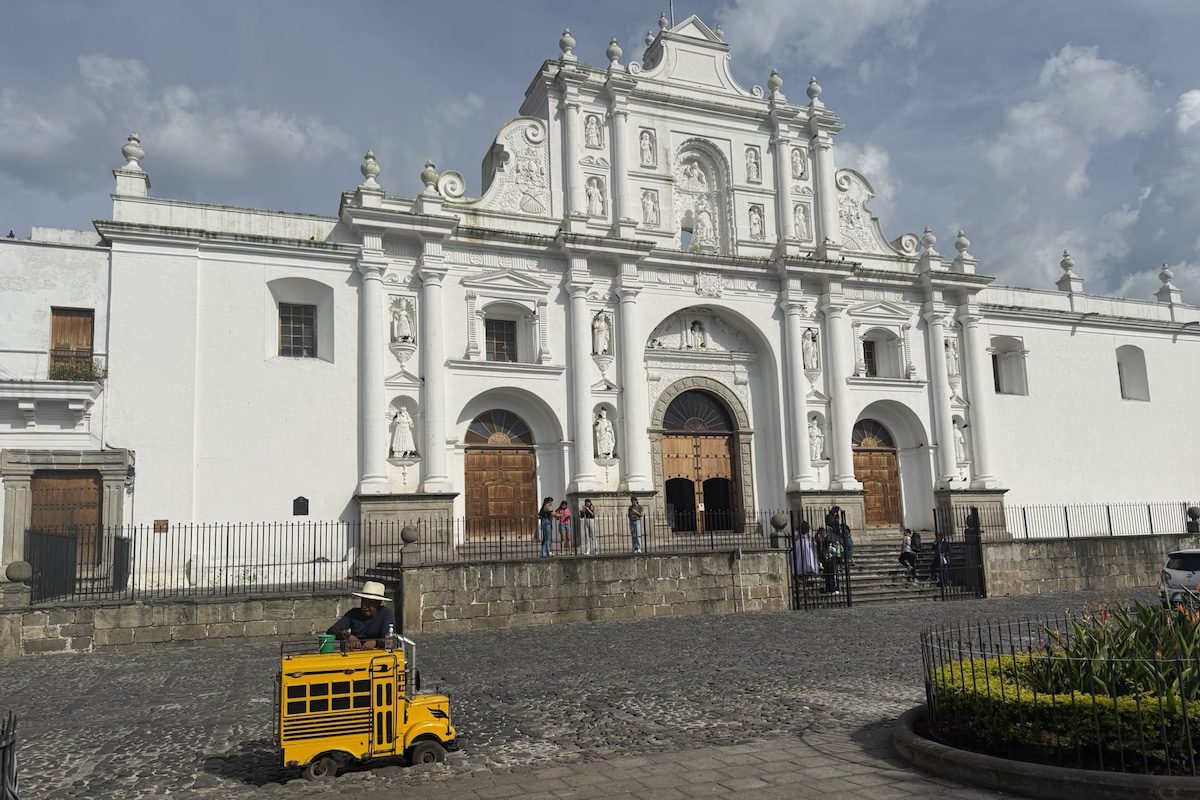
The Catedral de San José in Antigua with an ice cream vendor in front / Photo by Teresa Bergen
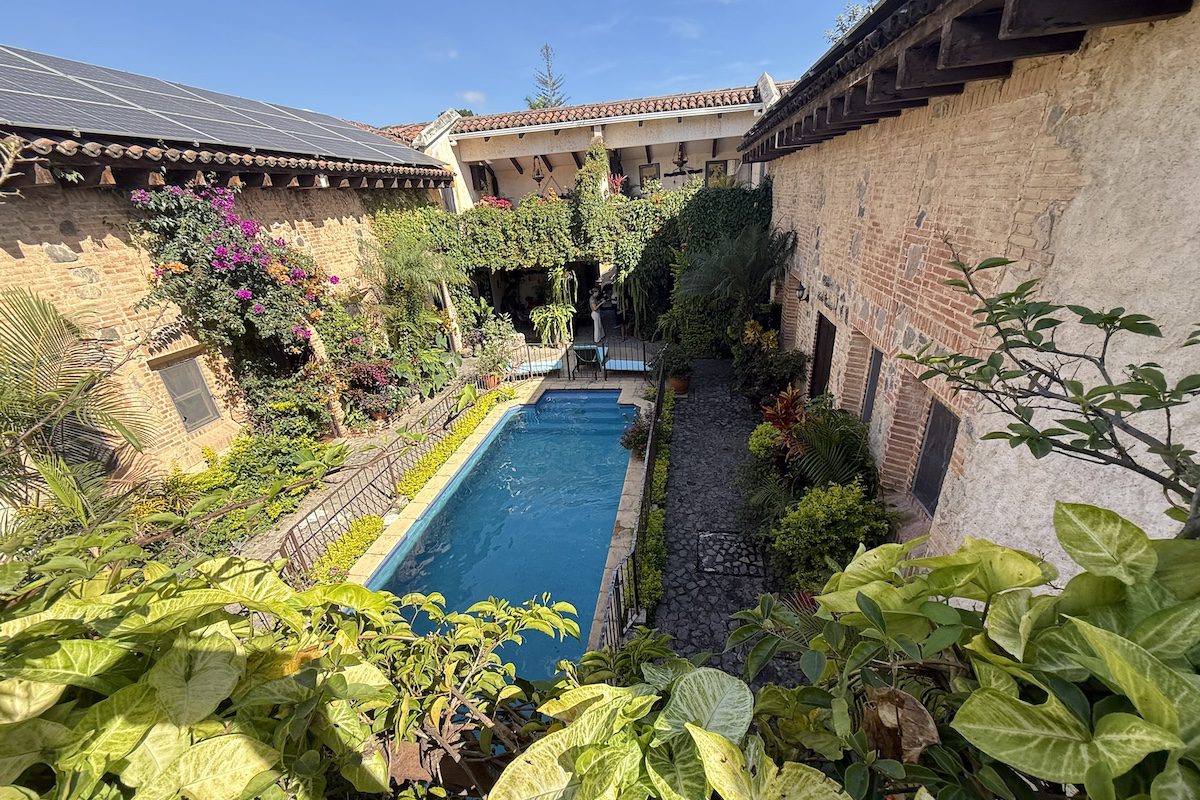
Philippa’s gorgeous villa / Photo by Teresa Bergen
Mayan spirituality in Antigua
One morning we got up early and rode a small bus to Iximcheʼ, between Antigua and Lake Atitlán. This was an urban center from 1250-1525. The pyramids today are covered with grass—we even saw a man with a weed whacker on top of one.
We walked to a private grassy area where a shaman named Tomas had prepared a fire ceremony for us. Quickly we transcended the awkwardness of participating in somebody else’s spiritual practice and got into the groove. We sat in a circle while Tomas blessed us with incense and a large feather and breathed tobacco smoke over our heads. It was a beautiful and moving ceremony designed to help us feel strong, centred, and content in the present. “Do not think of the future anymore,” Tomas instructed. “We are in the future already. This is the future. So enjoy life.”
Another day, we saw a different aspect of Mayan spirituality at a shrine to Maximón in San Andrés Itzapa. Tour guide Fidencio Cardona tried to explain this drinking, cigar-smoking folk saint depicted as a mustachioed man in black hat and suit. Maximón operates outside the usual system of good and evil and appeals to many marginalized groups, including addicts, sex workers, migrants and Indigenous Mayans.
Inside the shrine, people smoked cigarettes and drank beer as they lit candles. We waited in line to make our private requests to a large statue of Maximón in the front of the room. When it was my turn, I heeded Fidencio’s advice: “We have to think very well what we say, what we request, and especially what we promise. Because a promise is a promise.”
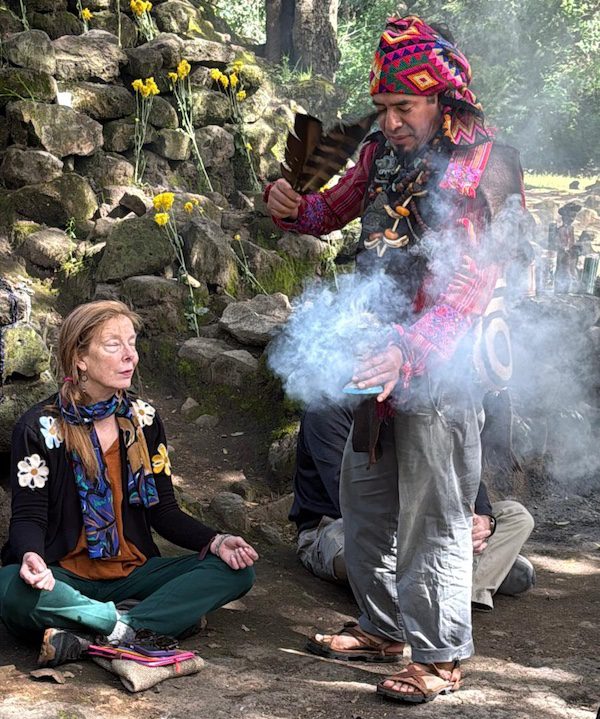
Mayan fire ceremony / Photo provided by Teresa Bergen
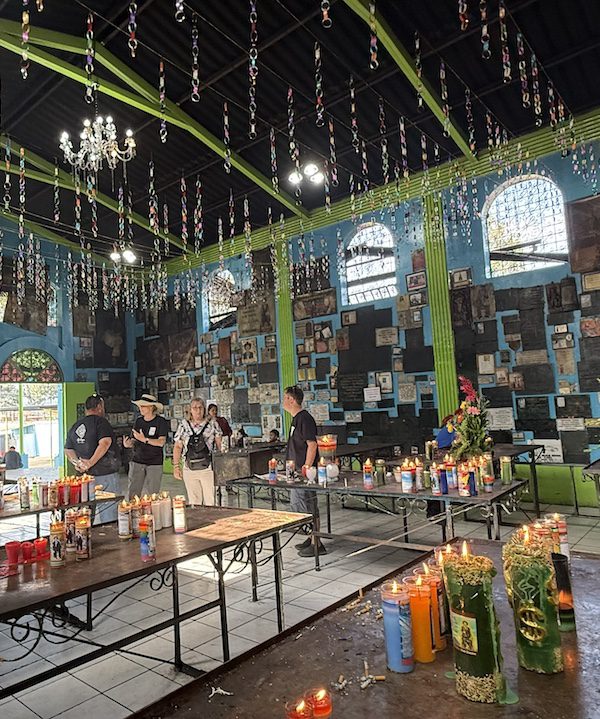
Inside the Maximon shrine / Photo by Teresa Bergen
Giving back on a sober retreat in Antigua
While Philippa wants to introduce Guatemala’s beauty to foreigners, her retreats have an ulterior motive: using those foreign dollars to help local people. For every retreat night, Philippa uses part of the trip cost to fund a week of schooling for a Mayan kid. She’s also building a fund to help local people suffering from addiction find recovery.
During my week in Antigua, our group volunteered with El Amor de Patricia, one of Philippa’s favourite nonprofits. We bumped along dirt roads to a Mayan village called San José Yalú. It was a humble village with rough concrete and metal houses, and spectacular views of steep hills with patches of farmland.
A group of us crowded into the one-room home of Maria Franscisca, a single mom with four kids ranging from nine months to 13 years. There we assembled a bunk bed from a kit. The kids immediately climbed on, excited about beds complete with new sheets and comforters.
Magalee Canal, who was born in San José Yalú, is the local intermediary between the Bunk Bed Project and her community. “It’s a big change because the kids, they normally sleep on the floor,” she told me. The project also builds bunk beds for elderly people. Magalee’s big dream is for a nice children’s playground.
We also visited Maya Pedal, just around the corner from the Maximón shrine. This organization turns donated bikes into pedal-powered machines that pump water from the ground, grind grain, and wash clothes. Perfect for places where electricity isn’t available.
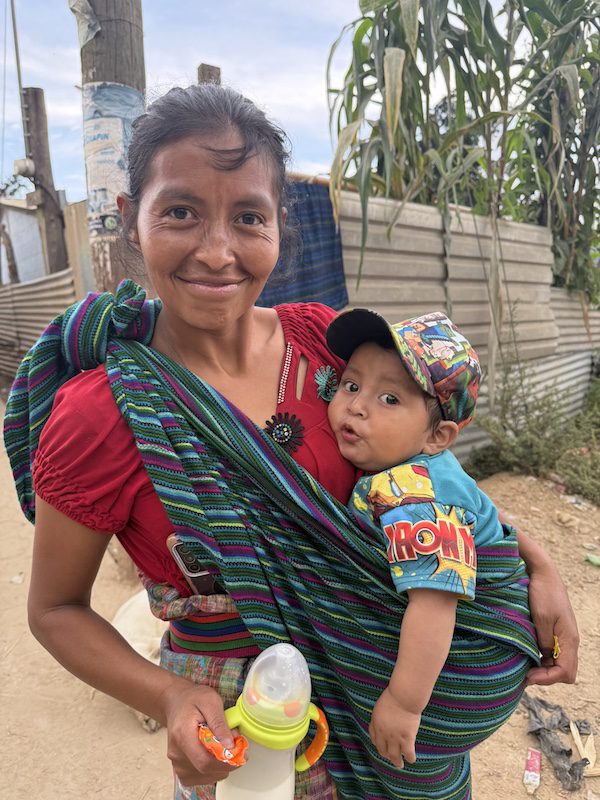
Magalee Canal of San José Yalú / Photo provided by Teresa Bergen
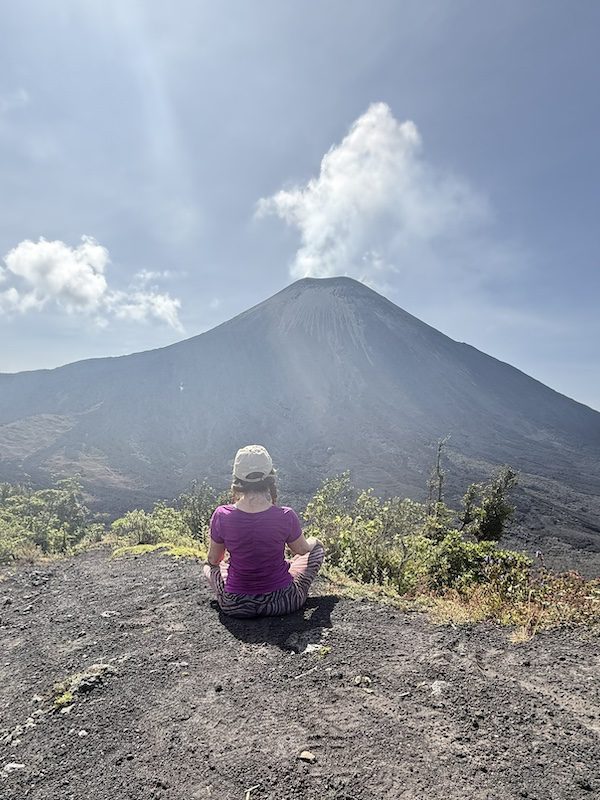
Taking a break during the Pacaya Volcano hike / Photo by Teresa Bergen
Ready for a sober retreat in Guatemala?
Philippa arranges transportation to and from the Guatemala City Airport. The retreats are luxurious, with your own private room and home-cooked meals served in the villa dining room. Tours and some restaurant meals are included. The cost runs around $3,000 USD. Two scholarships are available per trip for people who pay 25% of the regular cost.
Philippa’s goal is clearly service over profit. “We want to bring people together,” she said. “I think that connection is key to having a happy and productive life. We want people to return at peace again, feeling that they can contribute, and feeling grateful to be able to go home feeling really fulfilled.”
Make it happen
When to go: Guatemala is a year-round destination, with a dry season and high season.
How to get to Guatemala: Fly to La Aurora International Airport (GUA) with direct flights from major hubs in the United States, Canada, and the United Kingdom. Check flights here.
Where to stay in Guatemala: There are so many beautiful hotels in Guatemala. To look for hotels recommended by women, click here or check Booking.com.
Disclaimer: Our talented writers are often invited by hotels and travel companies to experience places like this firsthand so that they can share them with you. Teresa Bergen was a guest of Antigua 21 but was not compensated for her time spent researching, planning and writing this feature, nor was JourneyWoman for publishing it. In addition, the host organizations did not review this article before it was published, a practice that allows the writer to express her perspective with integrity and candor.
Editor’s note: Antigua 21 is not a vetted member of our Women’s Travel Directory.

The post A Sober Travel Retreat in Guatemala: Balancing Reflection, Adventure and Giving Back appeared first on JourneyWoman.