
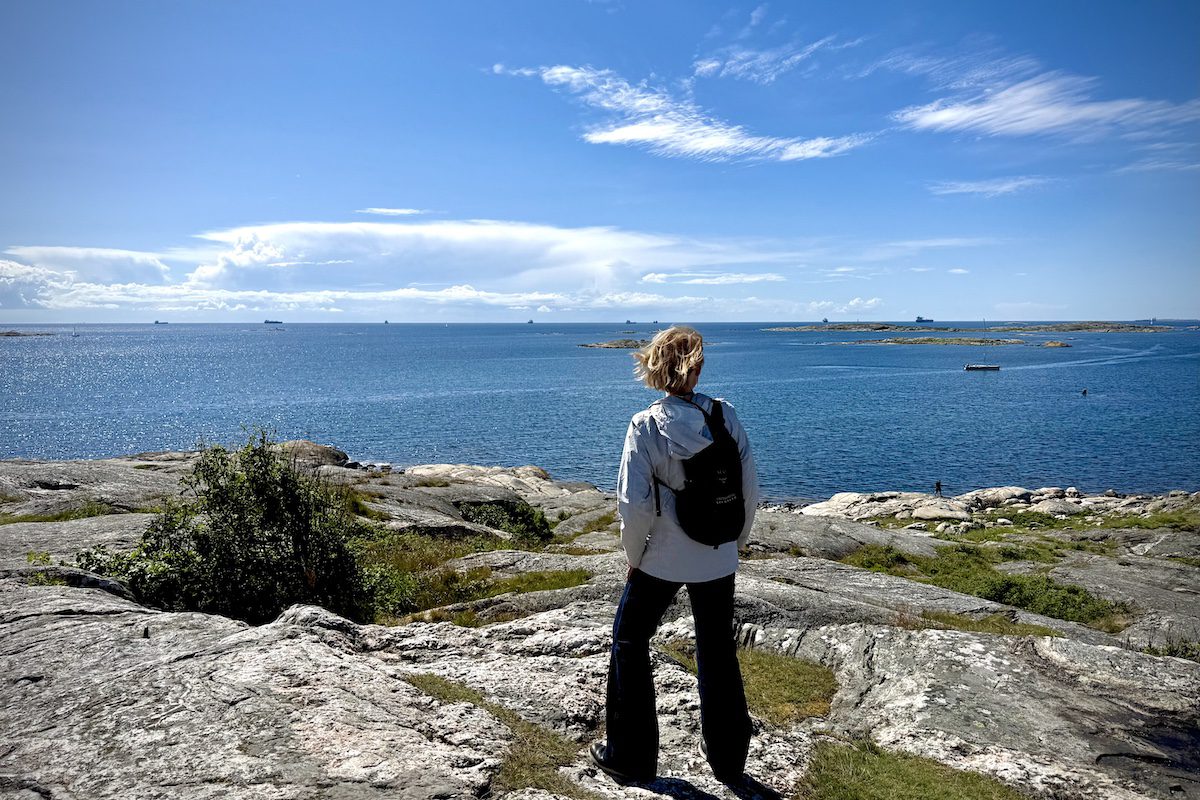
Featured image: Taking in the view from Vrångö’s historic pilot lookout while experiencing solo travel in Sweden | Photo by Sharon Kurtz
Should Stockholm and Gothenburg be your first solo trip?
by Sharon Kurtz
I knew Sweden was working for me as a solo destination when I realized how little energy I was spending figuring things out. Travelling alone let me linger over a conversation or change direction when something looked inviting. Trains, trams and ferries connected easily. Directions were clear. English was widely understood. Solo dining felt normal, and people generally respected personal space while still being willing to help when needed.
I wasn’t trying to prove that I could do it. I was simply doing it — moving through Sweden confidently, following my curiosity and experiencing the country on my own terms. For women considering a first solo journey to Europe, that combination of safety and ease can be as important as the destination itself.
In Stockholm, I walked between waterfront neighbourhoods, hopped on ferries and explored museums on my own. Days later in Gothenburg, on Sweden’s west coast, I boarded trams without hesitation and took a public ferry to the car-free islands of the southern archipelago with little more than a daypack and transit pass. What connected those experiences wasn’t simply that I felt safe. It was the freedom of moving independently without constantly worrying about transportation, language or whether I belonged there alone.
It remarkably easy to settle into my own rhythm.
Get stories just like this one delivered straight to your inbox. Join our mailing list here.
Why Sweden works for solo women
Sweden gave me something I increasingly appreciate when travelling alone: ease.
Public transportation was straightforward enough that I rarely had to spend much time figuring out how to get from one place to the next. Walking was part of everyday life, and no one seemed to think twice about a woman dining alone, visiting a museum by herself or boarding a ferry with only a daypack.
I still followed the basic precautions I use anywhere — keeping track of my belongings, knowing how I planned to get back to my hotel and staying aware in busy transit areas. No destination is completely without risk.
But I rarely felt I had to be on high alert. That left more time for what I had come to Sweden to experience: history, food, nature and the pleasure of setting my own pace.
What to see in Stockholm: Islands, history and museums
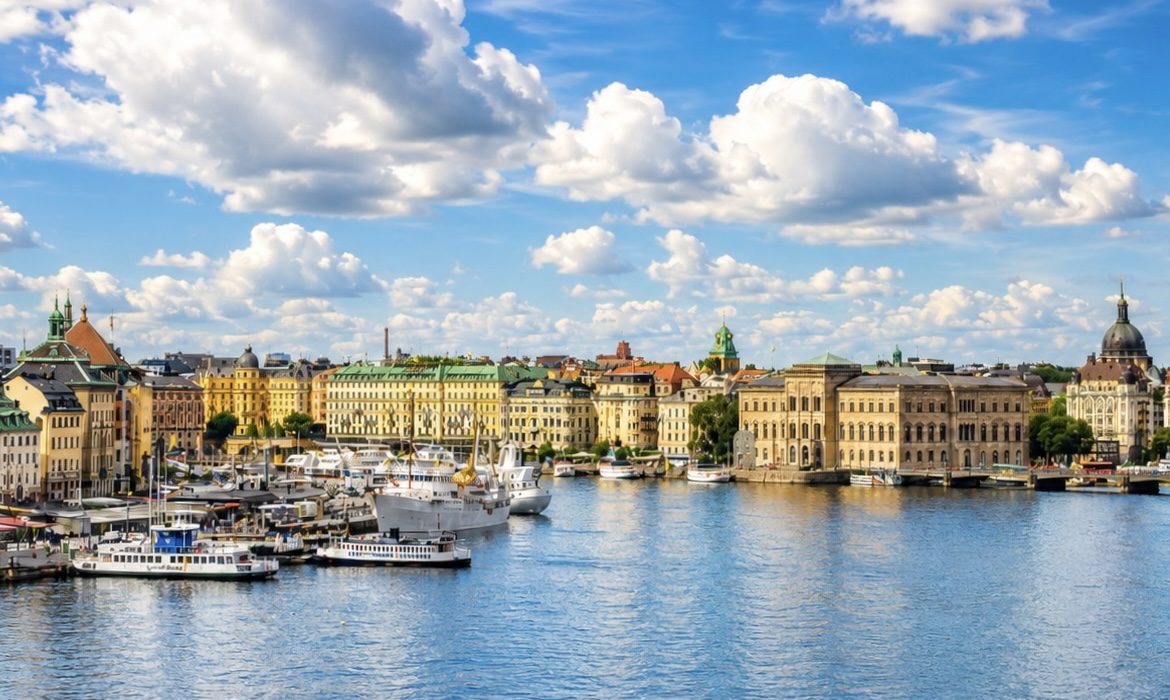
Stockholm is built across 14 islands, which explains why water seems to appear around almost every corner. Ferries crisscross the harbour, bridges connect neighbourhoods, and historic buildings rise along the shoreline.
My home base was Hotel Skeppsholmen, set on the quiet island of Skeppsholmen in the middle of the city. It felt almost like a retreat while still keeping Stockholm’s museums, historic centre and waterfront neighbourhoods within easy reach.
I wandered the cobblestone streets of Gamla Stan, Stockholm’s Old Town, then crossed the water to Djurgården, home to some of the city’s best-known museums and attractions.
At the Vasa Museum, I stood before the remarkably preserved 17th-century warship that sank on its maiden voyage. Nearby, the Nordic Museum offered a deeper look at Swedish culture and everyday life.
Then there is the ABBA Museum, an entirely different kind of Swedish history. Even women who aren’t devoted fans will recognize the music, costumes and cultural impact of one of Sweden’s most famous exports.
I was also fortunate to be in Stockholm during Midsummer, when Skansen was filled with flowers, music and traditional celebrations. Joining the festivities alone didn’t feel isolating. It felt like being invited into one of Sweden’s most beloved traditions.
Stockholm had the energy of a European capital, but its islands, green spaces and waterfront paths kept it from feeling overwhelming.
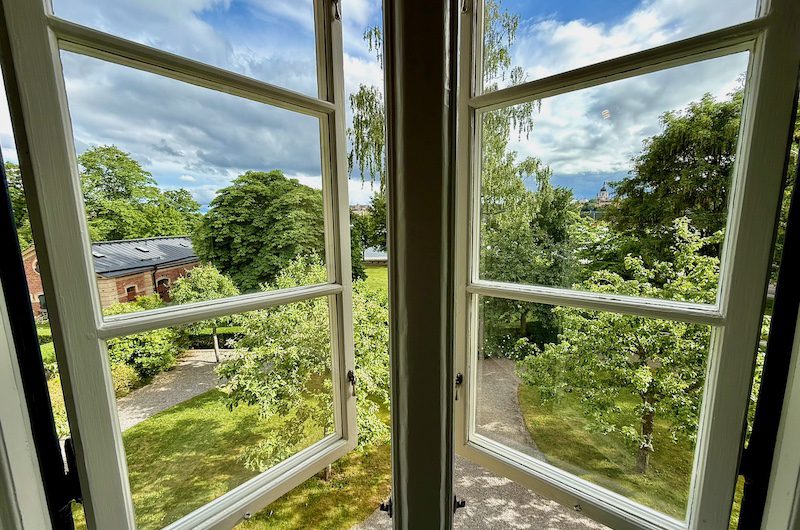
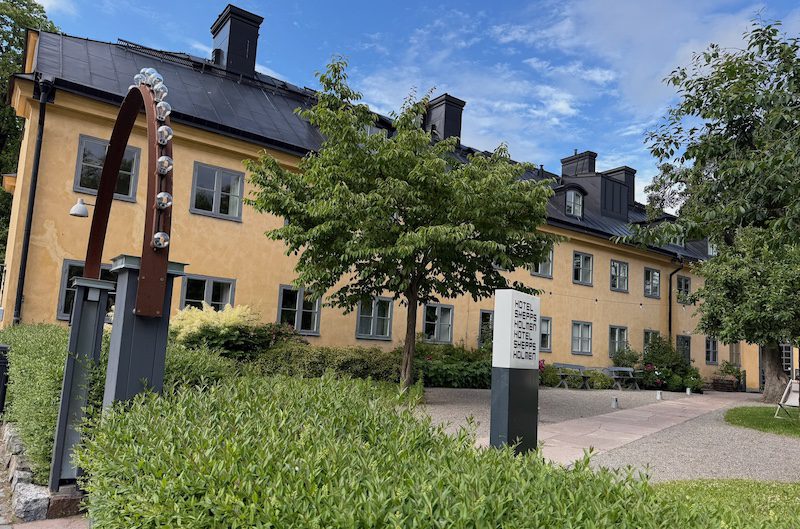
Hotel Skeppsholmen, a quiet island setting in central Stockholm / Photo by Sharon Kurtz

What to do in Gothenburg: Explore at a slower pace
After Stockholm, Gothenburg felt noticeably more relaxed.
The centrally located Avalon Hotel became my base, putting cafés, museums, shopping streets and tram stops within easy walking distance.
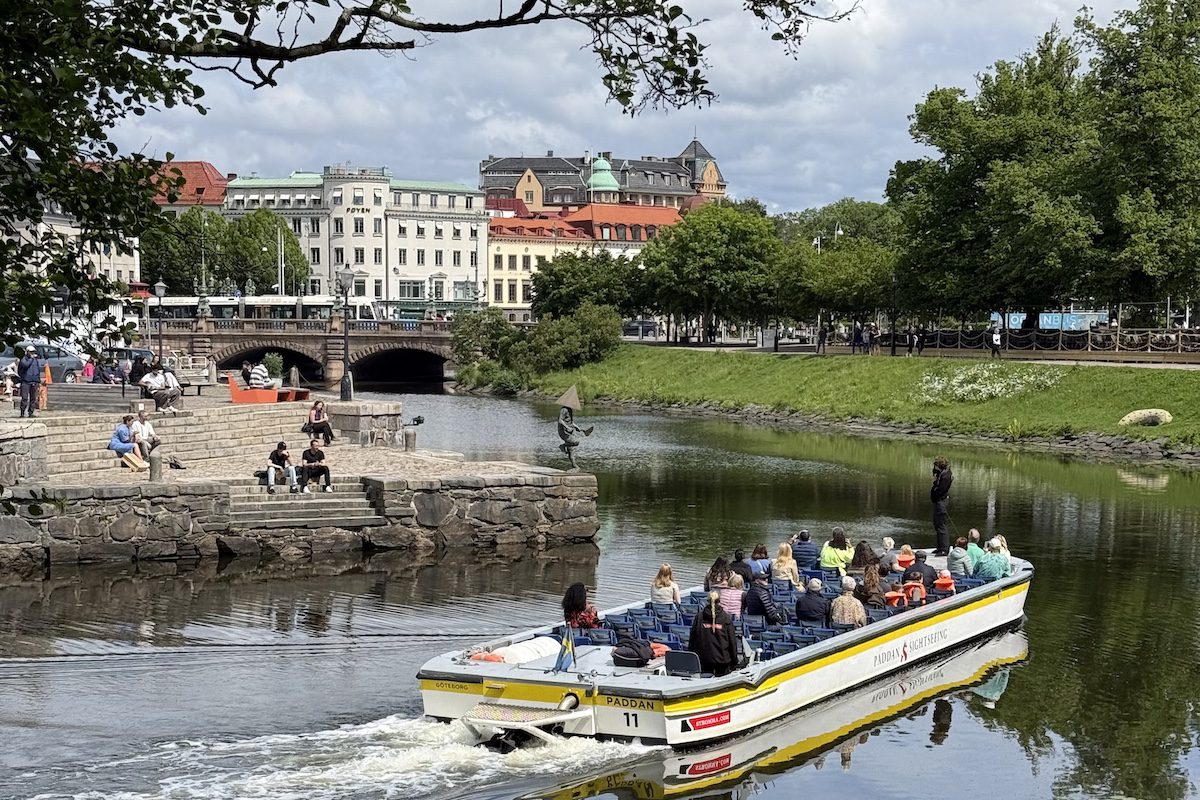
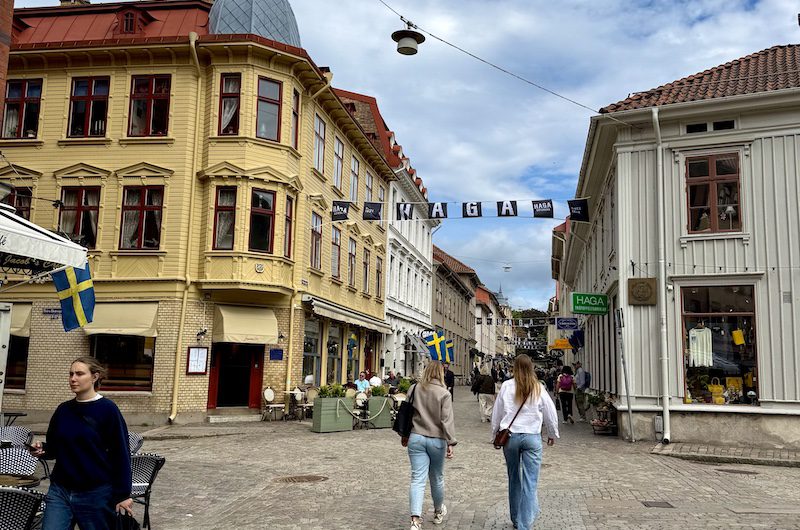
Sweden’s second-largest city invites wandering. I could follow a canal, hop on a tram or stop for fika when something caught my attention.
Fika, Sweden’s ritual of taking time for coffee and something sweet, fits naturally into solo travel. I lingered over coffee and pastries at Da Matteo and later enjoyed dinner at Natur, where dining alone felt simply like part of everyday life.
At Stora Saluhallen market hall, I stopped for lunch at women-owned Lilla Brasseriet, then wandered among stalls filled with seafood, cheeses and Swedish specialties.
Those small moments became some of my favourites. Travelling alone let me linger over a conversation or change direction when something looked inviting.
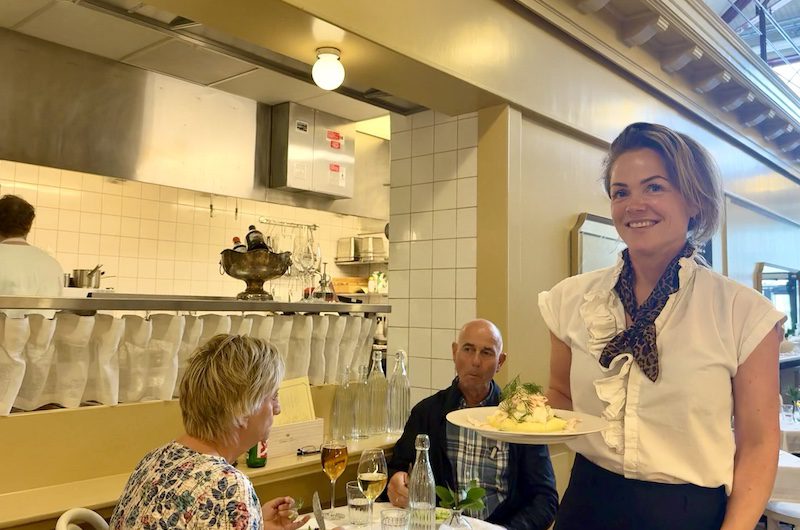
The chef and owner of Lilla Brasseriet at Stora Saluhallen / Photo by Sharon Kurtz
Finding Sweden’s story in Gothenburg
The Museum of Gothenburg added another dimension to the city. Housed in the former East India Company building, it traces thousands of years of western Sweden’s history. I was especially interested in the story of Swedish emigration.
During the 19th and early 20th centuries, Gothenburg served as Sweden’s principal gateway to North America, with more than a million Swedes departing through its harbour.
For North American travellers with Swedish roots, that history can feel surprisingly personal.
From city streets to the archipelago
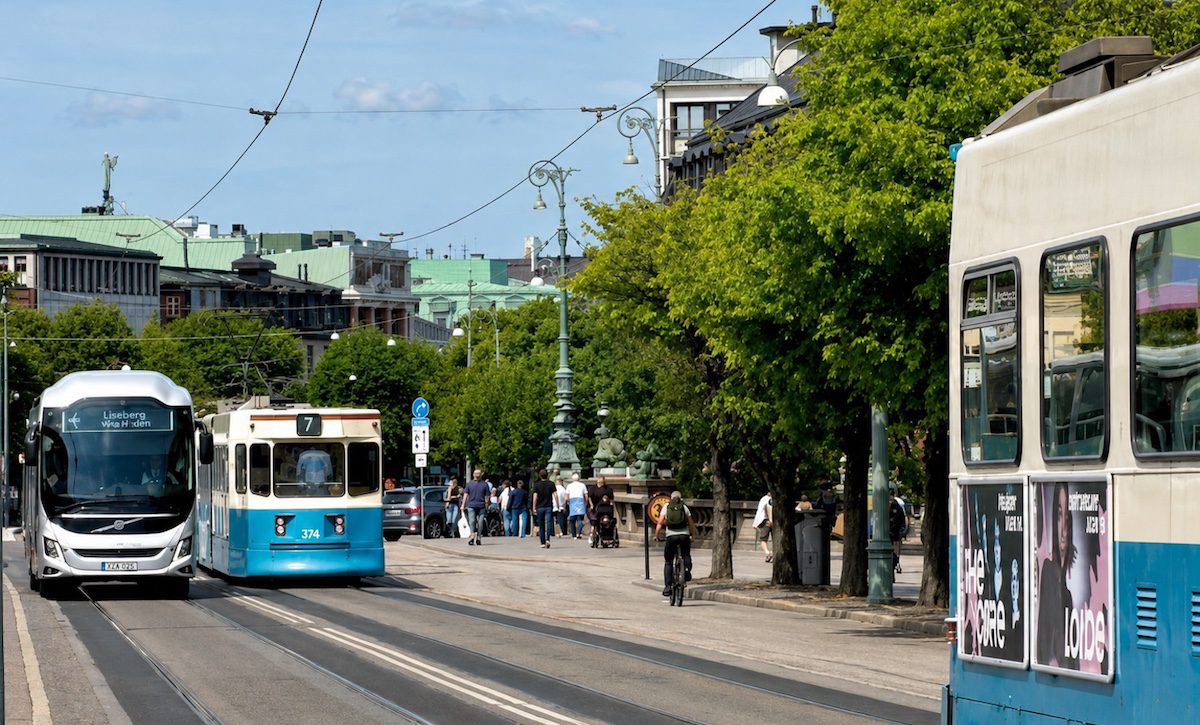
One of my favourite things about Sweden was how quickly city life could give way to nature. My Västtrafik pass covered trams, buses and ferries, making it simple to reach Gothenburg’s southern archipelago.
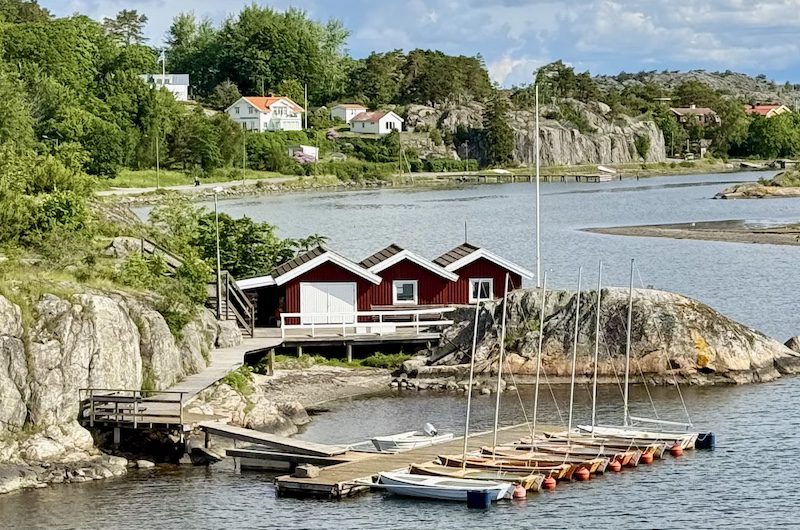
I boarded a public ferry to Styrsö, and less than an hour later, city streets gave way to rocky shorelines, small harbours and quiet island roads.
I stayed at Kusthotellet Styrsö overlooking the water and explored by bicycle. Private cars are largely absent, so bicycles, ferries and walking set the pace. I rode past cottages, fishing boats and granite outcrops, stopping whenever the view tempted me.


Bikes and ferries make island-hopping easy from Vrångö / Photo by Sharon Kurtz
A Glimpse of island life on Donsö
From Styrsö, I cycled across the bridge to neighbouring Donsö for a kayaking excursion with local guide Mathias Dawidsson.
We paddled past red boathouses, seabirds and rocky shoreline while he shared stories of an island community shaped by fishing, shipping and generations connected to the sea.
It was another reminder that travelling alone often opens the door to conversations that might not otherwise happen.
Stay connected here with an Airalo eSIM. Use code JOURNEY15 for 15% off.
Safety matters, but ease builds confidence
Women frequently ask whether I felt safe travelling alone in Sweden.
I did. I felt comfortable walking, using public transportation, dining alone and moving independently between cities and islands.
But what stayed with me most wasn’t simply safety. It was how few obstacles stood between me and what I wanted to do.
Trains, trams and ferries connected easily. Directions were clear. English was widely understood. Solo dining felt normal, and people generally respected personal space while still being willing to help when needed.
For women considering a first solo journey to Europe, that combination of safety and ease can be as important as the destination itself.
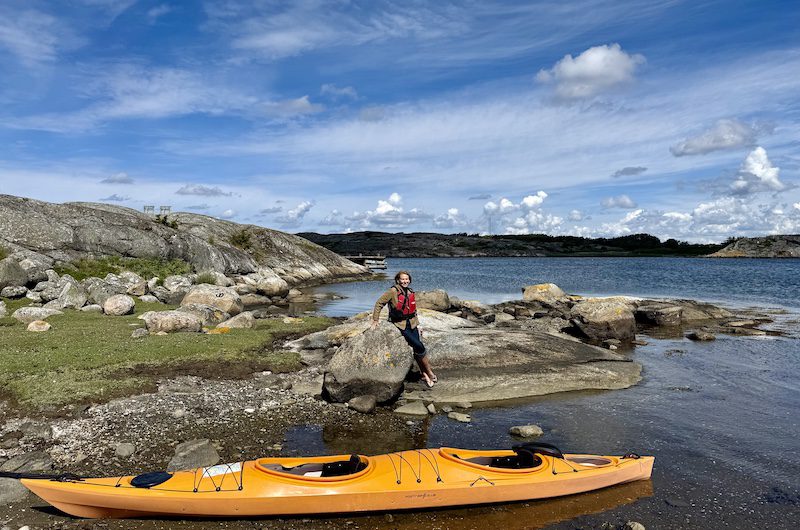
Kayaking from Donsö after cycling across the bridge from Styrsö / Photo by Sharon Kurtz
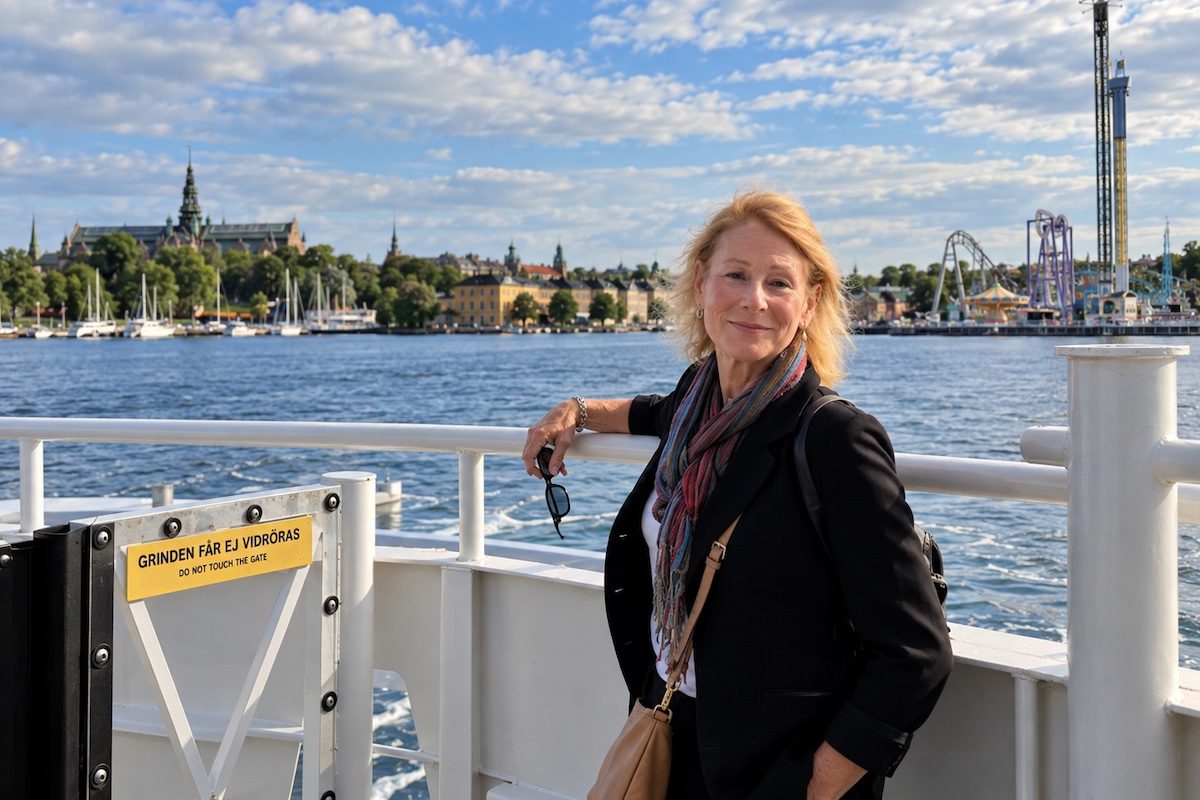
Sharon aboard a Stockholm ferry / Photo by Sharon Kurtz
Let Sweden set the pace
Sweden changed rhythm as I travelled through it.
Stockholm gave me grand architecture, museums, historic neighbourhoods and the energy of a beautiful European capital.
Then the southern archipelago stripped travel back even further: a bicycle, a ferry timetable, a quiet road and the freedom to decide what came next.
That ability to linger may be what I valued most about travelling solo in Sweden.
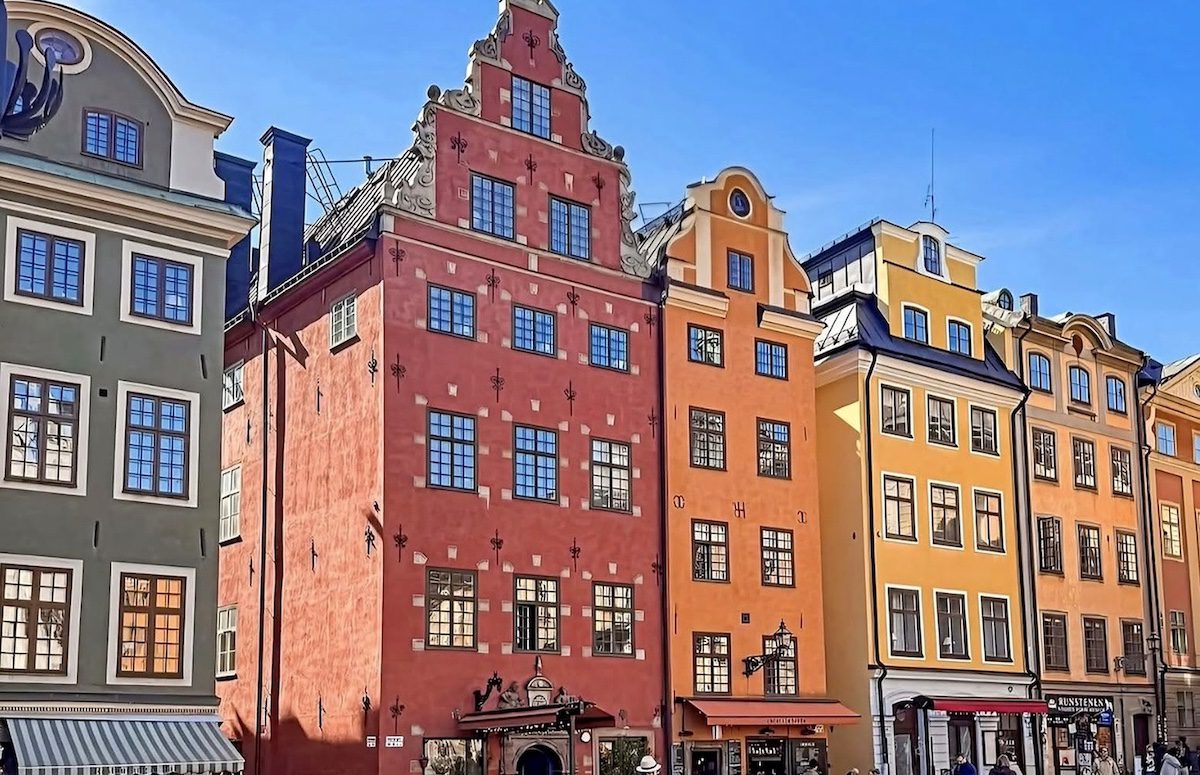
Stortorget, famous main square in Gamla Stan / Photo by Sharon Kurtz
If You Go: Planning a trip to Sweden
Flights: Travellers from North America can reach Sweden through major European gateways, including London and Frankfurt, with connections to Stockholm and Gothenburg. Check for flights here!
Between Stockholm and Gothenburg: High-speed trains connect the two cities in about three hours, making it easy to combine both destinations without renting a car. Click here for train schedules.
From Stockholm Arlanda Airport: The Arlanda Express reaches central Stockholm in about 18 minutes. A standard adult ticket is approximately SEK 340, with reduced senior fares available.
Stockholm public transportation: Stockholm’s SL system includes buses, metro trains, trams and many ferries. A 24-hour pass costs about SEK 180, and a 72-hour pass about SEK 360, with discounted fares for travellers 65 and older. Download the SL app before your trip.
Gothenburg public transportation: Västtrafik operates Gothenburg’s trams, buses and public ferries. A Zone A ticket covers central Gothenburg, and multi-day passes are useful for travellers spending several days exploring independently. The Västtrafik To Go app makes buying and managing tickets easy.
Getting to the southern archipelago: Gothenburg’s public transportation network extends to ferries serving islands including Styrsö and Donsö. No separate sightseeing cruise is necessary — the ferry is part of the journey.
From Gothenburg Landvetter Airport: Flygbussarna airport coaches connect the airport with central Gothenburg in approximately 20–30 minutes.
Where I stayed: Hotel Skeppsholmen in Stockholm, the Avalon Hotel in Gothenburg, and Kusthotellet Styrsö in Gothenburg Southern Archipelago. Find the perfect place to stay here!
Solo travel tips: Sweden is largely cashless, so a credit or debit card is useful for almost everything. Download transportation apps before leaving home, check seasonal ferry schedules, and pack comfortable walking shoes, layers and a lightweight waterproof jacket. I found no need for a rental car in Stockholm, Gothenburg or the southern archipelago.
Planning resources: Visit Sweden for countrywide trip planning and Goteborg.com for Gothenburg and Sweden’s west coast.

Disclaimer: Our talented writers are often invited by tourism boards and travel companies to experience places like this firsthand so that they can share them with you. Goteborg.com hosted Sharon for portions of her Sweden stay in June 2026. Sharon was not compensated for her time spent researching, planning and writing this feature, nor was JourneyWoman for publishing it. In addition, the host organizations did not review this article before it was published, a practice that allows the writer to express her perspective with integrity and candour.
More From Sweden

The post Solo Travel in Sweden: How I Found the Freedom to Linger appeared first on JourneyWoman.