
How can women help protect wild places?
by Mia Taylor
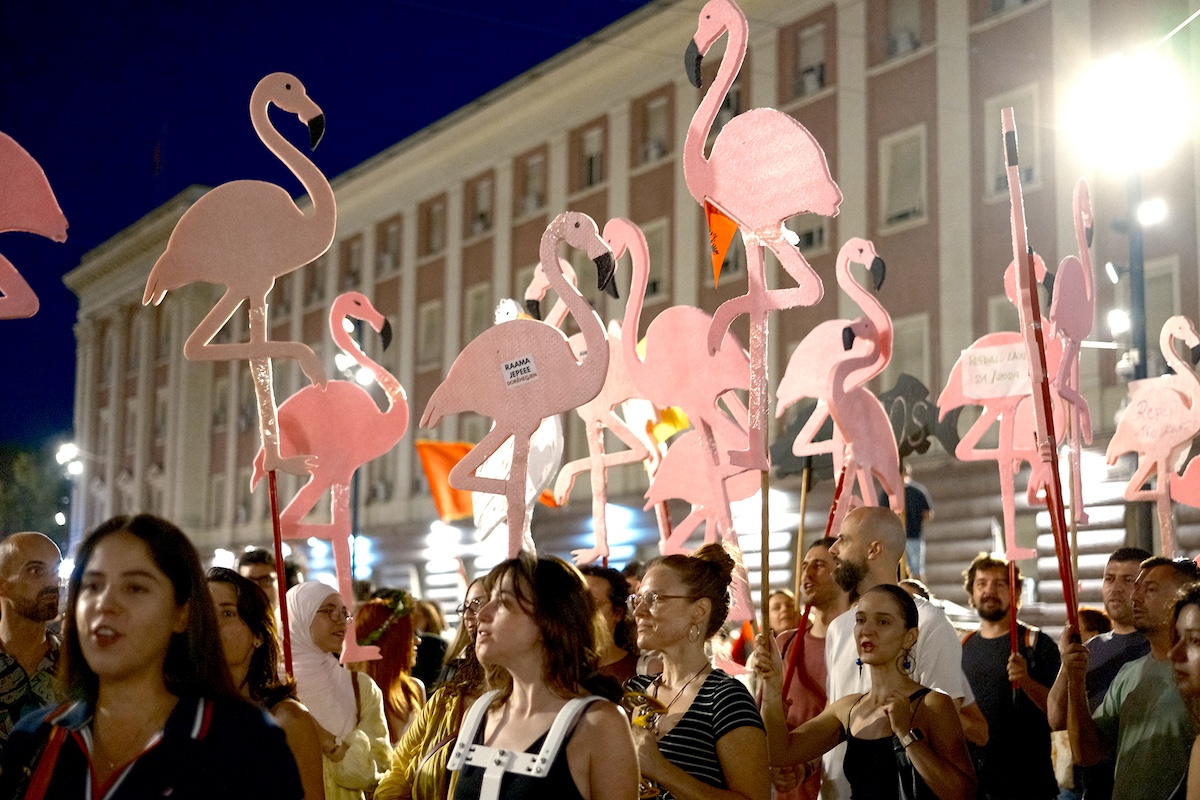
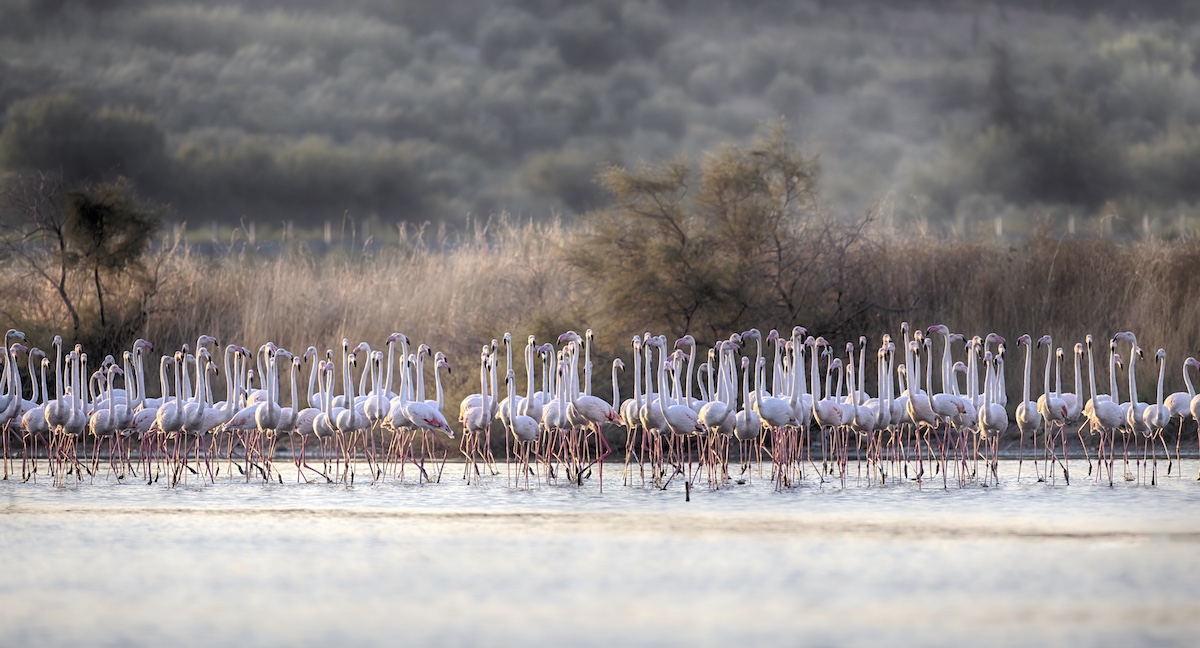
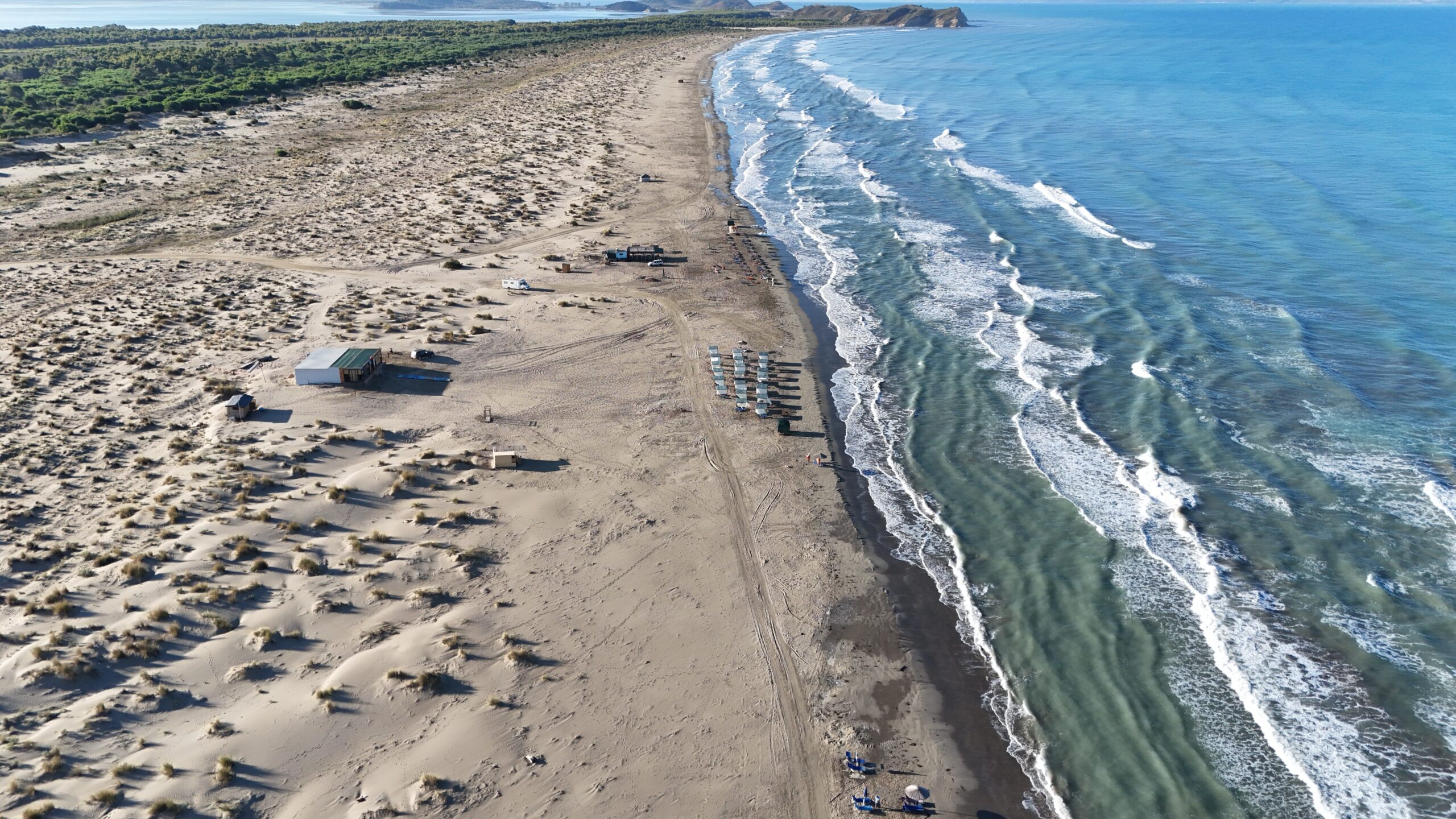
The beachfront site where the hotels would be built is in Zvërnec, a protected area within the Vjosa–Narta Protected Landscape. It’s an area of extraordinary natural beauty and biodiversity that’s home to endangered species such as monk seals, nesting sea turtles and more than 200 bird species, including flamingos. In thier protests, Albanians carried pink cardboard images of flamingos — a reference to the birds whose habitat the development will destroy, inspiring the name “Flamingo Revolution.”
“There was no sign whatsoever, neither by the lagoon where they were cutting the road, nor on the beach where the machinery was working … of any kind of license or permits or even just declaration of who they were,” said Ariel Brunner, The Europe director for environmental charity BirdLife, according to CNN.
Why what’s happening in Albania matters to all of us
What’s happening in Albania is a story that’s played out in some form or fashion in many locations around the world. The U.S. Administration’s current attack on Big Bend National Park in Texas, which has included bulldozing beloved protected landscapes and bypassing more than 31 conservation, environmental and resource protection laws, offers another disturbing example.
All of this is unfolding as Albania seeks entry to the European Union (EU), and EU regulators are also weighing in on the controversy. “We have already expressed our concerns to the minister of the environment about the potential shortcomings of this project,” a European Commission spokesperson told CNN regarding the development in the Pishë Poro-Narta protected landscape.
What can women do to protect wild places?
Environmental advocates and travel industry leaders focused on conservation, sustainability and social justice causes say there are direct and indirect ways that travellers and citizens around the world can join the effort to protect conservation areas and open spaces — not only during moments of crises, but long before such cherished landscapes become caught in the crosshairs of the latest bulldozer scheme.
1. Help raise awareness
Donald Leka, founder of InAlb, a boutique tour operator based in Tirana, Albania, watched the Trump-Kushner coastal development story unfold from his home base, about two hours down the road from the Zvërnec conservation site. That reality gives him a uniquely local perspective on the kind of help outsiders might provide to stop the unwanted project.
“There are many beautiful places in Albania where high-quality tourism investment could be very welcome. But we don’t need to sacrifice one of our most distinctive natural areas to create another luxury development,” said Leka. “Follow the local environmental groups fighting these projects, share their campaigns, and sign what they ask you to sign,” added Leka. “Foreign attention matters in small countries. Developers count on nobody outside noticing.”
Think of your efforts as amplifying the fight that’s already out there, said Andi Cross, leader of a research expedition named Edges of Earth, which over the last three years has visited 50 countries, living alongside locals in 250 sub-regions impacted by not only development, but also climate change and other human encroachments.
“There’s always a campaign, petition, or plan that’s being run in local communities that have something worth protecting,” said Cross. “The more of us sharing these things, the more powerful they become. Standing up alongside the people who are most impacted goes a long way…Development proposals die when there are uprisings and the community collective voice is louder than the actual proposal itself.”
2. Take political action
In the case of Americans, Leka also suggests political support can be helpful.
“Political pressure is what actually moves this,” says Leka. “America has more influence in this region than most Americans realize. Saying no to a sitting American president is very hard for a leader of a small country that wants security guarantees and investment. That is the real reason this project got as far as it did.”
“So, the most useful thing an American reader can do is domestic,” Leka continues. “Treat a deal involving the president’s family as an ethics question at home, not a foreign travel story. Jared and his family are doing what they know, business as usual. If people want to help, they should also consider the moral integrity of whoever is asking their vote.”
Read More: How to Empower Women When You Travel
3. Increase your destination knowledge
While some conflicts over tourism development, such as the one taking place in Albania, make international headlines, many other projects that displace local residents, threaten livelihoods, or put fragile ecosystems at risk receive little attention beyond the communities directly affected, explained Vincie Ho, executive director of RISE Travel Institute, a nonprofit organization focused on cultivating a global community of conscious travellers.
Ho suggests travellers conduct their own research before visiting a new country or location and, when doing so, source information from more than just traditional travel guides to find out more about the challenges a destination may be grappling with.
“It’s important to look beyond guidebooks and tourism marketing when planning a trip,” Ho explains. “Seek out local news sources and listen to the people who call a place home. What are residents, Indigenous communities, local conservation organizations, and community leaders saying about proposed developments and the future of their home?”
4. Make a habit of supporting local businesses
If there’s one action that travellers can engage in, which nearly all experts agree upon, it’s supporting local businesses and communities when you explore the world. It’s an approach advocated by Cross and many others.
“We need to route our spending to locals. Wild only stays that way if communities are empowered to protect it,” explains Cross. “And the locals need to live.”
Supporting locals includes booking activities and experiences with community-led operations, where you can ensure money is going into the hands of the people most dedicated to a place. But it can also encompass directly giving to local land trust or community funds, said Cross.

6. Understand where your tourism dollars go
Choosing to support local businesses is merely one piece of a complex and nuanced puzzle when it comes to meaningful, long-term protection of conservation lands and open spaces like those in Albania. As part of your decision-making as a traveller, it’s important to understand what exactly your tourism dollars are funding.
For instance, if a proposed development threatens a particular area because of the tourism demand in that location, travellers should ask whether their own spending reinforces that destructive model or whether it’s being used to support more positive alternatives, said Ho.
“The goal isn’t simply to boycott, but to support the kinds of tourism that communities actually want,” says Ho. “Remember that beyond Albania, many communities around the world are navigating similar tensions between tourism development, conservation, and local wellbeing.”
By supporting more equitable, community-centered tourism models and businesses consistently — rather than responding to a single headline or event as it crops up — we can all help shift the broader tourism system toward one that values people and place over profit.
Choosing “businesses committed to social justice and environmental stewardship can help demonstrate that protecting ecosystems and local livelihoods has economic value,” Ho explains. By the same token, Ho advocated reconsidering support for hospitality brands, tourism companies, or investors tied to projects communities oppose.
Jake Haupert, co-founder of the consultancy Transformational Travel Council and a recognized thought leader on the transformational travel economy, offers a similar perspective. Choosing destinations and businesses that invest in conservation, local ownership, cultural vitality, and community wellbeing is an important step travelers can take, Haupert says. “Ask questions. Support organizations restoring ecosystems. Leave reviews celebrating stewardship, not just luxury. Travellers don’t just consume places. They shape them,” he explains.
7. Show long-term support
If it’s not already clear, your efforts to help protect the planet’s remaining wild places do not need to be confined to the duration of your visit in a particular destination. Helping to spread the word and raise awareness, along with advancing political support for conservation, can take place at any time.
Jessica Blotter, CEO and co-founder of Kind Traveler, a regenerative travel platform, said there are other ways to continue providing support as well.
“Keep supporting the small nonprofits you discovered while exploring a new place. Tell people about your favorite tours and local shops, and encourage them to visit responsibly someday too,” says Blotter. “Every dollar we spend while traveling is a vote for the future of that destination. Make sure you’re casting yours for the world we want to live in.”
Travel is best when it creates positive ripple effects, adds Blotter. And when visitors care about the wellbeing of their favorite destinations beyond their own visit, they can help ensure those places will thrive for future travelers to discover.

More on Sustainable Travel
The post Albania’s Story: When Development Threatens Wild Places, What Can Women Do? appeared first on JourneyWoman.