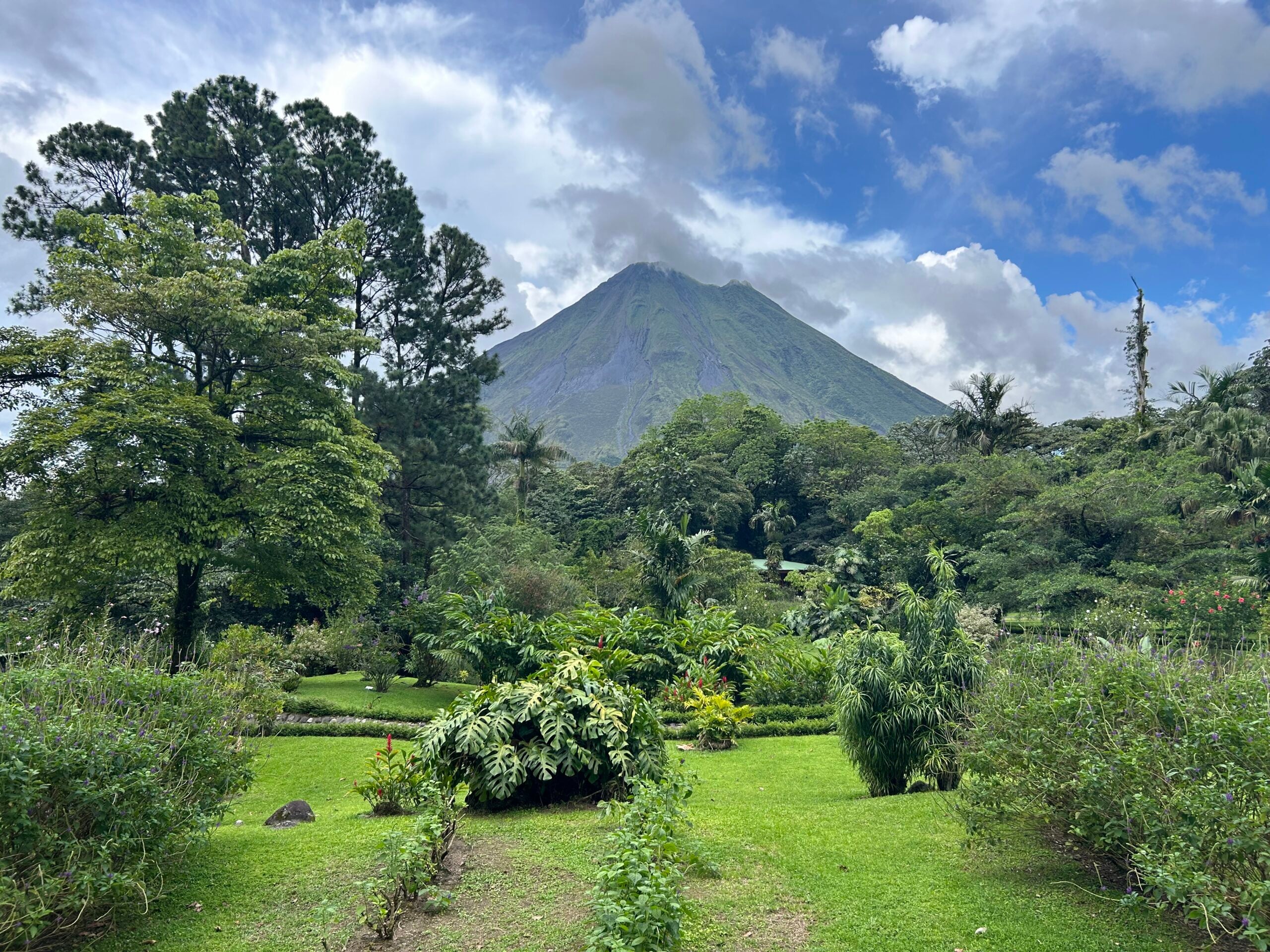

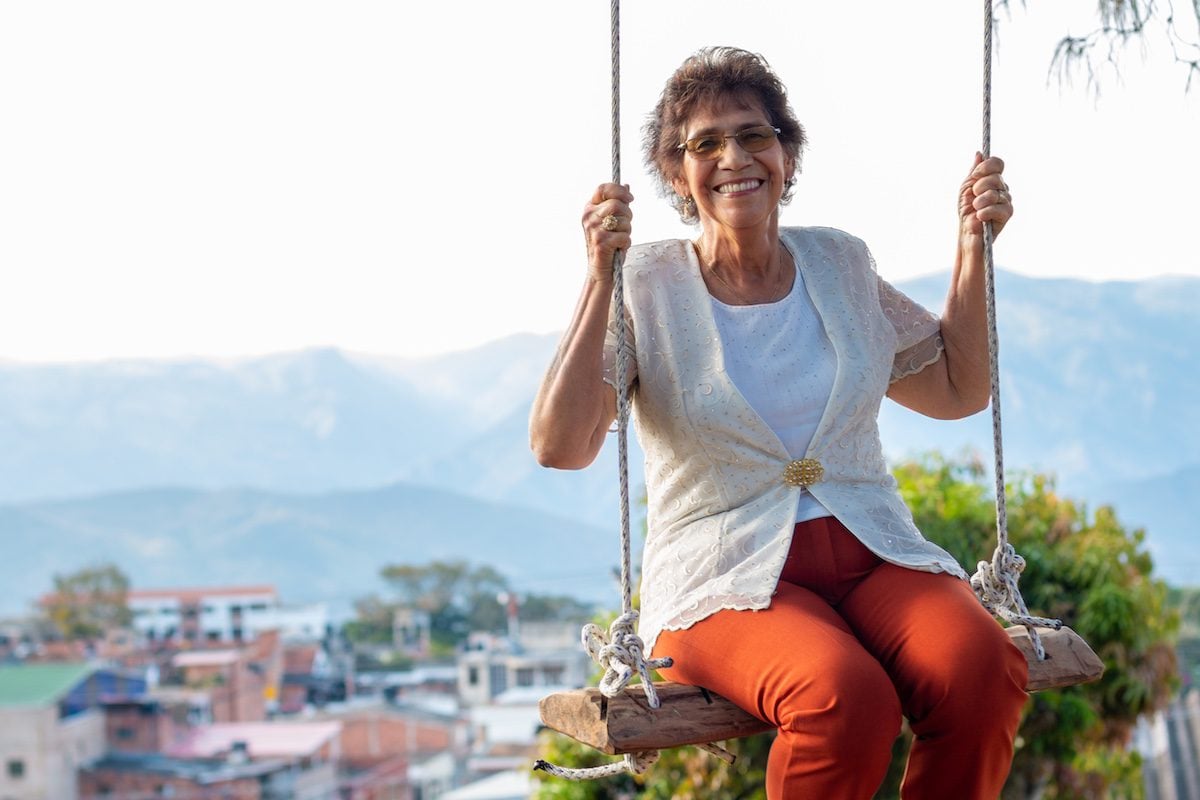
Featured image: Penny Light found connection and community in Costa Rica | Photo by Penny Light
Costa Rica offers solo women adventure, nature and community
by Carolyn Ray
Ask any solo traveller about her favourite places, and Costa Rica inevitably shows up on the list. Not only is it easy to get to from North America, but it’s also one of the most stable, peaceful countries in Latin America. I’ve travelled extensively in Central America, but Costa Rica is a newer discovery for me. It’s only in the past two years that I’ve experienced the ‘pura vida’ lifestyle on my travels through the provinces of San José, Alajuela, Guanacaste, Puntarenas and Limón.
As an adventure and nature lover, I am entranced by the idea of cloud forests, volcanoes, two coastlines, wildlife sanctuaries, and comfortable eco-lodges closer to Canada. I also love places that are a bit off the grid, so when I decide to spend my July birthday in Puerto Viejo, near Limón, Costa Rica, I reach out to Canadian Penny Light, who lived in Costa Rica for 10 years. Her love affair with Costa Rica began on a solo trip around 2011 when she rented a tiny hatchback and drove around the country solo with Florence + The Machine’s “Dog Days Are Over” stuck on repeat in the CD player. Today, she runs a Toronto-based travel business, Grit and Grace Adventures, that caters to women over 50 seeking adventures rooted in culture, connection, and personal renewal.
Light says: “What I love most about Costa Rica is the way it connects you back to what matters: nature, community, other people and, ultimately, yourself. You hear Pura Vida everywhere, and it can sound like a catchy tourism phrase until you’ve spent enough time there to understand that it’s genuinely a way of life. Family matters. Community matters. Nature matters. Time together matters. Living there taught me a lot about how disconnected we can become from those things in North America.”
Get stories just like this one delivered straight to your inbox. Join our mailing list here.

Canadian Penny Light fell in love with Costa Rica on a solo trip / Photo by Penny Light
Five unique experiences for solo women in Costa Rica
1. San Jose: There’s more than meets the eye
Light says that many people make the mistake of treating San José purely as a place to fly in and out of. With music such an important part of Costa Rican culture, she says a must-see destination in the capital city is The National Theatre. She also recommends that women spend time wandering the historic centre and areas like Barrio Amón to experience the architecture, art, music, restaurants and a cultural side of Costa Rica that most women don’t experience when they head directly to the beach.
“I was fortunate enough to see a performance at the National Theatre, and the building itself is absolutely spectacular,” she says. “If you have the opportunity to see a concert or performance rather than simply touring the building, even better. The San Jose Philharmonic is spectacular!”
Not far from San Jose is Los Quetzales National Park, where climate change and deforestation are impacting the habitat of many animals, including the resplendent quetzal. It’s here that I volunteer with Conservation VIP and local forest rangers and guides to plant new trees, raise new nesting places and clear trails in the forest.

With its bright, long, flowing tail feathers, the quetzal is a prime target for fly fishermen, selling for about US$500 a bird. This stunningly bright bird favours the fruit from a wild avocado tree, which takes decades to grow.
My guide, Alex Arias, is Costa Rican through and through. One of the first things he teaches us is how to say good morning in Costa Rica. It’s not ‘buenas dias’. Here, it’s ‘pura vida’. Pura vida isn’t just a tagline; it’s a way of living, one that encapsulates the culture of Costa Rica — welcoming, relaxed and happy.
“I like to see people who travel around the country, see the wildlife, stay in communities and meet locals,” Arias says. “Costa Rica isn’t just beaches and resorts. We want travellers who care about the community, land, and conservation.”
We stay at the locally owned Quetzal Paradiso Lodge high in the mountains, with individual cabins and sunset views that rank among the best I’ve ever seen.
Tip: Up in the mountains, it can be cool, even in the summer, so bring warm layers and slippers. Don’t forget your binoculars for birdwatching!
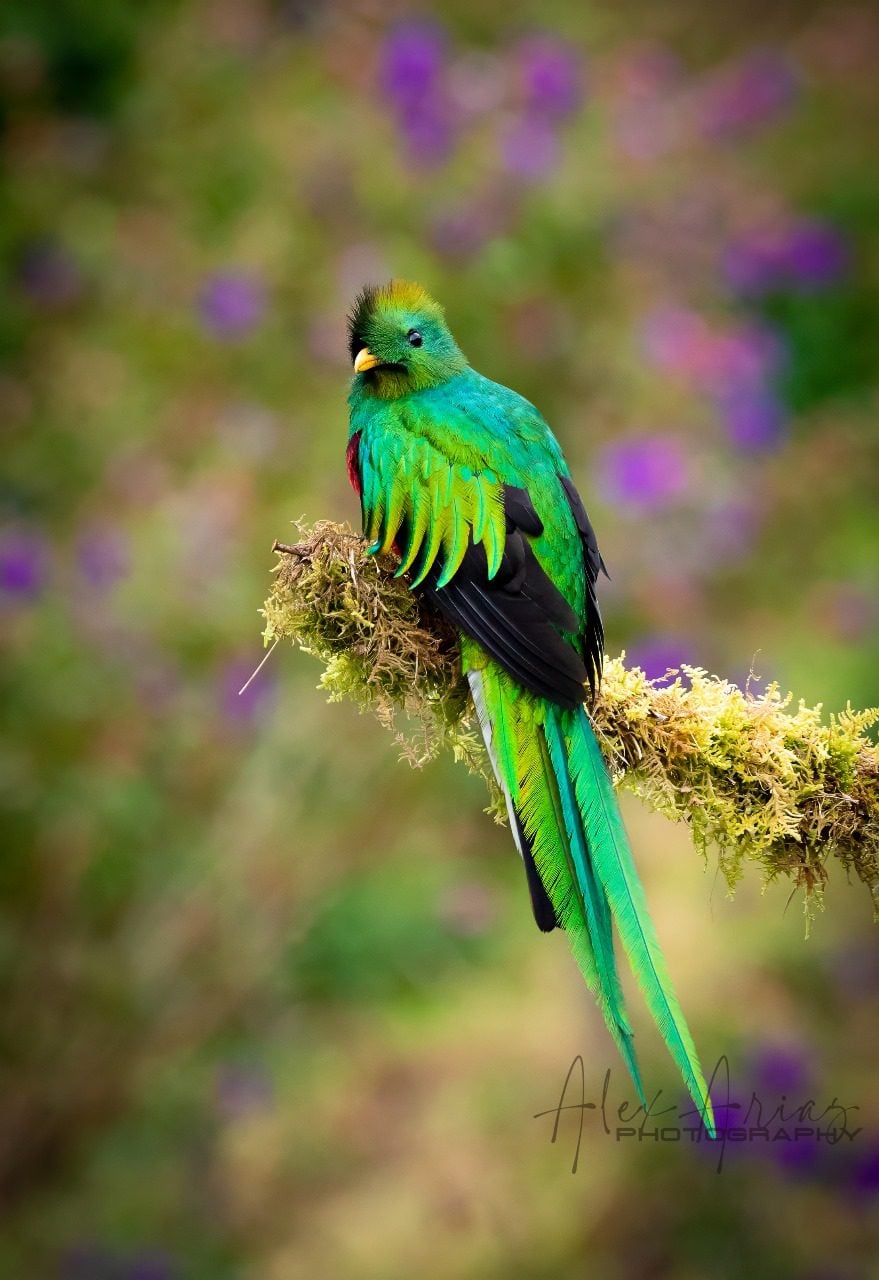
The endangered resplendent Quetzel/ Photo by Alex Arias
“I’ve driven between San Jose and the Osa Peninsula many times and stayed in Uvita. It’s a friendly and relatively safe country. Uvita is lovely. As a solo traveller, I recommend that you stay in hotels or eco lodges rather than airbnbs or vrbos unless it’s a room with other people in the house. There are break-ins being reported in parked cars and vacation homes in Uvita and local beaches. There are eco lodges in that area that are beautiful and have guides for hikes and exploring. Enjoy your time there. Costa Rica is a wonderful country to visit.” — Jane M.
2. Alajuela province: Sleep next to Costa Rica’s most famous volcano
About 90 km northwest of San José, Alajuela, in northwestern Costa Rica, is synonymous with La Fortuna and Arenal Volcano, an active stratovolcano. The drive to La Fortuna, which is only for the brave, takes about three hours from San José on a twisty, rugged two-lane road.
I stayed at the family-owned Arenal Observatory Lodge & Trails, which has the highest possible sustainability accreditation from the Costa Rican Tourism Institute. The Observatory was originally built in 1987 as a scientific research station for the world-famous Smithsonian Institution and is the only hotel located within the Arenal Volcano National Park.
The unforgettable view of Arenal Volcano from a hotel room at the Observatory / Photo by Carolyn Ray
Thought to be dormant for years, Arenal Volcano famously erupted on Monday, July 29, 1968, devastating over 15 square kilometres and covering three small villages with rocks, lava, and ash. Waking up next to this 1,633-meter (5,358-foot) volcano ranks among one of my favourite mornings ever. The entire Observatory is a national park, with trails, birdwatching, waterfalls, hanging bridges and a restaurant that overlooks both the volcano and the man-made Arenal Lake below. There is a free guided tour of the grounds, where I learned not to touch the trees (venomous snakes sleep in the moss) and not to walk to the frog pond at night without a strong flashlight (because it’s dinner time for the snakes). There are between 300-500 species of birds, and 36 kinds of hummingbirds, best seen in the morning hours. Four species of monkeys roam freely: capuchin monkeys, howler monkeys, spider monkeys and squirrel monkeys.
The small town of La Fortuna is about 30 minutes away, and although it’s a tourist town, there are some good restaurants to be found, including La Fortuna Organico and LaVid Steakhouse. There are many resorts in the area, and it’s famous for its thermal baths, notably Tabacon Thermal Baths and Baldi Hot Springs. If you’re not a guest there, a day visit will run about USD $47 per person.
Tip: Stay for a few days as the weather is changeable; bring your water shoes and swim under Danta waterfall at Arenal Observatory.

3. Puntarenas: The wilder side of nature and wildlife
Puntarenas, on the southern Pacific coast, is also a popular place for solo women travellers. Light recommends Uvita as a jumping-off point, especially for women who want nature and wildlife at the centre of the experience, with stops in Quepos and Monteverde Cloud Forest.
“If someone tells me they want to experience the Costa Rica that made me fall in love with the country, rather than simply have a beautiful beach vacation, I tend to send them south,” she says. “As you continue farther south toward the Osa region, Costa Rica starts to feel wilder and less developed. It takes a little more effort to reach than some of the country’s more heavily travelled beach destinations, but I think that is part of what has protected its magic.”
Light says must-see places include protected areas like Marino Ballena, with the Osa Peninsula and Corcovado farther south. She recommends The Tikivillas Hotel, a small hotel in the Uvita area.
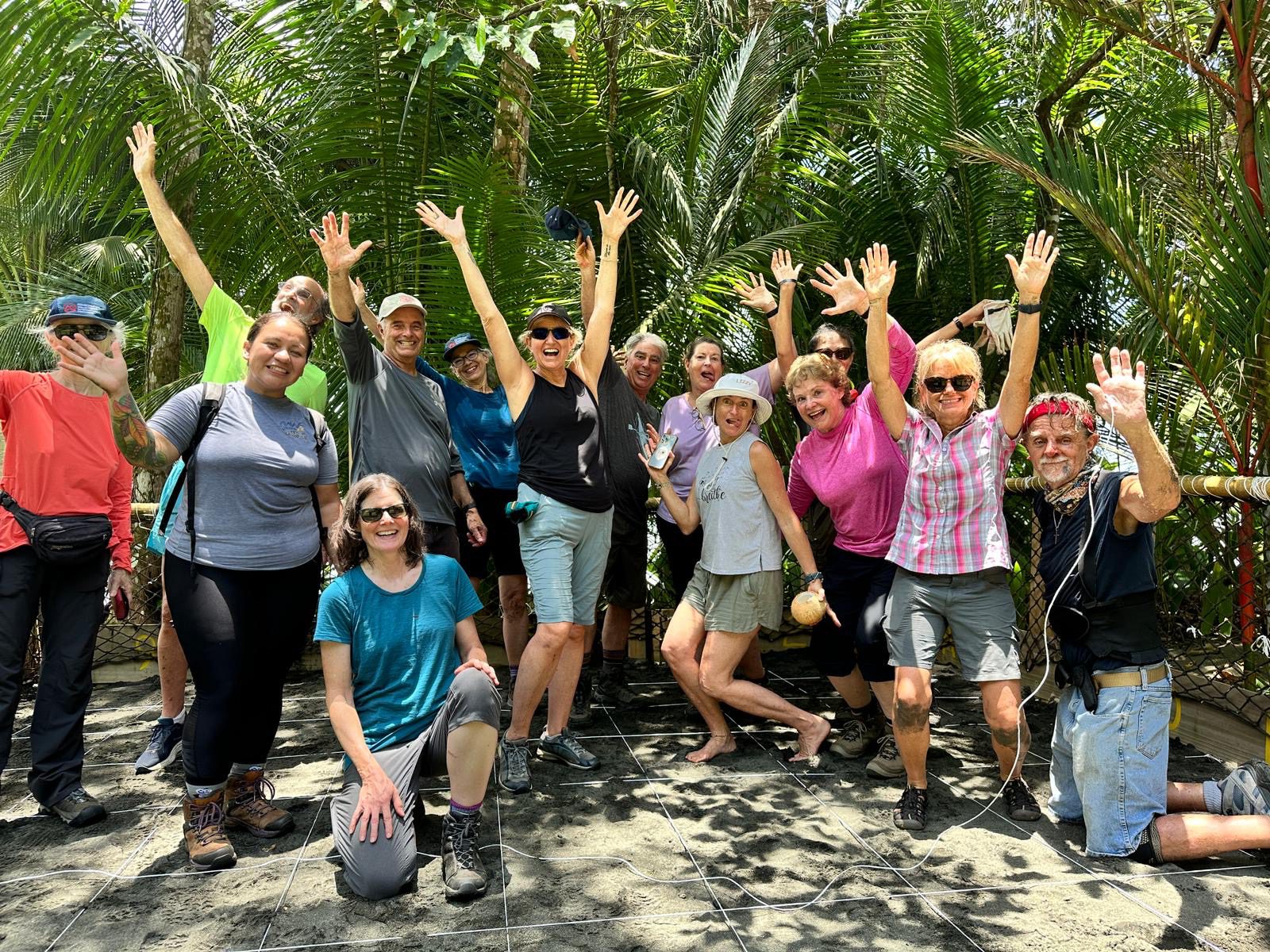
Carolyn Ray and friends volunteering in Punta Banco with Conservation VIP, alongside the local community / Credit Carolyn Ray
For two weeks in 2024, I volunteered in Punto Banco, a small beach community with a population of 160 people, nestled along the Panamanian border, about an eight-hour drive on a two-lane highway from San José or a two-hour drive from Gofilto Airport. It’s next door to Pavones surf beach, which reputedly has the longest left-breaking wave in the world, making it a popular destination for surfers. Turtle nesting season coincides with the rainy reason, so September is the perfect time to go. It’s humid, and the accommodations are rugged, but in some ways it makes you appreciate all that we have. And the wildlife in this area is incredible — whales, toucans, sloths, howler, spider and capuchin monkeys — and of course, scorpions and spiders. But what really makes this village special is how the local community is actively involved in turtle conservation.
Tip: For an even more off-the-grid stop in Puntarenas, visit Punta Barica, a surf and yoga school run by Tanya and Richard, who moved here from South Africa after spending several years there.
5. Guanacaste: Whales, turtles and… crocodiles
If you dream of the Costa Rica you’ve seen in photographs — surfing, the ocean, beaches, wildlife, and incredible sunsets — Guanacaste may be the place for you. I stayed in Tamarindo for a week, waking up to the sounds of a scarlet-rumped Tanager, Piratic flycatcher, and chestnut-backed Antbird in the bushes underneath the house. Las Baulas National Marine Park is a major nesting site for giant leatherback turtles. There are also boat or kayak tours through the Tamarindo Wildlife Refuge to see howler monkeys, birds, and of course, crocodiles.
In September, the Pacific Ocean is an active place, perfect for whale-watching. As a guest of Serendipity Charters, I watched humpback whales and babies frolic, and sea turtles pair up for the mating season. That was followed by a swim and snorkel in a secluded bay before returning to the marina. The humpbacks migrate this time of year and can be seen frequently from shore, making for an unforgettable experience.
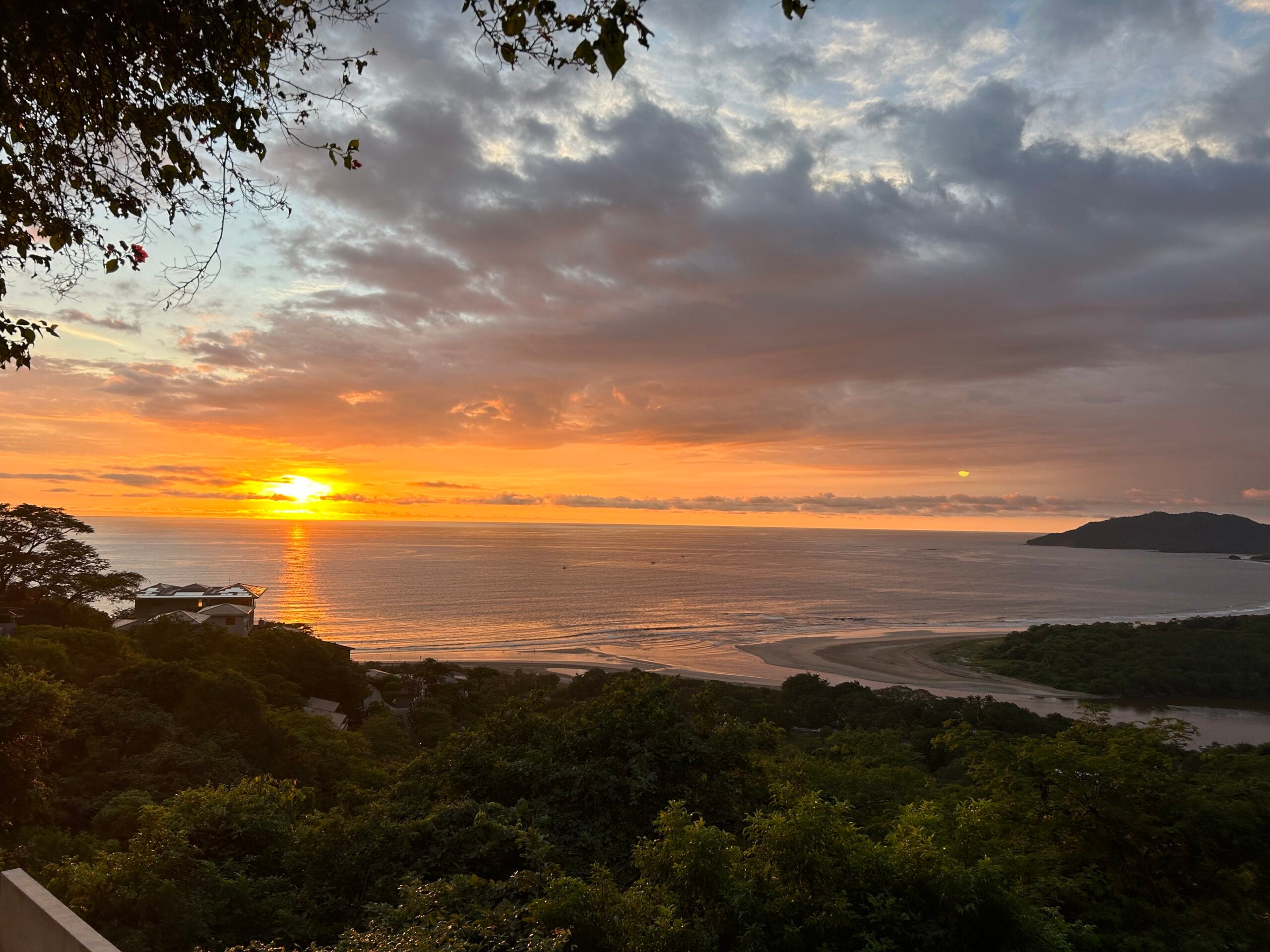
Sunset in Tamarindo always delights / By Carolyn Ray
I stay in Tamarindo with friends who have been residents for more than 20 years. As a result, I have the opportunity to meet many expats who now call this area home and run small businesses here. Once a small surf town, the area is developing quickly and nearby areas such as Flamingo Beach are becoming more touristy, which is changing the dynamic in the area. Rather than a resort, try the locally owned Capitan Suiza.
Tip: Tamarindo has its own airport, if you’re willing to walk through the cow pasture to get on the plane. You can get to Tamarindo from Liberia (about 90 minutes drive) or fly from San José on a small local airline, Sansa.
“I travelled to Costa Rica in December and was looking for quiet beach town. We flew to Liberia and went to Brasilito 90 minutes away. The town is not super touristy. Locals live there as opposed to Playa Flamingo just North of Brasilito which is beautiful but more upscale touristy (there didn’t seem to be any locals living there) and much more expensive for food. Brasilito has two beaches you can walk to and small local restaurants (called sodas) with great food for good prices. We stayed at Quinta Esencia which is a really lovely 4-room hotel. Includes a nice breakfast. The staff is helpful and kind.” — Erin K.

5. Caribbean Side: Puerto Viejo is a hub of wildlife
Driving on Highway 32 from San José to Limón, and then to the small beach town of Puerto Viejo is an adventure in itself. June and early July are considered the off or ‘green’ season, so it is not too surprising when a ‘tropical wave’ arrives with torrential downpours that shut down the highway. For those who prefer not to drive, the Caribbean Shuttle is a great option and leaves from San José airport (I also took it to Panama). There are no resorts here, but there are small family-owned hotels along the beaches, like Villa Serinidad, where I stayed.
The main reason I’ve come to Puerto Viejo is to see endangered species in the wild, including the Great Green Macaw and sloths. The Great Green Macaw, which once proliferated throughout most of Central America, is critically endangered, with only 400 left. Ara Manzanillo Sanctuary aspires to reintroduce them to the Caribbean. Tours run from 2:00 pm to 4:00 pm daily for CAD$28/USD$20 and require a steep uphill climb. Volunteers are also welcome here.
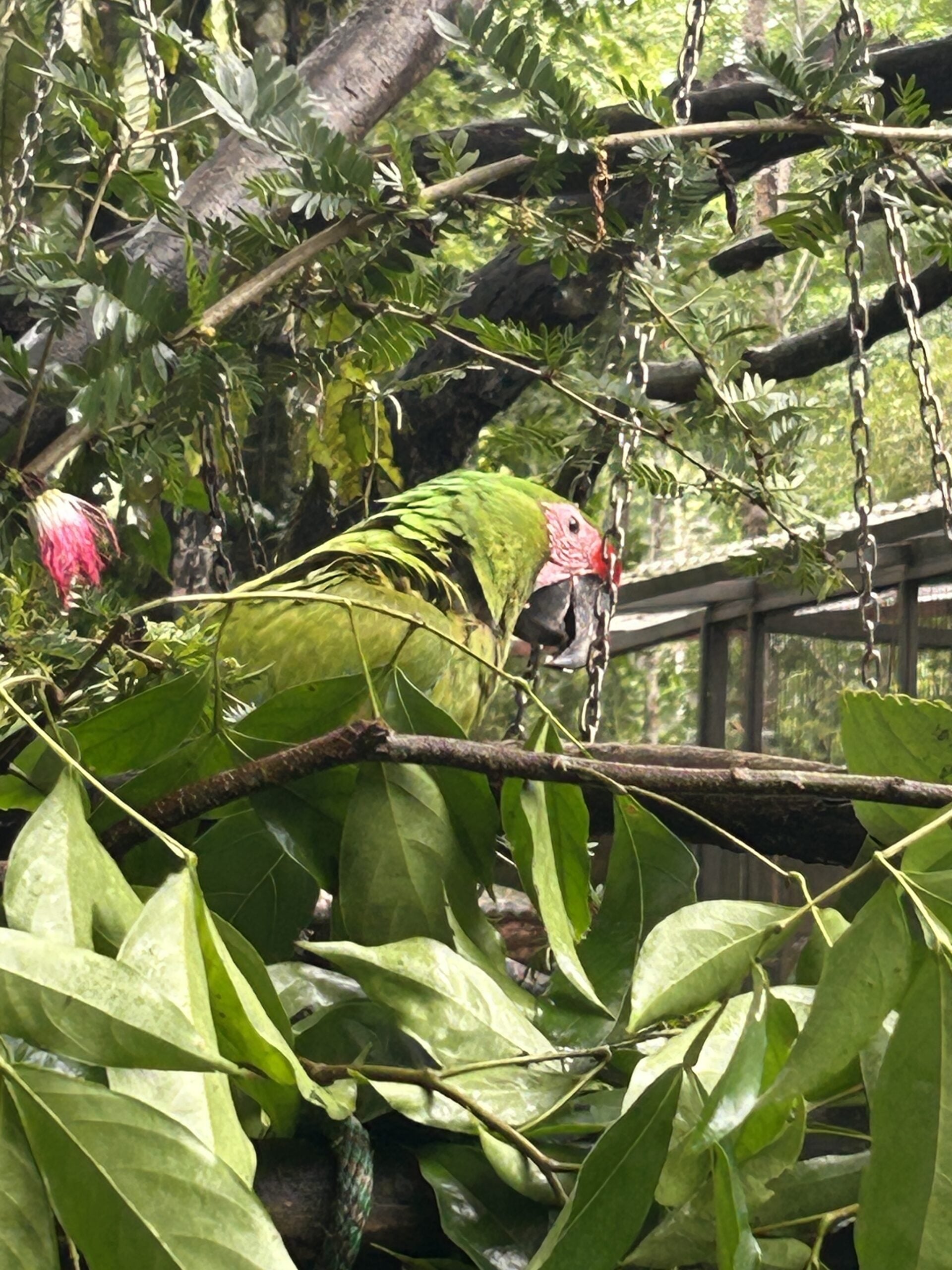
The Great Green Macaw / Photo by Carolyn Ray
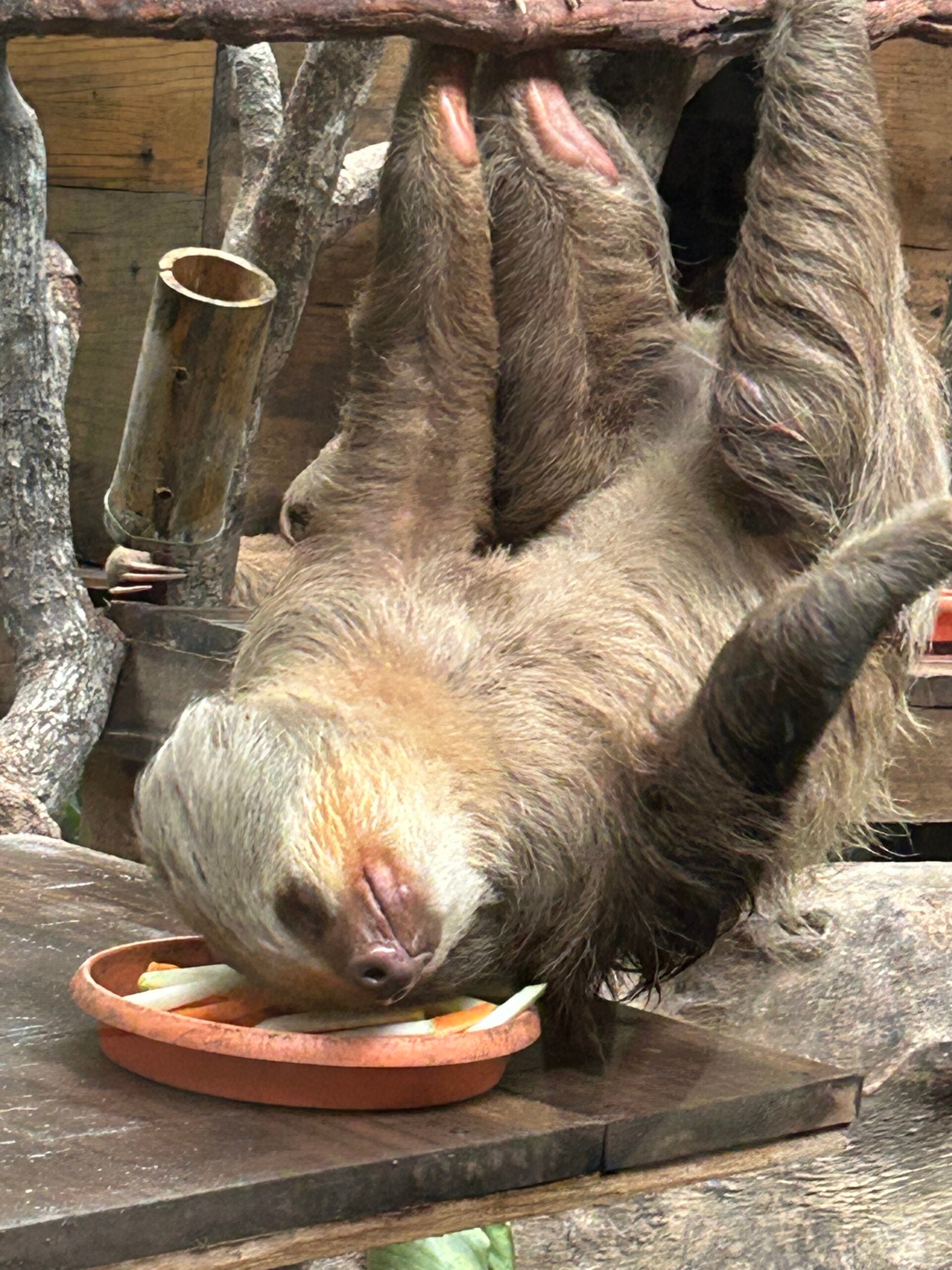
Asleep or relaxing: it’s hard to tell with sloths/ Photo by Carolyn Ray
The Sloth Sanctuary of Costa Rica offers a tour for CAD$43/USD$30 daily except on Mondays, which showcases its 10 permanent residents, including two two-toed sloths and three three-toed sloths that have survived electrocution and dog attacks. Since it was founded in 1992, it has rehabilitated over 300 sloths back to the wild. Sloths live for more than 30 years, and their metabolism is so slow that they can only digest one leaf a month, which explains their slow movements.
At the Jaguar Rescue Centre (JRC), there are no jaguars, but JRC has rescued more than 9,000 wild animals since 2008, returning about 48 per cent to their natural habitats. The priority is local education with schools and discouraging the use of parrots, toucans and reptiles as pets. Entrance fees are CAD $41/USD$29 per person, and one per cent of every admission goes toward an effort to insulate power lines. They also accept volunteers two weeks at a time.
Tip: Bring your bug spray, hiking boots, binoculars, a good camera and antihistamines if you’re as allergic as I am to bug bites.
Regardless of where you go in Costa Rica, a solo travel experience changes you. Perhaps it’s being disconnected from the routines and the everyday. Perhaps it’s about hearing your own voice.
“I arrived in Costa Rica as a woman travelling alone,” Light says. “I eventually returned as a woman starting her life over. Sometimes a place doesn’t just show you where you are. It shows you where you might go next.”

Make it happen
When to go: The busiest time in Costa Rica is during Christmas and Easter; why not try the ‘green season’? Check for school holiday dates before you book.
How to get to Costa Rica: From Canada, you can fly into San Jose or Liberia on Air Canada, Air Transat and WestJet. Check flights here.
Day trips: Use Get Your Guide or Viator to find a day trip, including transportation, from San Jose.
Rent a car: Most of the major brands, such as Avis, Budget, Europcar, operate in Costa Rica, with car rentals available at the airports. Don’t forget to bring a copy of your insurance. Find a rental car here.
Shuttle bus: Women recommend Interbus Costa Rica, Charlie Shuttle Costa Rica or Caribe Shuttle.
Where to stay in Costa Rica: There are so many eco-friendly hotels and wellness retreats in Costa Rica. To look for hotels recommended by women, click here or check Booking.com.
Disclaimer: This article is part of a sponsored campaign in partnership with the Costa Rica Tourism Board to inspire women over 50 to travel solo. Carolyn Ray visited Costa Rica own her own and was not compensated for her travel costs, or her time spent researching, planning and writing this feature. In addition, the tourism board did not review this article before it was published, a practice that allows the writer to express her perspective with integrity and candor.
More from Costa Rica to Discover
The post Planning a Solo Trip to Costa Rica? These Unique Travel Experiences Will Take You Into the Heart of Costa Rica appeared first on JourneyWoman.