
Last updated on October 7th, 2026
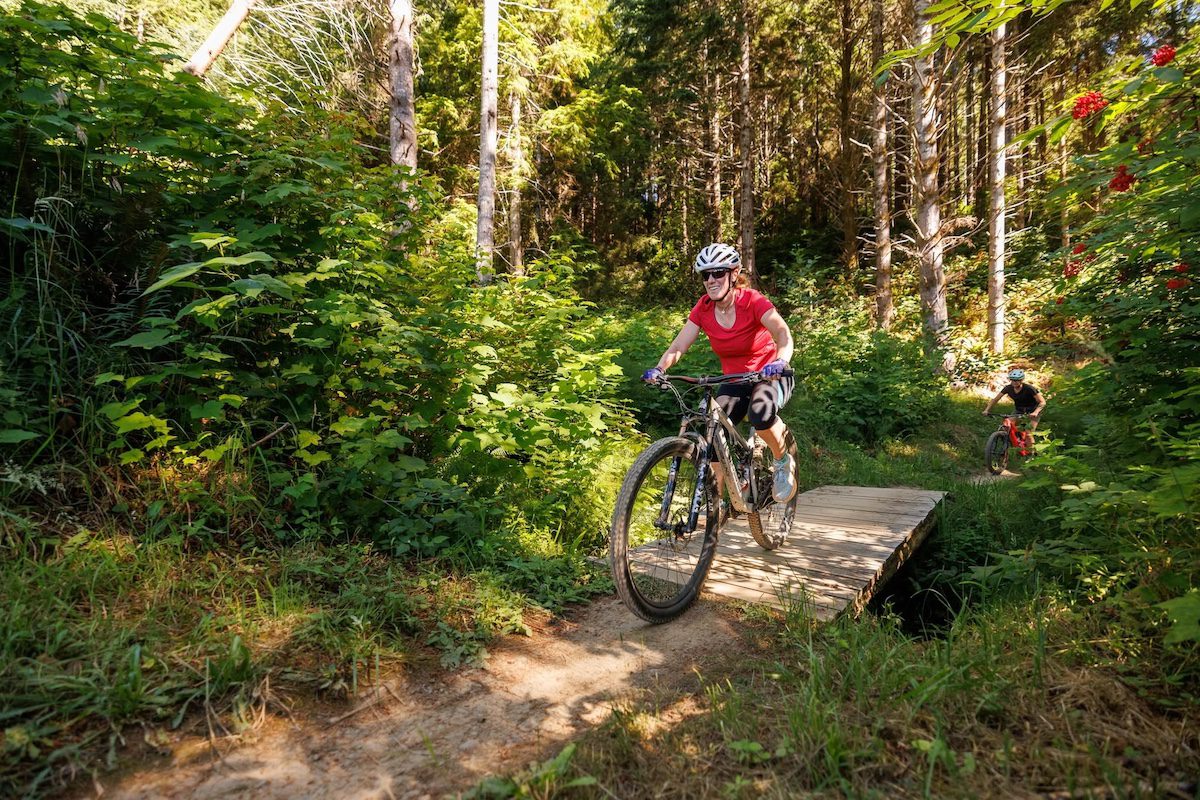
Featured image: Ariel Frager, pictured mountain biking, wants to see more women as outdoor adventure guides | Photo provided by Ariel Frager
Women guides create a fun, supportive atmosphere
by Ariel Frager
Staring up 600 feet of granite, I think to myself: “I don’t really like rock climbing.” I know I have a choice. I can either give rock climbing another try after a 30-year hiatus, or chill in the shade watching other people rise above the ground, as my supportive woman guide Anna Marie Alewine from the Pisgah Climbing School calmly explained. Her careful instructions and complete understanding helped me get back in the harness. As my body pressed against the smooth granite, I rose higher and higher until the expansive view spiralled out above the tree line. As I stood on the ledge at the top of my rope line, I might have hooted with joy a little bit on the way back down.
Trying out a new sport or outdoor adventure activity can be intimidating. Time and again, whether I am looking to deepen my skill level in a beloved sport or facing a totally new activity, women outdoor guides have cheered me on by creating an empowering and fun atmosphere that builds confidence and camaraderie. More women are embracing outdoor adventure sports to build positive, life-affirming benefits, strong social connections, physical and mental resilience, and overall feelings of well-being. Studies have shown that positive outdoor experiences lead to a dramatic increase in women’ s self-esteem and belief in their ability to lead.
However, traditional expectations around women and competence in outdoor activities, as well as traditional gender roles and societal pressure, often keep women from nature-based sports. We all need our comfort zone to rest and rejuvenate, but there is no growth in the comfort zone. Pushing ourselves can feel overwhelming if the support isn’t there.
For the first time in 2024, over half of American women participated in Outdoor Recreation, according to a report by the Outdoor Industry Association. As more women seek the life-affirming benefits of increased self-confidence, self-discovery, mental and physical well-being, the empowering knowledge that women are excellent outdoor leaders helps break long-held stereotypes about who gets to play outside.
How women outdoor guides have helped me trust myself
Meredith Brandt is the CEO of Ladies AllRide, a mountain bike training program created for women by women. A certified mountain bike coach, Meredith was my coach during a weekend training camp in Bend, Oregon. She sees mountain biking as a perfect vehicle for personal empowerment.
“Outdoor sports are incredibly powerful because they teach women to trust themselves,” Brandt says. “Once you’ve navigated fear, uncertainty, challenge, and maybe a few sketchy switchbacks in the woods, other things in life suddenly feel more manageable too.”
My mountain bike skills were nearly as old as the bike I bought when I was in college. Ladies AllRide helped me jump back into a sport that I used to love. The combination of getting older, laziness and less-than-easy access to trails kept me away from the utter thrill of sailing over dirt paths at high speeds.
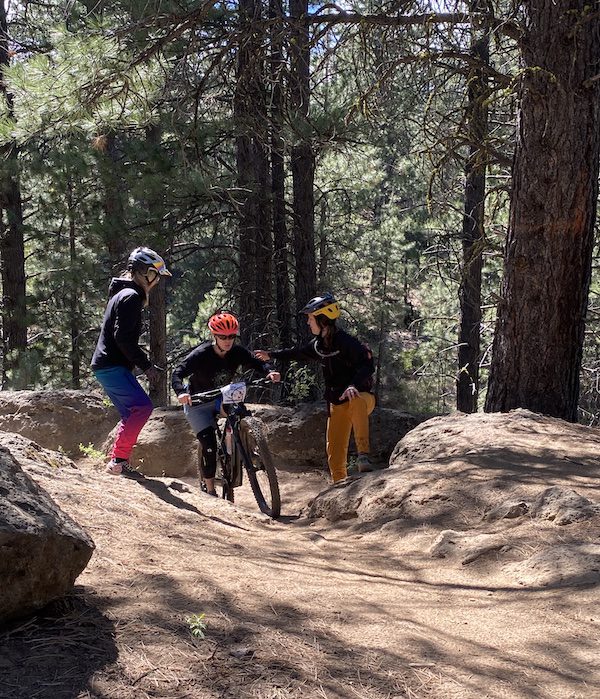
Mountain biking with Ladies AllRide / Photo by Ariel Frager
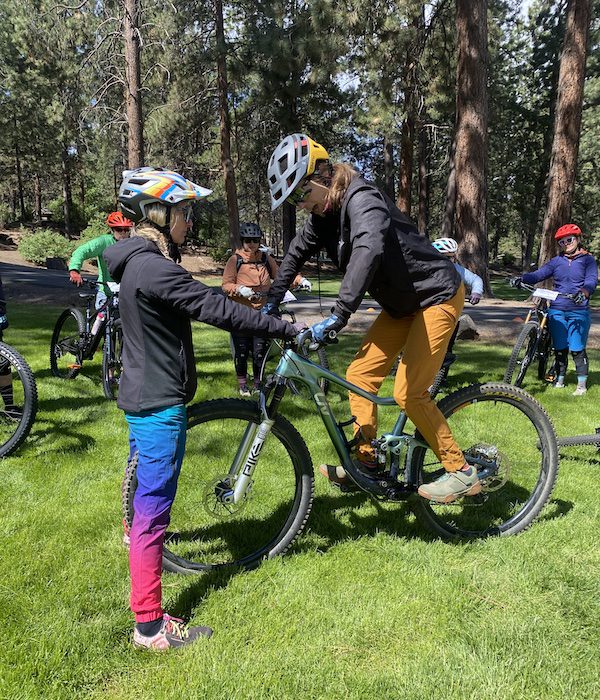
Learning to mountain bike / Photo by Ariel Frager
Sarah Elise Field, the owner and lead guide for Crystal Clear Vieques, a snorkeling tour company based in Vieques, Puerto Rico, actively cultivates a safe environment to not cause traumatic harm to their participants.
“We do not push people through their fear,” she says. “We help people calm their minds and eliminate the fear factor by taking the learning process a step at a time and teaching blue-mind techniques (the idea that being close to water can ease your mind into a meditative state) while doing so.”
“Emotional support is technical instruction”
The cheering I heard from my surf instructors during my Las Olas Surfing for Women camp, after catching a particularly awesome wave, boosted my spirits and kept me in the water even after missing dozens and dozens of other waves. My surf instructors made the entire experience fun, even though surfing is incredibly challenging to learn. Women are natural cheerleaders, and the sympathetic joy they felt for me was contagious. Empowerment comes from mastering both the emotional roller coaster of doing something new, and technical skills needed to get better.
Brandt explains: “For me, emotional support is part of technical instruction because mountain biking is never just about mountain biking. People show up thinking they’re learning cornering or wheel lifts, but often they’re actually learning how to trust themselves again.”
Giving the participants more control and no pressure helps build an environment where women can feel safe to take risks. Sometimes, it’s the setup of the experience that can help people feel comfortable, especially in the ocean. Vieques’ Field says: “We make it very clear to people that they can choose not to do the tour or choose to return early at any point during the tour. This is a huge reason why we only offer private tours. Private tours also allow people to express their fears and excitement more when they aren’t around a group of guests that are total strangers.”
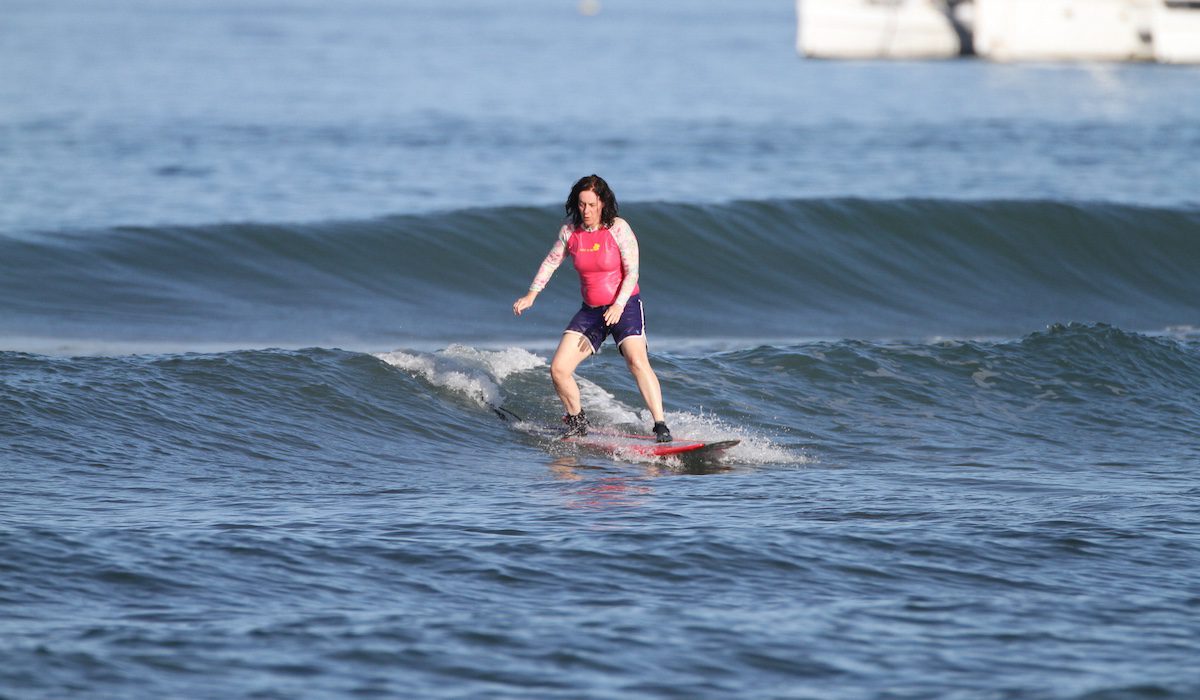
Ariel surfing in Maui / Photo provided by Ariel Frager
Empowering women to take up space in the outdoors
Running in tandem with the rush of hard-core adventure sports, I am increasingly drawn to the solace and awe found in nature. Sometimes my sports, like cross-country skiing, or sitting on my surfboard waiting for a wave, or a mountain hike, will lead me to a moment of unparalleled beauty. No matter what set of technical skills or physical prowess I needed to get myself there, I appreciate the majesty all around me. I feel the vastness and divinity of being in nature and those slivers of time can be transcendent.
Beyond the empowerment and skill-building that come with learning something new, women know how to make things fun. Whether it’s being silly in the water, peals of laughter when trying something challenging, or a well-timed snack, women make for good outdoor companions and great teachers.
Brandt understands that learning new outdoor skills is more than just one thing.
“At Ladies AllRide, we’re not just teaching mountain biking,” she says. “We’re helping women build confidence, trust their instincts, and realize they’re capable of hard things. Also sometimes we’re just grown women screaming ‘Woohoo!’ At the end of the day, we’re adult women playing on bikes in the woods, and once people reconnect with that playful energy, their inner kid comes out and suddenly they don’t want to stop riding.”
Disclaimer: Our writers are often invited to experience activities described in this article firsthand. Ariel Frager paid for some of these experiences herself, and for others, she was hosted by either the tourism board or the travel companies. She was not compensated for her time spent researching, planning, and writing this feature, nor was JourneyWoman compensated for publishing it. In addition, the host organizations did not review this article before it was published, a practice that allows the writer to express her perspective with integrity and candor.

More Adventure Travel to Inspire You

The post Who Gets to Play Outside? Why We Need More Women as Outdoor Adventure Guides appeared first on JourneyWoman.