Tag: Navy

  • Navy hits 45,000 recruits three months ahead of schedule

    Navy hits 45,000 recruits three months ahead of schedule

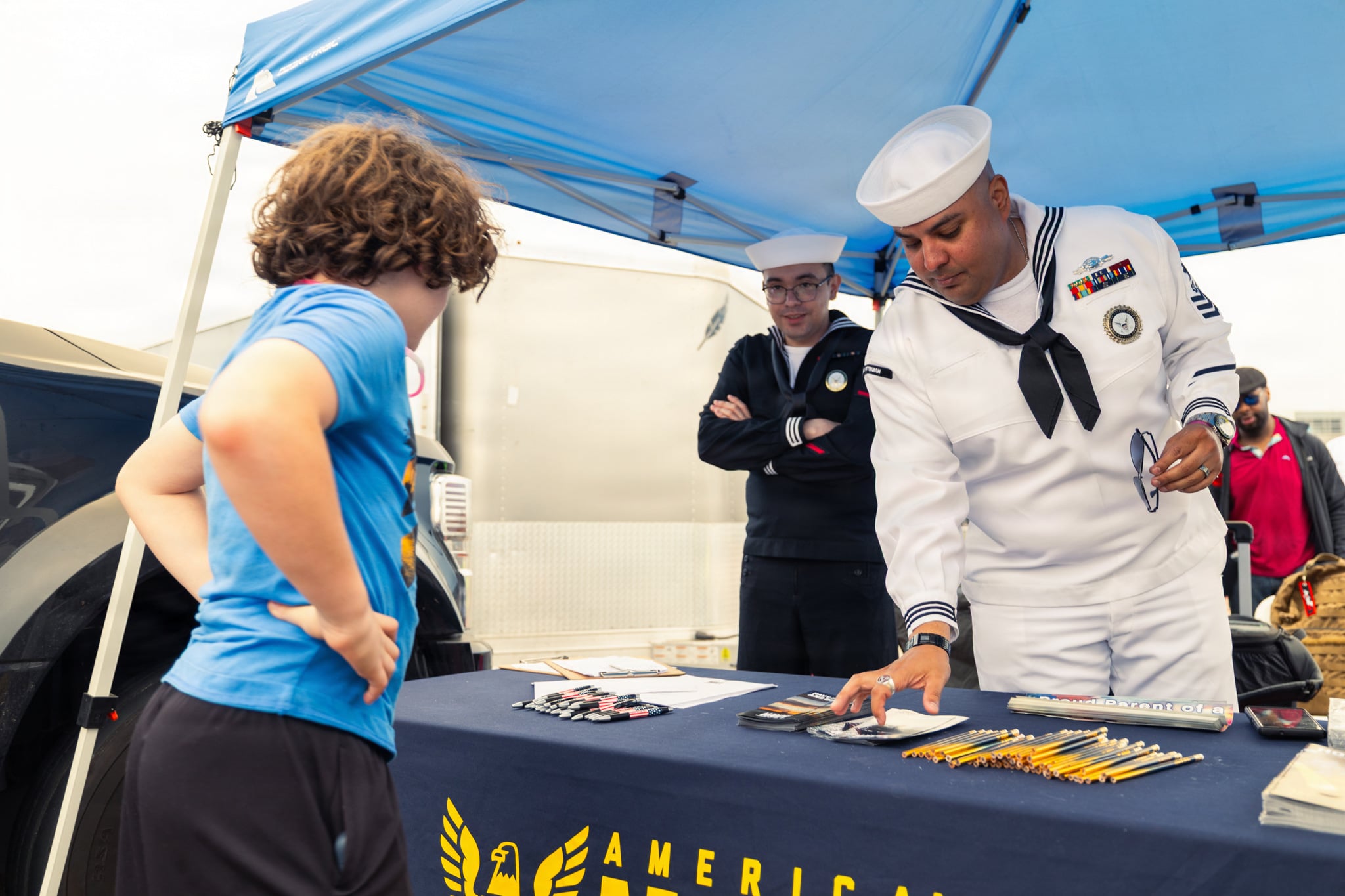
    The U.S. Navy announced on Thursday that the service reached its fiscal 2026 goal of contracting 45,000 future sailors to man the fleet, continuing a trend over the past several years of successfully meeting its enlistment needs.

    The service reached its goal three months early, according to Defense Secretary Pete Hegseth, after accomplishing the same feat in fiscal 2025.

    “Today’s Navy is stronger because tens of thousands of Americans chose to answer the call to serve,” said Rear Adm. Jim Waters, commander of Navy Recruiting Command. “Reaching this milestone is not simply about achieving a recruiting objective — it’s about delivering the talented sailors our fleet needs to maintain readiness in an increasingly complex security environment.”

    The service has completed a significant turnaround in recruitment over the past several years.

    In fiscal 2023, the Navy whiffed on its enlistment goal of 37,700 sailors by more than 7,450 accessions.

    But the service rebounded a year later in fiscal 2024 by surpassing its accession target of 40,600 recruits by 378.

    And in fiscal 2025, the Navy brought in 44,096 future sailors, exceeding its target of 40,600 and marking the most recruits the Navy had seen since 2002.

    Waters, speaking to reporters in October 2025, attributed the service’s success to relying on more recruiters, reducing administrative legwork and simplifying the tattoo approval process.

    “Our recruiters never lost sight of what matters most — people,” Waters said in a Navy release. “Every contract represents someone who chose to serve something greater than themselves.”

    This post was originally published on this site.

  • US Navy seeks to boost production of new anti-radar missile

    US Navy seeks to boost production of new anti-radar missile

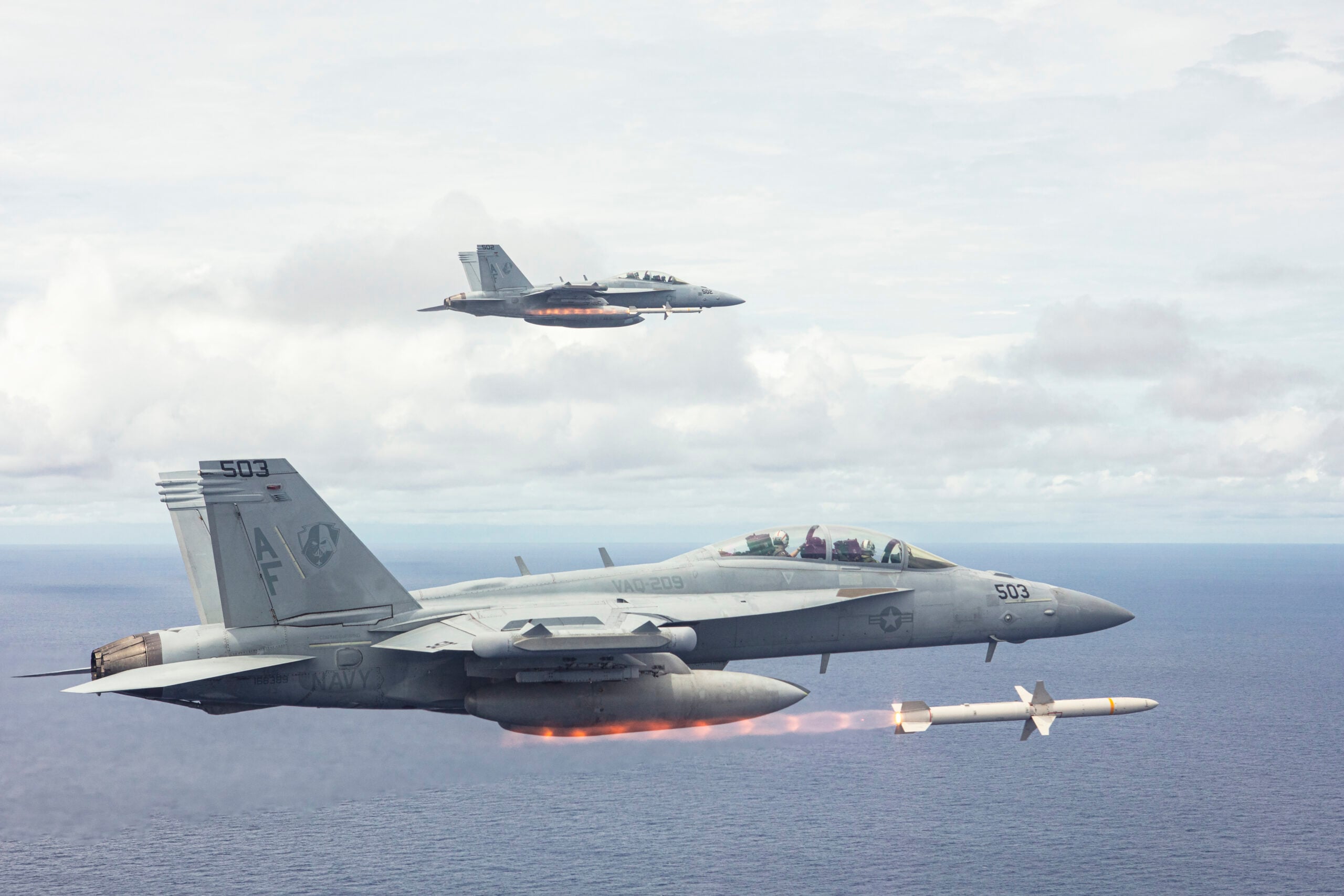
    The U.S. Navy’s appetite for next-generation anti-radar missiles is growing.

    A Naval Air Systems Command Request For Information posted on July 1 is asking industry whether it is capable of supplying up to 600 Advanced Emission Suppression Missiles per year.

    In February — before the Iran War and the consequent guided missile shortage — NAVAIR posted a Sources Sought notice that stated “production demand is expected to be on the order of up to 300 [all up rounds] per year.”

    The new RFI asks for a “mature design” of at least technological readiness stage 6 — the fully functional prototype stage.

    “The U.S. Navy is seeking to enhance its capabilities to suppress and neutralize enemy air defenses in contested environments,” the RFI said. “This effort aims to identify and potentially acquire a weapon system focusing on extended range, advanced targeting, counter-countermeasures, and integration with existing and future platforms.”

    Both the RFI and the earlier Sources Sought share some details. The Navy wants an “advanced anti-radiation seeker with broad frequency coverage” and the “ability to target modern and advanced radar systems.”

    The AESM should be compatible with the F/A-18 E/F and the EA-18G, as well as being capable of mounting internally and externally on the F-35. It should also require minimal maintenance, and have at least a 15-year service life and more than 500 captive carriage flight hours.

    But the RFI does not include several specifications contained in the Sources Sought. In particular, the Sources Sought asked companies to “describe ability to engage air-to-air and air-to-ground targets.”

    The RFI doesn’t mention an air-to-air capability for the AESM. Nor does it repeat the Sources Sought call for an anti-radiation missile “with a longer range than existing in the Navy’s current inventory.”

    The Navy’s existing anti-radar missile, the 1980s AGM-88 High Speed Anti-Radiation Missile, or HARM, has a range of up to 80 miles, depending on the launch aircraft’s altitude.

    The AGM-88G Advanced Anti-Radiation Guided Missile Extended Range, or AARGM-ER, has a longer range. But amid development delays — including problems with the rocket motor and software — the Navy has paused procurement for the AGM-88G, with limited procurement set to resume in Fiscal Year 2028.

    The U.S. has sent HARMs to Ukraine for use against Russian air defense radars. However, the Ukrainians are replacing them with domestically produced attack drones, perhaps out of concern over the limited number of HARMs received.

    This post was originally published on this site.

  • US Navy aviator missing after helicopter makes emergency landing in Arabian Sea

    US Navy aviator missing after helicopter makes emergency landing in Arabian Sea

    Editor’s note: This is a developing story.

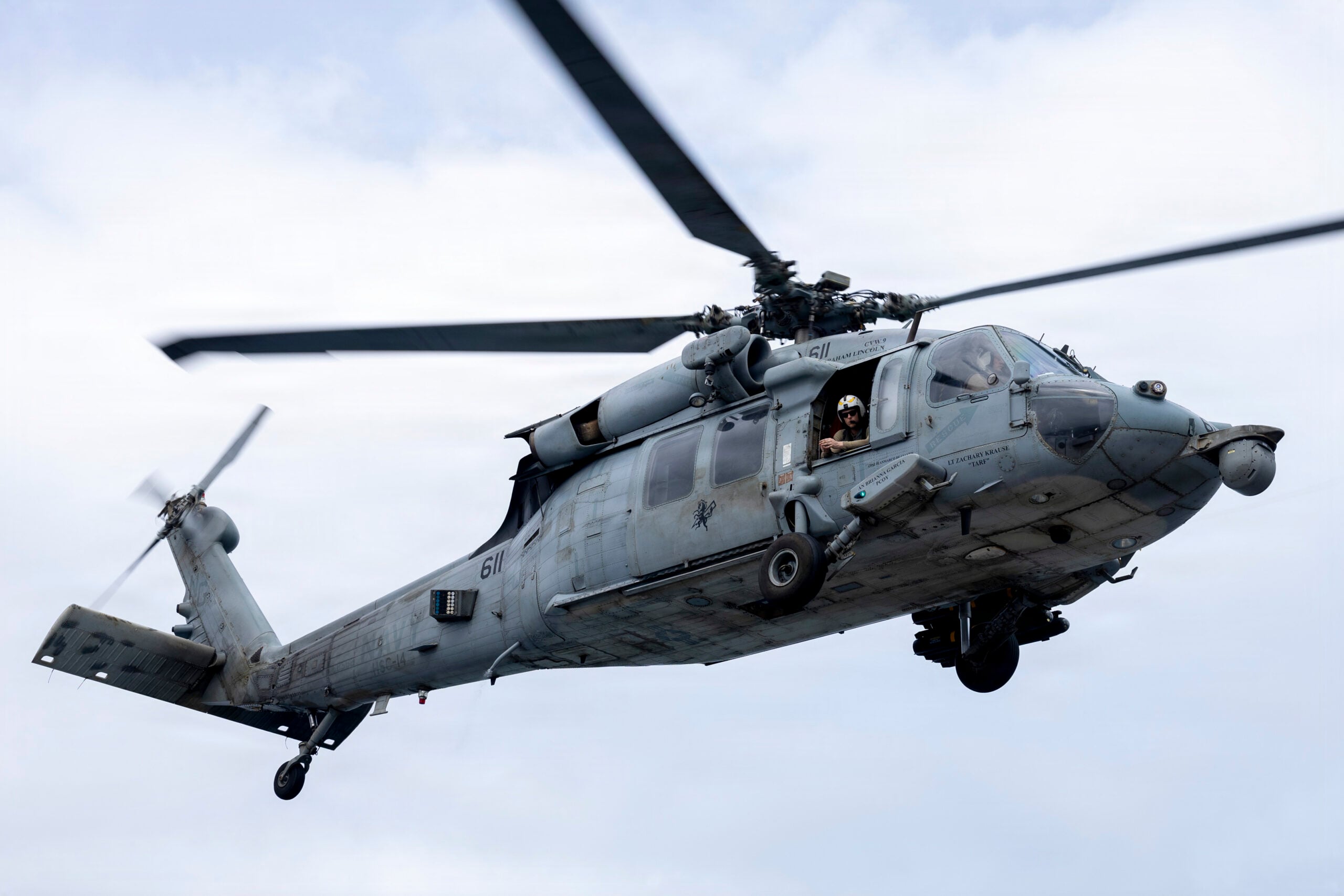
    A U.S. Navy aircrewman is missing after a helicopter carrying four crew members made an emergency landing in the Arabian Sea on Wednesday, the Navy said.

    The MH-60S Sea Hawk helicopter, assigned to the USS George H.W. Bush, had an emergency water landing at 3:30 a.m. EDT. While the cause of the emergency landing wasn’t immediately clear, the Navy said it did not appear to be the result of any hostile activity.

    “Three of the helicopter’s four crew members have been recovered and are in stable condition aboard George H. W. Bush,” the Navy said. “U.S. Navy assets in the region are currently searching for other aircrewman still missing.”

    The circumstances surrounding the incident are under investigation.

    This post was originally published on this site.

  • 64 sailors sickened by diesel exhaust fumes from USS Nebraska

    64 sailors sickened by diesel exhaust fumes from USS Nebraska

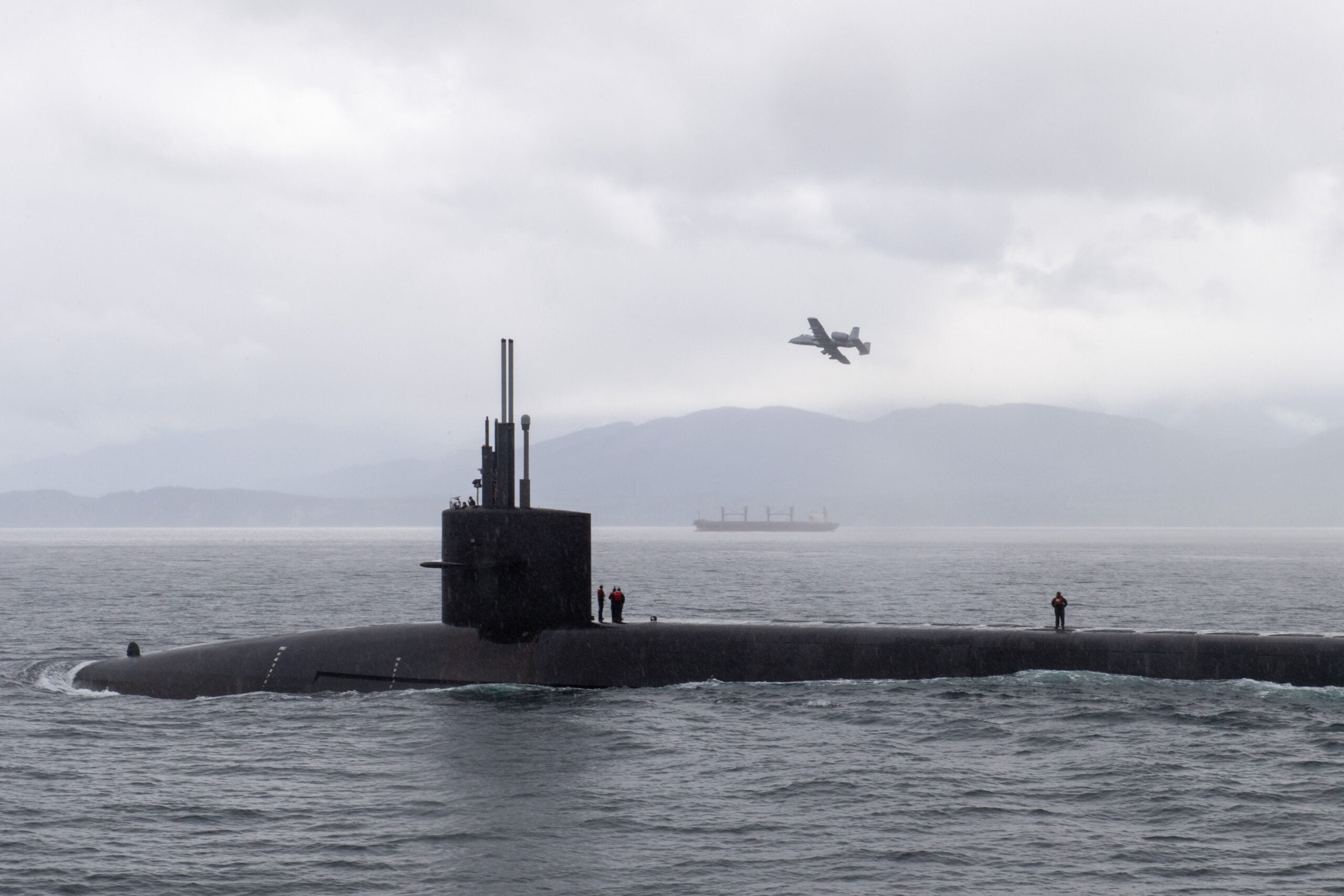
    Dozens of U.S. Navy service members became ill after being exposed to diesel exhaust fumes from the Ohio-class ballistic missile submarine USS Nebraska on June 22, the Navy confirmed.

    Sixty-four sailors experienced coughing, headaches, lightheadedness, dizziness and nausea while working a routine pier shift at Naval Base Kitsap-Bangor in Silverdale, Washington.

    The service members were near a functioning backup diesel generator when the poisoning occurred. They also experienced irritation of the eyes, nose and throat.

    “The Navy is working to identify the precise cause of the event and will take corrective action as appropriate,” the service said.

    Six sailors were admitted for further medical attention, but all have since been released.

    The diesel generator onboard does not affect the submarine’s nuclear reactor when running, the Navy said, and the reactor was undisturbed.

    The 560-foot-long Ohio-class ballistic missile submarine is designed to carry ballistic missiles and nuclear warheads and can descend to depths of 800 feet.

    This post was originally published on this site.

  • Time spent on select Super Hornet repairs could be cut in half with Navy’s 3D printing

    Time spent on select Super Hornet repairs could be cut in half with Navy’s 3D printing

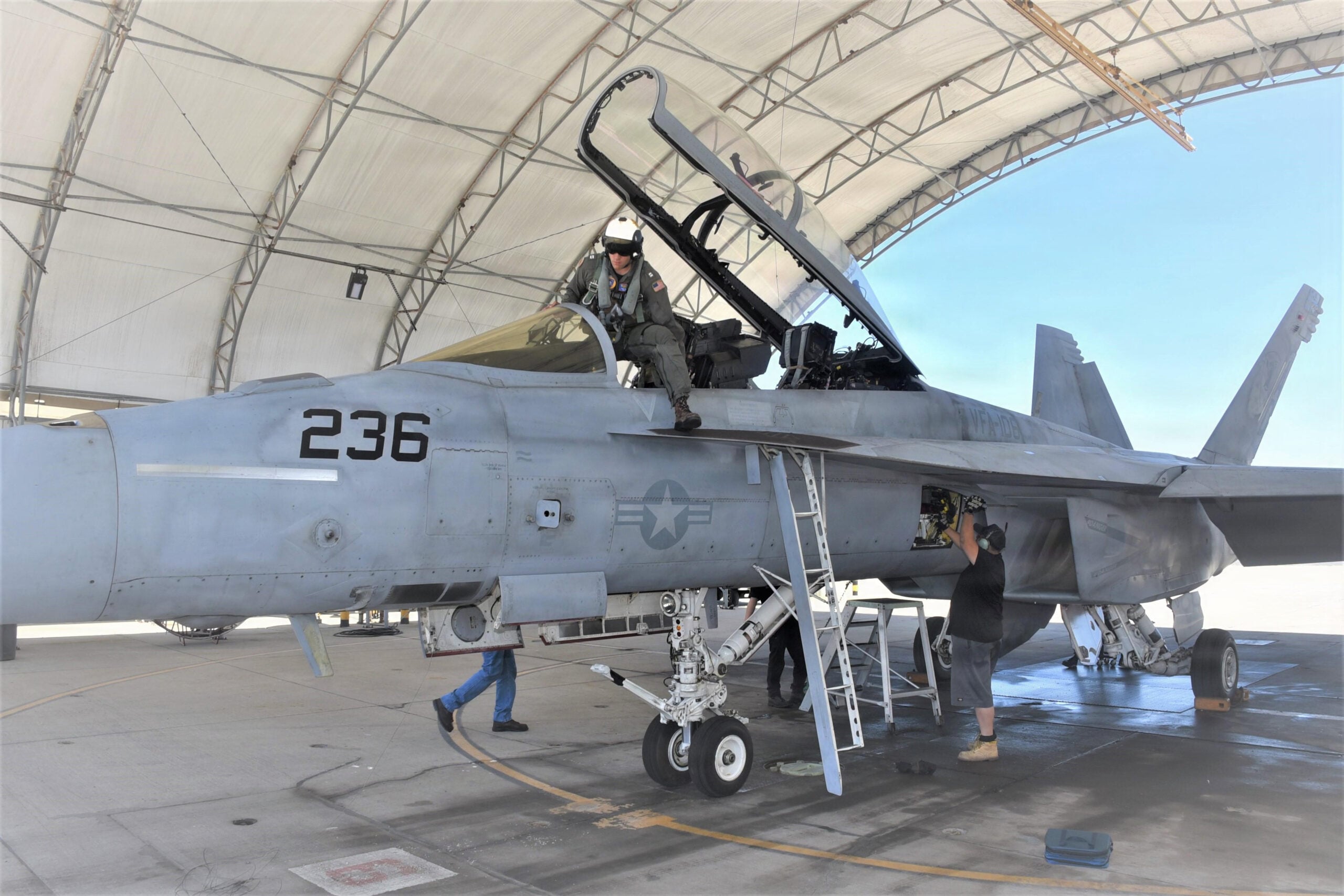
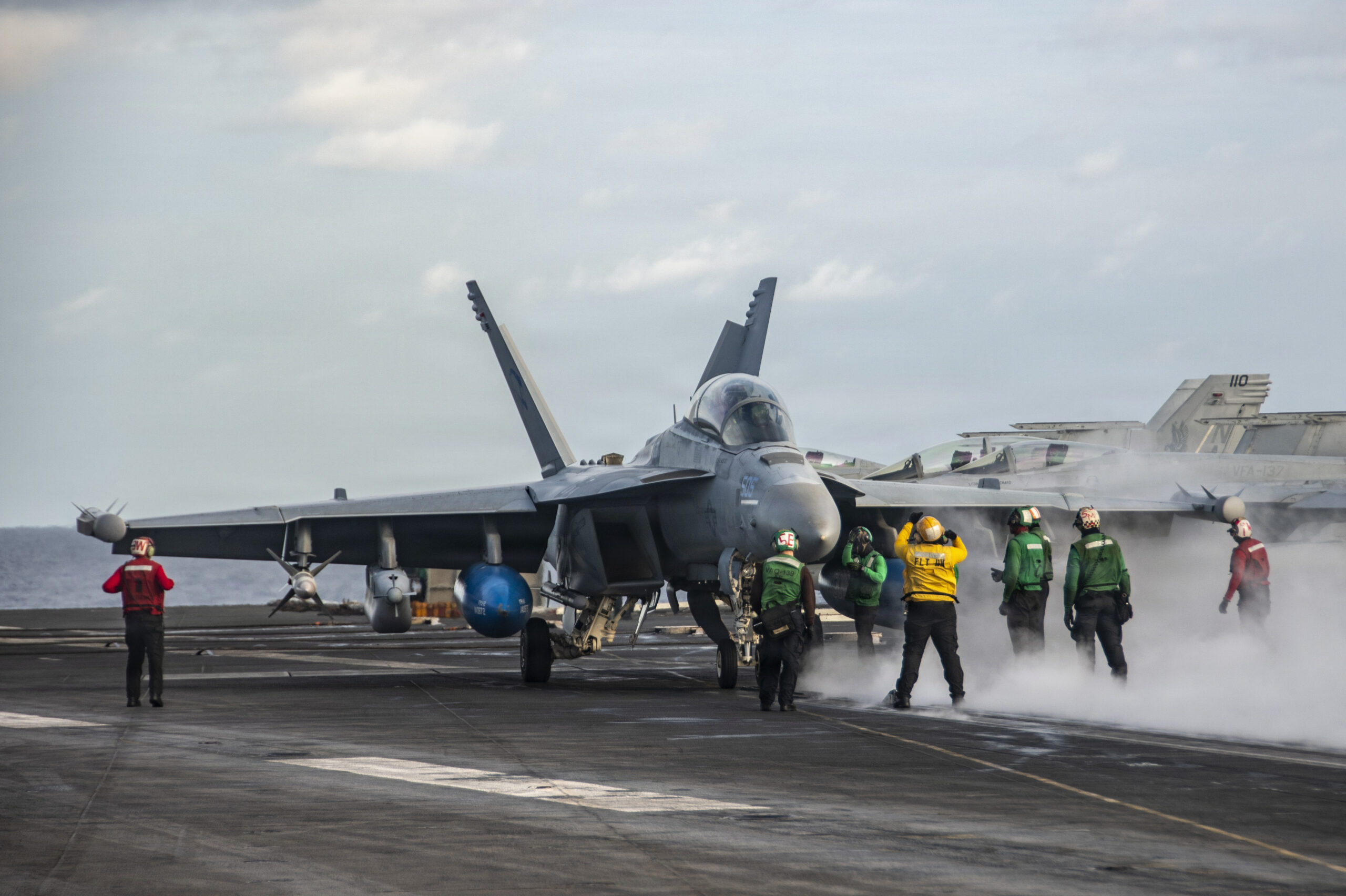
    Composite repair time for F/A-18 Super Hornets could be slashed in half with a groundbreaking 3D-printing repair method, according to the Naval Air Warfare Center Aircraft Division.

    By utilizing a “high-performance, 3D-printed composite patches that can be applied directly onto the aircraft,” the 3D-printing method has the possibility of enabling sailors to perform complex composite fixes directly at forward operating bases, abandoning the need for “highly specialized maintenance artisans” and lengthy turnaround times that can cause severe delays, a Wednesday release notes.

    “Our goal is to put capability directly into the hands of the Fleet,” NAWCAD Commander Rear Adm. Todd Evans said in the release. “By simplifying a complex repair so it can be done forward, our engineers would get aircraft back in the fight faster — it’s a smart solution that makes our squadrons more self-sufficient and directly improves operational readiness.”

    Typically, the repair of the grounded F/A-18 can cause significant delays as naval crews wait for parts to be shipped back to repair depots in the U.S. and then shipped back to the fleet. In the interim, the Navy loses critical combat capability as it stretches to repair its fighter jet.

    To contend with this, a joint team of engineers from NAWCAD and Fleet Readiness Center Southwest developed the 3D-printed composite patches, allowing crews to rapidly assess and repair the damaged plane in 50% less time.

    After successful lab and ground tests, flight-tests are slated to begin on operational aircraft this summer.

    The patch job comes as the U.S. Marine Corps moves to deactivate all remaining Hornet squadrons by 2030 and eliminate the maintenance specialties associated with the aging fighter jet as it transitions to an all-F-35 tactical aircraft fleet, according to previous Military Times reporting.

    According to the release, 22 Navy maintenances sites across the globe already possess 3D printers, potentially allowing for swift repairs where the aircraft actively operate.

    This post was originally published on this site.

  • Ukraine is launching strike-drones from everything – including Black Sea robo-boats

    Ukraine is launching strike-drones from everything – including Black Sea robo-boats

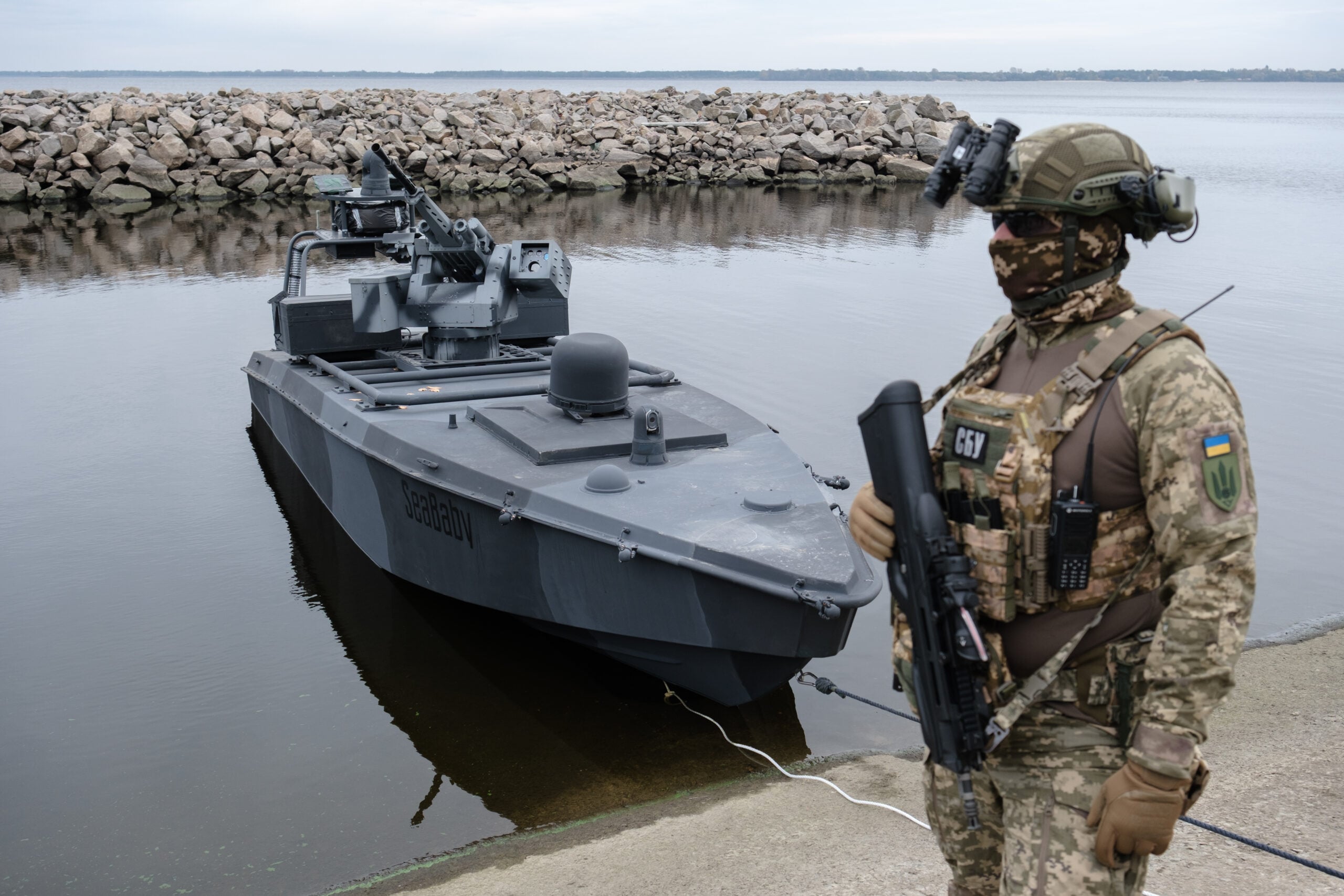
    KYIV, Ukraine — Ukraine has turned its signature naval drone – the little boat that drove Russia’s fleet out of the western Black Sea – into a launch platform for first-person-view attack drones, putting Kyiv’s strike reach beyond the coast.

    The Sea Baby, a strike boat built and operated by Ukraine’s Security Service, or SBU, can now carry six to eight FPV drones in side compartments that open during an attack, alongside thermobaric Shmel rockets, according to Russian accounts of the boats operating around the Kinburn Spit, roughly 40 miles east of Odesa, shared by Forbes.

    Ukrainian officials count on the autonomous vessels’ ability to move closer toward Russian military positions than land-based launchers could, with the SBU assuming a range of 930 miles (1,500 kilometers) on a 4,400-pound (2,000-kilogram) payload. Some of the drones in the cargo hold are guided by fiber-optic cable, leaving them immune to the radio jamming that downs ordinary FPVs, according to Forbes.

    Ukraine has turned nearly everything it fields into an FPV launcher. Sea drones carrying fiber-optic FPVs struck the Russian ports of Tuapse and Novorossiysk in September. Several companies have rigged ground robots to fire the same drones, and both sides have flown balloons carrying them.

    “The SBU became the first in the world to pioneer this new kind of naval warfare,” Brig. Gen. Ivan Lukashevych said at an unveiling of the Sea Baby’s latest generation in October 2025, “and we continue to advance it.”

    Ukraine fields two distinct naval drone families.

    The Sea Baby is developed and operated by the SBU, Ukraine’s domestic security service. The Magura – built by Uforce for the GUR, Ukraine’s military intelligence directorate – is a separate system with its own lineage and export path.

    The Sea Baby is primarily remote-piloted from a mobile ground station but carries AI-assisted targeting and navigation systems that allow it to operate autonomously when communications are jammed or degraded – a design imperative born from Russia’s intense electronic warfare environment over the Black Sea.

    American forces have begun using the boats themselves.

    U.S. special forces sank a target ship with a Ukrainian Magura at the Balikatan 2026 exercise off the Philippines on June 24, the first use of the technology in the Indo-Pacific.

    The interest is not one-off. A cheap, expendable boat that can carry a cluster of attack drones to within striking range is exactly the kind of weapon the United States is looking for as it prepares for a possible war with China across the Pacific’s vast distances.

    “Magura’s successes on the Ukrainian-Russian front confirm their value for use in the Indo-Pacific region,” Oleg Roginsky, chief executive of Uforce, the London-based startup that makes the Magura, told Bloomberg last week.

    Uforce is in talks with Indo-Pacific buyers and weighing at least two production sites in the region, Roginsky said. Ukraine barred weapons exports in 2022 to keep its arms at the front, and only began opening that market in 2025.

    Ukrainian naval drones have sunk or damaged roughly a dozen Russian warships since 2022 and forced the Black Sea Fleet to pull its main operations back to Novorossiysk, the U.S. Naval Institute reported in September.

    Each boat costs a few hundred thousand dollars, below the price of a single modern torpedo.

    The Pentagon is studying the lesson as it shifts focus toward a possible conflict with China.

    The U.S. Navy expects to field thousands of small uncrewed surface vessels across the Indo-Pacific by 2030, Capt. Garrett Miller, who leads its Surface Development Group One, said at a Navy symposium on April 20, as reported by USNI News.

    In a report last July, the Center for Strategic and International Studies urged the U.S. military to copy Kyiv’s acquisition methods, arguing that “unlike theoretical models or peacetime pilots, Ukraine’s innovations in defense acquisition are battlefield tested.”

    And Ukraine has continued to innovate. Its Sub Sea Baby underwater drone struck an Improved Kilo-class submarine at its pier in Novorossiysk on Dec. 15, the first time an unmanned underwater vehicle has hit a submarine in port, the SBU said.

    Russia denied any damage, but satellite imagery taken the following day showed a 9-meter crater in the pier, the submarine visibly lower in the water, and the vessel, later identified as the B-271 Kolpino, unmoved at its berth more than a month later. Ukrainian and independent analysts assessed it as a mission kill.

    NATO is already training with Kyiv’s tactics, too.

    Ukraine’s navy led a NATO red team and beat the alliance’s blue force in all five scenarios at the REPMUS naval-drone exercise in Portugal in September, the first time it had run the opposing force.
    This post was originally published on this site.

  • Vessel that aided in discovery of famous WWII shipwrecks finds new life in US Navy

    Vessel that aided in discovery of famous WWII shipwrecks finds new life in US Navy

    The research vessel of the late Paul Allen, co-founder of Microsoft, has found new life.

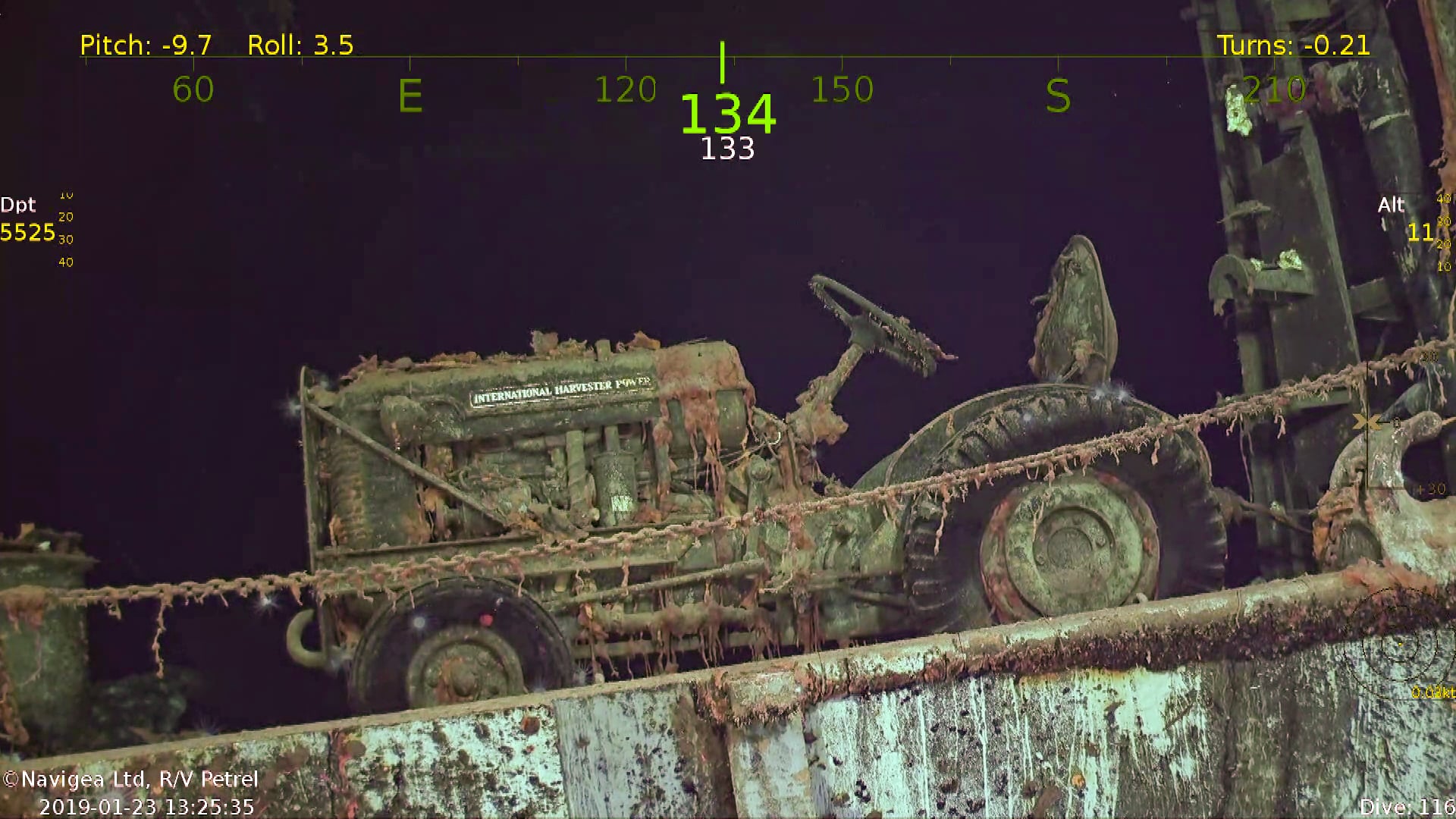
    The R/V Petrel, the maritime brainchild of Vulcan Inc.’s director of undersea operations and Naval History and Heritage Command, aided in the discovery of famous World War II ships such as the USS Indianapolis (CA-35), USS Juneau (CL-52), Japanese carrier IJN Kaga, carriers USS Lexington (CV-2), USS Wasp (CV-7) and USS Hornet (CV-8).

    Now, the vessel is operating under a new name on behalf of the U.S. Navy.

    An R/V Petrel crew member operates the underwater drone while exploring the Hornet. (R/V Petrel)

    Following Allen’s death, the Navy purchased the vessel in 2022 for $12.5 million, and in 2025 rechristened the Sarah Lynn, the U.S. Naval Institute was first to report.

    While the mission of the Sarah Lynn remains unclear, the R/V Petrel was outfitted with of state-of-the-art sensors and remotely operated vehicles to aid in its underwater archeology mission, making it “an ideal platform to survey underwater infrastructure like communication lines and oil and gas pipelines,” according to USNI.

    This post was originally published on this site.

  • Japanese torpedo sends US ship to the ocean floor during Valiant Shield exercise

    Japanese torpedo sends US ship to the ocean floor during Valiant Shield exercise

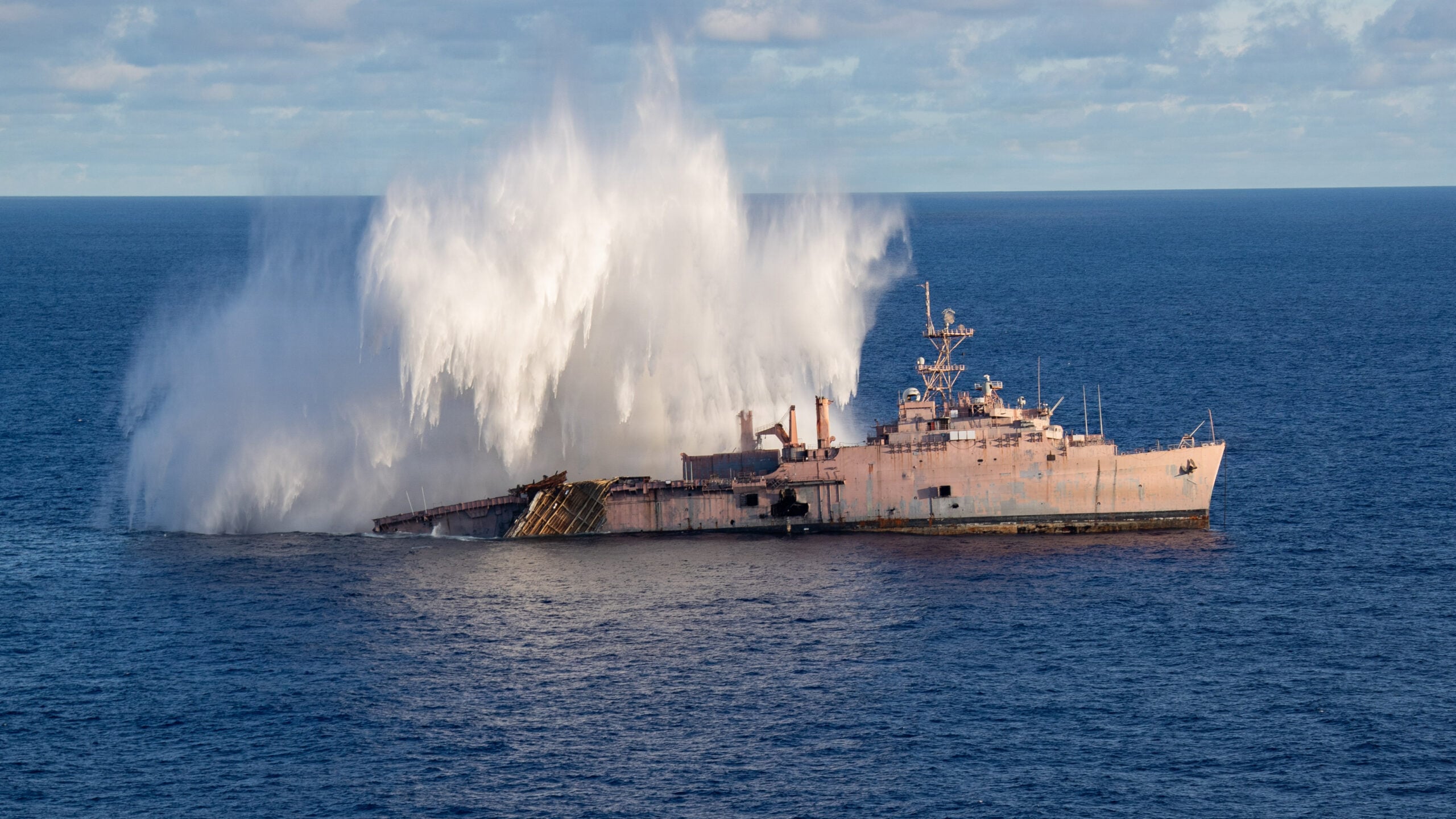
    The U.S. Navy’s decommissioned Austin-class amphibious transport dock ship USS Juneau (LPD-10) was sent to the ocean floor during the ongoing Valiant Shield exercise taking place from June 22 to July 1.

    Sunk more than 200 nautical miles off the coast in the Mariana Islands Range Complex, the death knell to the Juneau came from a torpedo strike from a Japan Maritime Self-Defense Force submarine.

    “This SINKEX provided an outstanding opportunity for our joint team to integrate capabilities across domains, honing the lethal precision and coordination essential for high-end maritime operations in the Pacific theater,” said Rear Adm. Eric Anduze, commander of Carrier Strike Group 5 and Task Force 70.

    Valiant Shield involving the U.S., Japan, Australia, Canada and New Zealand is a biennial field training that builds real-world proficiency in sustaining joint forces through detecting, locating, tracking and engaging units at sea, in the air, in space, on land and in cyberspace, according to the Navy.

    The SINKEX of the USS Juneau comes nearly 84 years after the first USS Juneau, CL-52, was infamously sunk by a Japanese torpedo during the Guadalcanal campaign in November of 1942. Upon contact with the torpedo from Japanese submarine I-26, the Juneau exploded and sank within minutes. Only 10 crew members survived the attack — and among those lost were the five Sullivan brothers. As a result of their loss, according to Naval History and Heritage Command, the U.S. Navy barred close relatives from serving onboard the same ship.

    Juneau (LPD-10) entered service in 1969, seeing action in the Vietnam War and Operation Desert Storm. It was decommissioned in 2008 and was moored in Naval Sea Systems Command Inactive Ships On-Site Maintenance Office at Pearl Harbor before being used by the U.S. and its allies as a means to gain proficiency and confidences in their weapons systems that can not be duplicated in simulations.

    According to the Navy, prior to the sinking of any vessel for participation in a SINKEX, each vessel is put through a rigorous cleaning process, “including the removal of all liquid polychlorinated biphenyls (PCBs) from transformers and large capacitors, small capacitors to the greatest extent practical, and all trash, floatable materials, mercury or fluorocarbon-containing materials, and readily detachable solid PCB items. Petroleum is also cleaned from tanks, piping, and reservoirs.”

    In addition, a Navy environmental, safety and health manager and a quality assurance supervisor are on hand to inspect the environmental remediation conducted.

    This post was originally published on this site.

  • Former leader who served during transformative time for Coast Guard dies at 65

    Former leader who served during transformative time for Coast Guard dies at 65

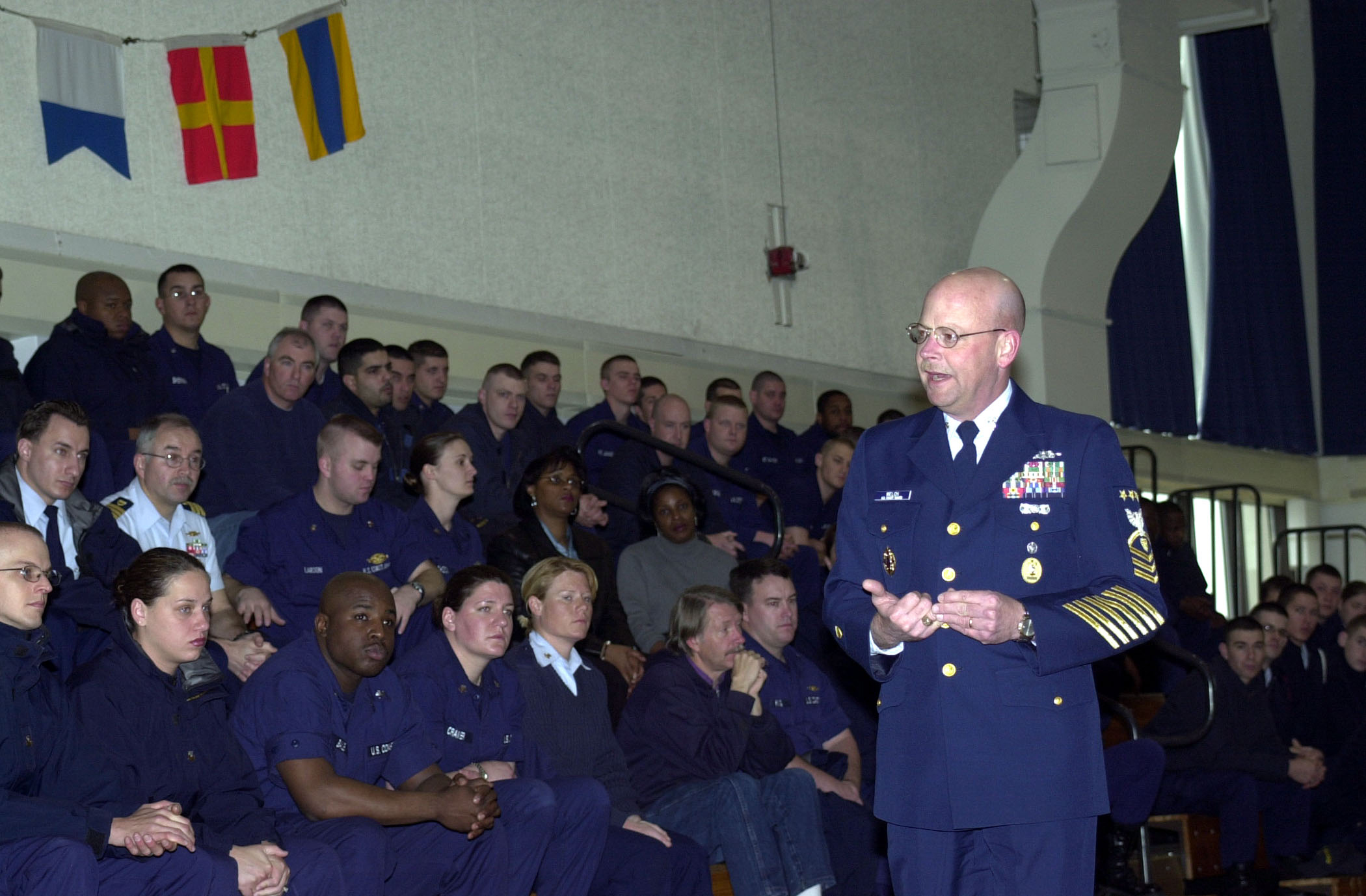
    Frank Welch, who served as Master Chief Petty Officer of the Coast Guard during the service’s post-9/11 transformation, died June 25 at his home in Spotsylvania, Virginia. He was 65.

    Welch was the Coast Guard’s ninth top enlisted chief, serving as MCPOCG from October 2002 to June 2006, a period when the Coast Guard joined the Department of Homeland Security, established specialized units to engage in high threat operations, deployed to support Operations Enduring Freedom and Iraqi Freedom, responded to Hurricane Katrina in New Orleans and reorganized into sectors.

    He served as senior enlisted adviser to then Commandant Adm. Thomas Collins, providing insight on major issues facing the enlisted force, including personnel concerns and challenges with the service’s aging equipment and work and living conditions.

    Welch enlisted in the Coast Guard in November 1979, serving as quartermaster aboard four cutters and as officer in charge of two, the coastal patrol boats Sockeye and Point Chico. He later served as command master chief for the Ninth District — now the Great Lakes District — and school chief of the Chief Petty Officer Academy in Petaluma, California.

    In a Coast Guard-wide message Friday to service members, Commandant Adm. Kevin Lunday and MCPOCG Phillip Waldron described Welch as a “visionary leader and driving force” behind initiatives that shaped the modern Coast Guard workforce, including the creation of the Senior Enlisted Command Master Chief Course and the consolidation of the Chief Petty Officer Academy at Coast Guard Training Center Petaluma.

    During his career, Welch earned the Coast Guard Distinguished Service Medal, three Meritorious Service Meals, two Coast Guard Commendation Medals, a Navy Commendation Medal and other personal awards. He was named Coast Guardsman of the Year in 1991 for his work while serving as an underway navigation and visual communications instructor and training liaison officer at Fleet Training Unit U.S. Atlantic Fleet.

    Welch spent the past decade working as director of corporate business development for PD Systems, a government contractor that provides logistics, engineering and administrative services.

    Welch was born in Wichita Falls, Texas, and grew up in Birmingham, Alabama, where he was active in sports, scouting and outdoor activities. During high school, he was voted “Most Courteous Boy” — a characteristic his obituary said remained a hallmark “throughout his earthly life.”

    He is survived by his wife, Mari Lynn Welch, son, John Allyn Welch, father, John Welch, and two goddaughters, according to his obituary.

    In posts on social media, former colleagues and family members remembered a man who served as a mentor and leader to the force.

    “I’m deeply saddened,” wrote Vince Patton, who served as the eighth Master Chief Petty Officer of the Coast Guard, in a Facebook post announcing Welch’s death. “Frank relieved me as MCPOCG in October, 2002. He was indeed a true friend and was admired by many.”

    Visitation will be held at the Cunningham Turch Funeral Home in Alexandria, Virginia, at 4 p.m. on July 6, followed by a brief memorial service at 6 p.m.

    Welch will be interred at Arlington National Cemetery with full military honors at a later date.

    This post was originally published on this site.

  • Select Navy reserve aviators eligible for up to $40,000 in annual bonuses

    Select Navy reserve aviators eligible for up to $40,000 in annual bonuses

    The U.S. Navy last week announced a slew of annual financial incentives for U.S. Navy reserve aviators in an effort to retain their services.

    As part of the service’s fiscal 2026 Training and Administration of the Reserve Aviation Department Head Retention program, select aviators serving in department head billets may be eligible for annual retention bonuses of up to $40,000, according to a June 26 NAVADMIN.

    “A vital part of developing a total force strategy and maintaining combat readiness is to provide appropriate incentives to retain skilled personnel for critical naval aviation enterprise billets,” the message said.

    The following jobs may be eligible for the listed retention bonuses:

    • Helicopter mine countermeasures operations (HM) pilot: $40,000 per year
    • Helicopter sea combat (HSC) pilot: $30,000 per year
    • Helicopter maritime strike (HSM) pilot: $35,000 per year
    • Helicopter training (HT) pilot: $25,000 per year
    • Electronic attack squadron (VAQ) pilot: $40,000 per year
    • Electronic attack squadron (VAQ) naval flight officer: $40,000 per year
    • Airborne command and control (VAW) pilot: $40,000 per year
    • Airborne command and control (VAW) naval flight officer: $15,000 per year
    • Fleet logistic multi-mission (VRM) pilot: $35,000 per year
    • Fighter squadron composite (VFC) pilot: $40,000 per year
    • Fighter squadron composite (VFC) naval flight officer: $30,000 per year
    • Patrol squadron and unmanned patrol squadron (VP/VUP) pilot: $35,000 per year
    • Patrol squadron and unmanned patrol squadron (VP/VUP) naval flight officer: $30,000 per year
    • Fleet logistics support squadron (VR) pilot: $35,000 per year
    • Fixed wing training for jet-powered aircraft [VT(JET)] pilot: $40,000 per year
    • Fixed wing training for propeller-powered aircraft [VT(PROP)] pilot and naval flight officer: $40,000 per year

    Signed contracts must be received by the Training and Administration of the Reserve Distribution and Augmentation by Aug. 26 of this year, according to the NAVADMIN.

    More information on the retention initiative can be found here.

    This post was originally published on this site.