Editor’s note: This article first appeared on The War Horse, an award-winning nonprofit news organization educating the public on military service. Subscribe to their newsletter.
The midsummer heat reflected off the flightline at Seymour Johnson Air Force Base in North Carolina. It was the summer of 1990 and the beginning of Operation Desert Shield. The entire base was in full deployment mode, with planes forming a long line for departure, sequenced by priority. I climbed the ladder into the second airplane and handed a briefcase full of cash and checks to the noncommissioned officer.
It was reminiscent of an old gangster movie payoff scene, with the cash neatly stacked and bound by rubber bands. I also showed the young airmen a small metal safe, crammed in with the deployment gear, where they could store the money.
As I exited the plane, I understood for the first time the significance of my wartime mission as the base chief financial officer.
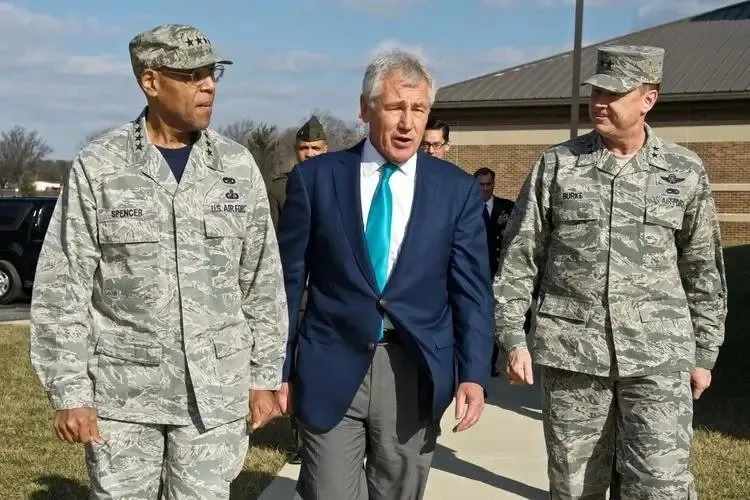
Secretary of Defense Chuck Hagel is greeted by the Vice Chief of Staff of the Air Force Gen. Larry Spencer and the commander of the Air Force District of Washington, Maj. Gen. Darryl W. Burke at Joint Base Andrews in 2015. (DoD photo by Casper Manlangit)
My job included assembling a small cadre of financial troops. Once our team landed in Saudi Arabia, their tasks ranged from tracking and funding the daily costs of the war to paying the troops.
They worked 12-hour days, cashing personal checks, purchasing local goods and services, and balancing the books. They also worked with the contracting team to buy fresh food, portable showers, and construction support.
In the days before online banking, cashing personal checks was a daunting challenge for deployed airmen and their families. As troops cashed checks, their spouses drew from the same accounts back home, making an accurate cash balance nearly impossible to maintain. This led to confusion and, more critically, overdrawn accounts.
At the time, my first officer was a young female lieutenant who was legally responsible for our base’s financial account. But local restrictions on women conducting business with men meant a male junior noncommissioned officer discussed contract terms with local vendors over cups of tea while the female lieutenant could only observe and occasionally nod in agreement.
To complete a transaction, she counted out the cash payment to her male assistant, who in turn recounted the money before handing it to a local merchant. The Saudi men simply wouldn’t accept payments from a woman.
Our systems were somewhat antiquated back then, and tracking operational expenditures against our installation budget was dicey at best. The deployed finance team boxed dozens of vouchers each week and mailed them back to the states, where we sorted through pay stubs and invoices, oftentimes months after the money was spent.
I often felt as though I was juggling a dozen balls in the air, trying desperately not to violate any appropriation laws and guidelines while ensuring our base checkbook remained solvent.
Fortunately, the war was relatively short; however, the intensity of financial support continued after the war ended. As troops began returning home, our finance teams met each arriving aircraft. If we were lucky, we snagged our base members to ensure their overseas pay entitlements were discontinued and avoid overpayments before they left with their families.
Even as the base began settling back into normal training operations, the war-related financial demands rolled on. We replaced used equipment and repaired damaged gear. We restocked aircraft munitions and parts and replenished supply inventories.
My experience echoed that of Syracusan general Hermocrates circa 400 B.C.: “[Carthaginians] have abundance of gold and silver, and these make war, like other things, go smoothly.”
Operation Desert Shield/Storm was an overwhelming success and marked the first major U.S. war since Vietnam. Matching airpower with resources and financial support was an intense yet rewarding experience.
I had assumed it was a once-in-a-career opportunity to defend our country during war — I was mistaken.
Ten years later, I was a senior colonel at Langley Air Force Base, Virginia, serving as the chief financial leader for Air Combat Command. I was in the base gym playing basketball when my assistant said I needed to come to the office immediately. I had been summoned to the commander’s conference room, where we were briefed on the beginning of Operation Iraqi Freedom.
The colonel commander I served with at Seymour Johnson Air Force Base during Operation Desert Storm was now the commander of ACC as a four-star general. Once again, we would support a major war together, albeit on a much larger scale. This time, I would be responsible for ensuring financial support for the war by directing operations from 14 major bases.
Like my previous war experience at a single base, quickly scrambling finance teams to myriad overseas locations was an around-the-clock operation. And the challenge of ensuring the tight linkage between war and money was multiplied exponentially.
Dozens of deployed finance offices were established in the Middle East and at Diego Garcia in the Indian Ocean. Tracking purchases at these deployed locations became an enormous challenge as financial documents were boxed and mailed to a single command location at Shaw Air Force Base, South Carolina, for processing. I once visited and was shocked to see boxed financial documents stacked to the ceiling.
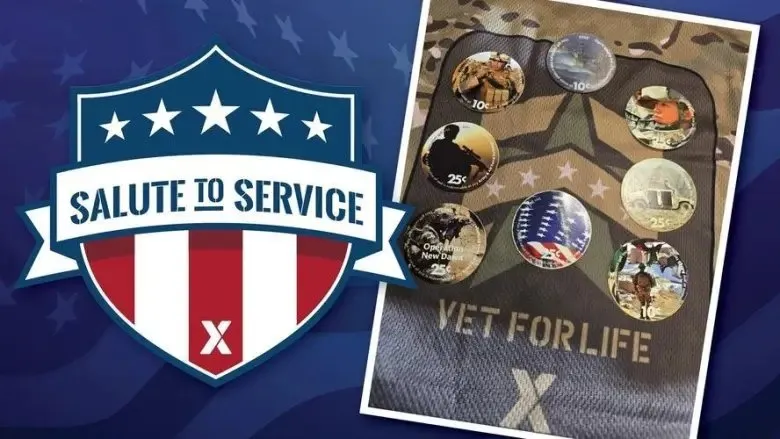
Pogs were used during the Global War on Terrorism to address the lack of coins and have since become a collector’s item. (Photo courtesy of Army & Air Force Exchange Service HQ)
Deployed finance offices also supplied currency to the base exchange service, but there were weight restrictions, and we had to reserve the allotment for high-priority cargo. Consequently, we could not provide coins.
To solve this problem, we worked with the Army & Air Force Exchange Service to use “pogs,” which were thin cardstock cutouts of coins in 5¢, 10¢, and 25¢ denominations to use as change. Technically, pogs were considered gift certificates that were redeemable at any base exchange.
They featured pictures of fighter jets, tanks, historical figures, and military insignia. Pogs were used during Operation Iraqi Freedom and have now become collector’s items.
In addition to maintaining supplies and salaries, money could help bolster spirits.
As any commander or first sergeant can attest, maintaining high morale is integral to a ready fighting force. Seemingly routine actions like troop pay became especially important as financial teams updated pay accounts for promotions and hostile pay entitlements, allowing troops to see the financial rewards of their hard work. Our mantra was, “Troops take care of fighting the war; we take care of their pay.”
But our work wasn’t limited to pay stubs. We once bought sumo wrestling suits! During the initial troop buildup, our forces were on hold, waiting for the order to attack.
So when the troops were not training, local commanders sought opportunities for them to blow off steam and have fun.
Sumo wrestling, a troop favorite, featured large, bulky costumes that resembled the “Michelin Man” commercial. The objective was to put two opponents in a ring and have them bounce off each other until one tumbled.
Sumo wrestling became a popular morale boost within the military community. Here, airmen participate in the Comprehensive Airman Fitness week mental health day at Travis Air Force Base, California, in 2024. (Photo by Kenneth Abbate 60th Air Mobility Wing)
But benefits could also stir interbranch sensitivities.
A bomber commander asked me about the fiscal legalities of providing free haircuts and free Stars and Stripes newspapers for his deployed airmen at Diego Garcia. The Air Force shared the remote location with the Navy, whose sailors were afforded these benefits free of charge. The commander said the perceived double standard had become a real morale issue.
I elevated the issue to the lawyers at the Pentagon, but we couldn’t change it. At the time, Navy regulations allowed sailors to receive those services gratis while they were at sea; the Air Force did not offer similar benefits.
Today, as U.S. forces are once again engaged in hostilities abroad, defense financial officials are juggling accounts to fund a war while supporting the troops. Once again, military lethality is proving to be closely tied with strong financial support.
During my 40-year career, I served in the Air Force from the Vietnam War through Operation Iraqi Freedom. I had a bird’s- eye view on how money and war are inextricably linked. As Milanese commander Gian Giacomo Trivulzio told King Louis XII: “To carry on war, three things are necessary: money, money, and yet more money.”
This Reflection from The War Horse was edited by Kim Vo, fact-checked by Jess Rohan, and copy-edited by Mollie Turnbull.
From Balabac in the southern Philippines to Hokkaido in northern Japan, U.S. Army soldiers have stepped up their training with new long-range weapons along the first island chain, working with allies in exercises that have grown larger and more complex over the past half-decade.
Freed from Cold War-era constraints, the U.S. Army has been upgrading its existing missiles and rocket artillery and developing new, longer-range systems. Those investments are largely in response to the growing size and sophistication of China’s missile arsenal, which the U.S. military worries could deny its forces access to the Western Pacific during a conflict. The intensification of training with the Philippines and Japan reflects a shared concern about China’s military capabilities.
The emphasis on long-range fires in the first island chain is visible in the extended deployments and first-of-their-kind drills involving those weapons, especially the High Mobility Artillery Rocket System. HIMARS can conduct land-attack and maritime-strike missions using guided rockets with ranges of a few dozen miles or ballistic missiles with ranges of a few hundred miles.
U.S. Army HIMARS operated in Japan for the first time in 2021 during an exercise in Hokkaido and were first deployed to Japan’s Southwest Islands, which separate the East China Sea from the wider Pacific, in 2022 for an exercise on an island northeast of Okinawa. Since then, HIMARS has been a common feature of U.S. exercises with Japan, most recently this year’s Keen Sword, for which Army HIMARS were sent to a Japanese island that is only 150 miles east of Taiwan.
The Army’s HIMARS has a longer history in the Philippines, but in recent years, U.S. and Filipino troops have employed it in new roles, such as anti-ship strikes, and in new parts of the country. Exercises in 2024 and 2025 saw HIMARS deployed to Palawan, facing the South China Sea, and to the northern coast of Luzon, facing Taiwan.
This year’s edition of Balikatan, the two countries’ largest annual exercise, showed their ability to move HIMARS around the country by land, sea and air: In April, U.S. soldiers and airmen transported a HIMARS to Itbayat, the Philippines’ northernmost municipality and only 100 miles from Taiwan, for a dry-fire exercise. A few weeks later, an Army watercraft transported a HIMARS launcher to Balabac Island, south of Palawan, for the first time for a live-fire exercise, which showed its ability “to protect shipping going into the Sulu and Celebes Sea,” the Army said.
The ability to move forces into and across the first island chain demonstrates alliance integration and sends a message to rivals, according to Gen. Ronald Clark, commander of U.S. Army Pacific. “It’s really a joint success story,” Clark said at the Association of the U.S. Army’s annual conference in Washington, D.C. this month.
Clark pointed to a recent exercise for which soldiers loaded HIMARS launchers on aircraft at a base in Washington state and flew them to the Philippines, all of which was visible to adversaries. “We then join munitions from Korea that were drawn out of stocks there to the Philippines, where our adversary could see it, and then we conduct a live-fire on the backend of a HIMARS rapid-infiltration operation,” Clark added. “Being able to do that, it, one, takes a lot of skill. Second, it takes a tremendous amount of partnership with, in this case, allies to assist us.”
Clark said improving capabilities in increasingly complex exercises affects adversaries’ thinking. “To be able to conduct operational maneuver and have tremendous tactical effects that then have a strategic effect on our adversary is exactly what we were looking to gain, because what that does is it gives them pause.”
A Filipino fishing boat is seen as a Chinese Jiangkai 579 warship sails near a fleet of U.S. and Philippines naval vessels in the West Philippine Sea, April 26, 2025. (Daniel Ceng/Anadolu via Getty Images)
Over the past two years, the U.S. Army has introduced its Mid-Range Capability, a new ground-based missile system known as Typhon, to its training in the first island chain. Typhon can fire SM-6 missiles at air and maritime targets a few hundred miles away and Tomahawk missiles at land targets up to 1,000 miles away, bringing swathes of China and Russia into range from the Philippines and Japan.
Typhon’s first overseas deployment was in 2024 in the Philippines. It has remained there since then, and in May this year, it was test-fired for the first time, striking a target in central Luzon from nearly 400 miles away. The Army sent a Typhon to Japan for the first time in August 2025 for an exercise the following month, but the weapon lingered until November that year. It returned to Japan this summer, deploying to the southernmost of Japan’s main islands for exercises in June and September and moving to a base on Okinawa for storage in October. U.S. officials told Tokyo the deployment isn’t meant to be permanent, but it has no official end date.
The Typhon was sent to the Philippines at Manila’s request and “has maintained forward presence for now over 30 consecutive months,” Maj. Gen. Bernard Harrington said in a presentation at the AUSA conference. Harrington commands the recently established 7th Infantry Division/Multi-Domain Command-Pacific, which combines the 7th Infantry Division’s ground-maneuver elements with the long-range fires and non-kinetic effects of the 1st Multi-Domain Task Force.
Typhon’s presence in the Philippines has allowed for extended in-theater training, giving soldiers more insight into issues like “How do we sustain in the environment? How do you protect those types of systems in the environment? How do you connect sensor to shooter?” Harrington said in his presentation. “To be able to do that persistently forward and persistently with our ally in the Philippines and our partners is incredibly important for us.”
While the presence of HIMARS and Typhon in new places has been widely publicized, those deployments also create opportunities for U.S. troops to do less visible work to improve communications links and enhance their command-and-control networks, ensuring that friendly forces have a common operating picture of the battlefield and can use their weapons effectively in combat.
China has watched these developments warily. Beijing regularly criticizes U.S. exercises with Japan and the Philippines as provocative and destabilizing, and it has singled out Typhon deployments for vitriol. But experts cited by Chinese state media also say China has an advantage against weapons like HIMARS when they are deployed on islands near Taiwan because the islands’ small size and terrain will hinder mobility and concealment and their remoteness will make it easier to spot and block resupply efforts.
The logistical challenge is real. U.S. war games also emphasize the difficulty of resupplying small islands near Taiwan — but Harrington said it underscores the need for US forces to disperse and adopt lower-cost, lower-signature weapons alongside expensive missiles.
“This maximizes options for the Joint Force while also enhancing the protection and survivability of our soldiers,” Harrington told Defense News at AUSA. “For example, the employment of systems such as long-range one-way-attack drones, unmanned surface vessels, and long-range launched effects may enable our division to achieve a desired effect for the Joint Force while also preserving our larger, more exquisite systems until needed for a specific purpose.”
Bruised and battered, the crew of the Chattanooga Choo Choo were held as prisoners in the complete darkness of an abandoned cistern in rural Romania.
On Aug. 1, 1943, Lt. Ernie Poulson co-piloted the Consolidated B-24 Liberator on a low-level bombing run of an oil refinery in Campina — part of the deadly American aerial raid of the Ploesti oil fields, codenamed Operation Tidal Wave. His aircraft was one of 53 lost that day. Paulson and his crew crash-landed on a river bank and were taken captive by the Romanian home guard.
As they awaited their fate in that dank, dark pit, the young American airmen could hear a commotion above them. Suddenly, a trap door opened and a head appeared. A woman’s voice spoke to them in heavily accented English:
“Hello, boys. There are only friends here. Now come up and let us help you.”
Poulson and the others didn’t know it at the time but they had just been saved by a guardian angel. Princess Catherine Caradja, a member of Romanian royalty, was now responsible for their lives as the hell of World War II raged around them in Europe.
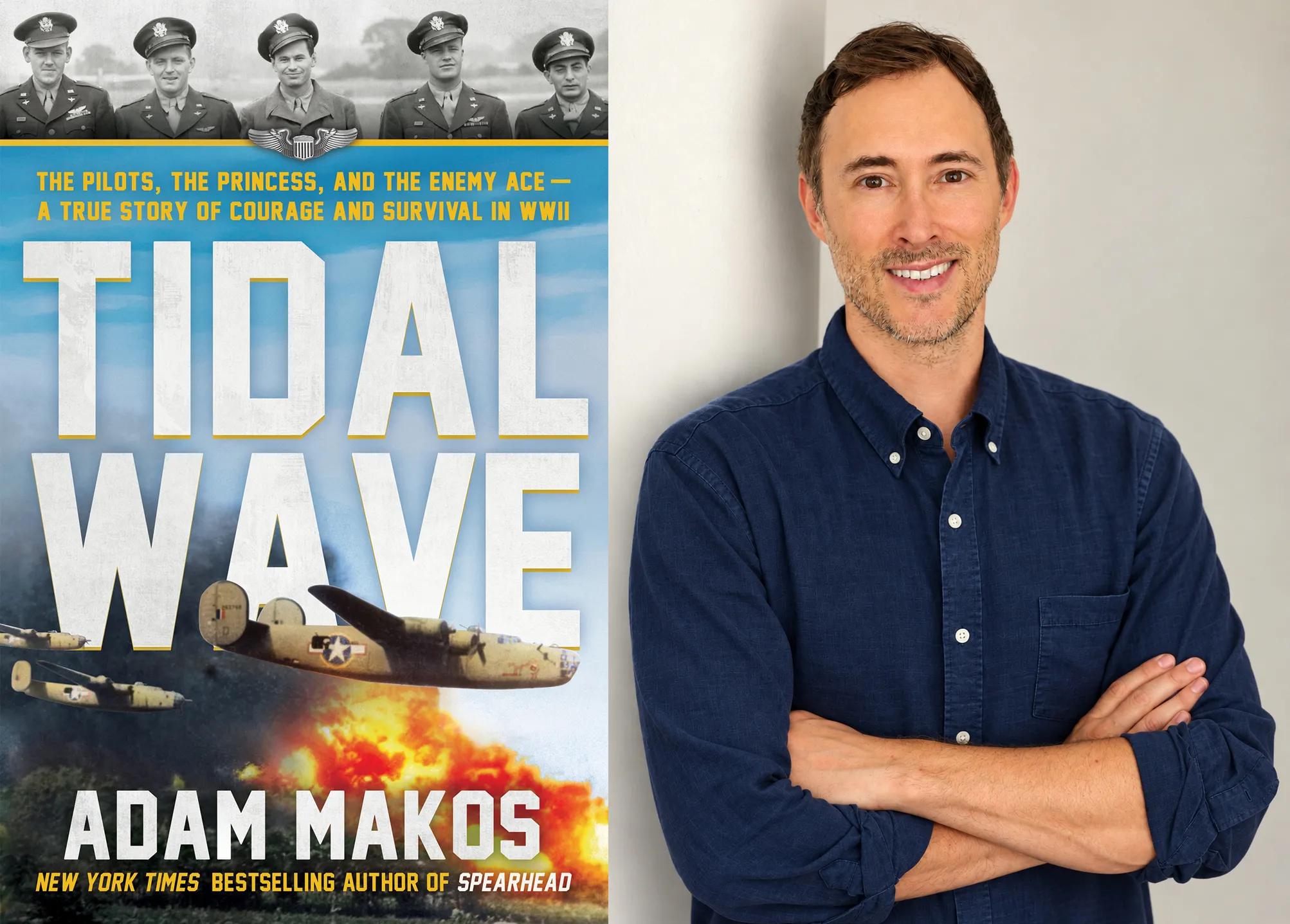
Published by Ballantine Books, Tidal Wave is available for purchase at bookstores and online Nov. 3. (Adam Makos)
“That’s what the brass thought in 1943 when they sent those bombers into Romania at low level: wipe out Hitler’s refineries in one great raid,” Makos told Military Times.
“They said it would shorten the war by six months. The truth was, Operation Tidal Wave was the opening salvo in a campaign that took an entire year to knock Romania out of the war and deny Hitler its oil. It took more than 67 American missions — and 237 bombers lost — to batter Romania enough to cause regime change,” he added.
At the time, Romania was a reluctant ally of Germany. Ruled by a despotic fascist, the country had joined the Axis powers to fight its archnemesis, the Soviet Union. However, many in Romania were wary of the Nazis and favored the Allies.
One of those who believed the country was on the wrong side of the war was Princess Catherine. When the Chattanooga Choo Choo crashed on her estate, she took an active interest in the welfare of its crew, rescuing them from internment in a Luftwaffe POW camp.
Princess Catherine Caradja. (Caradja family archives)
Instead, Poulson and his men went to a safer Romanian prison camp where Princess Catherine could protect them. She even managed to have the camp commander replaced when he became too severe in his handling of the Americans.
Makos was tipped off to the story by Frederick W. Smith, founder of FedEx, who died in 2025. Smith told the author about Poulson and how his crew was aided by the Romanian princess. As the author investigated, he learned the B-24 copilot was still alive
“We found one of the last survivors of the 1,700 men that flew that mission in 1943. I was overjoyed,” says Makos, adding, “Ernie had a sharp mind and was physically fit. At 97, as he was telling me this story, you could tell he was still a tough guy.”
As the war progressed, more and more Romanians were killed in the senseless slaughter of the Eastern Front in Russia. Support for the Nazis weakened and in 1944, the country’s monarch — Michael I, who was king in name only — led a coup against the country’s dictator and flipped sides to join the Allies.
Lt. Ernie Poulson. (National Archives)
This enabled Romania’s leading fighter ace — Prince Constantin “Buzz” Cantacuzino, who hated the Nazis — to assist Allied airmen held prisoner in his country, including Lt. Col. James Alexander Gunn, the highest-ranking U.S. officer shot down in the Ploesti Raid.
In a Messerschmitt Bf 109 painted with two large American flags on its sides, Cantacuzino flew Gunn to safety in Italy. From there, the colonel helped plan the Operation Reunion rescue of more than 1,000 captured Allied airmen, including Poulson and his crew, in Boeing B-17 bombers converted into troop transports.
Like most of Makos’ books, the narrative doesn’t end with the guns falling silent. The author writes about how Princess Catherine and Poulson meet again years later in Europe, where the American learned just how much was at stake for his benefactor if she had been caught.
After the Communists seized control in Romania, Catherine escaped to America, where she lived in Texas with one of the airmen on Poulson’s plane: Richard Britt. Following the Romanian Revolution in 1989, the princess returned to her homeland, where she died at 100 in 1993.
“This is such an amazing story,” Makos says. “We were so lucky that many of the people involved wrote memoirs, so we were able to piece it together and triangulate all the incredible events for accuracy. I interviewed Ernie Poulson in 2018 to get his side of it. He played such a movie-like role in this story.”
Poulson later headed the Atlas missile program for the U.S. Air Force, retiring as a colonel in 1961. He then became a professor of business at the University of Utah. He died in 2020.
Tapping into unreleased family archives, diaries, letters and firsthand accounts, Makos crafts a fast-paced, action-packed narrative that ties together many important individuals and historic events into a personal story about World War II. By presenting this aspect of the Ploesti Raid, he says he is focusing on the brave men who sacrificed so much to stop the Nazi war machine.
“Some 310 of them gave their lives, and they did help bring about an earlier end to the most terrible war in human history. Are we a country that remembers our heroes, those audacious young men who flew into the jaws of hell? Or will they be just a footnote in history?
“That’s why I wrote Tidal Wave: to make sure their names and their story are known.”
The Pentagon wants ketamine wafers. And it seems to want them now.
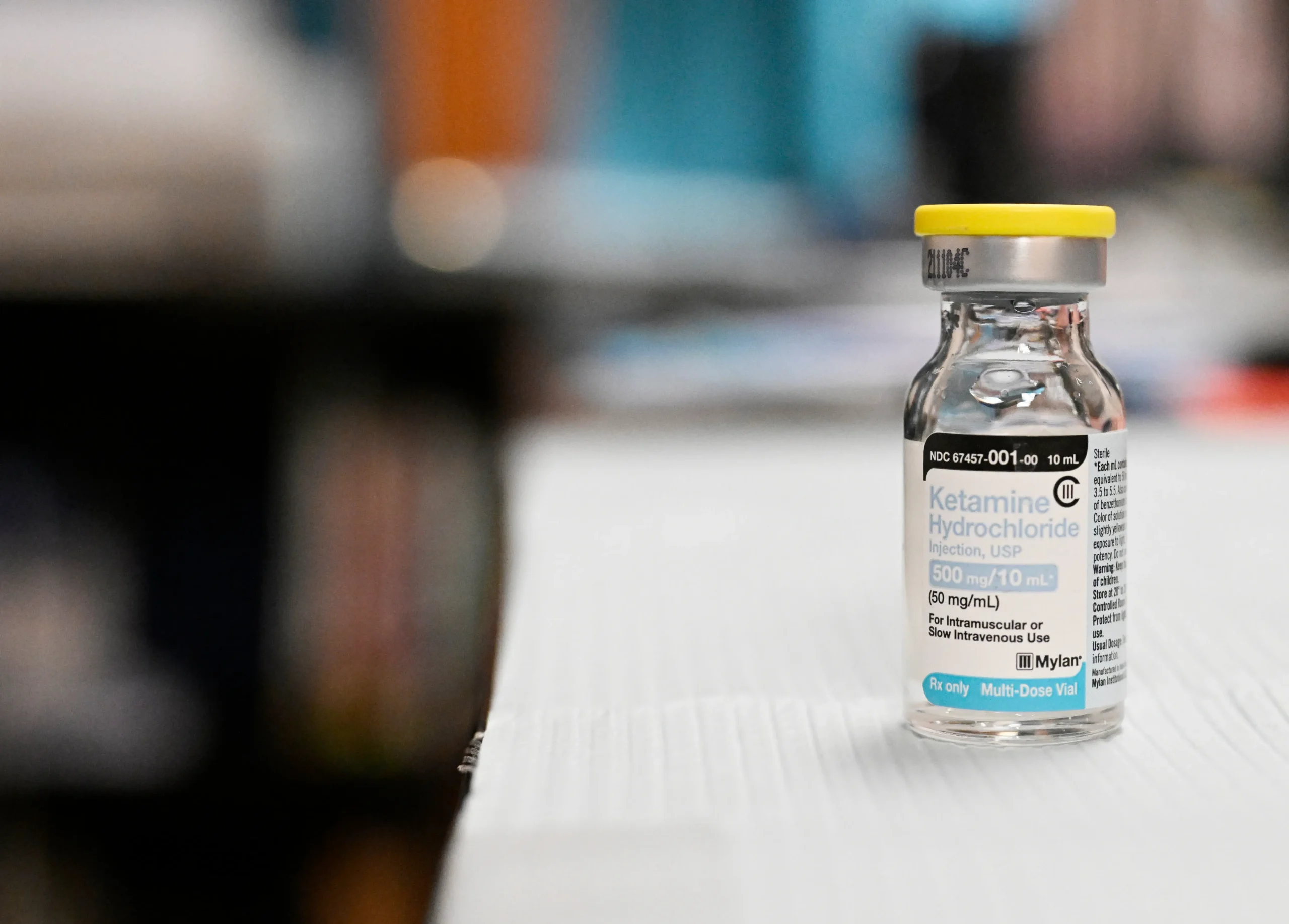
Earlier this year, the Defense Department awarded a nearly $41 million development contract to Singapore-based iX Biopharma to develop Wafermine, a small, ketamine-packed wafer that dissolves under the tongue.
Recently, the drug’s manufacturer announced that it is pursuing an emergency authorization that could make the medication available to troops before it receives full Food and Drug Administration approval, citing a September U.S. declaration of a military emergency that justifies the emergency use of drugs deemed necessary by the Pentagon.
A federal emergency use approval declaration by the U.S. Department of Health and Human Services on Sept. 3 opened the possibility of early official authorization, giving the FDA a route to use unapproved medications to treat war wounds.
According to the notice, on July 15, Defense Secretary Pete Hegseth determined “a military emergency, or significant potential for a military emergency, involving a heightened risk to U.S. military forces of an attack with a chemical, biological, radiological, or nuclear agent or agents,” or an attack with agents that would cause life-threatening injuries.
The declaration continues: “Injuries arising from these attacks may cause those forces to experience moderate to severe acute pain and place them at risk of developing life-threatening hemodynamic instability, including shock or respiratory distress.”
Because of Hegseth’s determination, Health and Human Services Secretary Robert Kennedy, Jr. declared that “circumstances exist justifying the authorization of emergency use of drugs” identified by the Pentagon.
The notice did not elaborate on the emergency circumstances or state which drugs would be identified for emergency authorization.
A Politico investigation published Tuesday found that iX Biofarma’s domestic manufacturing partner lacks the Nevada license required to operate.
iX Biofarma called the non-opioid medication the “world’s first sublingual ketamine for acute moderate to severe pain,” and said the wafer enables a different delivery mechanism, letting patients absorb the ketamine through the mucous membrane into the bloodstream.
Typically administered via injection, ketamine can alleviate pain, increase euphoria and cause dissociation and amnesia.
A 2023 study found that opioid use to alleviate battlefield injuries decreased between January 2010 and December 2019, while ketamine use increased.
The researchers found that “ketamine is generally used first for more severely injured patients and has increasingly been employed by the U.S. military as the primary analgesic for combat casualties.”
The company said it received a “sole-source” award for Wafermine development, meaning it did not solicit other vendors.
A pair of Marines filed a class-action lawsuit Tuesday against the Pentagon over a data breach at the Defense Manpower Data Center, or DMDC, arguing it allowed scammers to obtain and use their personally identifiable information, or PII.
In the complaint filed in federal court in the District of Columbia, Marine veteran Tristyn Edwards and active-duty Marine Morgan Stampfli allege that they experienced fraudulent charges on their financial accounts and an increase in spam messages because of the breach.
In September, the DMDC said it had discovered a vulnerability on July 16 in a file-sharing system that allowed unauthorized users to access unencrypted files containing personal information, including full names, Social Security numbers, birth dates and military occupations.
According to the lawsuit, the vulnerability exposed millions of files containing information on service members and people affiliated with the military for approximately nine months before it was discovered.
The lawsuit also alleges that the DMDC failed to “promptly notify” affected individuals, some of whom were informed two or three months after the breach was found.
“The exposure of Plaintiff and Class members’ PII will cause various types of misuse in the coming months and years, including but not limited to, unauthorized credit card charges, unauthorized access to email accounts, identity theft, and other fraudulent use of their Private Information,” the lawsuit says.
The lawsuit argues that the Pentagon violated federal privacy laws by failing to protect personal records and maintain compliant cybersecurity systems, despite internal warnings about issues in its systems.
The complaint cites multiple reports from the Defense Department’s Office of Inspector General describing failures by both the department and the DMDC to implement adequate cybersecurity controls.
In a report published days after the breach, the OIG said that “officials have not taken the necessary actions to demonstrate that they were operating at an effective level for 14 of the 20 [Inspector General Federal Information Security Modernization Act] core metrics.”
News of the Defense Department breach emerged alongside reports of a cyberattack targeting FBI personnel files. However, the group responsible for the FBI incident has not been linked to the Pentagon breach. The department offered affected individuals 12 months of credit monitoring and identity-restoration services.
“Had [the Defense Department] properly implemented standard cybersecurity controls — such as regular review of accounts, scanning for vulnerabilities, field encryption or tokenization of sensitive PII like SSNs, and routine monitoring of system logs for suspicious activity — the Data Breach could have been avoided,” the lawsuit says.
Get ready to get a little messy with these gold fever chicken wings! Baked until crispy and tossed in a sweet, tangy, buttery sauce with a kick of heat, they’re perfect for game day, parties, or anytime a wing craving hits!
Three Reasons to Go for the Gold!
Sweet, Tangy, and So Easy: The gold fever sauce is made with honey mustard, hot sauce, and butter. Thats it! You will love how they go together!
All the Crunch, No Frying: Skip the deep fryer! These wings bake up golden and crispy in the oven, with juicy meat inside and plenty of crunch in every bite.
Chicken: This sauce is too good to save just for wings! Try it on chicken breasts, thighs, tenders, or whatever you have on hand!
How to Make Gold Fever Chicken Wings
Inspired by the famous wings from 99 Restaurant & Pub, these Gold Fever chicken wings are easy to make at home! Bake the wings until crispy, then whip up the sweet-and-tangy sauce. If you love wings, try my sweet-and-sour chicken wings or lemon pepper chicken wings next!
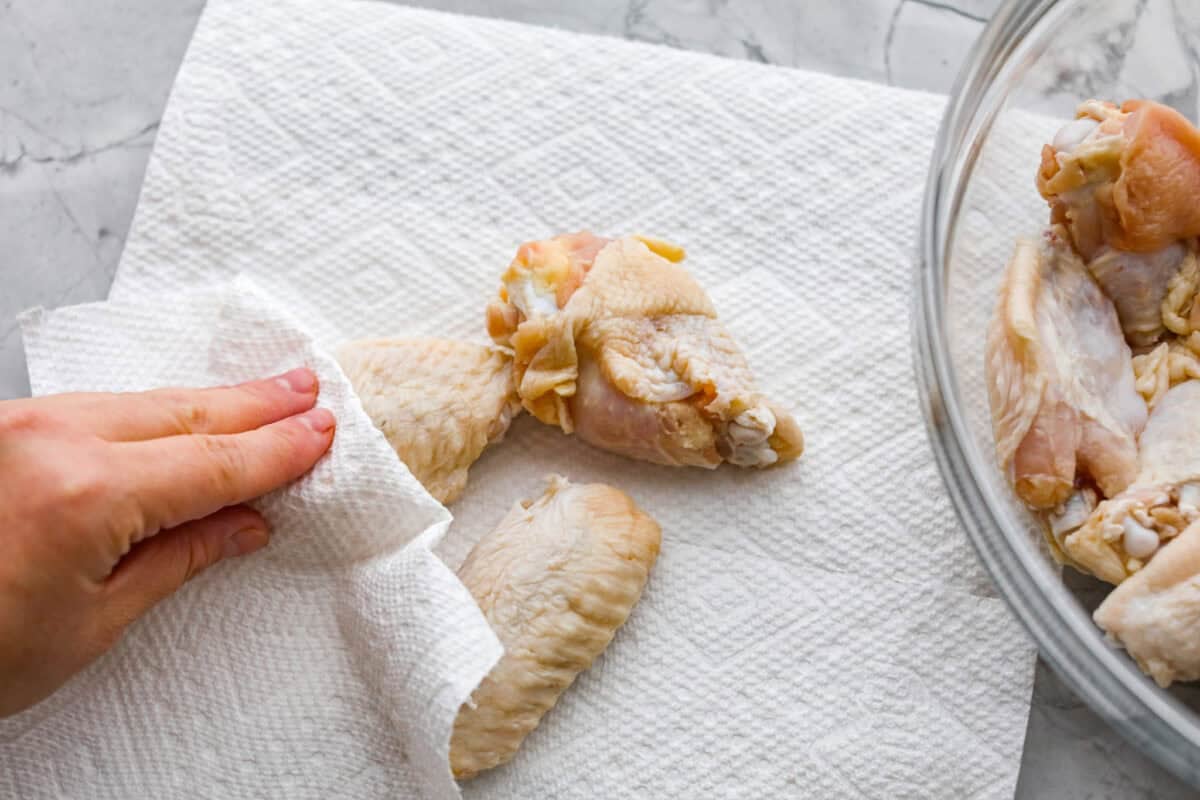
Prep and Dry Chicken: Preheat the oven to 425ºF, then line a baking sheet or two with aluminum foil or parchment paper, place the baking rack on the baking sheet, and spray well with nonstick cooking spray. Set aside. Pat the chicken wings very, very dry with paper towels, then add them to a large bowl.
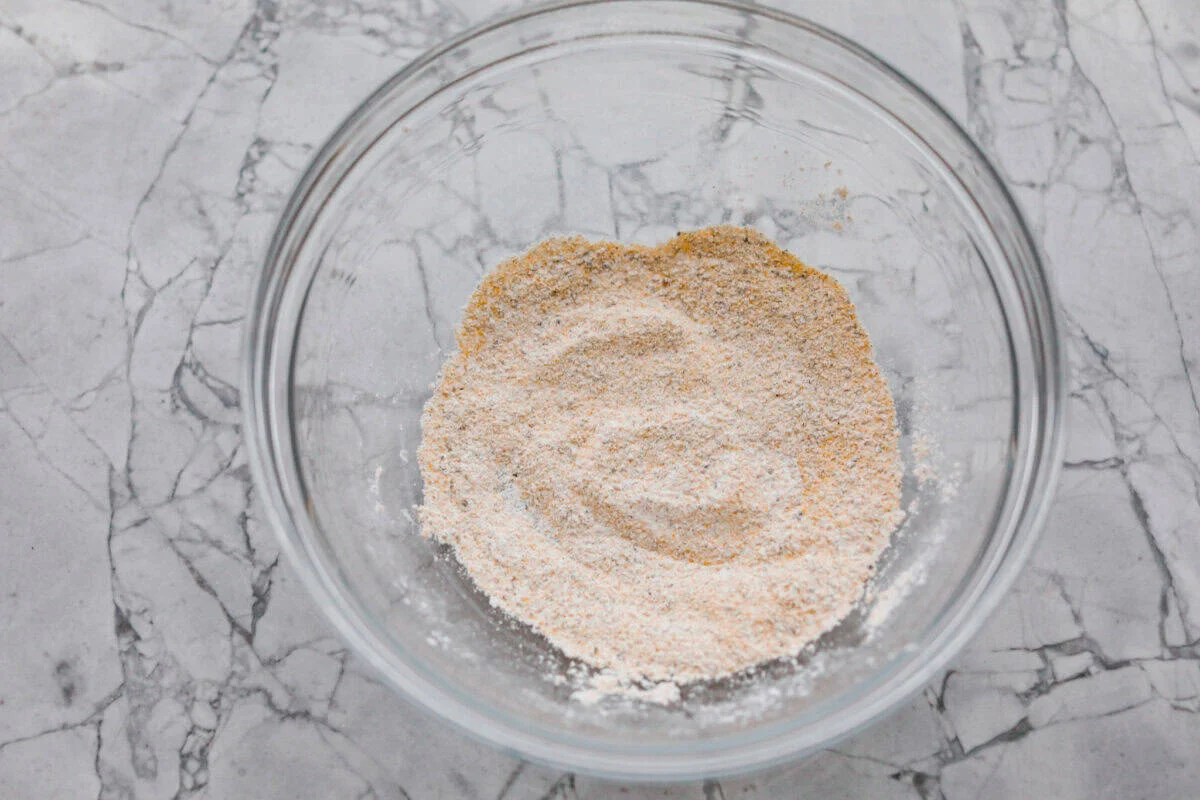
Mix the Seasonings: Combine the baking powder, garlic powder, salt, and pepper in a small bowl.
Season Wings: Sprinkle the seasoning over the wings. Toss to evenly coat.
Bake: Arrange the wings skin side up in a single layer on the prepared baking sheets. Bake for about 20-25 minutes, then flip and bake for an additional 20-25 minutes, until the internal temperature reaches 165ºF.
Make the Sauce: While the wings bake, prepare the gold fever sauce by adding the honey mustard, hot sauce, and butter to a medium saucepan. Cook over medium heat, stirring for about 5 minutes, until the butter has melted and the sauce has thickened. Season with salt and pepper if needed. Remove from the heat until the chicken is finished baking.
Serve: Add the wings and gold fever sauce to a large bowl and toss to coat, or serve the sauce on the side for dipping.
Alyssa’s Pro Tip
Dry the Wings Well: Moisture is the enemy of crispy wings! Before adding the seasoning, pat the wings thoroughly dry with paper towels. For even crispier skin, place them on a wire rack over a baking sheet and refrigerate uncovered for up to 24 hours.
Must Have Tools for This Recipe
Baking Sheet with a Wire Rack: Helps air circulate around the wings so they bake up nice and crispy on all sides.
Aluminum Foil: Line your baking sheet with foil for quick and easy cleanup.
Small Saucepan: Perfect for melting the butter and mixing the three ingredients for the gold fever sauce.
Cooking Methods for Crispy Gold Fever Chicken Wings
Air Fryer Method
Preheat: Set the air fryer to 400°F.
Prepare the Wings: Pat the wings dry, then toss with the baking powder and seasonings as directed in the recipe.
Air Fry: Arrange the wings in a single layer in the air fryer basket. Cook for 10 minutes, then flip and cook for another 10–12 minutes, until crispy and the internal temperature reaches 165°F.
Add the Sauce: Toss the cooked wings in the prepared Gold Fever sauce or serve it on the side for dipping.
Deep Fryer Method
Heat the Oil: Preheat the oil in a deep fryer to 350–375°F.
Prepare the Wings: Pat the wings dry and season with the garlic powder, salt, and pepper. Skip the baking powder for this method.
Deep Fry: Carefully add the wings to the hot oil in batches. Fry for 10–12 minutes, until golden and crispy and the internal temperature reaches 165°F.
Drain and Sauce: Transfer the wings to a wire rack to drain excess oil. Toss with the prepared Gold Fever sauce or serve it on the side for dipping.
Preheat the oven to 425 degrees Fahrenheit. Line a baking sheet or two with aluminum foil or parchment paper, place the baking rack on the baking sheet, and spray well with nonstick cooking spray. Set aside.
Pat 3 pounds party wings very, very dry with paper towels and add to a large bowl.
Combine 1 tablespoon baking powder, 2 teaspoons garlic powder, 1 ½ teaspoons salt, and 1 teaspoon ground black pepper in a small bowl, then sprinkle over the wings. Toss to evenly coat.
Arrange the wings skin side up in a single layer on the prepared baking sheets. Bake for about 20-25 minutes, then flip and bake for an additional 20-25 minutes, until the internal temperature reaches 165 degrees Fahrenheit.
While the wings bake, prepare the gold fever sauce by adding ⅔ cup honey mustard, ¼ cup hot sauce, and ¼ cup unsalted butter to a medium saucepan.
Cook and stir over medium heat for about 5 minutes, until the butter has melted and the sauce has thickened. Season with salt and pepper if needed. Remove from the heat until the chicken is finished baking.
When serving, you may add the wings and the gold fever sauce to a large bowl and toss them to coat them in the sauce, or serve the sauce on the side for dipping.
Notes
Storage Instructions
Fridge: Store leftover Gold Fever sauce in an airtight container or bottle in the refrigerator for up to 2 weeks. Store leftover chicken wings in the refrigerator for up to 5 days.
Reheat: Reheat in the microwave, oven, or air fryer until the internal temperature reaches 165ºF.
Make Ahead: You can make the gold fever sauce up to 10 days in advance and add it to the cooked chicken wings, or your preferred chicken, before serving.
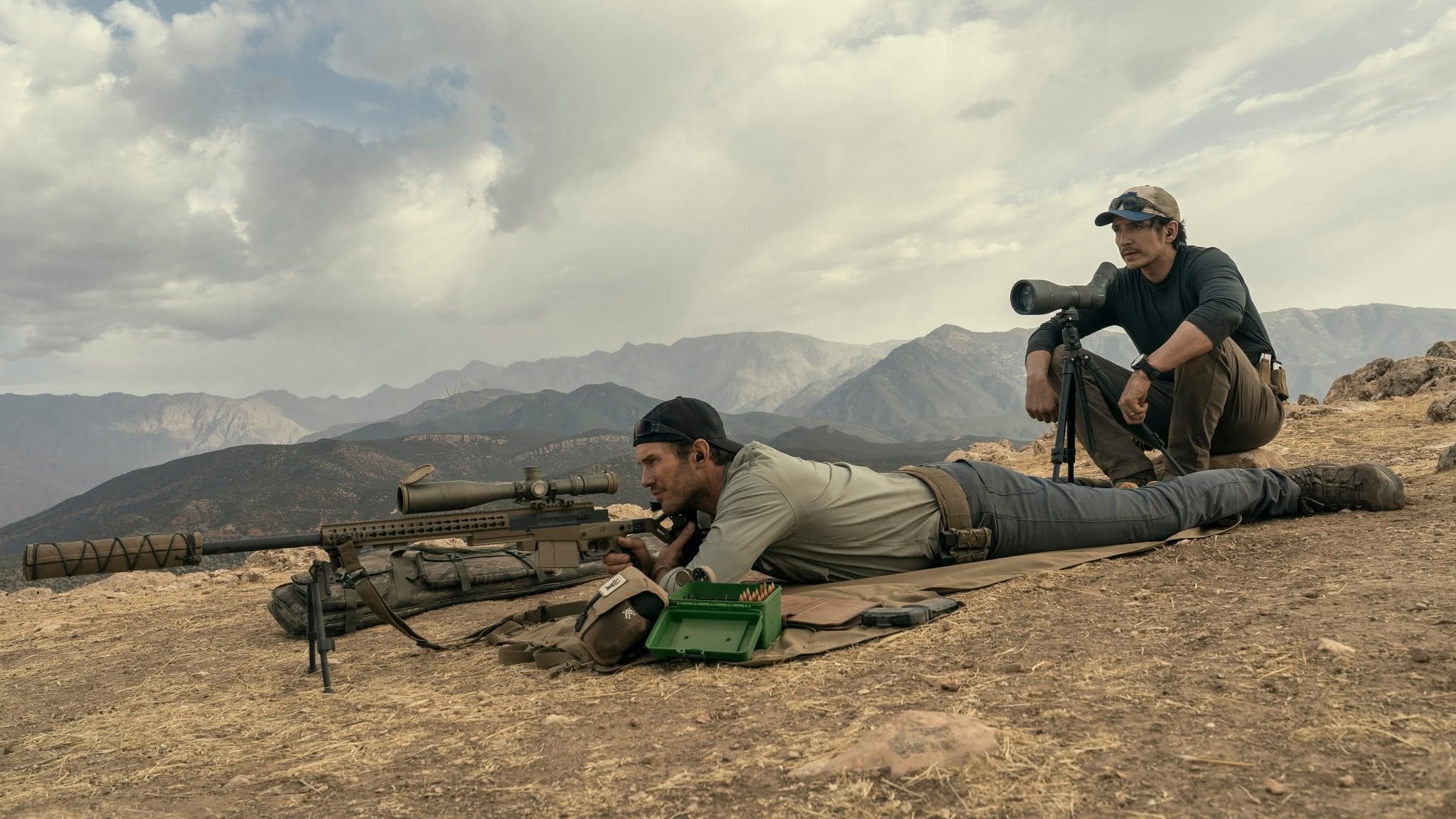
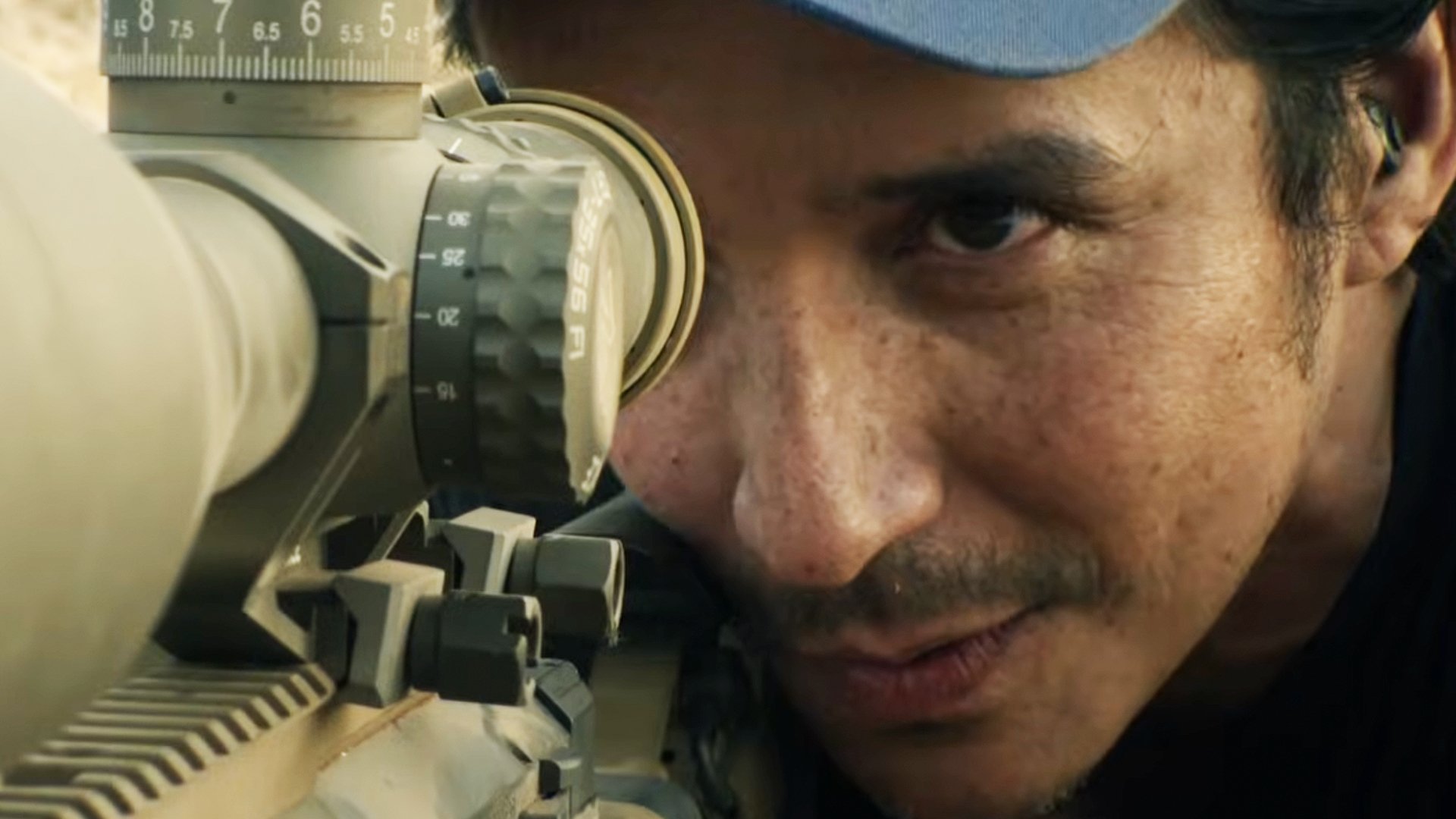
As Gabriel Luna sprawls behind a custom sniper rifle on a balcony overlooking a port city, he pulls out a leather-bound notebook and opens it to a simple range card with half-circles across the top.
Two miles away, a team of two snipers hidden amid the city clutter sits behind their own hyper-customized rifles, sighting in on a podium just below Luna. The American president will soon appear to give a speech, and it will be Luna’s job to protect him.
But unlike Luna, the two assassins have sophisticated targeting computers mounted on their guns, receiving precise information — 8-digit coordinates, wind and humidity — from a spotter hiding in the president’s crowd.
Without a word of dialogue, the stakes and contrasts of a climactic sniper battle in the second season of Amazon’s “The Terminal List” are set: The bad guys will be shooting with every advantage of technology, while Luna, playing a CIA officer and former Navy SEAL, will face them with just a pencil, an Army Form 5517-R “standard range card,” and his own instincts and skills.
The sniper shootout comes in the penultimate episode of the action-heavy military drama’s latest season, which debuts today on Amazon Prime. It follows Luna and series’ star Chris Pratt as they unwind an international terrorism plot. The sniper shootout comes as the two defend the American president during a U.S.-Russia peace summit in Ukraine in an episode dubbed “Every Bullet Has Its Destiny” — words embossed into the leather of Luna’s range notebook.
The sniper duel, like the rest of the series’ shootouts, focused on true-to-life details thanks to the former Navy SEALs behind “The Terminal List.” Executive producer Jared Shaw, a SEAL from 2002 to 2013, met Pratt when the actor visited Shaw’s unit while prepping to play a SEAL in “Zero Dark Thirty.” Writer Kenny Sheard was a SEAL for 12 years, and the show is based on books by Jack Carr, an enlisted SEAL-turned-officer who served for 20 years.
Shaw spoke with Task & Purpose prior to the show’s release about how the SEALs developed the sniper battle.
“There is definitely a sniper element in the book,” said Shaw. “But as we got into the writers’ room, we had Kenny Sheard in there who’s a former SEAL sniper as well. And so as we sat down in the room and really started kind of fleshing it out, it took a little bit different direction than what it does in the book, and we’re able to start getting into kind of some of the finer points of sniper warfare.”
“The Terminal List” has been a hit for Amazon Prime as one of a recent genre of action-thriller shows, like “Reacher” and “Lioness,” that trade on putting hyper-realistic military hardware, tactics and skills on screen. Pratt and Luna get into gunfights in nearly every episode, from an early-season ambush in an African wildlife preserve between Pratt-led park rangers and elephant poachers, to a back alley gunfight in which Pratt, covered by Luna, frees a captured team member.
But the sniper battle in episode seven is the apex of the season’s shootouts.
Gabriel Luna plays CIA operative Freddy Strain in season two of “The Terminal List.” Photo courtesy of Amazon Studios.
Assigned to protect the president, Luna and Pratt discover the sniper’s secret stash of weapons, including CheyTech M200s, a real-world sniper rifle (“that’s a 2,000 meter gun,” Luna says), plus the range computers.
“Easy day,” Pratt says as they consider their opponent. “Show these wanna-be snipers there’s levels to this game.”
Yeah. There’s a lot of that kinda talk in the show.
But the commitment to accuracy is obvious, even for the disguised spotter, who sends back coordinates that — we checked — are along the shoreline in Odesa, Ukraine.
As the writers raise the tension and the snipers dial in their shots ever closer to each other, Shaw said, the show stays focused on the details.
“I’m not sure it’s been seen before, showing the vapor trails of the bullets at long distance, and seeing how that round is pushed by wind, humidity, and adjustments and corrections you have to make over those distances,” Shaw said. Outside the show, he said, he hears from special operations veterans who watch those details closely. “It’s just those little points of authenticity that long-distance shooters, snipers, operators will key in on and be like, ‘oh, okay, I see what you did there. You guys are trying to keep it real.’”
If you’re a veteran dealing with chronic sinus pressure, headaches, facial pain, and recurring sinus infections, you might be wondering: “What VA disability rating should I actually be getting for sinusitis?”
Here’s what most veterans don’t realize.
The VA rates chronic sinusitis at 0%, 10%, 30%, or 50%, and the difference between those ratings can come down to how frequently you experience episodes, how severe your symptoms are, and what your medical records actually show.
For example, you could be dealing with sinus infections throughout the year, but if your medical evidence doesn’t adequately establish the frequency and symptoms required under the rating criteria, you may receive a lower rating than you expected.
And here’s something else worth knowing: Chronic sinusitis is a presumptive condition under the PACT Act for veterans with qualifying service involving burn pits and other airborne hazards.
That can make establishing service connection significantly easier.
In this guide, I’ll break down exactly how the VA rates sinusitis, the updated 2027 compensation amounts, what it takes to qualify for each rating, and the medical evidence that matters most.
Let’s get into it!
Summary of Key Points
VA Ratings Range From 0% to 50%: Chronic sinusitis is rated at 0%, 10%, 30%, or 50% under Diagnostic Codes 6510–6514.
Episode Frequency and Severity Matter: A 30% rating may require three or more qualifying incapacitating episodes or more than six non-incapacitating episodes per year.
50% is the Maximum Rating: Qualifying generally requires chronic osteomyelitis following radical surgery or near-constant sinusitis with specified symptoms after repeated surgeries.
2027 VA Compensation Is Increasing 3.6%: At the calculated 2027 rates, 10% pays $186.92/month, 30% pays $572.36, and 50% pays $1,173.68 for veterans without dependents.
PACT Act Eligibility and Medical Evidence Are Critical: Sinusitis is presumptive for certain veterans with qualifying toxic-exposure service, while medical records documenting symptoms, episode frequency, and treatment help establish the appropriate rating.
Table of Contents
How Does the VA Rate Sinusitis?
The VA rates chronic sinusitis at 0%, 10%, 30%, or 50% under Diagnostic Codes 6510–6514 in 38 CFR § 4.97.Your rating depends primarily on the frequency and severity of your sinusitis episodes, whether you require prolonged antibiotic treatment and physician-directed bed rest, and whether you have qualifying post-surgical complications.
The maximum schedular rating for sinusitis under these diagnostic codes is 50%.
The VA uses the same General Rating Formula for Sinusitis regardless of which sinus cavities are affected.
Sinusitis VA Rating Chart for 2027
Here’s the complete breakdown of the VA’s sinusitis rating criteria, along with the calculated 2027 monthly disability compensation rates.
VA Rating
Rating Requirements
2027 Monthly Pay
50%
Following radical surgery with chronic osteomyelitis; OR near-constant sinusitis with headaches, pain and tenderness, and purulent discharge or crusting after repeated surgeries
$1,173.68
30%
Three or more incapacitating episodes per year requiring prolonged antibiotics (4–6 weeks); OR more than six non-incapacitating episodes per year with headaches, pain, and purulent discharge or crusting
$572.36
10%
One or two incapacitating episodes per year requiring prolonged antibiotics (4–6 weeks); OR three to six non-incapacitating episodes per year with headaches, pain, and purulent discharge or crusting
2027 compensation update: The Social Security Administration announced a 3.6% COLA for 2027 on October 14, 2026. The updated VA disability compensation rates take effect December 1, 2026, with the first increased payment scheduled for December 31, 2026.
The dollar amounts above are calculated using the confirmed 3.6% increase applied to the published 2026 rates. They are for a veteran without dependents or additional special compensation.
The VA uses five diagnostic codes for chronic sinusitis:
Diagnostic Code
Type of Sinusitis
6510
Chronic pansinusitis
6511
Chronic ethmoid sinusitis
6512
Chronic frontal sinusitis
6513
Chronic maxillary sinusitis
6514
Chronic sphenoid sinusitis
All five diagnostic codes use the same rating criteria.
Whether your condition affects your maxillary, frontal, ethmoid, sphenoid, or multiple sinus cavities, your rating depends on the requirements in the General Rating Formula.
Understanding Each Sinusitis VA Rating Level
Let’s look at what each rating means in practical terms.
0% Sinusitis VA Rating
A 0% rating applies when sinusitis is detected by X-ray only under the rating schedule.
A veteran may have imaging evidence of sinus disease without meeting the requirements for a compensable rating.
For example, a CT scan or X-ray might identify sinus abnormalities, but the medical evidence may not establish qualifying recurring episodes or other findings supporting a higher evaluation.
Here’s the important part: A 0% service-connected rating is still service connection.
That means the VA recognizes the condition as related to your military service, even though the condition does not currently qualify for monthly compensation by itself.
If the disability worsens, you may be able to request an increased rating.
10% Sinusitis VA Rating
A 10% sinusitis rating can be assigned when you experience either:
One or two incapacitating episodes per year requiring prolonged antibiotic treatment lasting four to six weeks; OR
Three to six non-incapacitating episodes per year characterized by headaches, pain, and purulent discharge or crusting.
Example:
A veteran experiences four episodes of sinusitis during the year.
During those episodes, the veteran experiences headaches, facial pain, and purulent nasal discharge.
The episodes don’t require physician-directed bed rest, but the evidence supports four qualifying non-incapacitating episodes.
That pattern is consistent with the frequency requirements for a 10% sinusitis rating.
Under the calculated 2027 VA pay rates, a veteran rated at 10% receives $186.92 per month, tax-free.
30% Sinusitis VA Rating
A 30% rating requires more frequent qualifying episodes or more severe episodes requiring extensive treatment.
The VA assigns a 30% rating for either:
Three or more incapacitating episodes per year requiring prolonged antibiotic treatment lasting four to six weeks; OR
More than six non-incapacitating episodes per year characterized by headaches, pain, and purulent discharge or crusting.
Example:
A veteran experiences eight qualifying sinusitis episodes during a 12-month period.
The episodes involve headaches, facial pain, and purulent discharge or crusting.
The medical evidence, supported where appropriate by credible symptom records, establishes the frequency and qualifying symptoms.
That pattern may support a 30% VA rating for sinusitis.
Under the calculated 2027 rates, a veteran rated at 30% with no dependents receives $572.36 per month.
That’s approximately $6,868.32 per year, tax-free.
A veteran with a combined rating of 30% or higher may also receive additional compensation for eligible dependents.
50% Sinusitis VA Rating
50% is the highest schedular VA rating available for sinusitis under Diagnostic Codes 6510–6514.
The criteria are much more specific than simply having frequent sinus infections.
Under 38 CFR § 4.97, a 50% rating requires either:
Radical surgery followed by chronic osteomyelitis; OR
Near-constant sinusitis characterized by headaches, pain and tenderness of the affected sinus, and purulent discharge or crusting after repeated surgeries.
This is an important distinction.
Near-constant sinusitis symptoms alone do not automatically satisfy the 50% criteria. The regulation also includes specific surgical requirements.
Example:
A veteran has undergone multiple sinus surgeries but continues experiencing near-constant sinusitis with headaches, pain, tenderness, and purulent discharge or crusting.
When supported by the appropriate medical evidence, that condition may meet the requirements for a 50% sinusitis rating.
Under the calculated 2027 compensation rates, a veteran rated at 50% with no dependents receives $1,173.68 per month, or $14,084.16 per year.
Incapacitating vs. Non-Incapacitating Sinusitis Episodes
This is one of the most important sections of the VA rating criteria, and it’s where veterans can get confused.
The VA distinguishes between incapacitating and non-incapacitating episodes of sinusitis.
These are specific rating terms, not simply descriptions of how miserable an infection feels.
What Counts as an Incapacitating Episode?
Under 38 CFR § 4.97, an incapacitating episode of sinusitis means an episode requiring bed rest and treatment by a physician.
Both requirements matter.
For a 10% or 30% rating based on incapacitating episodes, the applicable rating criteria also require prolonged antibiotic treatment lasting four to six weeks.
For example, missing work for several days because your sinusitis is severe doesn’t automatically establish an incapacitating episode under the regulation.
The medical evidence must support the applicable requirements.
What Counts as a Non-Incapacitating Episode?
Non-incapacitating episodes can still support a compensable sinusitis rating.
The VA’s criteria focus on the frequency of episodes characterized by:
Headaches
Pain
Purulent discharge or crusting
Three to six qualifying episodes per year may support 10%.
More than six qualifying episodes per year may support 30%.
You don’t necessarily need prolonged antibiotic treatment or physician-directed bed rest to qualify through this pathway.
Why Documenting Episodes Matters
Here’s what I’d encourage every veteran with recurring sinusitis to understand:
Your C&P exam is only one snapshot of your condition.
You might feel relatively normal on the day of your examination, even though you’ve experienced recurring sinus infections throughout the previous year.
That’s why longitudinal medical evidence can be important.
Treatment records, prescription histories, imaging, and credible symptom statements can help establish what your condition looks like over time.
A simple episode log can also help you accurately explain:
When each episode occurred.
How long it lasted.
Which symptoms you experienced.
Whether you sought medical treatment.
Whether antibiotics were prescribed.
Whether your physician directed bed rest.
How the episode affected your daily life.
Your log should reflect actual events, not estimated or exaggerated symptoms.
It can supplement medical records, but it doesn’t replace medical findings required by the rating criteria.
What Does Prolonged Antibiotic Treatment Mean?
For the incapacitating-episode pathways, the rating schedule specifically refers to antibiotic treatment lasting four to six weeks.
A shorter antibiotic prescription does not automatically satisfy that requirement.
If your physician determines that extended antibiotic treatment is medically appropriate, the treatment records should accurately show the medication and duration.
Do not request unnecessary antibiotics or bed rest merely to satisfy VA rating criteria. Your treatment should always be based on your medical needs.
Chronic vs. Acute Sinusitis: What’s the Difference?
Not every sinus infection establishes a chronic sinusitis disability.
Understanding the difference matters when reviewing your diagnosis and medical evidence.
Acute Sinusitis
Acute sinusitis generally involves a relatively short period of sinus inflammation, often following a respiratory infection.
Symptoms can include congestion, facial pressure, headaches, nasal discharge, and reduced sense of smell.
An isolated episode does not necessarily establish a chronic disability.
Chronic Sinusitis
Chronic rhinosinusitis generally involves sinus and nasal inflammation lasting at least 12 weeks, supported by appropriate clinical evidence.
Recurrent acute rhinosinusitis is a related but distinct clinical pattern involving separate episodes.
The VA rating schedule evaluates chronic sinusitis using its regulatory criteria, including episode frequency, symptoms, treatment, and applicable surgical findings.
If you’re filing a claim, make sure your medical evidence clearly identifies the diagnosed condition rather than relying only on a general history of occasional sinus infections.
Sinusitis vs. Rhinitis: Can You Get Separate VA Ratings?
Yes, potentially.
Sinusitis and rhinitis are closely related conditions, but they affect different parts of your respiratory system.
Sinusitis involves inflammation of the sinuses.
Rhinitis involves inflammation of the nasal mucous membranes.
The VA evaluates them under different diagnostic codes.
Condition
Diagnostic Codes
Maximum Standard Schedular Rating
Chronic sinusitis
6510–6514
50%
Allergic or vasomotor rhinitis
6522
30%
Under Diagnostic Code 6522, allergic or vasomotor rhinitis is evaluated based on findings such as nasal polyps or qualifying nasal obstruction.
Can Sinusitis and Rhinitis Be Rated Separately?
Potentially, yes.
A veteran can receive separate evaluations when the applicable requirements are met and the VA is not compensating the same manifestations twice.
This is known as the rule against pyramiding, under 38 CFR § 4.14.
For example, a veteran might have chronic sinusitis evaluated based on recurring qualifying episodes and allergic rhinitis evaluated based on distinct findings such as nasal polyps.
Whether separate ratings are appropriate depends on the facts and the applicable diagnostic criteria.
A diagnosis of both conditions does not automatically guarantee two separate compensable ratings.
What About a Deviated Septum?
A traumatic deviated septum is evaluated under Diagnostic Code 6502.
The regulation provides a 10% rating when the required level of nasal obstruction is present.
A separate rating alongside sinusitis may be possible where the criteria are satisfied without duplicating compensation for the same manifestations.
The important thing is to document the actual medical findings supporting each condition.
Is Sinusitis a Presumptive Condition Under the PACT Act?
Yes. Chronic sinusitis, including chronic rhinosinusitis, is a presumptive condition under the PACT Act for veterans with qualifying service involving burn pits and other airborne hazards.
That can make establishing service connection significantly easier.
Normally, establishing direct service connection requires evidence connecting your current disability to an event, injury, or illness during military service.
With an applicable PACT Act presumption, the VA generally presumes that connection when you satisfy the qualifying service and medical requirements.
However, presumptive service connection does not automatically entitle you to a 30% or 50% rating.
Your disability is still evaluated under the same sinusitis rating criteria discussed above.
Who Qualifies for Presumptive Sinusitis Under the PACT Act?
The VA recognizes qualifying service in specified locations and periods.
Examples include service in certain Southwest Asia locations beginning August 2, 1990, including:
Iraq
Kuwait
Saudi Arabia
Bahrain
Qatar
United Arab Emirates
Oman
Somalia
Certain surrounding waters and airspace
Additional qualifying locations beginning September 11, 2001, include:
Afghanistan
Djibouti
Egypt
Jordan
Lebanon
Syria
Uzbekistan
Yemen
Qualifying airspace above those locations
Important: Sinusitis is not automatically presumptive simply because you experienced Agent Orange exposure, served at a contaminated installation, or believe you encountered toxic substances.
The specific chronic sinusitis presumption discussed here applies to qualifying service under the burn pit and airborne-hazard rules.
Other veterans may still qualify through direct service connection or another applicable legal pathway.
3 Ways to Establish VA Service Connection for Sinusitis
Whether the PACT Act applies to you or not, there are three major pathways to service connection.
1. Direct Service Connection
Direct service connection may apply when your chronic sinusitis began during military service or is otherwise related to an in-service disease, injury, or event.
Evidence may include:
Service treatment records showing sinus-related complaints or treatment.
A current chronic sinusitis diagnosis.
Medical records demonstrating the history of your condition.
Medical evidence connecting your current disability to military service.
Depending on the facts, a medical nexus opinion may be important.
2. Presumptive Service Connection
If you satisfy the relevant PACT Act eligibility requirements, the VA may presume your chronic sinusitis is connected to qualifying military service.
You still need appropriate evidence of your diagnosis and the severity of your condition.
But a separate medical opinion proving the relationship between qualifying exposure and the presumptive condition generally isn’t required.
3. Secondary Service Connection
Secondary service connection may apply when sinusitis is caused or aggravated by an already service-connected disability.
For example, certain conditions affecting nasal inflammation, airway structure, or sinus drainage may be medically relevant to recurrent sinus problems.
Potential relationships requiring individualized medical evaluation may involve:
Chronic rhinitis
Certain structural nasal abnormalities
Relevant conditions affecting immune function
Other service-connected conditions or treatments where a medical relationship can be established
Be careful with assumptions about secondary conditions.
Having rhinitis, sleep apnea, or a deviated septum does not automatically establish that your sinusitis is secondary to that condition.
A credible medical explanation of causation or aggravation, supported by the facts of your case, may be needed.
And if you believe CPAP therapy is contributing to sinus symptoms, discuss that concern with your treating clinician rather than assuming it establishes secondary service connection.
What to Expect at Your Sinusitis C&P Exam
Your Compensation and Pension (C&P) exam can play an important role in how the VA evaluates your sinusitis.
The examiner may review your records, ask questions about your symptoms and treatment, and document findings relevant to the applicable rating criteria.
Know approximately how many episodes you’ve experienced over the previous 12 months and what symptoms occurred.
2. Be specific about episode frequency.
Instead of saying, “I get sinus infections all the time,” explain the actual number of episodes and how long they lasted.
3. Explain your treatment accurately.
If you received antibiotics, be prepared to describe the medication history and duration.
If your physician prescribed bed rest, make sure that history is accurately reflected.
4. Discuss relevant surgeries and imaging.
If you’ve undergone sinus surgery or received CT scans, those records may be important.
5. Explain flare-ups honestly.
Your condition may be less symptomatic on the day of the exam than during an episode.
Describe your actual symptom pattern, including periods of worsening, without exaggeration.
Don’t Rely on the C&P Exam Alone
Here’s something I want veterans to understand.
A single examination doesn’t necessarily capture the full history of recurring sinusitis.
Medical treatment records, imaging, prescription history, specialist notes, and credible statements may help the examiner and VA understand your condition over time.
5 Reasons Veterans May Receive a Lower Sinusitis VA Rating
If your sinusitis symptoms seem more severe than your assigned rating reflects, these are common areas worth reviewing.
1. Incomplete Episode Documentation
The VA’s rating formula places significant emphasis on the number of qualifying episodes per year.
If your records don’t adequately establish how frequently your condition occurs, it can be harder to demonstrate that your disability meets a higher rating.
2. Missing Symptom Details
For non-incapacitating episodes, the regulation specifically identifies headaches, pain, and purulent discharge or crusting.
Medical records documenting only a general diagnosis may not fully describe the manifestations necessary to evaluate episode severity.
3. Unclear Antibiotic Treatment History
When seeking an evaluation based on incapacitating episodes, documentation of prolonged antibiotic treatment matters.
The applicable criteria refer to treatment lasting four to six weeks.
Records showing only brief antibiotic courses may not establish that particular pathway.
4. Insufficient Evidence of Chronic Disease
A history of occasional acute sinus infections is different from a documented chronic sinusitis disability.
A clear diagnosis and appropriate medical history help establish what condition is being evaluated.
5. The VA Doesn’t Have Your Full Treatment History
Sometimes important treatment occurred outside the VA health care system.
Private physician records, urgent care visits, imaging reports, and specialist treatment may contain information relevant to the severity of the condition.
Make sure the evidence you submit accurately reflects your medical history.
Sinusitis VA Disability Evidence Checklist
Use this checklist to understand the kinds of evidence that may matter for your claim.
NOTE: Every item is NOT required for every veteran.
Current diagnosis of chronic sinusitis or chronic rhinosinusitis.
Relevant military service records.
Evidence establishing qualifying presumptive service, if applicable.
Medical nexus evidence when required for the service-connection theory.
Treatment records covering recurring sinusitis episodes.
Documentation of headaches, pain, tenderness, purulent discharge, or crusting.
Prescription records showing antibiotic treatment and duration.
Physician-directed bed rest documentation, when applicable.
X-ray or CT imaging records.
ENT or other specialist records.
Surgical records, when relevant.
Personal statements accurately describing episode frequency, symptoms, and effects.
Lay statements from people with firsthand knowledge of observable symptoms, when helpful.
The goal isn’t to collect the biggest possible stack of medical paperwork. It’s to have credible evidence addressing the specific facts required for service connection and the appropriate rating.
Secondary Conditions to Sinusitis
Service connecting your sinusitis may also qualify you for other secondary service connections if it causes or aggravates another condition. This can increase your combined VA rating.
The VA may grant secondary service connection when medical evidence links the condition to your service-connected sinusitis, and the symptoms are separate from those already rated. You must also have a current diagnosis of your secondary condition.
Common sinusitis secondary conditions include:
Allergic Rhinitis
Chronic Laryngitis
Migraines
Sleep Apnea
Chronic Bronchitis
Pro Tip: A credible nexus letter is strongly recommended, as secondary claims rely on medical evidence demonstrating that sinusitis caused or aggravated the new condition.
The highest schedular rating for chronic sinusitis under Diagnostic Codes 6510–6514 is 50%. Under the calculated 2027 VA disability compensation rates, a veteran rated at 50% with no dependents receives $1,173.68 per month.
A 50% sinusitis rating requires the specific post-surgical findings identified in the General Rating Formula. In some circumstances, a veteran may qualify for Total Disability Based on Individual Unemployability (TDIU) if service-connected disabilities prevent substantially gainful employment and the applicable requirements are met. TDIU is a separate determination, not an automatic 100% sinusitis rating.
Can I Get a Sinusitis VA Rating From Burn Pit Exposure?
Yes, if the applicable eligibility requirements are satisfied. Chronic sinusitis is recognized as a presumptive condition for veterans with qualifying service involving burn pits and other airborne hazards. The PACT Act can help establish service connection, while the severity of your sinusitis determines the appropriate disability evaluation.
What Is the Difference Between Incapacitating and Non-Incapacitating Sinusitis?
Under the VA’s rating formula, an incapacitating episode requires bed rest and treatment by a physician. The incapacitating-episode pathways for 10% and 30% also require prolonged antibiotic treatment lasting four to six weeks. Non-incapacitating episodes are evaluated using the frequency and specified symptom requirements in the rating formula.
Can I Get Separate VA Ratings for Sinusitis and Rhinitis?
Possibly. Sinusitis and allergic rhinitis are evaluated under different diagnostic codes. Separate ratings may be appropriate when the criteria are satisfied and the VA is not compensating the same manifestations twice. The anti-pyramiding rule under 38 CFR § 4.14 applies.
How Do I Increase My Sinusitis VA Rating From 10% to 30%?
If your condition has worsened, you may be eligible to request an increased evaluation. A 30% sinusitis rating requires three or more qualifying incapacitating episodes per year with prolonged antibiotic treatment, or more than six qualifying non-incapacitating episodes per year with the specified symptoms. Review your existing decision and the current medical evidence to determine whether the higher criteria may be met.
Does the VA Rate Every Type of Sinusitis the Same Way?
Yes. Chronic pansinusitis, ethmoid sinusitis, frontal sinusitis, maxillary sinusitis, and sphenoid sinusitis all use the General Rating Formula for Sinusitis. The diagnostic code identifies the type of sinusitis, but the rating percentages and substantive criteria are the same.
Can I File Again if the VA Previously Denied My Sinusitis Claim?
Yes. If your sinusitis was previously denied and it is now covered by an applicable presumption, a Supplemental Claim may be appropriate. The PACT Act created additional opportunities for some veterans whose previously denied conditions are now presumptive. However, a newly granted claim does not automatically receive the effective date of the original denied application. Review the VA’s Supplemental Claim guidance for details.
Does Sinus Surgery Automatically Qualify Me for 50%?
No. Surgery alone does not automatically establish the maximum rating. The 50% criteria require chronic osteomyelitis following radical surgery or the specified near-constant sinusitis findings after repeated surgeries. The actual post-surgical medical findings are critical.
Can I Get a 30% Sinusitis Rating Without Taking Antibiotics for Four to Six Weeks?
Potentially, yes. The 30% rating has two alternative pathways. One involves qualifying incapacitating episodes and prolonged antibiotic treatment. The other involves more than six non-incapacitating episodes annually, characterized by the symptoms specified in the regulation. Prolonged antibiotics are not a requirement of that second pathway.
The Bottom Line
Here’s what I want every veteran dealing with chronic sinusitis to understand.
Your sinusitis VA rating isn’t based on how frustrating your condition feels. It’s based on how your symptoms, episode frequency, treatment history, and other medical findings match the VA’s rating criteria.
That’s why knowing the difference between 10%, 30%, and 50% matters.
If you have recurring sinus infections, understand the number of qualifying episodes you’ve experienced and what your records actually document.
If you’ve had sinus surgery, understand the specific requirements for the maximum schedular rating.
And if you served in a qualifying toxic-exposure location, don’t overlook the PACT Act.
Chronic sinusitis may now qualify for presumptive service connection even if establishing that connection was difficult in the past.
The key is understanding the applicable VA rating criteria and having accurate evidence that reflects your condition.
At VA Claims Insider, we’ve helped thousands of veterans better understand the VA disability claims process through education, coaching, and personalized strategies.
The Quality Assurance (QA) team at VA Claims Insider has extensive experience researching, fact-checking, and ensuring accuracy in all produced content. The QA team consists of individuals with specialized knowledge in the VA disability claims adjudication processes, laws and regulations, and they understand the needs of our target audience. Any changes or suggestions the QA team makes are thoroughly reviewed and incorporated into the content by our writers and creators.
About the Author
Brian Reese
Brian Reese is a world-renowned VA disability benefits expert and the #1 bestselling author of VA Claim Secrets and You Deserve It. Motivated by his own frustration with the VA claim process, Brian founded VA Claims Insider to help disabled veterans secure their VA disability compensation faster, regardless of their past struggles with the VA. Since 2013, he has positively impacted the lives of over 10 million military, veterans, and their families.
A former active-duty Air Force officer, Brian has extensive experience leading diverse teams in challenging international environments, including a combat tour in Afghanistan in 2011 supporting Operation ENDURING FREEDOM.
Brian is a Distinguished Graduate of Management from the United States Air Force Academy and earned his MBA from Oklahoma State University’s Spears School of Business, where he was a National Honor Scholar, ranking in the top 1% of his class.
Featured image: See the Northern Lights in the Yukon/ Photo credit Southern Lakes Resort
Join us in Whitehorse, in the Yukon, for a legendary road trip to one of the most pristine wilderness areas in Canada. The Yukon Explorer guided tour is a unique, small-group adventure that offers something for every woman, designed and guided by Mosaic Earth Travel in partnership with local guides and businesses across the Yukon. As part of our small group, you’ll have the opportunity to deeply connect with this unique destination and the wonderful locals who make it so special.
“I’m thrilled to be partnering with another woman-owned Canadian small business to bring women to see the Yukon,” says Carolyn Ray, CEO, JourneyWoman. “As valued members of our Women’s Travel Directory, Pam and the Mosaic Earth team have designed an itinerary that will bring us deep into the Yukon, including Indigenous cultural activities, culinary experiences and even the Northern Lights. This will be my first trip as well, and I’m excited to stay at family-run lodges and get reconnected with our beautiful country at the best time of the year.”
This trip is in partnership with JourneyWoman partner Mosaic Earth, based in B.C., Canada. Led by Pam McGarel, Mosaic Earth’s goal is to create immersive, educational experiences rooted in regenerative tourism principles.
“We aim to elevate local voices and foster meaningful connections between travellers, the natural environment, and Indigenous cultures. Through these efforts, we encourage empathy and understanding while celebrating British Columbia and the Yukon’s unique heritage,” says Pam McGarel, Founder, Mosaic Earth.
A hike across Miles Canyon in Whitehorse/ Photo by Mosaic Earth
Trip Details:
This trip is August 24 – September 2, 2027 with a capacity of 9 solo travellers. Pricing starts at CAD$8,225 per person based on double occupancy (plus GST)/USD$6,394.80 (inclusive). This 9-night, 10 day trip includes all accommodation, including 2 nights in Whitehorse (start & end), 2 nights near Kluane National Park, 2 nights in Southern Lakes region, and 3 nights in Dawson City. JourneyWoman CEO Carolyn Ray will be joining the first trip as well.
August 24-Sept 2, 2027
Route: Whitehorse – Southern Lakes Resort – Kluane National Park – Dawson City – Whitehorse
Capacity: 9 single occupancy/ or combination thereof
Immerse yourself in the natural beauty from lakeside cabins to the stunning Kluane National Park, a UNESCO Heritage Site featuring the world’s largest non-polar ice field. Spend a day in Tombstone Territorial Park where the boreal forest transitions to sub-arctic tundra.
Visit historic towns like Dawson City (the heart of the Klondike Gold Rush), Carcross, and Whitehorse. Learn about the First Nations culture and history, the Gold Rush era, and daily life in the wild North. Enjoy activities like hiking, canoeing, flightseeing, and more.
Dates: Augut 24, – September 2, 2027
Starts and Ends in: Whitehorse, Yukon
Arrival/ Departure: Fly into Erik Nielson Whitehorse Airport (YWY).Check Skyscanner for rates and options. There are direct flights from Vancouver via Air North, Yukon’s Airline, and connecting flights from other major cities in Canada. Mosaic Earth’s booking team can assist with flight reservations as needed.
Complete our interest form to connect with Mosaic Earth Owner Pam McGarel
The trip size is limited to 9 women; 6 are required to make this trip happen; do not book any travel until the trip is confirmed
Trip cost for 10 days/9 nights: Private room: CAD$8225/ USD $6395. Pricing may vary slightly depending on currency rates. Pricing is subject to 5% GST in Canada.
Deposit: 10% deposit due upon confirmation via credit card.
Final payment is due 75 days prior to departure (invoice is issued 2 weeks before).
Please do not book flights until the trip is confirmed. We will host a Zoom call to discuss logistics and details once guests are confirmed.
Army officials said more soldiers are eating at new college-inspired dining halls. In some cases, the average number of meals served is three to four times higher than at the same time last year, according to data provided by the service.
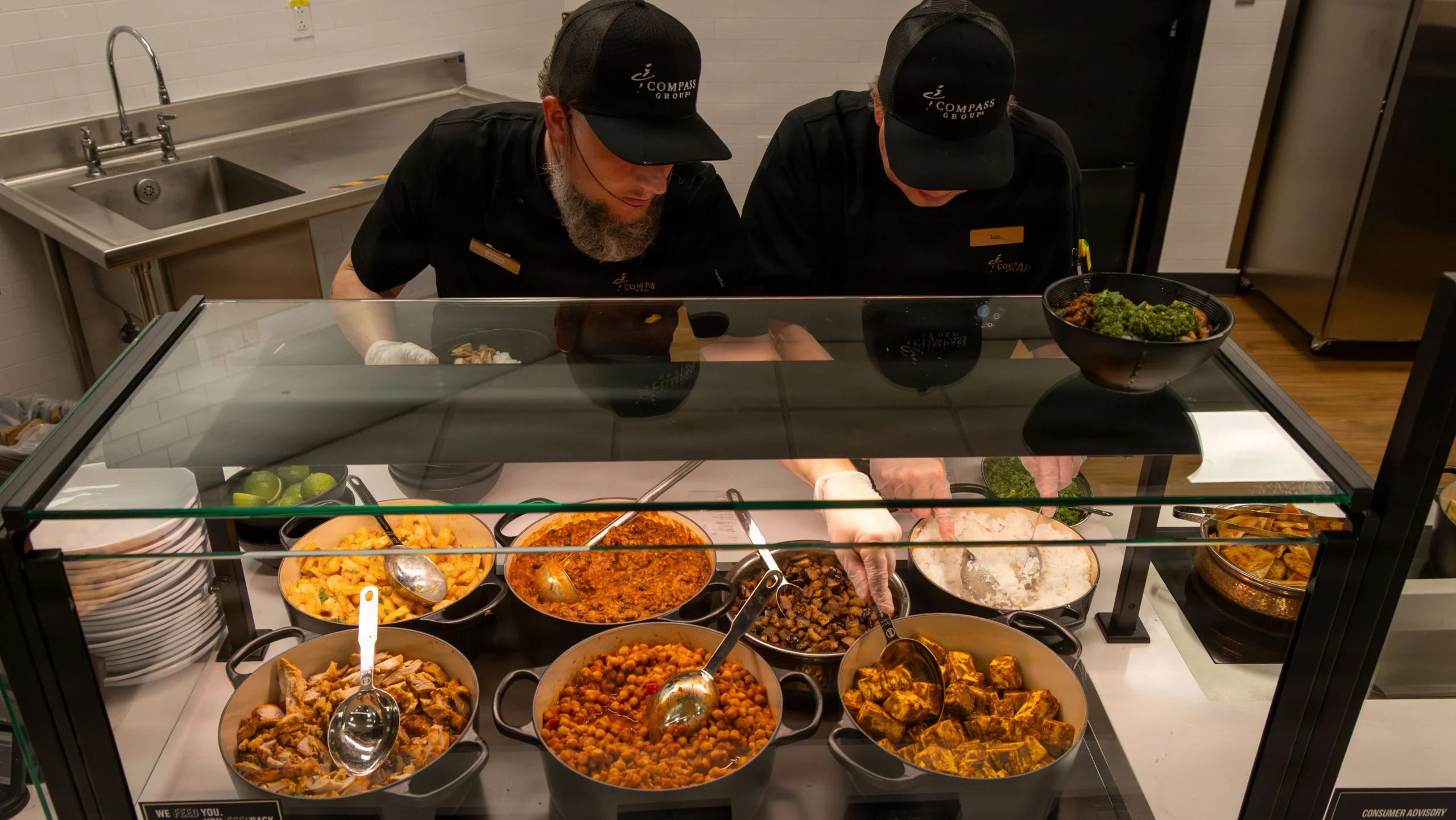
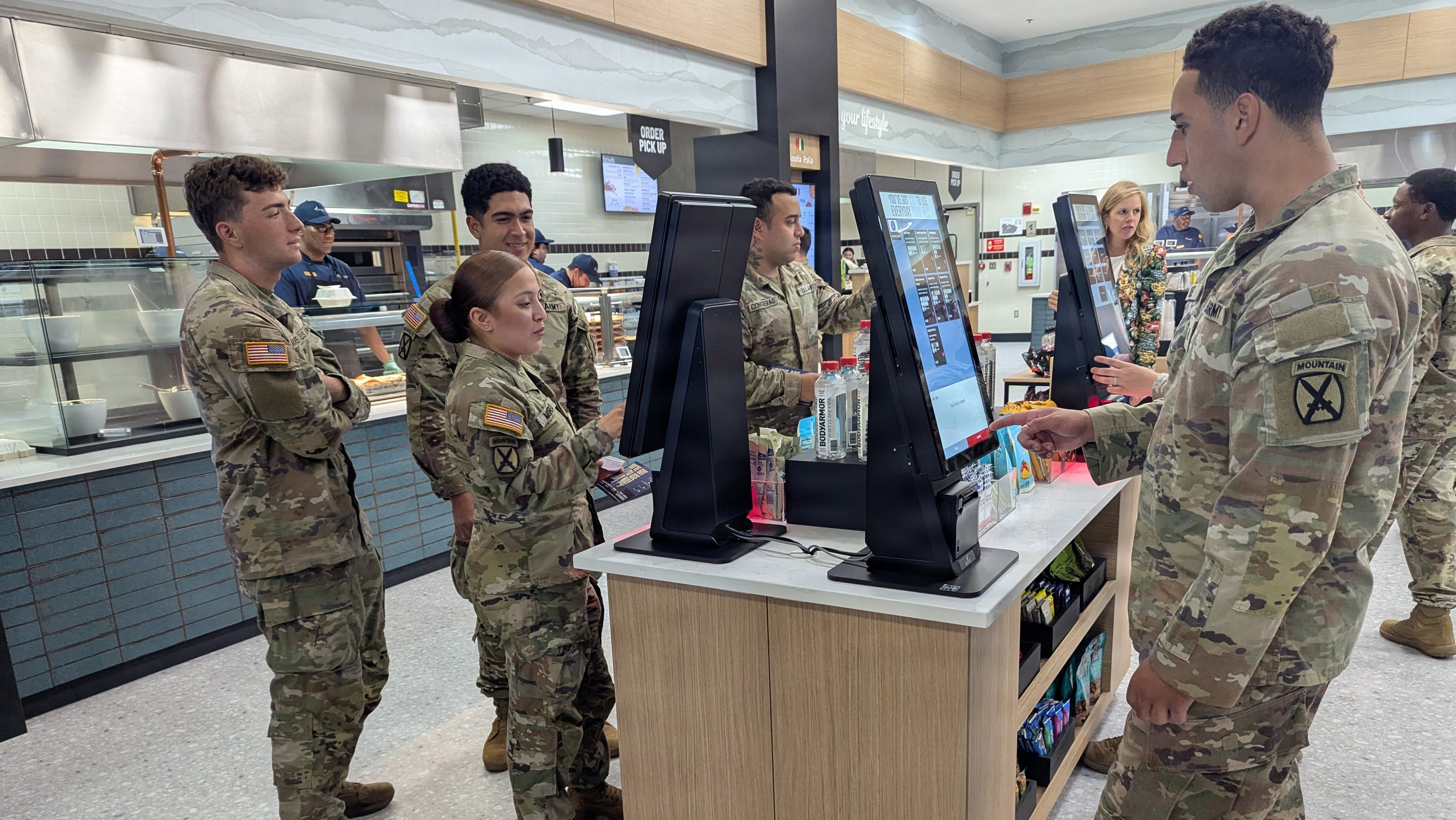
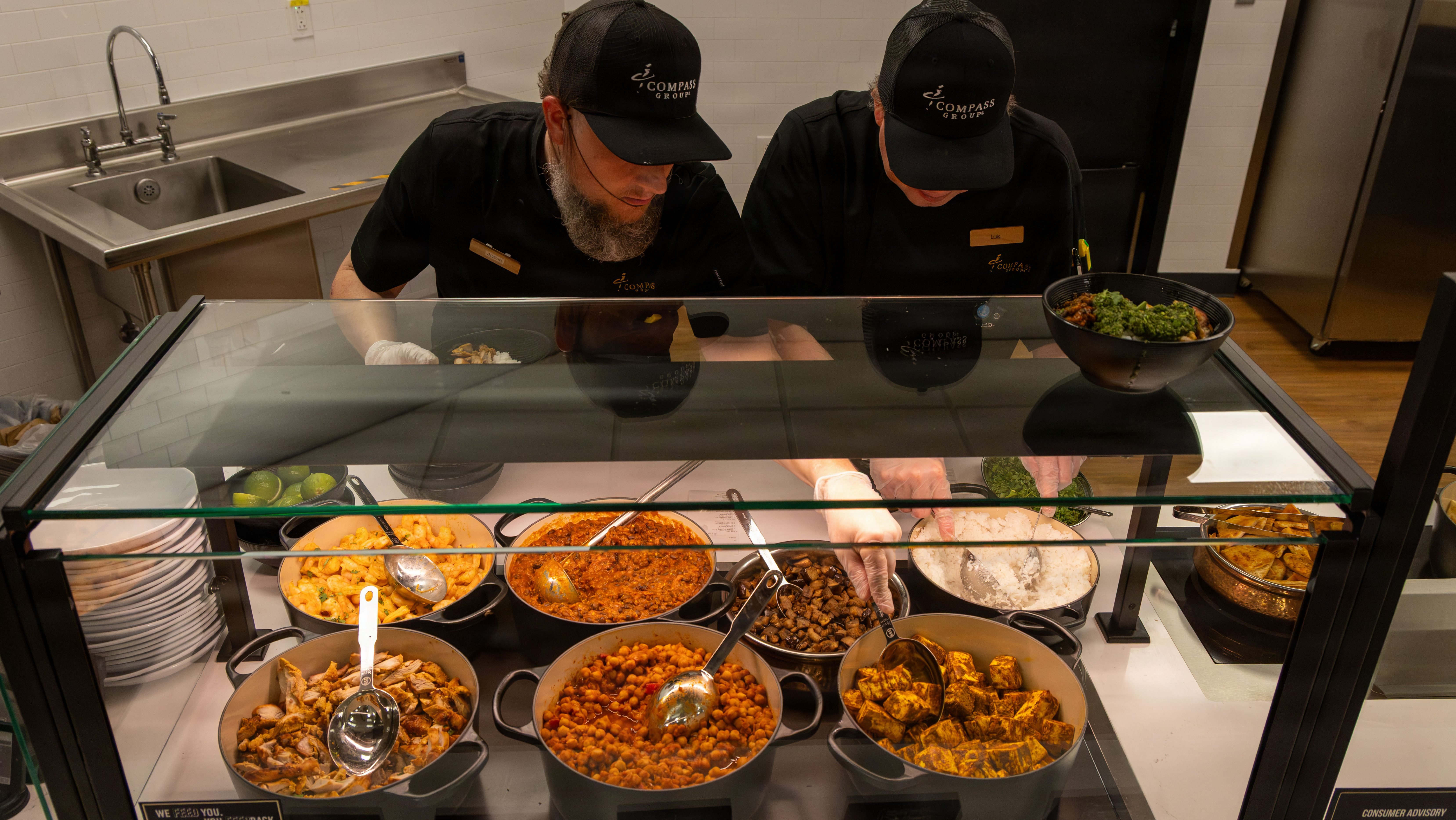
The numbers are reflective of the Army’s new campus-style dining halls, which were designed to be more like the cafeterias on college campuses. The service is less than a year out from opening four of its new dining facilities, and Army officials said they’re expanding takeout options and looking at more ways to add flexibility to meal card plans for soldiers.
In January 2025, the service put out a bid to private contractors, and later that year, the Army chose Compass Group USA Inc. to run the first set of new dining halls. In the last eight months, four new dining spaces have opened: 42 Bistro at Fort Hood, Texas; Stack House Bistro at Fort Carson, Colorado; Belvedere Bistro at Fort Drum, New York; and Rally Point Bistro at Fort Bragg, North Carolina. A fifth dining hall is scheduled to open at Fort Stewart, Georgia, in 2027.
Ken Hicks, a senior analyst involved in the Army’s efforts to overhaul its dining facilities, said they’ve seen usage rates go up “exponentially.” He said they’re tracking meals served and comparing it down to the quarter, month and week.
At 42 Bistro at Fort Hood, meal rates have increased three times what they were last year. Between February and mid-October, the new Texas dining hall served an average of 3,004 meals compared to 973 meals during the same time last year at the old facility. There’s also been a 130% increase in soldiers served, or about 5,500 more soldiers eating there compared to last year, according to data provided by the Army.
“The throughput through those facilities is literally tripling the traffic area,” said Stephanie Barton, head of the Army Food Program at Army Materiel Command. “That’s huge, and that’s really kind of where we want it to be.”
Soldiers can order at touchscreen kiosks at the new campus-style dining halls. Army photo by Mike Strasser.
At Fort Carson, the new dining hall served an average of 3,324 meals from April to October, compared to 878 meals during the same time last year. At Fort Drum, an average of over 2,577 meals were served, compared to only 441 meals last year at the old dining hall, according to the Army.
To give soldiers more ways to use their meal plans, the Army has expanded a takeout dining option that first launched at Fort Hood with a few hiccups. Army officials said that as of Oct. 1, soldiers at all new dining halls have access to On Demand — where they can order food by phone app and have it delivered to drop zones on base.
“It’s less than a week old, so we’re just working through some kinks,” Barton said in early October. “I think it’s going to be really good for the soldiers.”
“That’s out of [soldiers’] pocket if they want that,” he said. “That’s not included in their [meal plan] dollars.”
As the Army set out to transform its dining program, officials said they were aiming to increase the number of soldiers who eat on base.
In 2024, Army officials had cited statistics of dining hall utilization rates falling below 65%. That number is crucial, according to the Government Accountability Office, which reported in 2022 that Army standards dictate that dining facilities with utilization rates below 65% should be considered for closure. The GAO also found that the data being tracked by the military services did not “fully assess the extent” to which troops are using their meal entitlement.
However, Hicks argued that the 65% threshold is not useful, adding, “If that was the case, we’d have blown that a long time ago.” Instead, he said meal card holder utilization is the best indicator of whether soldiers are using the dining hall.
According to the Army, 20% to 30% of soldiers with meal cards on bases that have the new dining halls are choosing to eat at them.
The new campus-style dining halls offer new food options that the Army hopes will attract soldiers to eat on base. Army photo by Staff Sgt. Nirak Garcia Navarro.
So far, food planners have noticed that some aspects of the new contractor-run dining halls are consistent with old dining facility norms: the majority of customers are enlisted meal plan holders who often opt to eat there for breakfast and lunch. And with the new meal plan, officials said they’ve noticed that soldiers are choosing a different way to use it.
At the campus-style halls run by Compass Group USA Inc., soldiers get $39 worth of “freedom dollars” a day to spend any way they want on their food. For instance, soldiers could go for a heavy breakfast, skip lunch, come back for dinner, or opt for no breakfast and one big meal in the afternoon. According to Army officials, roughly 1 to 2% of soldiers eating at the dining halls are opting to spend their money in a single visit.
“They don’t physically have to go to the facility the way it’s designed now,” Barton said. “They can get their meals and they can enjoy their weekends better than having to report to an old legacy facility.”
Army officials said soldiers are doing this throughout the week — loading up on multiple meals before a busy work day — or spending it on the Friday ahead of the weekend.
Hicks said a handful of soldiers at each base are using their meal plan money this way, but he expects this trend to increase as they learn about the new options. He said food program officials are working to offer this kind of flexibility to more soldiers so they “can pick up two to three days’ worth of rations over a four-day weekend.”
“We’re just not there just yet,” he added. “We’ve got to make sure that our policies are aligned from a funding standpoint.”