If you have a service-connected back, hip, or knee condition and you’ve never filed for nerve damage, you’re not alone — and the newest VA data suggests you may be missing something real.
Neurological conditions, which include nerve damage, migraines, and traumatic brain injury effects, are growing faster than any other major body system in the VA disability compensation system.
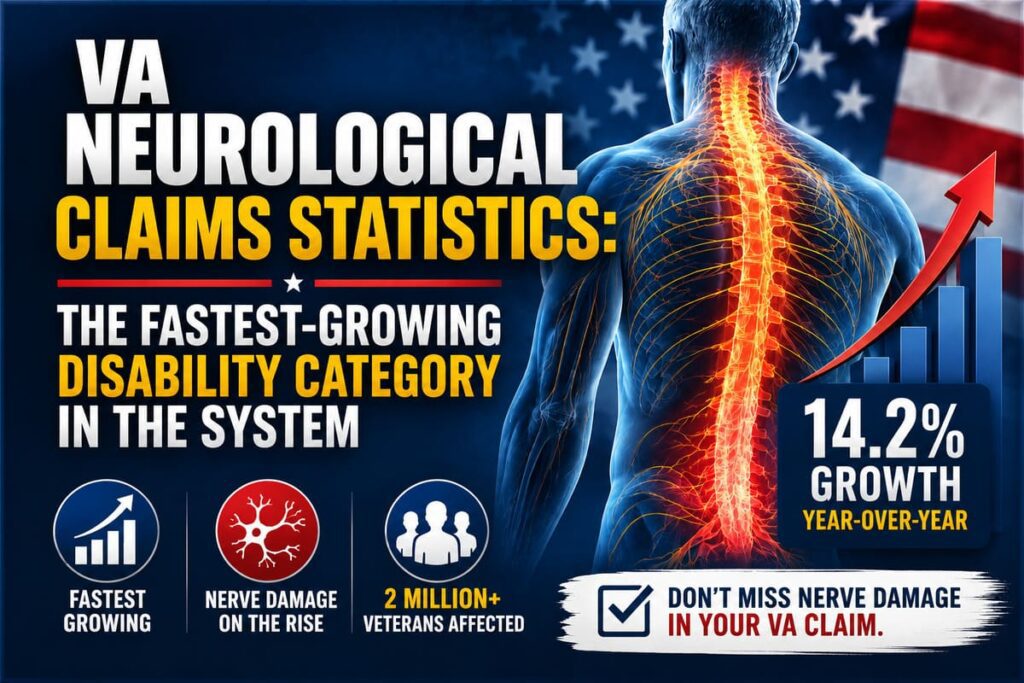
This isn’t a marginal trend. The recent VBA report shows neurological service-connected disabilities grew 14.2% year-over-year — outpacing musculoskeletal, mental health, respiratory, and every other major category. Behind that number sits a specific, common, and frequently under-claimed condition: radiculopathy, or nerve damage radiating from a compressed or irritated spinal nerve.
This article breaks down what the data shows, which neurological conditions are driving the growth, and what it means if you have a back, hip, or blast-exposure injury and haven’t looked into whether nerve damage belongs in your claim file.
Table of Contents
Summary of Key Points
Neurological service-connected disabilities grew 14.2% year-over-year in FY2025 — the fastest growth rate of any major body system in the VBA data.
Paralysis of the sciatic nerve (radiculopathy) affects 2,026,583 veterans, making it one of the most prevalent service-connected conditions in the entire VA system.
Migraine affects 1,300,172 veterans and represents 26.77% of all neurological claims among GWOT veterans specifically.
New neurological claims (new recipients only) grew 5.9% in FY2025 — slower than the all-recipient growth rate, meaning existing veterans are increasingly identifying and claiming neurological conditions over time, not just new claimants.
The VBA data shows the trend clearly. It doesn’t explain the medical or administrative reasons behind it (we’ll address those here as informed context, not established fact).
Neurological conditions are the fastest-growing major body system in the VA disability system, according to FY2025 VBA data — service-connected neurological disabilities grew 14.2% year-over-year among all recipients, faster than any other category tracked. Paralysis of the sciatic nerve, commonly called radiculopathy, alone affects 2,026,583 veterans, making nerve damage one of the most common service-connected conditions in the country.
The VBA Compensation Report tracks service-connected disabilities across 15 major body systems. In FY2025, neurological conditions grew faster than any of them — 14.2% year-over-year among all recipients, according to the five-year trend tables in the report.
That figure covers the full neurological category: nerve damage (radiculopathy and peripheral neuropathy), migraine, traumatic brain injury (TBI) residuals, and other neurological and convulsive disorders. Three conditions inside that category stand out by sheer size:
Condition
Veterans Affected (FY2025)
Paralysis of the sciatic nerve (radiculopathy)
2,026,583
Migraine
1,300,172
Brain disease due to trauma (TBI-related)
162,949
Source: FY2025 VBA Compensation Report, as analyzed in the VBA Data Intelligence Report. Radiculopathy alone affects more veterans than several entire body systems combined.
New Claims vs. the Total Picture
It’s worth separating two different numbers here, because they tell slightly different stories. The 14.2% figure above measures growth in the total number of veterans with a neurological service connection — the full population on the VA’s books. A second, narrower number tracks only new neurological disabilities granted to new compensation recipients in FY2025:
Metric
FY2024
FY2025
YoY Change
New neurological disabilities (new recipients only)
291,292
308,494
+5.9%
New neurological claims grew 5.9% — solid growth, but well behind the 14.2% growth in the total neurological population. The gap between those two numbers matters. It suggests a meaningful share of the growth is coming from veterans who already have an open VA claim file, not just brand-new claimants — consistent with veterans identifying and filing for neurological conditions, like radiculopathy from an existing back condition, that they didn’t claim the first time around.
Why Radiculopathy is the ‘Story Inside the Story’
Radiculopathy is nerve damage caused by a compressed, irritated, or inflamed spinal nerve root. When it affects the sciatic nerve — the largest nerve in the body, running from the lower back down each leg — it produces pain, numbness, tingling, or weakness that radiates well beyond the spine itself.
The reason radiculopathy shows up so heavily in this data is straightforward: it’s overwhelmingly a secondary condition. Veterans with a service-connected lumbar or cervical spine condition — degenerative disc disease, herniated disc, lumbosacral strain — are the population most likely to develop it. At 2,026,583 affected veterans, it’s not a rare diagnosis.
It’s one of the most common service-connected conditions in the whole VA system!
The data doesn’t tell us how many of those veterans filed for radiculopathy separately from their back condition versus how many were rated for it automatically as part of the same claim. What it does tell us is the scale: this is a large, well-established, frequently-occurring condition (not an ‘edge case’).
Peripheral nerve conditions like sciatic nerve radiculopathy are rated under 38 CFR § 4.124a, using a separate diagnostic code for each major nerve. The sciatic nerve has its own code because it’s the largest nerve in the body, and the rating schedule reflects that — the percentages available for sciatic nerve involvement run higher than for most smaller peripheral nerves.
Ratings are based on the severity of the paralysis, not simply on having a diagnosis:
Mild incomplete paralysis: 10%
Moderate incomplete paralysis: 20%
Moderately severe incomplete paralysis: 40%
Severe incomplete paralysis, with marked muscular atrophy: 60%
Complete paralysis (foot drop and similar total loss of function): 80%
That range — 10% up to 80% for one nerve — is a big part of why documentation matters so much for these claims. A C&P examiner’s characterization of “mild” versus “moderately severe” can be the difference between a 10% add-on and a 40% one, which is a meaningful swing in combined-rating math.
Migraines are the second-largest neurological condition in the data, affecting 1,300,172 veterans. Among GWOT (Global War on Terror) veterans specifically, migraine represents 26.77% of all their neurological claims — more than a quarter, in a generation of veterans already dealing with blast exposure, deployment-related sleep disruption, and higher rates of TBI.
Brain disease due to trauma — the VA’s rating category for lasting TBI residuals — affects 162,949 veterans. That’s a smaller population than radiculopathy or migraine, but it represents some of the system’s most complex claims, since TBI residuals frequently overlap with mental health and headache conditions and require careful, specific documentation of functional impact.
What the Data Doesn’t Show
The VBA data is a count, not an explanation. It doesn’t tell us what share of radiculopathy claims get approved, how long they take, or why neurological conditions specifically are growing faster than musculoskeletal or mental health claims this year.
It also doesn’t tell us whether the growth is driven more by better awareness of secondary-condition claiming, an aging veteran population, or something else — those are reasonable questions, but the data doesn’t answer them directly, so I’m not going to assume.
What This Means for Your VA Claim
None of this means every veteran with a back condition automatically has radiculopathy, or that every migraine is service-connected. The data shows a trend across millions of claims; it doesn’t diagnose you, and it doesn’t establish causation for any individual case. What it does show is scale — these are common, well-documented, frequently-approved categories of claim, not fringe conditions.
If you have a service-connected back, hip, or knee condition and you’ve noticed radiating pain, numbness, or tingling that your primary condition alone doesn’t explain, that’s worth raising with your doctor and documenting specifically. The same goes for recurring headaches that developed or worsened after a documented head injury or blast exposure during service.
Neurological conditions are growing faster than any other body system in the VA’s recent data, and radiculopathy is the single biggest reason why. This is a data trend, not a guarantee — but it’s a strong signal that nerve damage, migraine, and TBI residuals are common, well-established, and worth a closer look if you have a related service-connected condition and haven’t filed for them separately.
YOU SERVED. YOU DESERVE.
You served. You earned the right to file. You earned the right to be heard. And you earned the right to pursue every VA benefit you legally qualify for.
So here is the real question:
Do you have the VA rating you were given, or the VA rating you truly deserve?
Want Expert-Level VA Claim Help? WE GOT YOUR SIX!
VA Claims Insider helps educate and empower veterans to get the VA rating they deserve.
Work directly with a VA Claims Insider Coach who can help lead you to VA claim victory.
50,000+ disabled veterans served in our membership programs since 2016.
33% average rating increase for veterans who complete our Elite program.
What is the fastest-growing VA disability category?
According to FY2025 VBA data, neurological conditions grew 14.2% year-over-year among all recipients (the fastest growth rate of any major body system tracked in the report).
How common is radiculopathy as a VA disability claim?
Very common. Paralysis of the sciatic nerve (radiculopathy) affects 2,026,583 veterans, making it one of the most prevalent service-connected conditions in the entire VA system.
Is radiculopathy usually a primary or secondary condition?
Radiculopathy is most often claimed as a secondary condition to an existing service-connected spine condition, such as degenerative disc disease or a lumbosacral strain, since nerve compression frequently develops from those underlying issues.
Does having a back condition mean I automatically have radiculopathy?
No. The VBA data shows how common radiculopathy is across the veteran population, but it doesn’t diagnose any individual veteran. A current diagnosis from a medical provider, plus evidence connecting it to your service-connected condition, is still required.
Why does the data separate ‘new claims’ from ‘all recipients’ growth for neurological conditions?
New-claims growth (5.9%) measures only disabilities granted to first-time compensation recipients in FY2025. All-recipient growth (14.2%) measures the total neurological population, including veterans who added a neurological condition to an already-open claim file. The gap suggests existing veterans are a meaningful part of the growth, not just new claimants.
What does the VBA data NOT tell us about this trend?
It doesn’t establish why neurological claims are growing faster than other categories, and it doesn’t provide approval or denial rates for these conditions. Those explanations aren’t in the source data and aren’t claimed in this article.
Content Reviewed By
Quality Assurance Team
The Quality Assurance (QA) team at VA Claims Insider has extensive experience researching, fact-checking, and ensuring accuracy in all produced content. The QA team consists of individuals with specialized knowledge in the VA disability claims adjudication processes, laws and regulations, and they understand the needs of our target audience. Any changes or suggestions the QA team makes are thoroughly reviewed and incorporated into the content by our writers and creators.
Brian Reese is a world-renowned VA disability benefits expert and the #1 bestselling author of VA Claim Secrets and You Deserve It. Motivated by his own frustration with the VA claim process, Brian founded VA Claims Insider to help disabled veterans secure their VA disability compensation faster, regardless of their past struggles with the VA. Since 2013, he has positively impacted the lives of over 10 million military, veterans, and their families.
A former active-duty Air Force officer, Brian has extensive experience leading diverse teams in challenging international environments, including a combat tour in Afghanistan in 2011 supporting Operation ENDURING FREEDOM.
Brian is a Distinguished Graduate of Management from the United States Air Force Academy and earned his MBA from Oklahoma State University’s Spears School of Business, where he was a National Honor Scholar, ranking in the top 1% of his class.
As a travel photographer who loves the outdoors, the Tahitian Islands have long been at the top of my list of exotic destinations to visit. In April I headed to French Polynesia for the first time, and from fresh seafood to tropical landscapes, this trip opened my eyes to a whole new kind of adventure. The color of the water was nothing short of mesmerizing, and traveling via a small cruise ship helped me uncover all kinds of hidden gems in paradise.
These are some of my favorite moments from Windstar’s seven-day Dreams of Tahiti cruise:
Paddling into the jungle
The Faaroa River is the only navigable river in French Polynesia, and paddling through this lush landscape was a unique way to experience Raiatea. I knew I’d have plenty of time to explore beaches and lagoons later in the week, and this half-day guided kayak tour offered a different perspective of Tahiti’s flora and fauna. After skirting the edge of the bay and entering the river gorge, I was spellbound. I paddled into narrow mangrove channels under a dense canopy of foliage, taking note of all the details around me. From birdsongs to the way the sunlight hit the vegetation above, every one of my senses was engaged.
World-class snorkeling
French Polynesia is famous for its healthy coral reefs and crystal-clear water, making it one of the world’s top snorkeling and diving destinations. Whether it was offshore snorkel tours or wading into the water from the beaches of small islands, I was blown away by how much marine wildlife I saw. I encountered black-tipped reef sharks and stingrays in the waters off of Taha’a, and I lost track of how many species of tropical fish I saw in a lagoon on the west side of Bora Bora. I’ve been in the water everywhere from Hawaii to Jordan, and this was hands down the best snorkeling I’ve ever experienced. In addition to half a dozen snorkeling tours, guests can also get PADI certified as a shore excursion.
Enchanting water
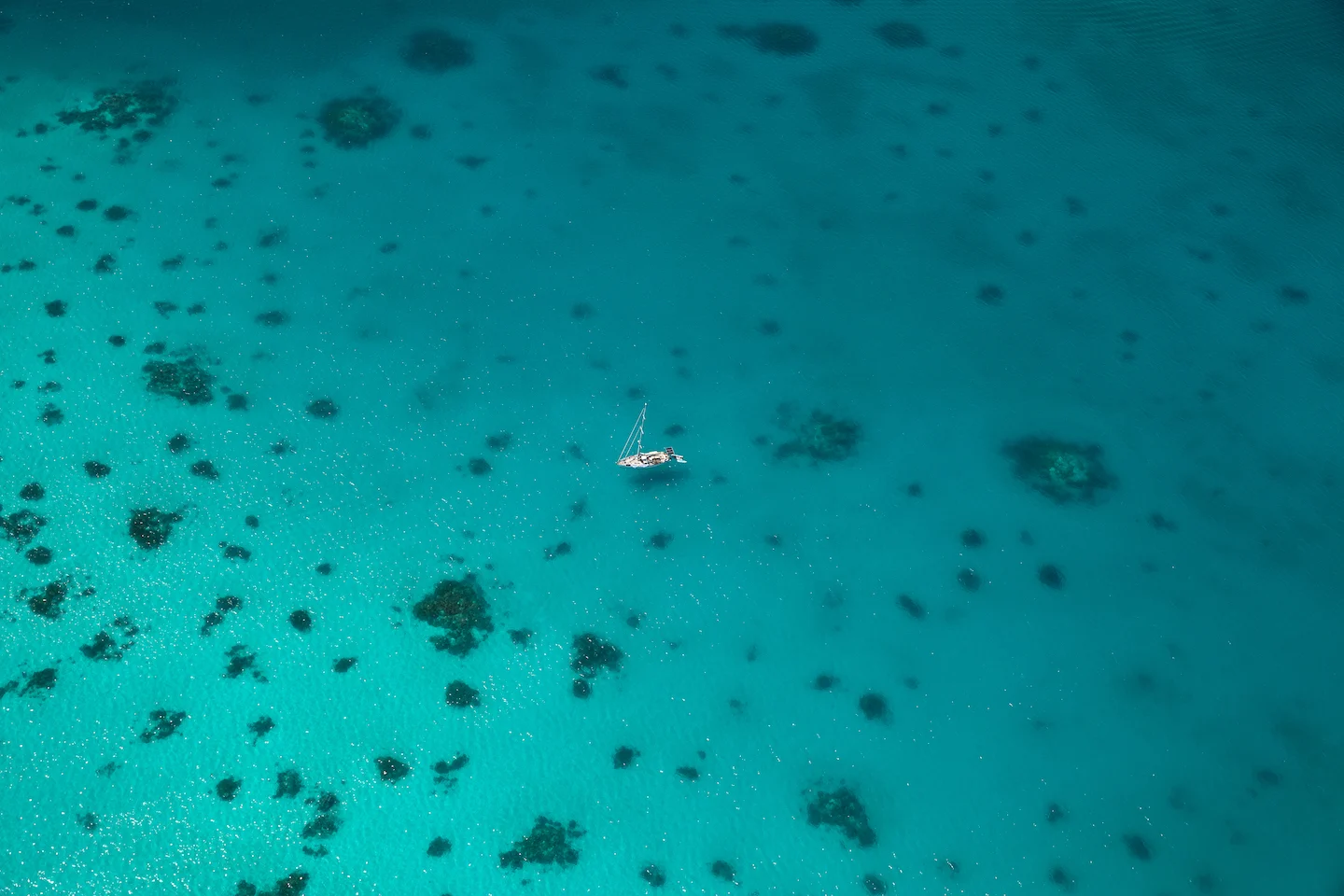
Beyond the abundance of marine wildlife, the color of the water around the Tahitian Islands never ceased to amaze me. The hues range from electric turquoise to pastel aqua, and the clarity was unlike anything I’ve ever seen. With an average annual temperature around 82 degrees Fahrenheit, I seized any opportunity I could to jump in, whether it was with snorkel gear or swimming from the beach of a private island, or motu. The water around the Tahitian islands was the definition of inviting, and it’s one of the main reasons I’m keen to return.
Beautiful Bora Bora
Considered the crown jewel of French Polynesia, Bora Bora is home to some of the most spectacular landscapes in the Tahitian Islands. The imposing peak of Mount Otemanu is visible from all directions, and the surrounding atoll is an equally impressive sight. From water sports to photo ops, Bora Bora was unquestionably my favorite stop on the Dreams of Tahiti cruise. I enjoyed some of the best snorkeling on the entire trip here, and a brief helicopter flight gave me an incredible birds-eye view of the lagoons. I was thrilled we had two full days in Bora Bora, as there are an endless number of ways to explore this stunning island.
Tropical sunsets
Watching the sunset on the water was the perfect way to end each day, and every night offered something new. I marveled as distant thunderheads turned pink on an evening lagoon tour in Bora Bora, and whether we were sailing or anchored, I was always on the upper deck of the ship when golden hour began. We also had plenty of time to admire the colorful skies before the Destination Discovery Event, which was held on a private motu near Huahine. As I walked barefoot on the beach, the horizon reflected fiery hues on the water, which rippled ever so slightly with the gentle breeze. It felt like a scene from a dream, but this is reality when it’s another day in paradise.
A magical evening
After the sun set, the Destination Discovery Event began with a spread of delicious, locally inspired cuisine, followed by a performance featuring traditional French Polynesian music and fire dancing. As we cruised back to our ship on a small tender a few hours later, our ship was fully illuminated, its lights reflecting on the glassy water of the harbor. At the time it felt like a warm welcome home, and it now serves as yet another memory from an unforgettable journey in the Tahitian Islands.
If you go
In 2026, Star Breeze sails year-round in Tahiti, offering a blend of great-for-first-timers options, such as Dreams of Tahiti, and more exotic forays to the Marquesas Islands and the Cook Islands. In March 2027, Windstar’s 148-guest motor sailing yacht Wind Star will join Star Breeze in the region, offering two special ships on which to experience French Polynesia.
With two ships in French Polynesia in 2027 and 2028, Windstar can offer a wide variety of itineraries in the region. Among them?
For a broader regional experience, consider the 13-night Flowers of the Pacific cruises between Fiji’s Lautoka and Tahiti, with stops along the way in the Cook Islands. Craving an even more in-depth experience? Windstar’s 20-night Star Collector Star Collector, Legends of the Pacificincludes additional immersive experiences in Fiji’s lesser-visited ports such as Taveuni, Savusavu, and Dravuni, along with Tonga. You’ll also take in the Cook Islands and French Polynesia’s marquee destinations, like Raiatea, Bora Bora, Rarotonga and Moorea.
One of our best ever experiences on Windstar in French Polynesia was a trip to the oh-so-remote Marquesas Islands. The two-week Star Collector: Extended Tahiti & Tuamotu Adventuresvoyage, roundtrip from Tahiti, includes visits to the Marquesas’ Hiva Oa and Fatu Hiva, as well as the Society Islands of Moorea, Fakarava, Raiatea, Huahine, and Bora Bora.
You can find more information on all of Windstar’s offerings in the South Pacific here.
Shrouded in myth and pride, the conception of the Revolutionary War is of redcoats marching stiffly through fields and woods while being picked off by wily colonists hiding behind trees, all to the tune of Johnny Horton’s “The Battle of New Orleans” (“we fired our guns, and the British kept a-coming”).
But as America celebrates the 250th anniversary of the Declaration of Independence, it is easy to forget that independence was not guaranteed. As they shivered at Valley Forge in the winter of 1778, George Washington and his troops would have scoffed at the notion that victory would come on a silver platter.
For the American Revolution to succeed, the colonists had to create an army. Whether the Continental Army was defeated on the battlefield — as it frequently was — mattered less. As long as the United Colonies could keep an army in the field, Britain would be forced to continue what seemed like a forever war.
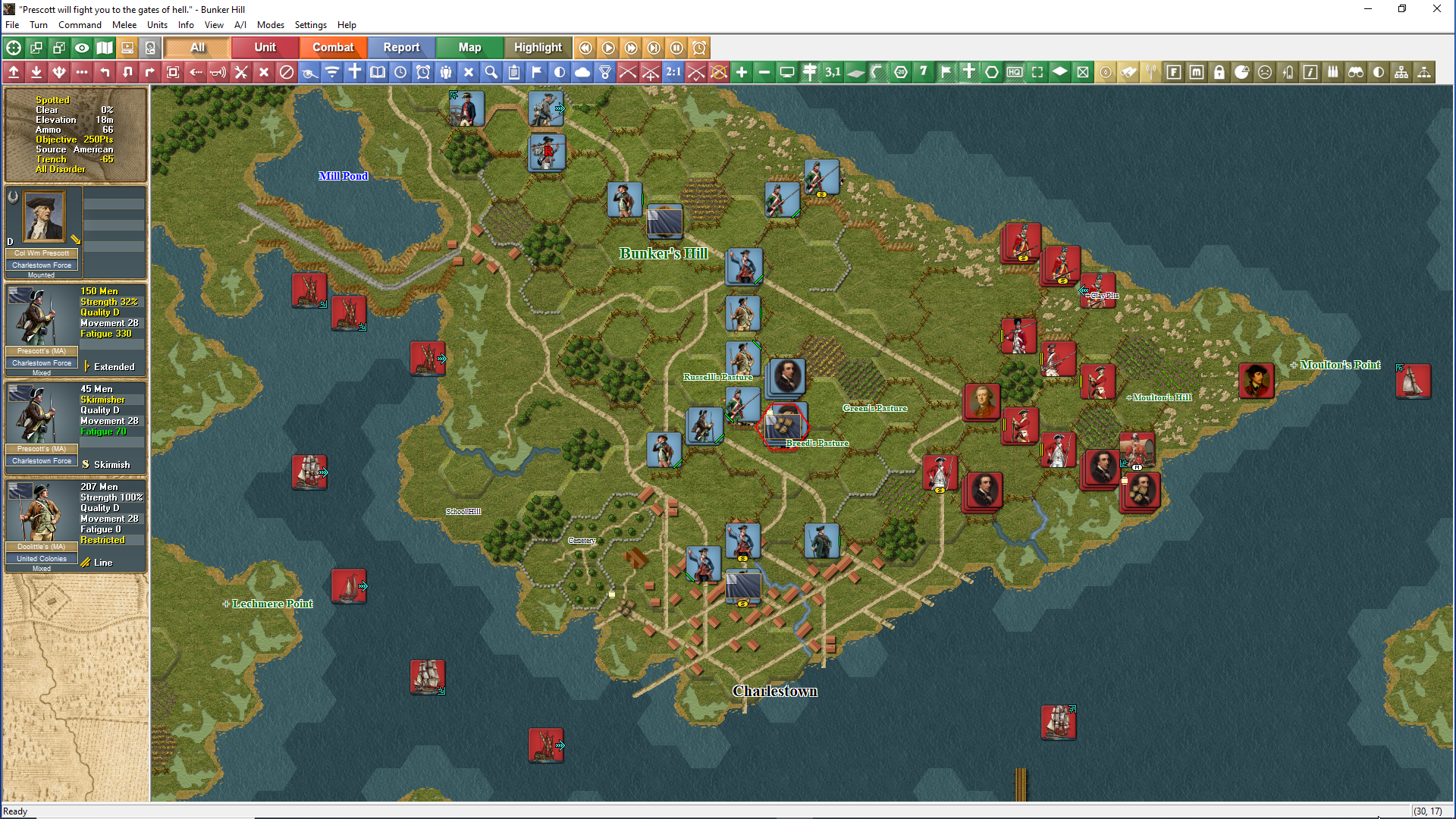
“American Revolutionary War” is a computer wargame that depicts the battles of the American Revolution, or what the British call the War of American Independence.
With 148 scenarios, from small engagements like Hubbardton and Kettle Creek, to larger battles such as Princeton, Brandywine and Saratoga, American Revolutionary War is part of publisher Wargame Design Studio’s Musket & Pike series. These games depict warfare from the 15th through the 18th Centuries, an era where polearms were gradually replaced by gunpowder weapons, such as muskets.
By the 1770s, the pike had been replaced by the bayonet, and the primitive arquebus by more reliable flintlock muskets including Britain’s “Brown Bess.”
With a 114-page user manual, American Revolutionary War is not exactly casual entertainment. It is a highly detailed simulation not just of 18th Century European-style warfare — but also how difficult it was to conduct armies’ European-style warfare in the 18th Century North American wilderness.
The game depicts battles at the grand tactical scale, with battalions and companies of infantry, as well as batteries of artillery and the occasional horse soldier (cavalry was much rarer than the later Napoleonic and American Civil Wars). The American have Continental regulars and local militia, while the Crown fields a polyglot force of British regulars, German mercenaries, Loyalist troops and Native American allies.
These units maneuver across a 2-D hex-grid map of eastern North America in its pre-industrial glory. The terrain is studded with forests, fields, marshes and streams.
Units are rated for how many troops or guns they have, and their weaponry (musket, 3-pounder artillery, etc.). Most important is a quality rating from A to F, which affects combat proficiency and movement. The British regulars tend to be quality As and Bs, while the Continentals tend to be Cs and Ds, and the American militias Fs.
Players alternate taking their turns, with each turn representing about 15 minutes of real time. Each player conducts movement and fire combat, followed by a melee phase to resolve assaults. Combat inflicts casualties as well as “fatigue,” which saps morale and effectiveness until units break or rout.
Western battlefield tactics in the 18th and 19th Centuries centered on assuming the right formation in an era when troops fought shoulder to shoulder. Column formation was used to expedite movement, though at the cost of firepower and presenting a juicy target. When engaging in a firefight, infantry would assume line formation, standing in two or three ranks.
Units in line that move through rough terrain, or obstructions, such as walls, run the risk of becoming “disordered,” with movement and fire penalties. On the other hand, a densely packed column can take heavy casualties from enemy troops deployed in line. Dispersing troops into open order makes them less vulnerable to enemy fire, but penalizes them in melee.
One myth is that the conflict “was fought by the British in a strictly linear fashion, while the Americans were primarily in skirmish,” Mike Cox, designer of American Revolutionary War, told Military Times. Both sides were capable of assuming a variety of formations, though this presented challenges for under-trained Continentals.
“The Americans often tried to fight linearly, too,” added Cox. “It just didn’t often work out well.”
Particularly useful are the detachments of light infantry.
“Learning to master your light troops is extremely important,” Cox said. “When to deploy as skirmishers to delay or scout, or recall and use them to effectively melee to push back the enemy and take and hold ground.”
Command and control has always been the glue that binds armies, but especially so in the pre-radio era, when commanders personally led their troops.
American Revolutionary War features historical commanders, rated from A (George Washington) to F, that form chains of command in each army. Leaders can rally broken troops and provide morale bonuses, though they can also be felled by enemy fire.
“Keeping units in range of their leader and their leader in range of the next higher echelon makes an army work well,” Cox explained. American commanders will need to stay close to their militia: “Keeping them in command and preventing their disruption and breakdown is an art.”
One fascination of playing historical wargames is seeing how they model the little things. For example, the British Army’s Scottish Highlanders are given a bonus during melee combat “to reflect their impact on the minds of American troops, and their reputation for relishing close combat,” the game manual notes.
But ultimately, the question comes down to: How accurately does the game depict the battles that determined the fate of the American Revolution? And, how well does it capture the essences of a professional army versus a more amateur — but also more inspired — citizen army?
American Revolutionary War fares well on both questions.
The unit quality, morale and command systems model the capabilities of both sides, including how the Continental Army improved over time due to combat experience, as well as the tutelage of European instructors like Baron von Steuben.
“British forces are often outnumbered,” said Cox. “They need to learn to stretch their lines or get outflanked. They will usually have some high-quality troops and have the advantage of picking the point of attack.”
“The Americans usually have a high number of units. However, quality and strength can vary wildly. The Americans need to know when to give ground and when to hit hard.”
Perhaps what is most striking is the theater of war.
WDS has published almost 120 historical wargames that cover gigantic battles, such as Waterloo, Gettysburg, Kursk and the Battle of the Bulge. In these games, the maps are packed with masses of troops.
In American Revolutionary War, the maps are often big, while the armies are small. One can begin to appreciate how British soldiers and colonial settlers must have felt about fighting in a vast, untamed land.
As Americans mark the Declaration of Independence, this is a reminder of how far our nation has come.
Original content owned & copyrighted by Green Global Travel.
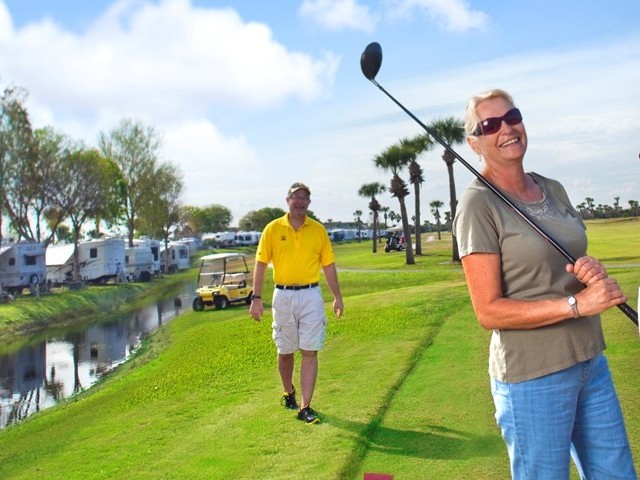
Winter is coming, and with it comes a perfect opportunity to escape cold climates and settle into warmer destinations for extended stays.
Across the Southern United States, snowbird campgrounds transform seasonal migration into comfortable retreats where you can enjoy warm sunshine, fun outdoor recreation, and making new friendships.
Whether you want to visit sunny Arizona deserts or Gulf Coast beaches, read on for tips on finding the right home base that will set the tone for your entire Winter vacation experience!
Finding Your Ideal Winter Campground
The difference between a comfortable stay and a frustrating one starts with your choice of campground.
Popular locations often book up far in advance, while unfamiliar campgrounds without proper vetting can create headaches that linger throughout your trip.
So comprehensive planning and understanding what separates quality operations from disappointing ones are essential for snowbirds committing to multi-week or seasonal escapes.
When evaluating your long-term Winter camping options, look for full hookups with reliable water, electric, and sewer connections.
Campgrounds with established reputations, such as Kampgrounds of America, maintain their facilities well and create consistently welcoming environments where you can connect with like-minded travelers.
Amenities at every KOA location include clean restrooms with hot water, laundry facilities, and recreational spaces, while options across warmer regions make it easy to find sites where snowbirds traditionally gather.
These seven KOA locations combine reliable infrastructure with regional character and long-term Winter camping accommodations that appeal to snowbirds.
1. Tucson KOA Resort (Arizona)
Desert sunshine and resort amenities meet at this Tucson KOA Resort, where thoughtfully designed features encourage socialization among long-term guests.
Two swimming pools provide relief from Arizona’s warmth, while the 9-hole mini-golf course sparks friendly competition with neighbors.
When you’d rather skip meal prep, the on-site Steak Rush Grill can handle dinner for you. Monthly RV sites include full hookups and upgraded Wi-Fi, giving you everything you need for comfortable camping.
Beyond the resort, you’ll find Saguaro National Park’s towering cacti and the Arizona-Sonora Desert Museum just minutes away when you’re ready to explore.
2. St. Petersburg/Madeira Beach KOA Holiday (Florida)
The St. Petersburg/Madeira Beach KOA Holiday sits beside a mangrove-lined bayou just a short drive from Gulf beaches, giving water lovers easy access to both.
You can rent a kayak to paddle Long Bayou’s calm waters, where dolphins frolic and herons hunt along the shoreline, or head to the beach for a classic coastal Florida experience.
The 38-mile Pinellas County Fitness Trail runs right beside the property, with flat, scenic routes for daily walks or bike rides. Afterwards, two hot tubs are available, with one exclusively reserved for adults seeking peace and quiet.
Planned events throughout the snowbird season make it easy to meet other campers who share your lifestyle.
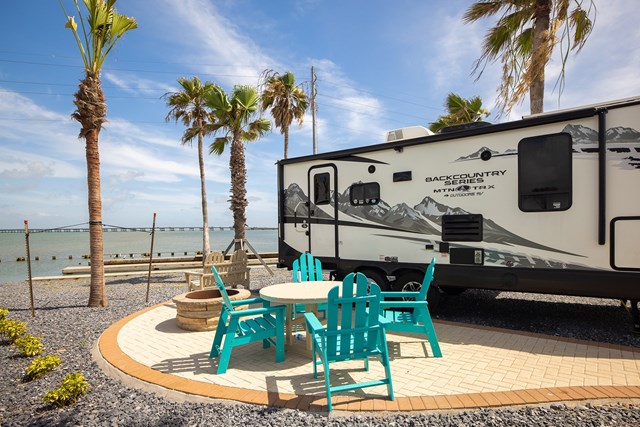
Laguna Madre Bay stretches out in front of your site at the South Padre Island KOA Holiday, where Winter visitors gather for a tropical atmosphere and water-based recreation.
Aqua-Cycles, hydrocycles, and kayaks are available for rent to explore the bay at your own pace, while the boat ramp accommodates guests who bring their own vessels.
Back on land, the year-round pool and hot tub give you another way to enjoy the water without leaving the grounds.
When you’re ready to venture beyond the bay, the Metro shuttle stops right at the entrance and provides free rides to local attractions and shopping.
Large, old-growth pines have shaded the Myrtle Beach KOA Resort for over four decades, creating natural cooling and a welcoming environment.
The property connects to the Atlantic Ocean through the Withers Swash tidal basin, giving you waterfront appeal without the crowded beach scene.
Walk the adventure trail for on-site exploration, or bring your pets to the Kamp K9 dog park, where four-legged companions can socialize, too.
Winter snowbird activities foster community among longer-term guests, while Myrtle Beach’s entertainment district sits just minutes away when you’re ready for restaurants and attractions.
A 9-hole golf course with driving range and putting green sits right on the property at the Okeechobee KOA Resort, giving golf enthusiasts room to practice without leaving camp.
Lake Okeechobee– Florida’s largest freshwater lake– lies just minutes away and delivers some of the state’s best bass fishing.
Live concerts, themed parties, and seasonal parades fill the resort’s active social calendar.
The Shanty Lounge and Poolside Grill serve as natural gathering sites where friendships often form over shared interests.
The New Bern KOA Holiday sits on the banks of the Neuse River, with a private 250-foot-long fishing pier extending out over the water.
Just five miles away, historic New Bern preserves its colonial architecture as North Carolina’s first capital.
This resort’s two swimming pools and a jumping pillow keep everyone entertained, from serious swimmers to visiting grandchildren.
The milder climate here attracts snowbirds who want to escape harsh Winters without facing intense southern heat, while river access and nearby historical sites add variety to seasonal vacations.
If you prefer crisp mountain air over beachfront breezes, the Townsend/Great Smokies KOA Holiday delivers exactly that on the “Peaceful Side of the Smokies.”
This gorgeous campground offers extended Winter programs from December through February.
Monthly rates start at just $1,000, which covers all utilities, plus reliable Wi-Fi and laundry access.
Whether you’re drawn to desert golf courses, Gulf Coast beaches, or Blue Ridge Mountain hiking trails, these snowbird campgrounds offer distinct experiences across the regions where Winter feels less like survival and more like vacation.
Availability fills quickly at popular locations, so start your search now to claim your site for the season ahead! –by Alex S. Morrison; all photos courtesy KOA
Choosing the right eSIM for Spain can save you money and keep you connected from the moment you land. This guide compares the best eSIMs side by side so you can easily find the right plan for your trip.
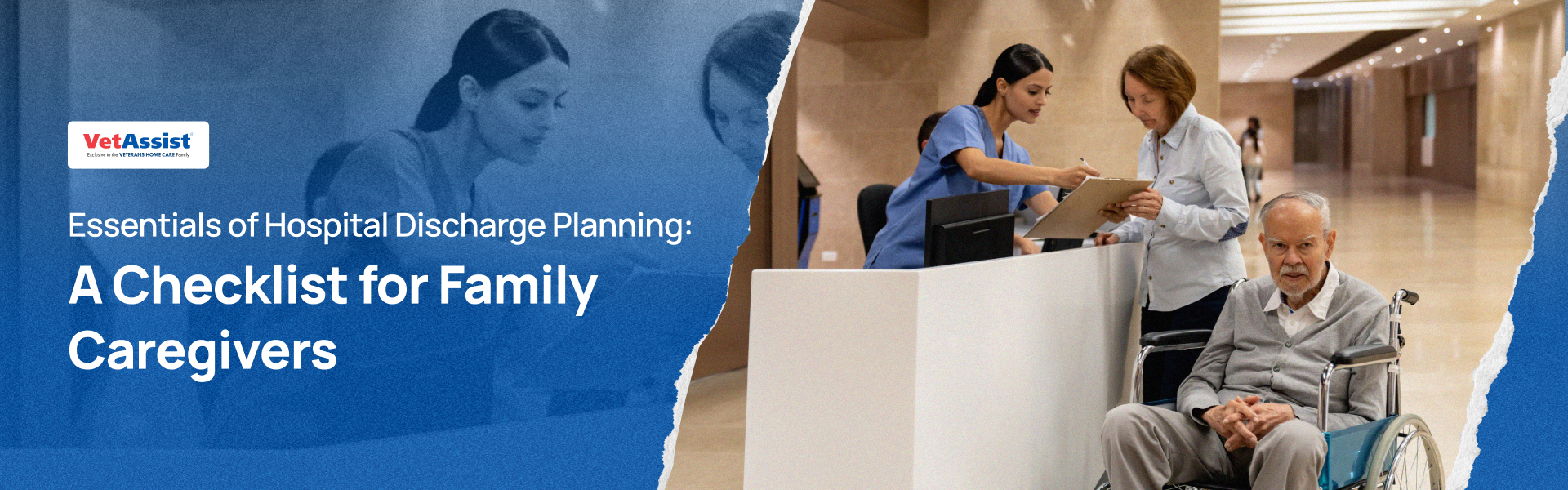
Essentials of Hospital Discharge Planning: A Checklist for Family Caregivers
Hospital stays can be hard on elderly patients, and it’s only natural that they often can’t wait to go home. However, rushing through post-hospital discharge care increases the risk of health complications and even readmission.
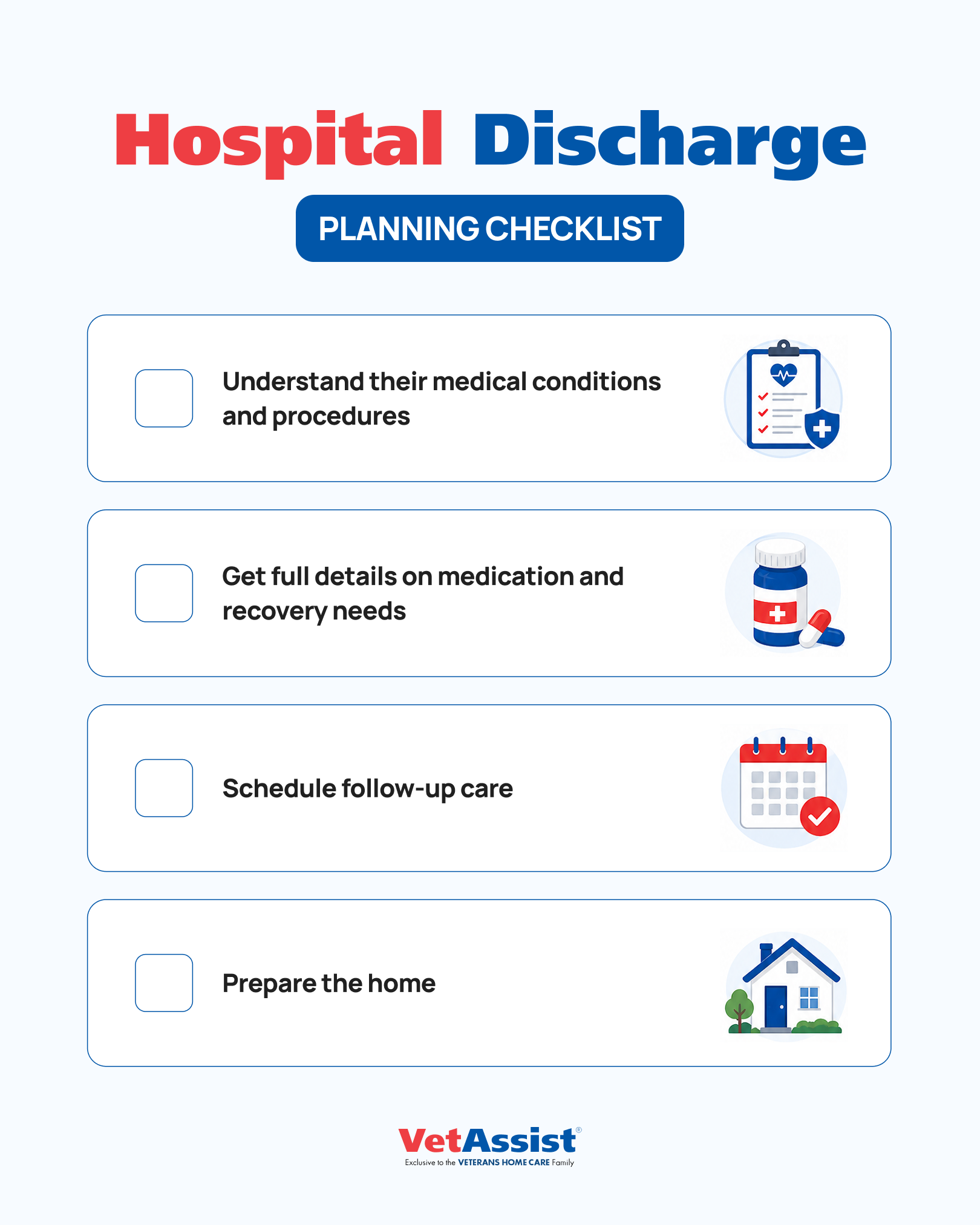
Family caregivers can help their senior loved ones by becoming involved in their discharge plan. If you have never done this before, we’ve assembled a checklist below of critical items to cover with your loved one’s medical team and discharge planner (often a hospital social worker or nurse). The best time to complete this checklist is at least an hour or two before your loved one is released from the hospital. A brief checklist can be found at the end of the explanations.
1: Understand their medical conditions and procedures
Don’t be shy about asking questions: it’s essential that you understand your loved one’s health status and the conditions being treated. Questions you might ask in this category include:
● Was this a one-time surgery, or will there be more procedures for the same condition?
● Will there be a follow-up procedure, exam, or labs for this surgery?
● How will we know that recovery is going well? How will we know there is a problem with recovery?
● Will there be swelling, pain, bleeding, or any other symptoms that are expected but uncomfortable? What should we do in response?
● Do they have any conditions that make recovery more difficult, such as congestive heart failure or diabetes?
● At what point should we call their doctor during recovery, if problems arise? At what point should we get emergency care?
Know that hospital stays do not include full recovery for your loved one, just stabilization. Patients are discharged once the medical team deems it safe, not when they are fully back to health. This distinction helps explain why we should feel we confidently understand our loved one’s condition before we take them home.
2: Get full details on medication and recovery needs
Get a full list of medications your loved one should be taking upon release from the hospital. (This might include routine medications that have nothing to do with their surgery or reason for hospitalization.) Ensure you have information on dosage and times of day the medication should be taken. Ask about drug interactions (a pharmacist may be the best resource for this), and also ask if any medication or supplement should be discontinued during recovery. Find more tips for medication process and safety here.
Your loved one may need wound care, shots, or special medical equipment during their recovery. If it’s not offered to you first, ask for a demonstration on how (and how often) to change wound dressings, or how to work with the special equipment. If you’ll be required to administer injections, ask for practice on this, too. If devices such as a walker, special bed, portable toilet, or oxygen supply are recommended, ask for details on what type you should look for, and where they recommend ordering them. (Insurance, Medicare, and/or veterans’ benefits may help cover these expenses.)
If after-hospital care includes tasks you cannot safely or comfortably complete, ask the discharge planner for any resources they have related to home health and home care (here is the difference between the two). Short term, trained help can take a lot of pressure off a family caring for an elderly loved one post-hospital discharge.
Lastly, ask about lifestyle directives. Should your loved one be taking short walks each day during recovery, or should they avoid any exertion? Can they climb stairs or take baths? Does someone need to be in the room with them at all times for a specified number of days or weeks? Does their mealtime or bathing routine have to adjust short term? Get clear instructions for the day-to-day.
3: Schedule follow-up care
Make sure you have the following details for all upcoming follow-ups and related appointments:
● Dates/times
● Location
● Purpose
● Staff (i.e., will it be with their surgical staff, primary care doctor, someone else?)
● What to bring (here are some examples)
You may be asked to schedule your loved one’s rehabilitation-related appointments, such as physical therapy. Write down all referrals. Also start planning who will take your loved one to each appointment.
4. Prepare the home
The transition of care from hospital to home means taking stock of safety and comfort. Before you bring your loved one home, consider needed home modifications and make sure meals and prescription fills are planned-for. Consider the rooms where your loved one will sleep, bathe, and spend the day. Think about keeping water easily accessible and temperatures comfortable.
Note that a hospital is a highly structured environment, where everything runs on a schedule; as much as possible, try to create similar structure at home to minimize the chance of missing something important.
Brief Checklist Before Hospital Discharge
● I understand my loved one’s health conditions.
● I understand the care that was administered during their hospital stay.
● I know what warning signs to look for that signal we need to seek emergency care or readmission to the hospital.
● I have contact information for emergency and non-emergency purposes during recovery.
● I have a full list of medications they need to be taking, and the details of how/when.
● I know how and when to change wound dressing/work medical devices.
● I know what foods and activities they need to avoid during recovery, and what they need to do every day to support recovery.
● I know when, where, why, and with whom all their next appointments are scheduled.
● I know who is taking them to these appointments.
● I have prepared their/my home for them to transition safely and continue recovery.
● I know who to contact for additional support with home health or home care.
● I know who will be monitoring my loved one at all times during recovery.
Family caregivers work hard to support their elderly loved ones with disabilities and complex health conditions. Home care can be a life-changing resource, so our VetAssist mission is to make it easily and quickly accessible for those who qualify through the VA Pension with Aid and Attendance benefit. Veterans Home Care can help you determine whether you or your loved one will be eligible to receive the benefit, which can cover some or all of the cost of home care, and we make it easy to apply. Chat with us via our website, or call us at (888) 314-6075.
Supporting Veterans Beyond Our Program: Reflections from the Parkinson’s Foundation Veteran Event
Veterans Home Care’s Key Account Manager, Jason Pokorny, and Vice President of Claims, Shelly Rupich, were honored to participate in the Parkinson’s Foundation’s Veteran Breakfast and Lunch & Learn. This meaningful event brought together Veterans, their families, Veterans Health Administration professionals, community organizations, and industry partners to share knowledge, resources, and support for those affected by Parkinson’s disease.
The morning began with coffee and conversation, creating an opportunity to connect with fellow Veterans and their families while learning about the many resources available to them. It was inspiring to see so many organizations united with a common goal: ensuring our nation’s heroes have access to the care, education, and support they deserve.
Before the Lunch & Learn, the Parkinson’s Foundation hosted an expert panel featuring professionals from the Veterans Health Administration. The panel answered thoughtful questions from Veterans and caregivers about Parkinson’s disease, including diagnosis, treatment options, and what families can expect throughout the journey. The discussion was informative and empowering, providing attendees with valuable guidance from trusted experts.
Following the breakfast, nearly 300 attendees gathered in an exhibit hall filled with community organizations offering resources, education, and support services. The networking opportunities were invaluable, allowing us to build new relationships with organizations that share our commitment to serving Veterans and older adults. Several of those connections have already led to new collaborative opportunities that will strengthen our ability to support Veterans and our provider partners.
One interaction, in particular, stood out. While speaking with a Veteran and his daughter, Shelly recognized that although he was not eligible for the VetAssist® Program, he could potentially qualify for additional VA pension benefits. She was able to explain the process, provide the appropriate forms, and point them in the right direction. Seeing the Veteran’s gratitude and knowing we helped him access benefits he had earned was a powerful reminder that our mission extends far beyond our own program. Sometimes the greatest impact comes simply from helping someone find the answers they need.
The event concluded with educational presentations from Parkinson’s disease experts, reinforcing the importance of awareness, early intervention, and community support. Events like these demonstrate the power of bringing healthcare professionals, nonprofit organizations, and Veterans together to learn from one another and improve lives.
Veterans Home Care was honored to be part of this event and is grateful to the Parkinson’s Foundation for the invitation. Raising awareness, building community partnerships, and helping Veterans navigate the benefits they’ve earned are all part of our commitment to those who have served. Whether through the VetAssist Program or simply by connecting a Veteran with the right resources, every conversation is an opportunity to make a difference. That’s what our mission is all about—We Change Lives.
Last Updated on July 26, 2026 by Sarah Wilson The Isle of Mull is one of Scotland’s most beautiful and unforgettable islands, where dramatic mountain landscapes meet rugged coastlines, colourful harbour towns and some of the UK’s best wildlife-watching opportunities. Located in the Inner Hebrides, Mull is famous for its white-tailed eagles, otters, seals and […]
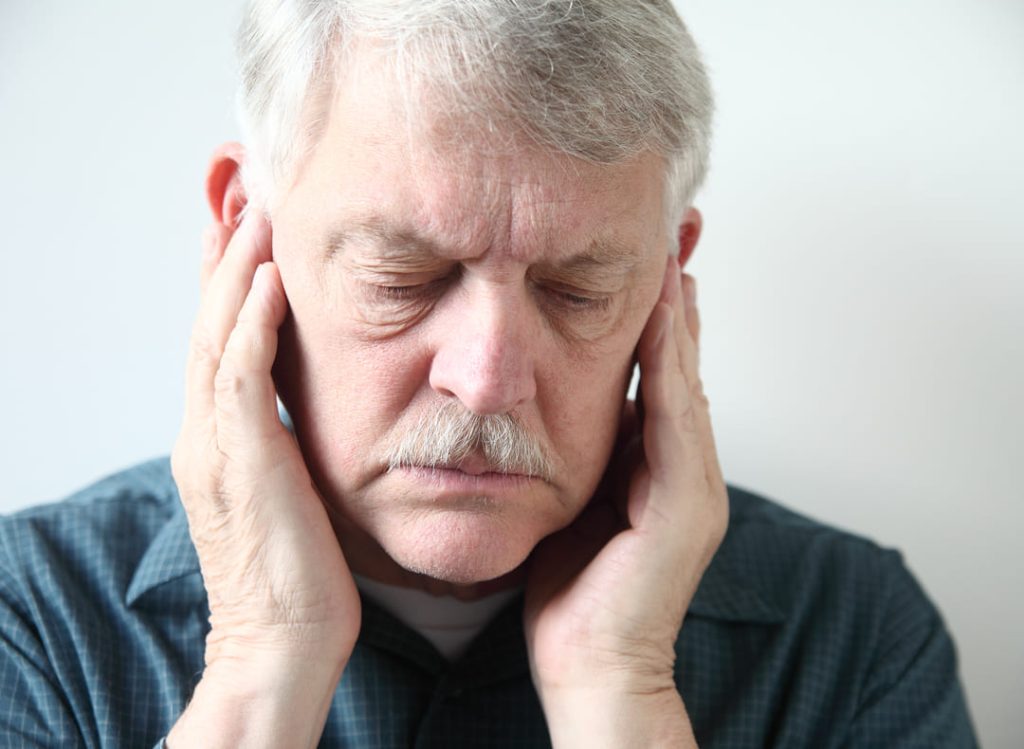
If your jaw clicks, locks, or throbs every time you eat, talk, or yawn, you already know TMJ isn’t a “minor” problem. It’s a daily fight – and it could qualify you for a VA disability rating and compensation.
Yes, veterans can receive VA disability for TMJ.
The VA rates temporomandibular joint disorder under Diagnostic Code 9905, with ratings from 10% to 50% based on how far you can open your jaw and whether you’re stuck on a restricted diet.
Two veterans with the identical diagnosis can walk away with completely different ratings, and in this guide, I’ll show you exactly why — so you know where you stand before you ever sit down for a C&P exam.
Table of Contents
Summary of Key Points
TMJ is rated under Diagnostic Code 9905 at 10%, 20%, 30%, 40%, or 50%.
Your rating comes down to two factors: interincisal range of motion (how wide you can open your mouth, in millimeters) and dietary restrictions.
You only need to meet one criterion at a given level to earn that rating — not both.
TMJ can be filed directly or secondary to PTSD, since stress-driven teeth grinding (bruxism) is a well-documented cause.
Strong evidence — a diagnosis, tracked ROM measurements, and a nexus letter — is what separates a 10% rating from a 50% rating.
What is TMJ?
TMJ (temporomandibular joint disorder) affects the joint connecting your jawbone to your skull (the one you use every time you talk, chew, or swallow). Common symptoms include jaw pain, clicking or popping, a locked jaw, trouble opening your mouth wide, headaches, and earaches. That’s the short version, and it’s really all you need.
What actually decides your claim isn’t the anatomy, it’s how the VA measures your symptoms and converts them into a rating. Let’s get into that.
Can You Get VA Disability for TMJ?
Yes. The VA recognizes TMJ as a rateable disability under Diagnostic Code 9905, and it’s rated at 10%, 20%, 30%, 40%, or 50%. There’s no rating above 50% for TMJ by itself — but that’s not the ceiling on your overall compensation. TMJ often shows up alongside other musculoskeletal conditions or related symptoms like chronic headaches, and depending on your case, those can be evaluated separately.
To get rated, you need three things on file: a current diagnosis, evidence connecting your TMJ to your military service (or to an already-service-connected condition), and documentation showing exactly how your symptoms measure up against the VA’s criteria. That last piece is where most veterans get shortchanged. Not because their TMJ isn’t severe enough, but because their paperwork never captured how bad it really is.
This is the section that actually decides your rating, so let’s slow down and get it right.
Under DC 9905, the VA looks at two main factors: how far you can open your jaw (interincisal range of motion) and what kind of diet you’re limited to. Here’s the part veterans miss constantly: you only need to meet one of the criteria at a given level, not all of them, to qualify for that rating.
Interincisal Range of Motion
This is a fancy way of saying “how wide can you open your mouth.” It’s measured in millimeters, from your top front teeth to your bottom front teeth when your mouth is open as far as it goes. A dentist, oral surgeon, or C&P examiner measures this directly (it’s not something you self-report or ‘eyeball’).
Generally, the ranges break down like this:
30–34mm — mild limitation
21–29mm — moderate limitation
11–20mm — significant limitation
0–10mm — severe limitation
Dietary Restrictions
The VA also looks at what you can actually eat. There are three tiers: a regular diet (no restrictions), a mechanically altered diet (food that’s chopped, blended, or softened), and a liquid diet. If your dentist or doctor has written into your medical records that you’re on a modified diet because of your jaw – not just because you mentioned it to the C&P examiner that one day – it counts toward your rating.
This point trips up a lot of veterans. Telling the examiner “I can only eat soft foods” during your one appointment isn’t the same as having your treating dentist document that restriction over time. The VA wants a documented pattern, not a single statement made in passing.
Painful Motion and Lateral Excursion
Pain matters too. Under VA’s painful motion rule, if movement is painful, that motion counts as limited — even if you technically have some range left. So if you can open your jaw 32mm but it hurts through the whole motion, you may still qualify for a higher rating than the raw number alone suggests.
Lateral excursion — how far your jaw moves side to side — factors in as well, though less prominently than vertical opening. Reduced lateral movement, especially under 4mm, can support a rating on its own.
Why Two Veterans With TMJ Get Different Ratings
Here’s the piece most articles skip entirely: two veterans can have the exact same diagnosis and walk away with completely different ratings, because the rating isn’t based on the diagnosis — it’s based on the documented severity of your specific symptoms.
Veteran A gets diagnosed, never has his jaw opening measured in millimeters, and never gets his soft-food diet written into his chart. He shows up to his C&P exam with nothing solid on paper. Result: he risks landing at 10%, or getting shortchanged entirely.
Veteran B has his dentist track interincisal measurements across several visits, documents a mechanically altered diet in his records, and brings a nexus letter tying it all back to service. Same condition. Dramatically stronger claim. That’s the whole game with TMJ — the diagnosis gets you in the door, but the measurements and documentation get you the rating.
TMJ VA Rating Chart
Here’s how it all comes together. Remember, you only need to meet one criterion at each level — not every one listed.
VARating
Jaw Opening (Interincisal)
Diet
50%
0–10mm
Dietary restrictions present
40%
0–10mm, or 11–20mm, or 21–29mm
No restrictions / some restrictions / liquid diet
30%
11–20mm, or 21–29mm, or 30–34mm
No restrictions / soft-food restrictions / liquid diet
20%
21–29mm, or 30–34mm
No restrictions / soft-food restrictions
10%
30–34mm, or lateral movement 0–4mm
No restrictions
Can TMJ Be Secondary to PTSD?
Yes, and this is one of the most overlooked paths to a TMJ rating.
Bruxism (teeth grinding) is a well-documented symptom of PTSD and chronic stress. If you’ve been grinding your teeth at night for years because of hypervigilance, nightmares, or combat-related anxiety, that grinding puts constant strain on your jaw joint and surrounding muscles. Over time, that strain can develop into full-blown TMJ.
Here’s the chain: PTSD causes stress and muscle tension → stress leads to bruxism (often at night, so you may not even realize it’s happening) → years of grinding wears down your jaw joint → TMJ develops. Anxiety plays a role here too — tense jaw and neck muscles can aggravate symptoms even without full-blown grinding at play. If anxiety or mental health ratings are part of your service-connected picture, it’s worth reviewing whether that connection extends to your jaw.
If your PTSD is already service-connected, filing TMJ as secondary is often easier than filing it as a standalone, direct claim. You’re not trying to prove your jaw problem happened in service — you’re proving your already-connected PTSD is, as the standard goes, “at least as likely as not” the cause of your TMJ.
That’s the legal bar for secondary service connection, and a nexus letter from a provider familiar with the bruxism-TMJ link is the centerpiece of this kind of claim.
Evidence That Strengthens a TMJ Claim
Your evidence is what turns “I have TMJ” into “here’s my documented rating.” Focus on stacking:
A current diagnosis from a dentist, oral surgeon, or ENT — not a self-diagnosis, not a guess.
ROM measurements tracked over time, not just once, showing your interincisal opening in millimeters.
Dietary restriction documentation written into your treatment records by a provider, not just mentioned verbally at an appointment.
A DBQ (Disability Benefits Questionnaire) completed by your provider, giving the VA a structured summary of your symptoms.
Your C&P exam — go in prepared, be honest about your worst days, and don’t downplay your symptoms to seem tough.
A nexus letter connecting your TMJ to service, or to an already-service-connected condition like PTSD.
Lay statements and buddy statements from people who’ve watched you struggle — a spouse who’s seen you avoid solid foods, a battle buddy who remembers your jaw pain starting downrange.
The more of these you stack, the harder it becomes for the VA to justify a low rating or a denial.
Common Mistakes Veterans Make
A few habits quietly cost veterans a fair rating:
Skipping treatment during service. Waiting until after you separate to get your jaw pain evaluated makes it much harder to link TMJ back to your time in uniform.
Filing an incomplete claim. A Fully Developed Claim — diagnosis, nexus, and current symptoms all submitted upfront — moves faster than one the VA has to chase down evidence for. Learn the full process in our VA Claim Guide.
Not knowing the rating criteria before the C&P exam. If you don’t know what the examiner is measuring, you can’t make sure it gets documented accurately.
Ignoring the PTSD connection. Veterans with service-connected PTSD who grind their teeth often skip filing TMJ as secondary, leaving a legitimate rating on the table.
Conclusion
TMJ is real, it’s ratable, and you deserve a rating that reflects what you’re actually dealing with — not a lowball number because your paperwork didn’t tell the full story. Get diagnosed, get your jaw measurements and diet restrictions documented over time, connect the dots with a nexus letter, and don’t sleep on a secondary PTSD claim if teeth grinding is part of your story. Stack enough service-connected conditions like this together, and you may be closer to 100% VA disability than you think.
That’s how you build a TMJ claim the VA can’t easily wave off. If you want help pulling this evidence together the right way, our team is standing by.
NEED MORE ASSISTANCE? We’ve Got Your SIX!
Most veterans are underrated for their disabilities and, therefore, not getting their due compensation. At VA Claims Insider, we help you understand and take control of the claims process, so you can get the rating and compensation you’re owed by law.
Our process takes the guesswork out of filing a VA disability claim and supports you every step of the way in building a fully-developed claim (FDC) — so you can get the rating you deserve in less time!
If you’ve filed your VA disability claim and have been denied or have received a low rating — or you’re unsure how to get started — reach out to us! Take advantage of a VA Claim Discovery Call. Learn what you’ve been missing — so you can FINALLY get the disability rating and compensation YOU DESERVE!
We’ve helped 50,000+ veterans get what they deserve. Are you next?
The VA rates TMJ under Diagnostic Code 9905 at 10%, 20%, 30%, 40%, and 50%.
Can I get VA disability for TMJ without a formal diagnosis?
No. To receive a VA rating for TMJ, you must have a current, documented diagnosis from a qualified provider (for example, a dentist, oral surgeon, or ENT specialist). Without that formal diagnosis in your medical records, the VA will not rate your condition—even if you report symptoms during your C&P exam.
How fast can I expect a decision if I file a Fully Developed Claim (FDC)?
If you submit an FDC—including your TMJ diagnosis, a nexus letter, and evidence of your symptoms—the average turnaround time for a decision is 3–4 months. This is significantly quicker than a standard claim, where the VA must gather records on your behalf and can take 9–12 months or more.
What medical tests does the VA use to rate TMJ?
The VA measures interincisal opening (how many millimeters you can open your jaw) and notes any dietary restrictions (everyday foods vs. mechanically altered or liquid diets). In some cases, they may also consider reports of painful motion. You’ll likely have to demonstrate these limits during your C&P exam—and have them documented in your treatment records—to qualify for each rating level.
Can I claim TMJ secondary to PTSD or other service-connected conditions?
Yes. If you suffer from service-connected PTSD (or another condition) that causes teeth grinding or muscle tension leading to TMJ, you can file for secondary service connection. You’ll need a medical nexus letter showing it is “at least as likely as not” that your PTSD exacerbated or caused your TMJ.
What is the highest TMJ VA rating?
50%, awarded when you can open your jaw only 0–10mm and you have documented dietary restrictions.
Does painful motion qualify for a rating?
es. Under the painful motion rule, pain during movement can support a rating even when your measured range of motion alone might not.
Content Reviewed By
Quality Assurance Team
The Quality Assurance (QA) team at VA Claims Insider has extensive experience researching, fact-checking, and ensuring accuracy in all produced content. The QA team consists of individuals with specialized knowledge in the VA disability claims adjudication processes, laws and regulations, and they understand the needs of our target audience. Any changes or suggestions the QA team makes are thoroughly reviewed and incorporated into the content by our writers and creators.
Brian Reese is a world-renowned VA disability benefits expert and the #1 bestselling author of VA Claim Secrets and You Deserve It. Motivated by his own frustration with the VA claim process, Brian founded VA Claims Insider to help disabled veterans secure their VA disability compensation faster, regardless of their past struggles with the VA. Since 2013, he has positively impacted the lives of over 10 million military, veterans, and their families.
A former active-duty Air Force officer, Brian has extensive experience leading diverse teams in challenging international environments, including a combat tour in Afghanistan in 2011 supporting Operation ENDURING FREEDOM.
Brian is a Distinguished Graduate of Management from the United States Air Force Academy and earned his MBA from Oklahoma State University’s Spears School of Business, where he was a National Honor Scholar, ranking in the top 1% of his class.
If your jaw clicks, locks, or throbs every time you eat, talk, or yawn, you already know TMJ isn’t a “minor” problem. It’s a daily fight – and it could qualify you for a VA disability rating and compensation.
Yes, veterans can receive VA disability for TMJ.
The VA rates temporomandibular joint disorder under Diagnostic Code 9905, with ratings from 10% to 50% based on how far you can open your jaw and whether you’re stuck on a restricted diet.
Two veterans with the identical diagnosis can walk away with completely different ratings, and in this guide, I’ll show you exactly why — so you know where you stand before you ever sit down for a C&P exam.
Table of Contents
Summary of Key Points
TMJ is rated under Diagnostic Code 9905 at 10%, 20%, 30%, 40%, or 50%.
Your rating comes down to two factors: interincisal range of motion (how wide you can open your mouth, in millimeters) and dietary restrictions.
You only need to meet one criterion at a given level to earn that rating — not both.
TMJ can be filed directly or secondary to PTSD, since stress-driven teeth grinding (bruxism) is a well-documented cause.
Strong evidence — a diagnosis, tracked ROM measurements, and a nexus letter — is what separates a 10% rating from a 50% rating.
What is TMJ?
TMJ (temporomandibular joint disorder) affects the joint connecting your jawbone to your skull (the one you use every time you talk, chew, or swallow). Common symptoms include jaw pain, clicking or popping, a locked jaw, trouble opening your mouth wide, headaches, and earaches. That’s the short version, and it’s really all you need.
What actually decides your claim isn’t the anatomy, it’s how the VA measures your symptoms and converts them into a rating. Let’s get into that.
Can You Get VA Disability for TMJ?
Yes. The VA recognizes TMJ as a rateable disability under Diagnostic Code 9905, and it’s rated at 10%, 20%, 30%, 40%, or 50%. There’s no rating above 50% for TMJ by itself — but that’s not the ceiling on your overall compensation. TMJ often shows up alongside other musculoskeletal conditions or related symptoms like chronic headaches, and depending on your case, those can be evaluated separately.
To get rated, you need three things on file: a current diagnosis, evidence connecting your TMJ to your military service (or to an already-service-connected condition), and documentation showing exactly how your symptoms measure up against the VA’s criteria. That last piece is where most veterans get shortchanged. Not because their TMJ isn’t severe enough, but because their paperwork never captured how bad it really is.
This is the section that actually decides your rating, so let’s slow down and get it right.
Under DC 9905, the VA looks at two main factors: how far you can open your jaw (interincisal range of motion) and what kind of diet you’re limited to. Here’s the part veterans miss constantly: you only need to meet one of the criteria at a given level, not all of them, to qualify for that rating.
Interincisal Range of Motion
This is a fancy way of saying “how wide can you open your mouth.” It’s measured in millimeters, from your top front teeth to your bottom front teeth when your mouth is open as far as it goes. A dentist, oral surgeon, or C&P examiner measures this directly (it’s not something you self-report or ‘eyeball’).
Generally, the ranges break down like this:
30–34mm — mild limitation
21–29mm — moderate limitation
11–20mm — significant limitation
0–10mm — severe limitation
Dietary Restrictions
The VA also looks at what you can actually eat. There are three tiers: a regular diet (no restrictions), a mechanically altered diet (food that’s chopped, blended, or softened), and a liquid diet. If your dentist or doctor has written into your medical records that you’re on a modified diet because of your jaw – not just because you mentioned it to the C&P examiner that one day – it counts toward your rating.
This point trips up a lot of veterans. Telling the examiner “I can only eat soft foods” during your one appointment isn’t the same as having your treating dentist document that restriction over time. The VA wants a documented pattern, not a single statement made in passing.
Painful Motion and Lateral Excursion
Pain matters too. Under VA’s painful motion rule, if movement is painful, that motion counts as limited — even if you technically have some range left. So if you can open your jaw 32mm but it hurts through the whole motion, you may still qualify for a higher rating than the raw number alone suggests.
Lateral excursion — how far your jaw moves side to side — factors in as well, though less prominently than vertical opening. Reduced lateral movement, especially under 4mm, can support a rating on its own.
Why Two Veterans With TMJ Get Different Ratings
Here’s the piece most articles skip entirely: two veterans can have the exact same diagnosis and walk away with completely different ratings, because the rating isn’t based on the diagnosis — it’s based on the documented severity of your specific symptoms.
Veteran A gets diagnosed, never has his jaw opening measured in millimeters, and never gets his soft-food diet written into his chart. He shows up to his C&P exam with nothing solid on paper. Result: he risks landing at 10%, or getting shortchanged entirely.
Veteran B has his dentist track interincisal measurements across several visits, documents a mechanically altered diet in his records, and brings a nexus letter tying it all back to service. Same condition. Dramatically stronger claim. That’s the whole game with TMJ — the diagnosis gets you in the door, but the measurements and documentation get you the rating.
TMJ VA Rating Chart
Here’s how it all comes together. Remember, you only need to meet one criterion at each level — not every one listed.
VARating
Jaw Opening (Interincisal)
Diet
50%
0–10mm
Dietary restrictions present
40%
0–10mm, or 11–20mm, or 21–29mm
No restrictions / some restrictions / liquid diet
30%
11–20mm, or 21–29mm, or 30–34mm
No restrictions / soft-food restrictions / liquid diet
20%
21–29mm, or 30–34mm
No restrictions / soft-food restrictions
10%
30–34mm, or lateral movement 0–4mm
No restrictions
Can TMJ Be Secondary to PTSD?
Yes, and this is one of the most overlooked paths to a TMJ rating.
Bruxism (teeth grinding) is a well-documented symptom of PTSD and chronic stress. If you’ve been grinding your teeth at night for years because of hypervigilance, nightmares, or combat-related anxiety, that grinding puts constant strain on your jaw joint and surrounding muscles. Over time, that strain can develop into full-blown TMJ.
Here’s the chain: PTSD causes stress and muscle tension → stress leads to bruxism (often at night, so you may not even realize it’s happening) → years of grinding wears down your jaw joint → TMJ develops. Anxiety plays a role here too — tense jaw and neck muscles can aggravate symptoms even without full-blown grinding at play. If anxiety or mental health ratings are part of your service-connected picture, it’s worth reviewing whether that connection extends to your jaw.
If your PTSD is already service-connected, filing TMJ as secondary is often easier than filing it as a standalone, direct claim. You’re not trying to prove your jaw problem happened in service — you’re proving your already-connected PTSD is, as the standard goes, “at least as likely as not” the cause of your TMJ.
That’s the legal bar for secondary service connection, and a nexus letter from a provider familiar with the bruxism-TMJ link is the centerpiece of this kind of claim.
Evidence That Strengthens a TMJ Claim
Your evidence is what turns “I have TMJ” into “here’s my documented rating.” Focus on stacking:
A current diagnosis from a dentist, oral surgeon, or ENT — not a self-diagnosis, not a guess.
ROM measurements tracked over time, not just once, showing your interincisal opening in millimeters.
Dietary restriction documentation written into your treatment records by a provider, not just mentioned verbally at an appointment.
A DBQ (Disability Benefits Questionnaire) completed by your provider, giving the VA a structured summary of your symptoms.
Your C&P exam — go in prepared, be honest about your worst days, and don’t downplay your symptoms to seem tough.
A nexus letter connecting your TMJ to service, or to an already-service-connected condition like PTSD.
Lay statements and buddy statements from people who’ve watched you struggle — a spouse who’s seen you avoid solid foods, a battle buddy who remembers your jaw pain starting downrange.
The more of these you stack, the harder it becomes for the VA to justify a low rating or a denial.
Common Mistakes Veterans Make
A few habits quietly cost veterans a fair rating:
Skipping treatment during service. Waiting until after you separate to get your jaw pain evaluated makes it much harder to link TMJ back to your time in uniform.
Filing an incomplete claim. A Fully Developed Claim — diagnosis, nexus, and current symptoms all submitted upfront — moves faster than one the VA has to chase down evidence for. Learn the full process in our VA Claim Guide.
Not knowing the rating criteria before the C&P exam. If you don’t know what the examiner is measuring, you can’t make sure it gets documented accurately.
Ignoring the PTSD connection. Veterans with service-connected PTSD who grind their teeth often skip filing TMJ as secondary, leaving a legitimate rating on the table.
Conclusion
TMJ is real, it’s ratable, and you deserve a rating that reflects what you’re actually dealing with — not a lowball number because your paperwork didn’t tell the full story. Get diagnosed, get your jaw measurements and diet restrictions documented over time, connect the dots with a nexus letter, and don’t sleep on a secondary PTSD claim if teeth grinding is part of your story. Stack enough service-connected conditions like this together, and you may be closer to 100% VA disability than you think.
That’s how you build a TMJ claim the VA can’t easily wave off. If you want help pulling this evidence together the right way, our team is standing by.
NEED MORE ASSISTANCE? We’ve Got Your SIX!
Most veterans are underrated for their disabilities and, therefore, not getting their due compensation. At VA Claims Insider, we help you understand and take control of the claims process, so you can get the rating and compensation you’re owed by law.
Our process takes the guesswork out of filing a VA disability claim and supports you every step of the way in building a fully-developed claim (FDC) — so you can get the rating you deserve in less time!
If you’ve filed your VA disability claim and have been denied or have received a low rating — or you’re unsure how to get started — reach out to us! Take advantage of a VA Claim Discovery Call. Learn what you’ve been missing — so you can FINALLY get the disability rating and compensation YOU DESERVE!
We’ve helped 50,000+ veterans get what they deserve. Are you next?
The VA rates TMJ under Diagnostic Code 9905 at 10%, 20%, 30%, 40%, and 50%.
Can I get VA disability for TMJ without a formal diagnosis?
No. To receive a VA rating for TMJ, you must have a current, documented diagnosis from a qualified provider (for example, a dentist, oral surgeon, or ENT specialist). Without that formal diagnosis in your medical records, the VA will not rate your condition—even if you report symptoms during your C&P exam.
How fast can I expect a decision if I file a Fully Developed Claim (FDC)?
If you submit an FDC—including your TMJ diagnosis, a nexus letter, and evidence of your symptoms—the average turnaround time for a decision is 3–4 months. This is significantly quicker than a standard claim, where the VA must gather records on your behalf and can take 9–12 months or more.
What medical tests does the VA use to rate TMJ?
The VA measures interincisal opening (how many millimeters you can open your jaw) and notes any dietary restrictions (everyday foods vs. mechanically altered or liquid diets). In some cases, they may also consider reports of painful motion. You’ll likely have to demonstrate these limits during your C&P exam—and have them documented in your treatment records—to qualify for each rating level.
Can I claim TMJ secondary to PTSD or other service-connected conditions?
Yes. If you suffer from service-connected PTSD (or another condition) that causes teeth grinding or muscle tension leading to TMJ, you can file for secondary service connection. You’ll need a medical nexus letter showing it is “at least as likely as not” that your PTSD exacerbated or caused your TMJ.
What is the highest TMJ VA rating?
50%, awarded when you can open your jaw only 0–10mm and you have documented dietary restrictions.
Does painful motion qualify for a rating?
es. Under the painful motion rule, pain during movement can support a rating even when your measured range of motion alone might not.
Content Reviewed By
Quality Assurance Team
The Quality Assurance (QA) team at VA Claims Insider has extensive experience researching, fact-checking, and ensuring accuracy in all produced content. The QA team consists of individuals with specialized knowledge in the VA disability claims adjudication processes, laws and regulations, and they understand the needs of our target audience. Any changes or suggestions the QA team makes are thoroughly reviewed and incorporated into the content by our writers and creators.
Brian Reese is a world-renowned VA disability benefits expert and the #1 bestselling author of VA Claim Secrets and You Deserve It. Motivated by his own frustration with the VA claim process, Brian founded VA Claims Insider to help disabled veterans secure their VA disability compensation faster, regardless of their past struggles with the VA. Since 2013, he has positively impacted the lives of over 10 million military, veterans, and their families.
A former active-duty Air Force officer, Brian has extensive experience leading diverse teams in challenging international environments, including a combat tour in Afghanistan in 2011 supporting Operation ENDURING FREEDOM.
Brian is a Distinguished Graduate of Management from the United States Air Force Academy and earned his MBA from Oklahoma State University’s Spears School of Business, where he was a National Honor Scholar, ranking in the top 1% of his class.