Category: Uncategorized

  • US Army’s Ranger School alters men’s physiology more than women’s, study shows

    US Army’s Ranger School alters men’s physiology more than women’s, study shows

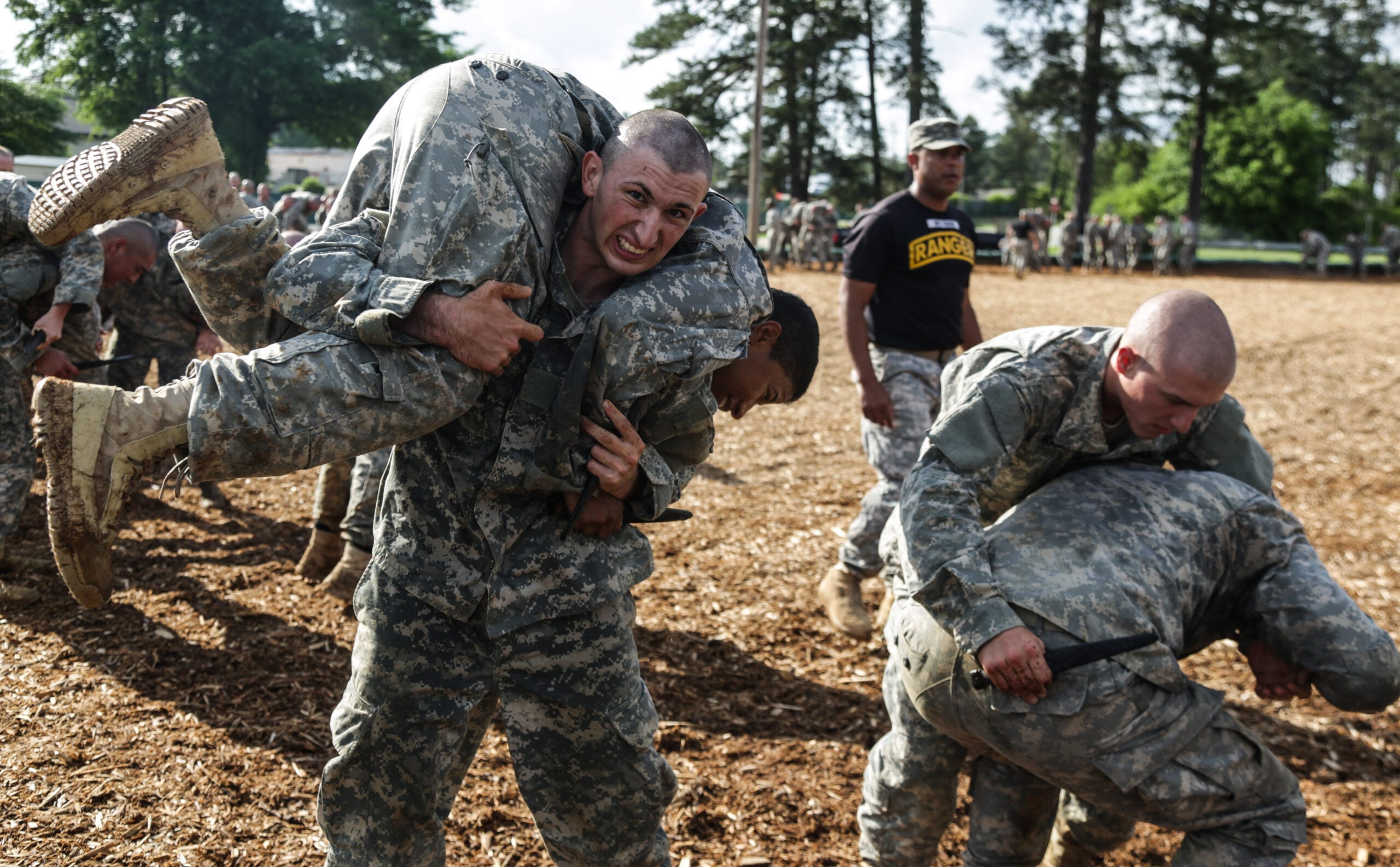
    For weeks, Army Ranger School students put their bodies through a physical ringer, carrying heavy loads and marching far distances with little to eat and sparing sleep. But when Army researchers measured the course’s grueling toll, they found that female soldiers experienced fewer physiological changes than their male counterparts.

    Researchers tracked hormone levels, blood markers and body composition over the weeks-long school and the findings, published this month in the Journal of Applied Physiology, are among the first to compare how male and female soldiers respond to the Army’s premier leadership course.

    The new information comes over a decade after the Pentagon lifted its former ban on women in combat arms roles. In 2015, Ranger School opened to all qualified applicants and since then, over 150 female soldiers have graduated. Thousands more have served — and are serving — in frontline roles, in a change researchers say that underscores the need to better understand how prolonged military training affects women’s health.

    The study, first reported by Task & Purpose, found that while both men and women lost weight and body fat during the course, men experienced more widespread changes across hormone systems and blood markers. Women also experienced hormonal changes, but they were less extensive and largely concentrated during the mountain phase of training.

    The findings, researchers said, “indicate that multi-stressor environments may disproportionately affect male physiological markers, whereas females exhibited fewer, phase-specific changes.”

    The study used data from 36 Ranger students — 10 women and 26 men — between 18 and 36 years old. Sixteen completed the school in the standard 61 days and the rest recycled at least one of the course’s three phases, taking an average of 94 days to graduate.

    The data comes months after the Pentagon launched a formal review of the “effectiveness” of including women in front line roles, a move critics say forces women to continue proving they belong in combat arms positions long after meeting the Army’s standards.

    The review followed criticism of women in front line jobs by Defense Secretary Pete Hegseth, who before taking office said that women should not serve in ground combat roles. Hegseth later softened his position, saying at his confirmation hearing that “if we have the right standard and women meet that standard, roger, let’s go.”

    This post was originally published on this site

  • Marine Corps adds new scout MOS to infantry units

    Marine Corps adds new scout MOS to infantry units

    The Marine Corps will roll out a new infantry specialty later this year to provide infantry and light armored reconnaissance battalions with dedicated reconnaissance and surveillance support.

    On Tuesday, the service announced in an administrative message the creation of the new primary military occupational specialty 0315 Scout.

    Lt. Gen. Jay Bargeron, deputy commandant for Plans, Policies, and Operations, called the new MOS “a critical step in the modernization of our infantry battalions.”

    “These Scouts will be our eyes and ears, extending our sensing capabilities and enabling commanders to make faster, more effective decisions to win our nation’s battles,” he said in a press release.

    The service said the specialized MOS was born out of “extensive live-force experimentation” — or combat simulations — that highlighted the need for a dedicated battalion-level formation to collect timely and accurate information on the enemy and operating environment.

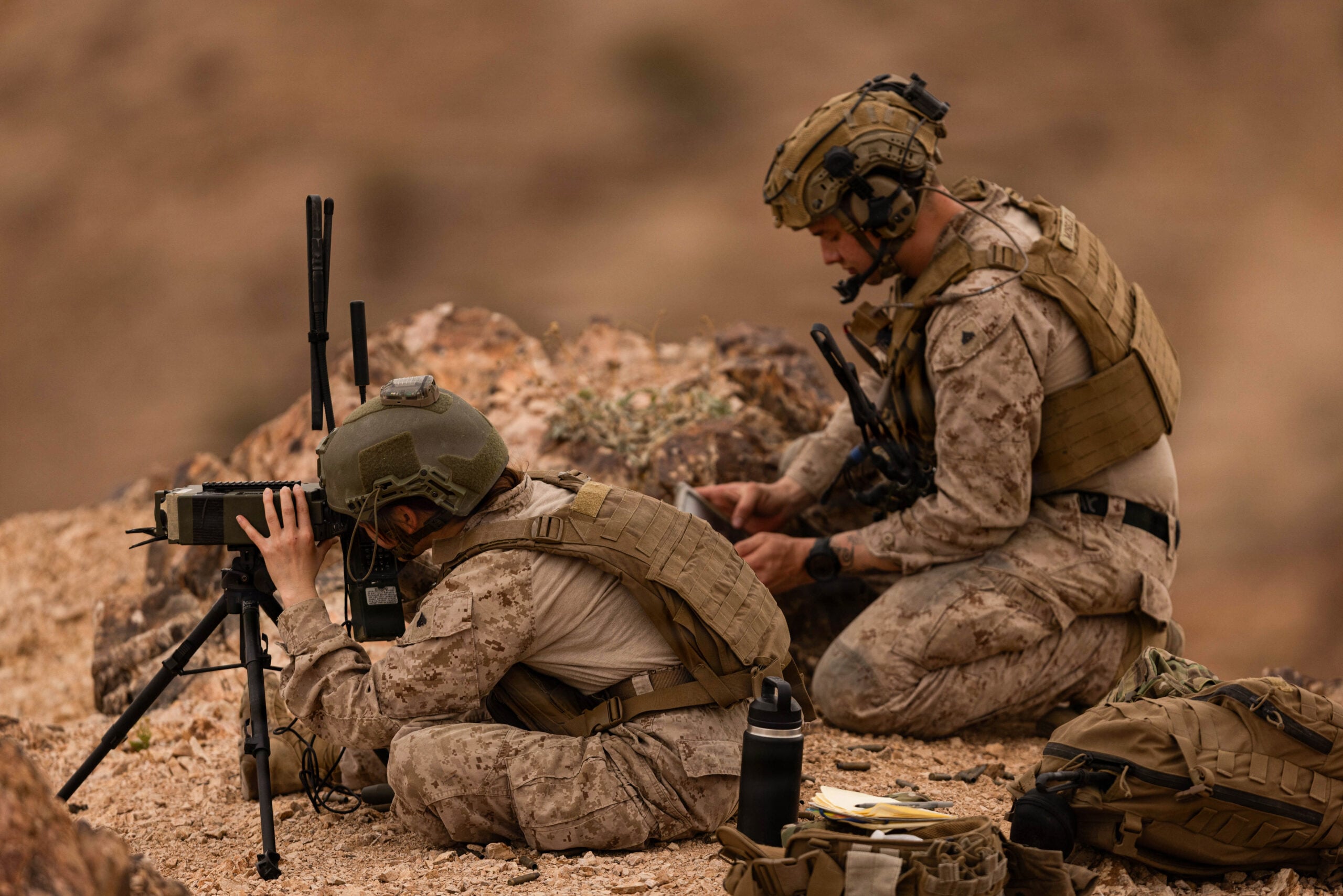
    According to the announcement, scouts will operate as a 26-Marine platoon within a battalion. They will be trained in field craft and advanced communications to conduct ground reconnaissance, surveillance and battlespace shaping through assured long-range communications.

    Scouts will carry advanced optics, communications suites, sensors and unmanned systems for reconnaissance missions. They will also be armed with the M4 Service Rifle, M320 Grenade Launcher and M27 Infantry Automatic Rifle, or IAR.

    Each scout team will also include a Joint Fires Observer, or JFO, to coordinate and control surface-to-surface and air-delivered fires.

    To become a 0315 Scout, Marines must complete either the Infantry Common Core Course or the Infantry Rifleman Course, followed by the Ground Reconnaissance Course.

    Marines seeking to convert to the new MOS must complete the required training. However, 0317 Scout Snipers will be immediately eligible for a lateral transfer without additional training.

    The new MOS takes effect Oct. 1, 2026.

    This post was originally published on this site.

  • Annual ‘religious liberty training’ for troops could be on the way

    Annual ‘religious liberty training’ for troops could be on the way

    This post was originally published on this site.

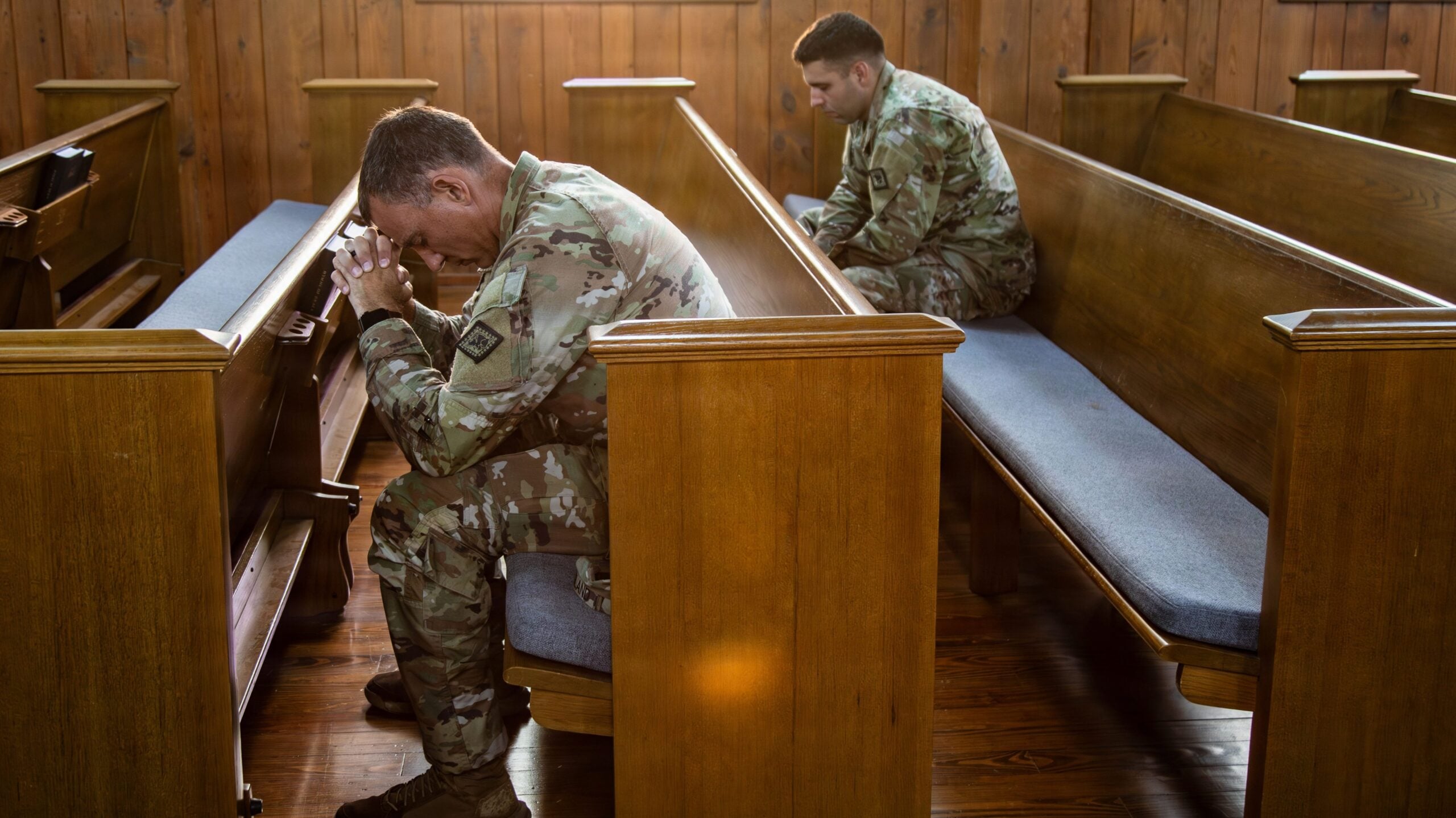
    Annual “religious liberty training” may soon be required for troops and commanders if the Pentagon adopts recommendations from a White House-directed commission of faith leaders and military advocates. 

    The recommendations, which Pentagon leaders said Tuesday they “welcome,” come from the Religious Liberty Commission, a 12-person committee established by President Donald Trump in May 2025 to develop policies across the federal government to “secure domestic religious liberty.”

    Some of the witnesses who testified at commission meetings in 2025 and 2026 included former military chaplains and veterans. The commission’s primary members include a mix of activists, faith leaders and politicians. Chaired by Texas Lt. Gov. Dan Patrick and former Trump cabinet member Ben Carson, the committee includes four Christian clergy, a Rabbi, several prominent figures in Christian activist and legal circles, and talk show host Dr. Phil McGraw.

    The commission’s review of Pentagon policies emphasized expanding the presence of religion across the Defense Department.

    “The more authority the military exercises over the lives of service members, the greater its obligation to ensure that those individuals can live in accordance with their sincerely held beliefs,” the commission wrote in its final report released last week. 

    The commission said the Pentagon should “standardize” so-called “religious liberty training” for “all levels” of the military, including commanders, judge advocate generals and recruiters.

    The commission also suggested the military increase enforcement of existing federal religious freedom laws, endorsed legislation that would allow chaplains to advise on policy and command decisions, and called for military logos and emblems to be allowed for use on religious texts like the Bible.

    The report also said the Pentagon should take another crack at producing a so-called spiritual fitness guide. A 2025 Army effort was scrapped by Defense Secretary Pete Hegseth just five months after it was launched. Hegseth noted the guide “mentions ‘God’ one time,” but “mentions ‘feelings’ 11 times.”

    Recommendations but no immediate training changes

    Left unclear was what annual religious freedom training regime would entail, but the report noted recent Supreme Court cases on religious expression and the Religious Freedom Restoration Act. Passed in 1993, that law prohibits government rules that “substantially burden” the exercise of religion. Critics of the law have argued that it has sometimes been used to “discriminate or to impose” religious beliefs onto others. 

    Mikey Weinstein, a former Air Force lawyer who heads the Military Religious Freedom Foundation, said that the commission’s recommendations violate laws separating church and state. He cited a clause in the Constitution which prohibits the enforcement of religion tests for holding public office.

    “Whenever you get into the business of trying to have a guide or a test, once again, you’re going back to clause three, article six,” Weinstein said. Military leaders, he said, have “no business in any way, shape, or form guiding anyone to figure out how they should view the metaphysical. Where do we come from? What are we doing here? Where do we go when we die? That is not anything that we should be doing.”

    Top Stories This Week

    Another commission recommendation calls for the Pentagon to “restore the use of military emblems on religious texts and materials,” like Bibles and dog tags — an issue that has long sparked debates over trademark laws and church and state separations. Pentagon policy restricts the use of trademarked logos to promote “ideological movements” or “specific interpretations of morality.”

    At one point, base exchanges sold Holman Bibles featuring logos from the services, Weinstein said. In 2012, the foundation took credit for the Pentagon pulling the Bible publishing company’s trademark authorization. Then-Defense Secretary Leon Panetta said the plan “[conveyed] a message of endorsement of religion.”

    “The whole idea is that it’s simply trying to make [religion] such a fundamental aspect, so inextricably intertwined into the mind of our military,” Weinstein said. 

    Pentagon officials did not immediately say what changes, if any, troops can expect from the report, but they signaled that Secretary of Defense Pete Hegseth supports the commission’s recommendations.

    “From day one, Secretary Hegseth has been a continuous and fervent protector of religious freedom and a vocal advocate for First Amendment rights,” Acting Pentagon Press Secretary Joel Valdez told Task & Purpose in a statement. “We welcome the recommendations and insights that the [commission] has provided to us.”

    The post Annual ‘religious liberty training’ for troops could be on the way appeared first on Task & Purpose.
  • 10 Tips for September Is Healthy Aging® Month 2026

    Simple ideas to spark curiosity and lifelong learning

    The post 10 Tips for September Is Healthy Aging® Month 2026 appeared first on Healthy Aging®.

    This post was originally published on this site.

  • COAST GUARD HOLDS MARITIME NUCLEAR INDUSTRY WORKSHOP

    The United States Coast Guard Maritime Nuclear Policy Division (CG-ENG-6), in collaboration with the United States Center for Maritime Innovation (USCMI), held a workshop on June 23, 2026 in

  • Overtourism: Are You Really Part of the Problem?

    Overtourism: Are You Really Part of the Problem?

    Long ago, when people had to watch a documentary or go to a library to read about vibrant cities, beautiful mountain trails, or strange places around the world, tourism felt perfect. That was a time when we could truly consider ourselves lucky to have been able to discover the wonders of this world. But not …

    The post Overtourism: Are You Really Part of the Problem? appeared first on Travel Notes & Beyond.

    This post was originally published on this site.

  • Vessel that aided in discovery of famous WWII shipwrecks finds new life in US Navy

    Vessel that aided in discovery of famous WWII shipwrecks finds new life in US Navy

    The research vessel of the late Paul Allen, co-founder of Microsoft, has found new life.

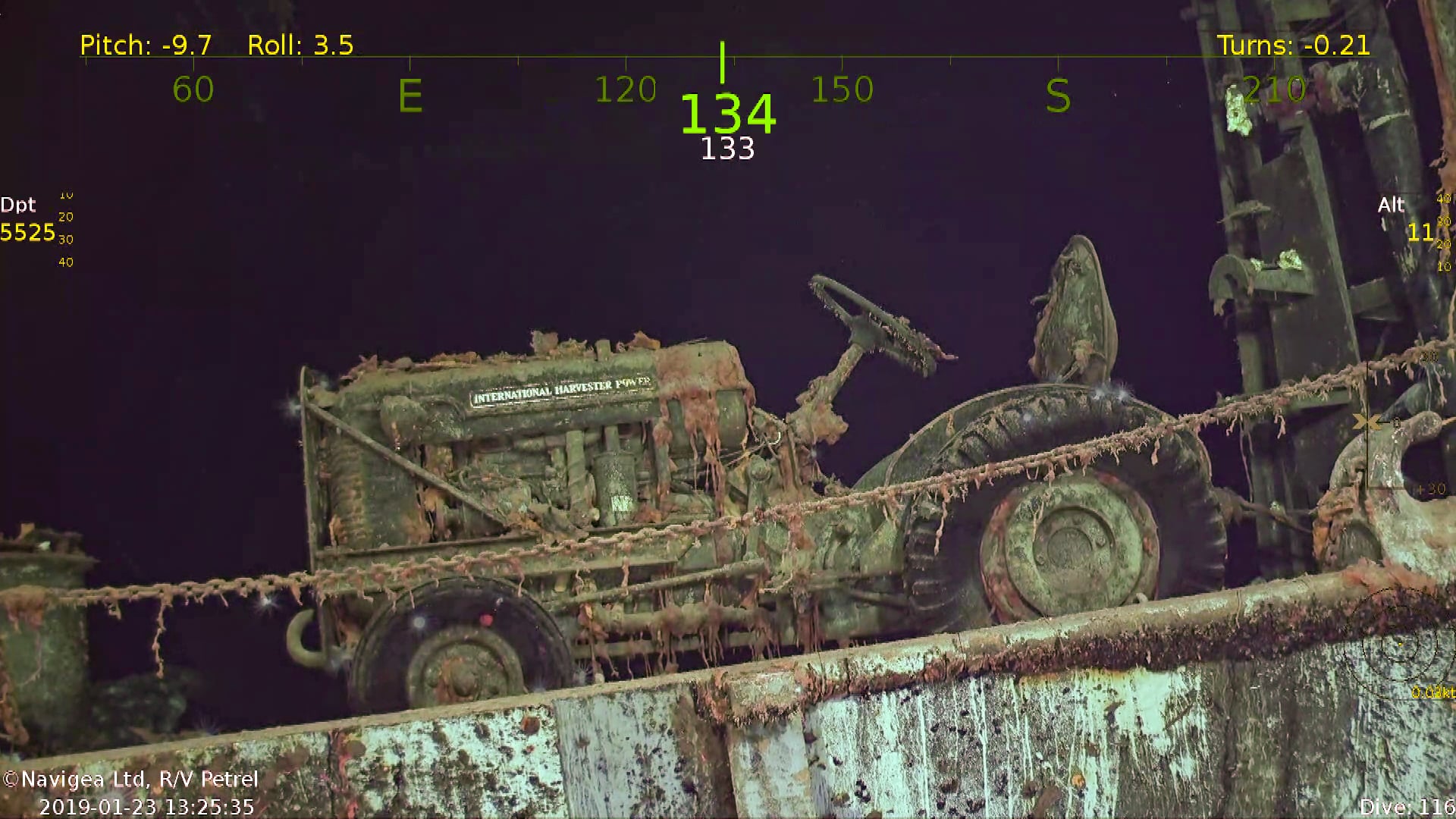
    The R/V Petrel, the maritime brainchild of Vulcan Inc.’s director of undersea operations and Naval History and Heritage Command, aided in the discovery of famous World War II ships such as the USS Indianapolis (CA-35), USS Juneau (CL-52), Japanese carrier IJN Kaga, carriers USS Lexington (CV-2), USS Wasp (CV-7) and USS Hornet (CV-8).

    Now, the vessel is operating under a new name on behalf of the U.S. Navy.

    An R/V Petrel crew member operates the underwater drone while exploring the Hornet. (R/V Petrel)

    Following Allen’s death, the Navy purchased the vessel in 2022 for $12.5 million, and in 2025 rechristened the Sarah Lynn, the U.S. Naval Institute was first to report.

    While the mission of the Sarah Lynn remains unclear, the R/V Petrel was outfitted with of state-of-the-art sensors and remotely operated vehicles to aid in its underwater archeology mission, making it “an ideal platform to survey underwater infrastructure like communication lines and oil and gas pipelines,” according to USNI.

    This post was originally published on this site.

  • Japanese torpedo sends US ship to the ocean floor during Valiant Shield exercise

    Japanese torpedo sends US ship to the ocean floor during Valiant Shield exercise

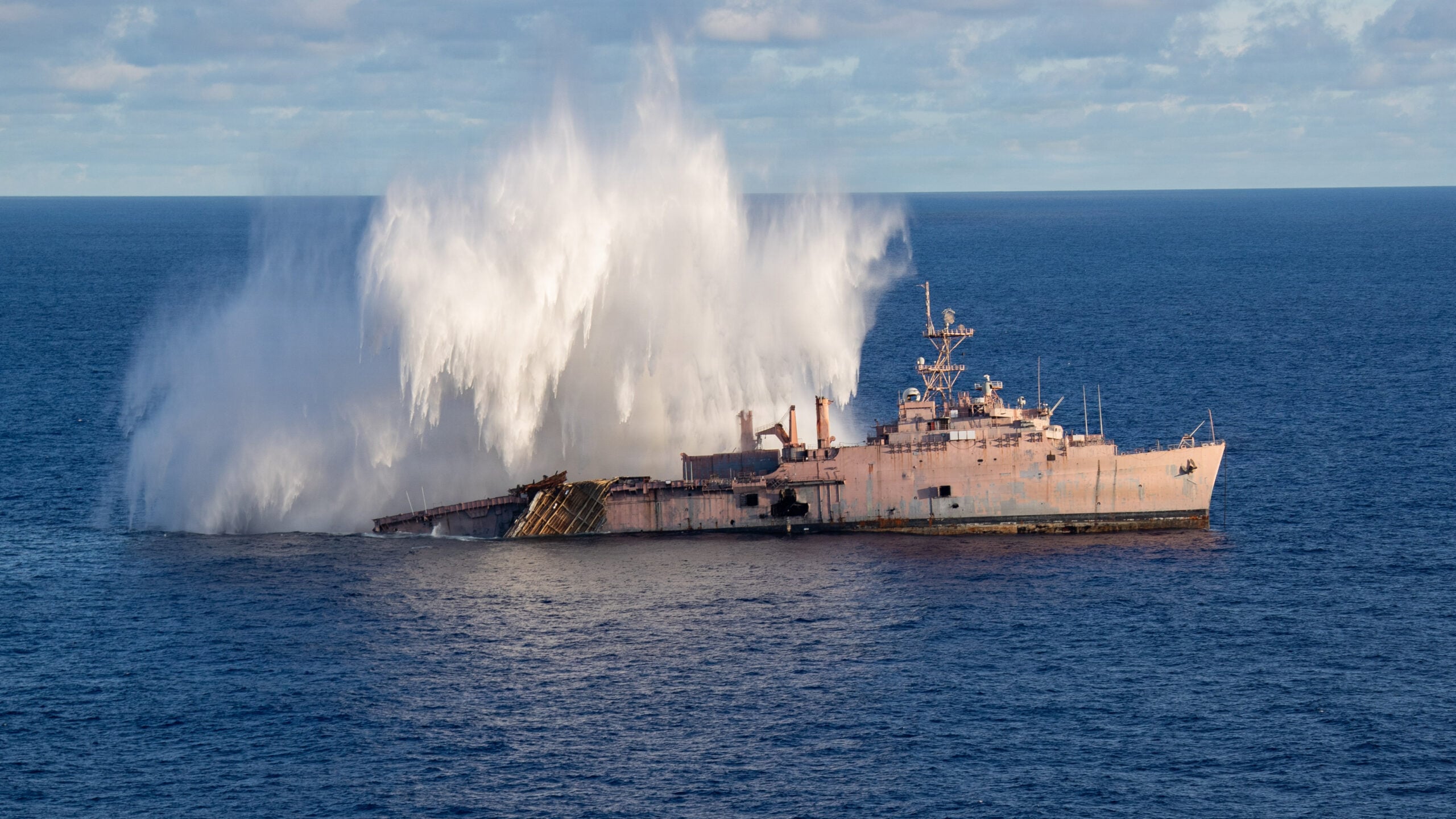
    The U.S. Navy’s decommissioned Austin-class amphibious transport dock ship USS Juneau (LPD-10) was sent to the ocean floor during the ongoing Valiant Shield exercise taking place from June 22 to July 1.

    Sunk more than 200 nautical miles off the coast in the Mariana Islands Range Complex, the death knell to the Juneau came from a torpedo strike from a Japan Maritime Self-Defense Force submarine.

    “This SINKEX provided an outstanding opportunity for our joint team to integrate capabilities across domains, honing the lethal precision and coordination essential for high-end maritime operations in the Pacific theater,” said Rear Adm. Eric Anduze, commander of Carrier Strike Group 5 and Task Force 70.

    Valiant Shield involving the U.S., Japan, Australia, Canada and New Zealand is a biennial field training that builds real-world proficiency in sustaining joint forces through detecting, locating, tracking and engaging units at sea, in the air, in space, on land and in cyberspace, according to the Navy.

    The SINKEX of the USS Juneau comes nearly 84 years after the first USS Juneau, CL-52, was infamously sunk by a Japanese torpedo during the Guadalcanal campaign in November of 1942. Upon contact with the torpedo from Japanese submarine I-26, the Juneau exploded and sank within minutes. Only 10 crew members survived the attack — and among those lost were the five Sullivan brothers. As a result of their loss, according to Naval History and Heritage Command, the U.S. Navy barred close relatives from serving onboard the same ship.

    Juneau (LPD-10) entered service in 1969, seeing action in the Vietnam War and Operation Desert Storm. It was decommissioned in 2008 and was moored in Naval Sea Systems Command Inactive Ships On-Site Maintenance Office at Pearl Harbor before being used by the U.S. and its allies as a means to gain proficiency and confidences in their weapons systems that can not be duplicated in simulations.

    According to the Navy, prior to the sinking of any vessel for participation in a SINKEX, each vessel is put through a rigorous cleaning process, “including the removal of all liquid polychlorinated biphenyls (PCBs) from transformers and large capacitors, small capacitors to the greatest extent practical, and all trash, floatable materials, mercury or fluorocarbon-containing materials, and readily detachable solid PCB items. Petroleum is also cleaned from tanks, piping, and reservoirs.”

    In addition, a Navy environmental, safety and health manager and a quality assurance supervisor are on hand to inspect the environmental remediation conducted.

    This post was originally published on this site.

  • Former leader who served during transformative time for Coast Guard dies at 65

    Former leader who served during transformative time for Coast Guard dies at 65

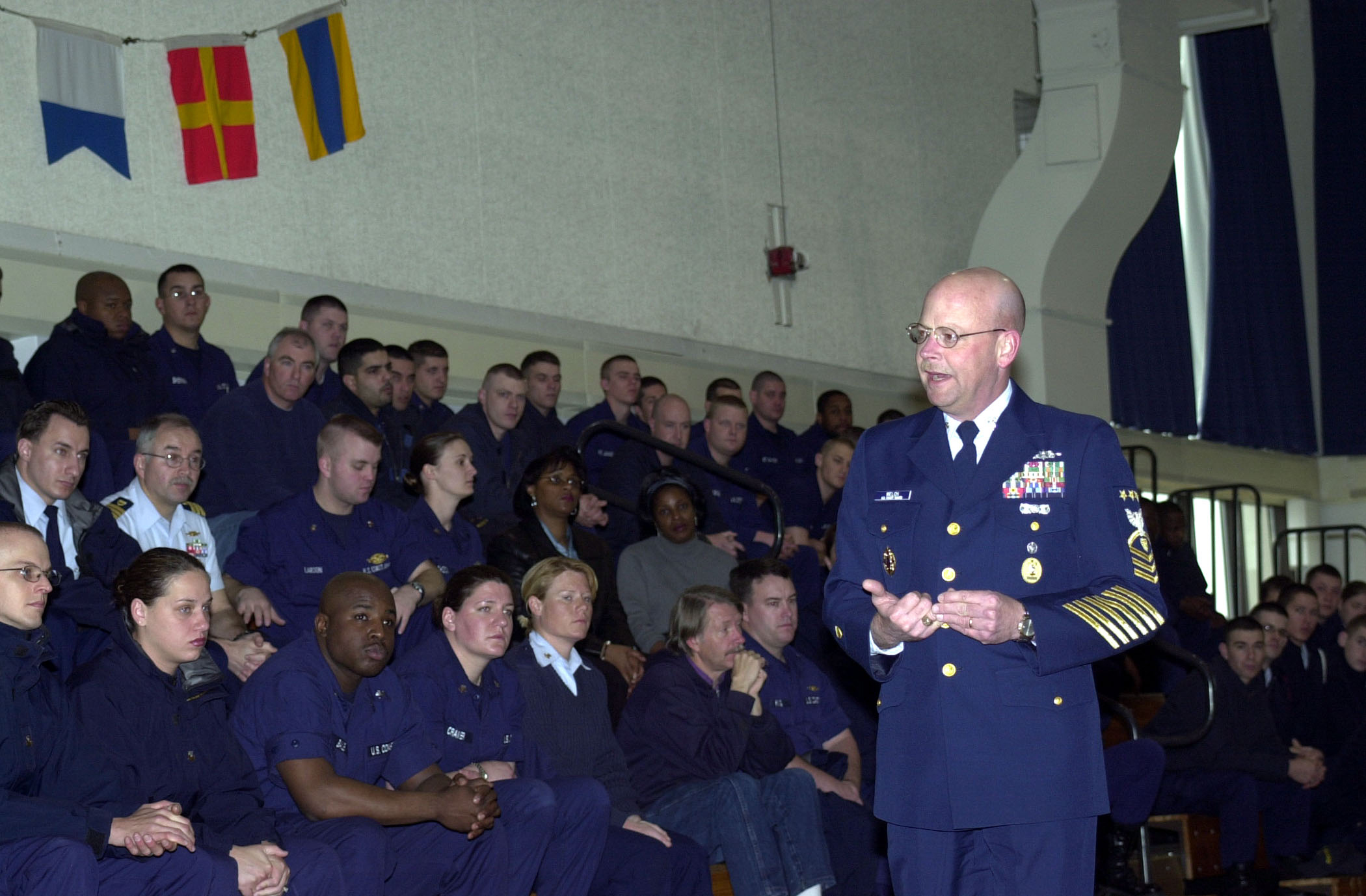
    Frank Welch, who served as Master Chief Petty Officer of the Coast Guard during the service’s post-9/11 transformation, died June 25 at his home in Spotsylvania, Virginia. He was 65.

    Welch was the Coast Guard’s ninth top enlisted chief, serving as MCPOCG from October 2002 to June 2006, a period when the Coast Guard joined the Department of Homeland Security, established specialized units to engage in high threat operations, deployed to support Operations Enduring Freedom and Iraqi Freedom, responded to Hurricane Katrina in New Orleans and reorganized into sectors.

    He served as senior enlisted adviser to then Commandant Adm. Thomas Collins, providing insight on major issues facing the enlisted force, including personnel concerns and challenges with the service’s aging equipment and work and living conditions.

    Welch enlisted in the Coast Guard in November 1979, serving as quartermaster aboard four cutters and as officer in charge of two, the coastal patrol boats Sockeye and Point Chico. He later served as command master chief for the Ninth District — now the Great Lakes District — and school chief of the Chief Petty Officer Academy in Petaluma, California.

    In a Coast Guard-wide message Friday to service members, Commandant Adm. Kevin Lunday and MCPOCG Phillip Waldron described Welch as a “visionary leader and driving force” behind initiatives that shaped the modern Coast Guard workforce, including the creation of the Senior Enlisted Command Master Chief Course and the consolidation of the Chief Petty Officer Academy at Coast Guard Training Center Petaluma.

    During his career, Welch earned the Coast Guard Distinguished Service Medal, three Meritorious Service Meals, two Coast Guard Commendation Medals, a Navy Commendation Medal and other personal awards. He was named Coast Guardsman of the Year in 1991 for his work while serving as an underway navigation and visual communications instructor and training liaison officer at Fleet Training Unit U.S. Atlantic Fleet.

    Welch spent the past decade working as director of corporate business development for PD Systems, a government contractor that provides logistics, engineering and administrative services.

    Welch was born in Wichita Falls, Texas, and grew up in Birmingham, Alabama, where he was active in sports, scouting and outdoor activities. During high school, he was voted “Most Courteous Boy” — a characteristic his obituary said remained a hallmark “throughout his earthly life.”

    He is survived by his wife, Mari Lynn Welch, son, John Allyn Welch, father, John Welch, and two goddaughters, according to his obituary.

    In posts on social media, former colleagues and family members remembered a man who served as a mentor and leader to the force.

    “I’m deeply saddened,” wrote Vince Patton, who served as the eighth Master Chief Petty Officer of the Coast Guard, in a Facebook post announcing Welch’s death. “Frank relieved me as MCPOCG in October, 2002. He was indeed a true friend and was admired by many.”

    Visitation will be held at the Cunningham Turch Funeral Home in Alexandria, Virginia, at 4 p.m. on July 6, followed by a brief memorial service at 6 p.m.

    Welch will be interred at Arlington National Cemetery with full military honors at a later date.

    This post was originally published on this site.

  • Slow Cooker Thai Peanut Chicken

    Slow Cooker Thai Peanut Chicken

    You asked, I listened! This slow cooker Thai peanut chicken got a serious glow-up! The sauce is creamy, savory, a little sweet, and packed with peanut coconut flavor. I’d drink it with a straw if that were socially acceptable, but spooning it over rice, noodles or adding it to lettuce wraps is probably the better dinner move.

    What Makes This So Good!

    • Better Texture: The sauce cooks up creamy and smooth, not watery or too thick.
    • Family-Friendly: It has tons of flavor without being too spicy, so everyone can add their own heat at the end.
    • Great Leftovers: The flavor gets even better the next day, making lunch easy and delicious.

    A Reader’s Review

    Made this recipe last night for 6 of us, clean plates all round. Absolutely delicious.
    Thank you

    – Lozzie

    Crockpot Thai Peanut Chicken Ingredients

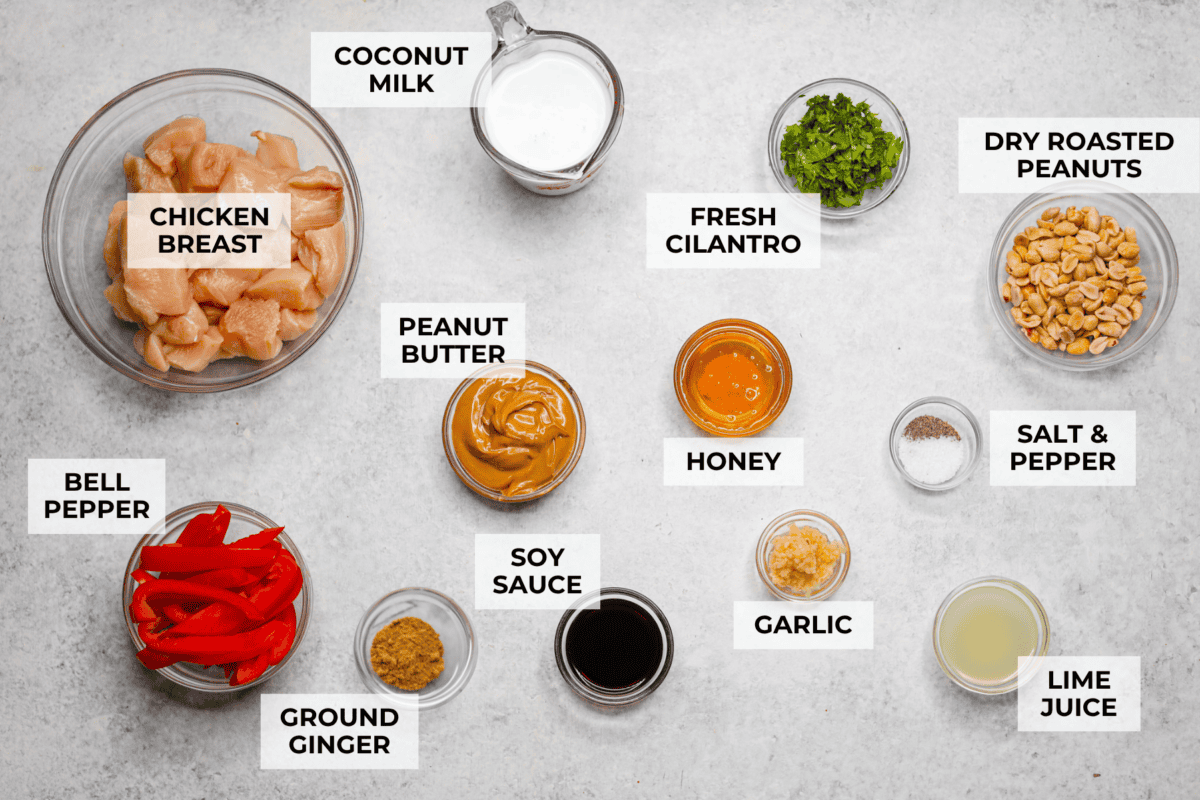
    Overhead shot of labeled ingredients.
    • Chicken: Chicken thighs work too, but they may release extra fat. Skim it off before adding the lime juice and cilantro.
    • Want More Veggies? Add diced red onion, mushrooms, matchstick carrots, or water chestnuts.
    • Coconut Milk: Use canned, full-fat coconut milk. Shake it well before measuring.
    • Spice: Add sriracha, chili crisp, or red pepper flakes for heat.
    • Peanut Butter: Natural peanut butter lets you control the sweetness. If yours has sugar, taste the sauce before adding all the honey.
    • More Flavor: Add fish sauce or sliced Thai basil for extra flavor.

    Slow Cooker Thai Peanut Chicken Recipe

    This slow cooker Thai peanut chicken is so easy, and the slow cooker does most of the work. Serve it with coconut rice, air fryer broccoli, or a fresh cucumber salad.

    1. Add: Add the chicken and peppers to the bowl of a larger crock pot.
    2. Thai Peanut Sauce: Whisk together the coconut milk, peanut butter, soy sauce, honey, garlic, ginger, salt, and pepper in a bowl.
    3. Add Sauce: Pour the sauce over the chicken and peppers.
    4. Cook: Cover and cook on LOW for 4-5 hours, or on HIGH for 2-3 hours. About an hour before serving, stir in the fresh cilantro and lime juice, then cover and continue cooking for the remaining time. Garnish with chopped peanuts before serving.

    Must Have Tools For This Recipe

    • Slow Cooker: Cooks everything together low and slow for the perfect creamy bite.

    Stove Top Cooking Instructions

    1. Heat the Pan: Heat a large, deep skillet or pot over medium heat.
    2. Cook the Chicken: Add the chicken and cook for 4-5 minutes, until no pink remains on the outside.
    3. Make the Sauce: In a bowl, combine the sauce ingredients.
    4. Add Sauce and Peppers: Add the sauce and bell peppers to the pan with the chicken.
    5. Simmer: Reduce the heat, cover, and cook for 15-20 minutes, until the chicken reaches 165°F.

    Print

    Slow Cooker Thai Peanut Chicken

    Tender, slow cooked chicken in a creamy Thai peanut coconut sauce with bell peppers, lime, and cilantro.
    Course Dinner, entree, main, Main Course, main dish
    Cuisine American, Asian American, Thai, Thai American
    Keyword peanut chicken, slow cooker asian chicken, slow cooker peanut chicken, slow cooker thai peanut chicken, slow cooker thai peanut chicken recipe, thai chicken, thai peanut chicken
    Prep Time 15 minutes
    Cook Time 5 hours
    Total Time 5 hours 15 minutes
    Servings 4 servings
    Calories 505kcal

    Equipment

    • 1 4-8 quart slow cooker

    Ingredients

    • 1 pound cubed boneless skinless chicken breasts 1-inch pieces
    • 1 sliced red pepper about 1 ½ cups
    • 1 cup high-fat coconut milk
    • ½ cup natural peanut butter smooth or crunchy
    • 3 tablespoons soy sauce
    • 3 tablespoons honey
    • 1 tablespoon minced garlic about 3 cloves
    • ½ teaspoon ground ginger or 2 teaspoons fresh ginger
    • ½ teaspoon salt more or less to taste
    • ¼ teaspoon ground black pepper more or less to taste
    • ½ cup chopped cilantro more for garnish
    • 3 tablespoons lime juice
    • chopped dry-roasted peanuts for garnish

    Instructions

    • Add 1 pound cubed boneless skinless chicken breasts and 1 sliced red pepper to the bowl of a larger slow cooker.
    • Whisk together 1 cup high-fat coconut milk, ½ cup natural peanut butter, 3 tablespoons soy sauce, 3 tablespoons honey, 1 tablespoon minced garlic, ½ teaspoon ground ginger, ½ teaspoon salt, and ¼ teaspoon ground black pepper in a bowl to make the sauce.
    • Pour the sauce over the chicken and peppers. Cover and cook on LOW for 4-5 hours, or on HIGH for 2-3 hours. About an hour before serving, stir in ½ cup chopped cilantro and 3 tablespoons lime juice, then cover and continue cooking for the remaining time. Garnish with chopped dry-roasted peanuts before serving.

    Video

    Notes

    Leftover and Make Ahead Instructions

    • Fridge: Store leftovers in an airtight container in the refrigerator for up to 5 days.
    • Reheat: Reheat in the microwave in 30-second intervals or on the stovetop over medium heat, stirring often, until warmed through.
    • Freeze: Add the diced chicken, bell pepper, and sauce to a large freezer bag. Freeze for up to 3 months. Thaw overnight in the refrigerator, then cook in the slow cooker as directed.
    • Make Ahead: Add everything to the slow cooker insert, cover, and refrigerate until ready to cook.

    Nutrition

    Calories: 505kcal | Carbohydrates: 26g | Protein: 34g | Fat: 32g | Saturated Fat: 15g | Polyunsaturated Fat: 5g | Monounsaturated Fat: 10g | Trans Fat: 0.01g | Cholesterol: 73mg | Sodium: 1193mg | Potassium: 860mg | Fiber: 3g | Sugar: 18g | Vitamin A: 1107IU | Vitamin C: 45mg | Calcium: 45mg | Iron: 4mg
    Plate of slow cooker Thai peanut chicken over a bed of rice.

    What to Serve With Thai Peanut Chicken

    You can serve this over jasmine rice, brown rice, cauliflower rice, or even rice noodles. Here are a few more options.

    This post was originally published on this site.