
Category: Uncategorized

  • Here’s where the services stand in cutting PCS moves

    Here’s where the services stand in cutting PCS moves

    Editor’s note: This story has been updated to include a response from the U.S. Air Force.

    The U.S. Army is moving ahead to meet the Defense Department’s direction to cut the number of military moves.

    Army officials announced they’re cutting more than 12,000 relocations in fiscal 2026 and more than 13,600 in fiscal 2027, in an effort to provide more stability to soldiers and their families.

    The Navy, Marine Corps and Air Force haven’t established specific numbers of military moves targeted for reduction in 2026 or 2027, service officials told Military Times. All noted that their reviews are ongoing, and key milestones for the Navy and Marine Corps are tied to implementation in 2027.

    Pentagon officials ordered the military service branches in May 2025 to cut by half the amount of money spent on Permanent Change of Station, or PCS, moves by fiscal 2030. DOD spends about $5 billion every year on these moves, which include the physical moves of household goods, as well as allowances and other entitlements related to moving.

    It’s not just DoD that spends money on PCS moves.

    Many service members face financial burdens every time they move, and they’re generally uprooted every two to three years. A recently released Military Family Advisory Network survey conducted in late 2025 found that 60% of active duty families who had made a PCS move in the previous two years paid more than $1,000 out of pocket, above what they were reimbursed. That was an increase over the survey conducted in 2023, when 45% reported paying that much out of pocket.

    Half of those reported the extra cost was attributed to re-purchasing consumable supplies that couldn’t be shipped. They also cited utility deposits, rental deposits, hotel stays, rental cars and new vehicle purchases.

    Pre-move costs like house hunting and preparing their home for a move added to the burden, said Gabby L’Esperance, vice president of research and evaluation for the Military Family Advisory Network.

    The financial burden is just one consequence of being uprooted, with moves contributing to spousal unemployment and difficulty finding child care, in addition to other challenges.

    ‘Much-needed predictability’

    Defense officials outlined that the services will target “discretionary moves,” such as PCS moves within the United States, overseas and individual service member travel. The services are directed to reduce these discretionary move budgets by 10% in fiscal year 2027, 30% in fiscal 2028, 40% in fiscal 2029 and 50% by fiscal 2030. The reductions will be based on the fiscal 2026 budget, adjusted for inflation.

    DoD specified the percentage of reductions in the budget, not the number of moves.

    Do military families really need to move so much?

    In announcing the relocation reductions on June 15, Army personnel officials said various efforts are underway, such as incentives for stabilization to reduce unnecessary moves. Some pilot programs, like the Armor Crewman MOS (19K) stabilization at Fort Riley, Kansas, and Fort Bliss, Texas, offer bonuses for certain soldiers to remain at their current locations.

    Among other things, Army officials are undertaking a broad review of professional military education to find ways to reduce PCS requirements. Their effort emphasizes expanding distance learning options and using options to allow soldiers to complete courses without having to relocate.

    Their PCS reduction efforts are part of their larger Human Resource Continuous Transformation initiatives. The shift will keep warfighting formations intact longer, officials said, and will help them build “more lethal, cohesive teams, boost overall readiness, and provide much-needed predictability for soldiers and their families.”

    The Army’s long-standing High School Stabilization program, which allows families to stay at one duty station through a child’s senior year, benefited about 4,000 soldiers in the past year, officials said. Another program, the Stabilization Retention Option, allowed about 6,200 soldiers to stay at their duty station in fiscal 2025.

    The Navy recognizes the importance of reducing PCS costs while maintaining sailor well-being and operational readiness, said Navy spokesman Lt. Cmdr. Stuart Phillips. Officials are “reviewing policies, procedures, and efficiencies to maintain lethality, readiness and overall effectiveness” in line with the DoD’s direction to reduce the amount of money spent on PCS moves, he said.

    The Marine Corps’ ability to reduce moves “is constrained by the need to ensure the right Marines are in the right billets at the right time,” said Marine Corps spokesman Maj. Jacoby Getty.

    “Every PCS move is tied to a validated operational requirement, including unit readiness, force distribution, professional military development, and global mission demands,” Getty said. “The Marine Corps operates with a highly specialized force structure and limited personnel inventory, which requires deliberate movement of talent across the force to meet operational requirements worldwide.”

    Air Force officials said they are reviewing their internal assignment policies to identify efficiencies. They added that their objective is to “optimize resources without compromising our global power-project, space operations and mission-generation capabilities.”

    This post was originally published on this site.
  • Here’s where the services stand in cutting PCS moves

    Here’s where the services stand in cutting PCS moves

    Editor’s note: This story has been updated to include a response from the U.S. Air Force.

    The U.S. Army is moving ahead to meet the Defense Department’s direction to cut the number of military moves.

    Army officials announced they’re cutting more than 12,000 relocations in fiscal 2026 and more than 13,600 in fiscal 2027, in an effort to provide more stability to soldiers and their families.

    The Navy, Marine Corps and Air Force haven’t established specific numbers of military moves targeted for reduction in 2026 or 2027, service officials told Military Times. All noted that their reviews are ongoing, and key milestones for the Navy and Marine Corps are tied to implementation in 2027.

    Pentagon officials ordered the military service branches in May 2025 to cut by half the amount of money spent on Permanent Change of Station, or PCS, moves by fiscal 2030. DOD spends about $5 billion every year on these moves, which include the physical moves of household goods, as well as allowances and other entitlements related to moving.

    It’s not just DoD that spends money on PCS moves.

    Many service members face financial burdens every time they move, and they’re generally uprooted every two to three years. A recently released Military Family Advisory Network survey conducted in late 2025 found that 60% of active duty families who had made a PCS move in the previous two years paid more than $1,000 out of pocket, above what they were reimbursed. That was an increase over the survey conducted in 2023, when 45% reported paying that much out of pocket.

    Half of those reported the extra cost was attributed to re-purchasing consumable supplies that couldn’t be shipped. They also cited utility deposits, rental deposits, hotel stays, rental cars and new vehicle purchases.

    Pre-move costs like house hunting and preparing their home for a move added to the burden, said Gabby L’Esperance, vice president of research and evaluation for the Military Family Advisory Network.

    The financial burden is just one consequence of being uprooted, with moves contributing to spousal unemployment and difficulty finding child care, in addition to other challenges.

    ‘Much-needed predictability’

    Defense officials outlined that the services will target “discretionary moves,” such as PCS moves within the United States, overseas and individual service member travel. The services are directed to reduce these discretionary move budgets by 10% in fiscal year 2027, 30% in fiscal 2028, 40% in fiscal 2029 and 50% by fiscal 2030. The reductions will be based on the fiscal 2026 budget, adjusted for inflation.

    DoD specified the percentage of reductions in the budget, not the number of moves.

    Do military families really need to move so much?

    In announcing the relocation reductions on June 15, Army personnel officials said various efforts are underway, such as incentives for stabilization to reduce unnecessary moves. Some pilot programs, like the Armor Crewman MOS (19K) stabilization at Fort Riley, Kansas, and Fort Bliss, Texas, offer bonuses for certain soldiers to remain at their current locations.

    Among other things, Army officials are undertaking a broad review of professional military education to find ways to reduce PCS requirements. Their effort emphasizes expanding distance learning options and using options to allow soldiers to complete courses without having to relocate.

    Their PCS reduction efforts are part of their larger Human Resource Continuous Transformation initiatives. The shift will keep warfighting formations intact longer, officials said, and will help them build “more lethal, cohesive teams, boost overall readiness, and provide much-needed predictability for soldiers and their families.”

    The Army’s long-standing High School Stabilization program, which allows families to stay at one duty station through a child’s senior year, benefited about 4,000 soldiers in the past year, officials said. Another program, the Stabilization Retention Option, allowed about 6,200 soldiers to stay at their duty station in fiscal 2025.

    The Navy recognizes the importance of reducing PCS costs while maintaining sailor well-being and operational readiness, said Navy spokesman Lt. Cmdr. Stuart Phillips. Officials are “reviewing policies, procedures, and efficiencies to maintain lethality, readiness and overall effectiveness” in line with the DoD’s direction to reduce the amount of money spent on PCS moves, he said.

    The Marine Corps’ ability to reduce moves “is constrained by the need to ensure the right Marines are in the right billets at the right time,” said Marine Corps spokesman Maj. Jacoby Getty.

    “Every PCS move is tied to a validated operational requirement, including unit readiness, force distribution, professional military development, and global mission demands,” Getty said. “The Marine Corps operates with a highly specialized force structure and limited personnel inventory, which requires deliberate movement of talent across the force to meet operational requirements worldwide.”

    Air Force officials said they are reviewing their internal assignment policies to identify efficiencies. They added that their objective is to “optimize resources without compromising our global power-project, space operations and mission-generation capabilities.”

    This post was originally published on this site

  • Here’s where the services stand in cutting PCS moves

    Here’s where the services stand in cutting PCS moves

    Editor’s note: This story has been updated to include a response from the U.S. Air Force.

    The U.S. Army is moving ahead to meet the Defense Department’s direction to cut the number of military moves.

    Army officials announced they’re cutting more than 12,000 relocations in fiscal 2026 and more than 13,600 in fiscal 2027, in an effort to provide more stability to soldiers and their families.

    The Navy, Marine Corps and Air Force haven’t established specific numbers of military moves targeted for reduction in 2026 or 2027, service officials told Military Times. All noted that their reviews are ongoing, and key milestones for the Navy and Marine Corps are tied to implementation in 2027.

    Pentagon officials ordered the military service branches in May 2025 to cut by half the amount of money spent on Permanent Change of Station, or PCS, moves by fiscal 2030. DOD spends about $5 billion every year on these moves, which include the physical moves of household goods, as well as allowances and other entitlements related to moving.

    It’s not just DoD that spends money on PCS moves.

    Many service members face financial burdens every time they move, and they’re generally uprooted every two to three years. A recently released Military Family Advisory Network survey conducted in late 2025 found that 60% of active duty families who had made a PCS move in the previous two years paid more than $1,000 out of pocket, above what they were reimbursed. That was an increase over the survey conducted in 2023, when 45% reported paying that much out of pocket.

    Half of those reported the extra cost was attributed to re-purchasing consumable supplies that couldn’t be shipped. They also cited utility deposits, rental deposits, hotel stays, rental cars and new vehicle purchases.

    Pre-move costs like house hunting and preparing their home for a move added to the burden, said Gabby L’Esperance, vice president of research and evaluation for the Military Family Advisory Network.

    The financial burden is just one consequence of being uprooted, with moves contributing to spousal unemployment and difficulty finding child care, in addition to other challenges.

    ‘Much-needed predictability’

    Defense officials outlined that the services will target “discretionary moves,” such as PCS moves within the United States, overseas and individual service member travel. The services are directed to reduce these discretionary move budgets by 10% in fiscal year 2027, 30% in fiscal 2028, 40% in fiscal 2029 and 50% by fiscal 2030. The reductions will be based on the fiscal 2026 budget, adjusted for inflation.

    DoD specified the percentage of reductions in the budget, not the number of moves.

    Do military families really need to move so much?

    In announcing the relocation reductions on June 15, Army personnel officials said various efforts are underway, such as incentives for stabilization to reduce unnecessary moves. Some pilot programs, like the Armor Crewman MOS (19K) stabilization at Fort Riley, Kansas, and Fort Bliss, Texas, offer bonuses for certain soldiers to remain at their current locations.

    Among other things, Army officials are undertaking a broad review of professional military education to find ways to reduce PCS requirements. Their effort emphasizes expanding distance learning options and using options to allow soldiers to complete courses without having to relocate.

    Their PCS reduction efforts are part of their larger Human Resource Continuous Transformation initiatives. The shift will keep warfighting formations intact longer, officials said, and will help them build “more lethal, cohesive teams, boost overall readiness, and provide much-needed predictability for soldiers and their families.”

    The Army’s long-standing High School Stabilization program, which allows families to stay at one duty station through a child’s senior year, benefited about 4,000 soldiers in the past year, officials said. Another program, the Stabilization Retention Option, allowed about 6,200 soldiers to stay at their duty station in fiscal 2025.

    The Navy recognizes the importance of reducing PCS costs while maintaining sailor well-being and operational readiness, said Navy spokesman Lt. Cmdr. Stuart Phillips. Officials are “reviewing policies, procedures, and efficiencies to maintain lethality, readiness and overall effectiveness” in line with the DoD’s direction to reduce the amount of money spent on PCS moves, he said.

    The Marine Corps’ ability to reduce moves “is constrained by the need to ensure the right Marines are in the right billets at the right time,” said Marine Corps spokesman Maj. Jacoby Getty.

    “Every PCS move is tied to a validated operational requirement, including unit readiness, force distribution, professional military development, and global mission demands,” Getty said. “The Marine Corps operates with a highly specialized force structure and limited personnel inventory, which requires deliberate movement of talent across the force to meet operational requirements worldwide.”

    Air Force officials said they are reviewing their internal assignment policies to identify efficiencies. They added that their objective is to “optimize resources without compromising our global power-project, space operations and mission-generation capabilities.”

    This post was originally published on this site.
  • Search underway for missing crew member after helicopter crashes in Arabian Sea

    Search underway for missing crew member after helicopter crashes in Arabian Sea

    This post was originally published on this site.

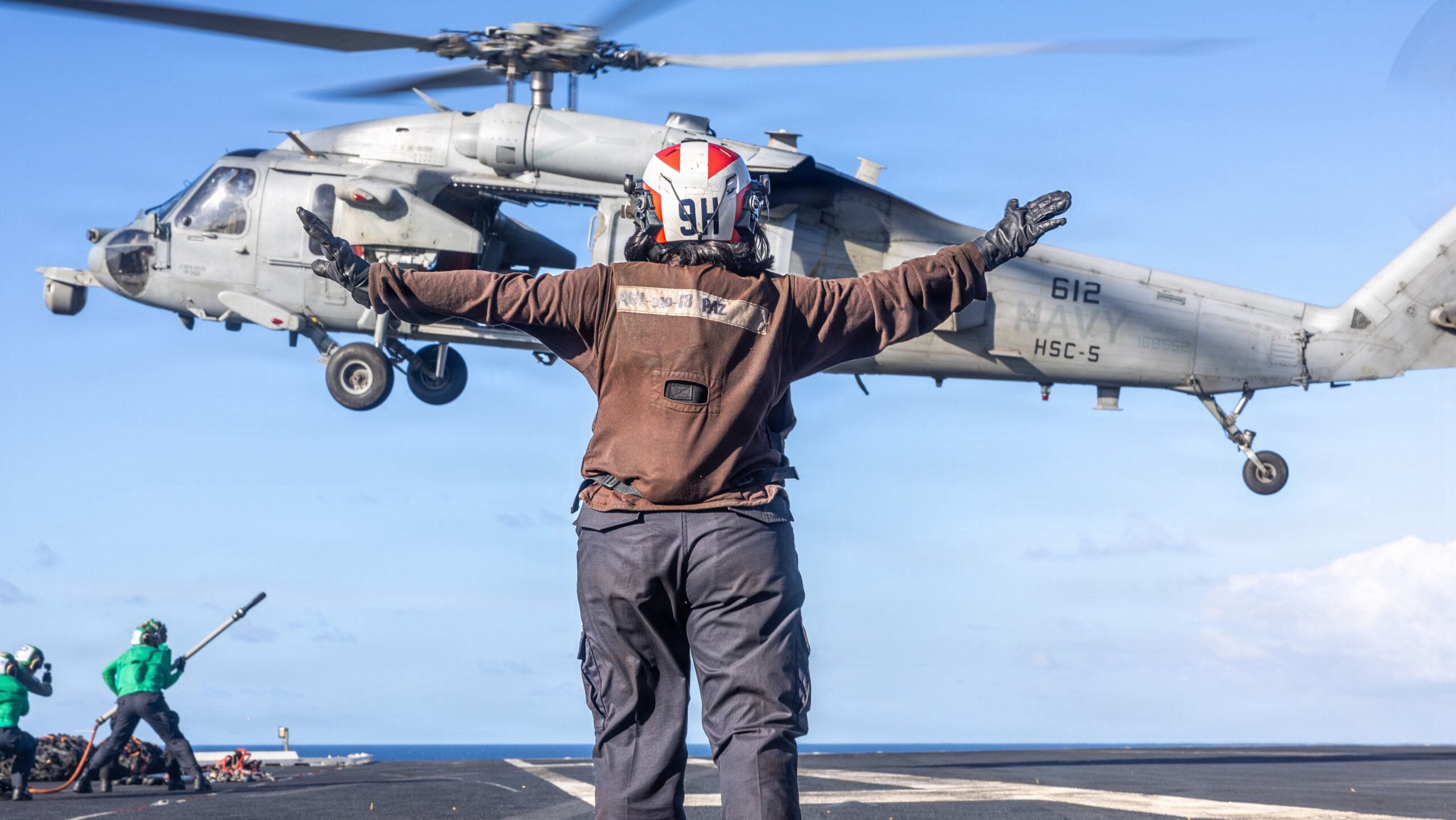
    The Navy is currently searching for a missing crew member from the USS George H.W. Bush aircraft carrier after an MH-60S Seahawk helicopter from the ship crashed in the Arabian Sea, service officials have announced.

    The helicopter from the aircraft carrier USS George H.W. Bush “conducted an emergency water landing” about 3:30 a.m. Eastern Time on Wednesday, according to the officials with the Navy’s 5th Fleet, which overseas the Persian Gulf, Red Sea, Arabian Sea, and parts of the Indian Ocean.

    Three other crew members from the aircraft have been recovered and are currently in stable condition, 5th Fleet officials said in a Wednesday social media post.

    “There is no indication the emergency was caused by hostile action,” the post said, but no additional information on the mishap was immediately available. The incident is under investigation.

    The Navy did not specify what unit the MH-60S belonged to, but the George H.W. Bush sails with Carrier Air Wing 7, which includes Helicopter Sea Combat Squadron 5, and MH-60S unit known as the Night Dippers. Carrier Air Wing 7 includes two squadrons that fly variants of H-60 helicopters, the MH-60S and MH-60R, which crews universally refer to as Sierras and Romeos. MH-60Rs are primarily tasked and outfitted for anti-submarine warfare, while the MH-60S squadrons focus on traditional helicopter missions, like search and rescue, personnel and cargo transport, and amphibious missions with Marines and Naval Special Warfare units.

    The mishap marks the latest in a string of recent U.S. military aircraft crashes. Eight crew members were killed in June when a B-52 Stratofortress crashed shortly after takeoff from Edwards Air Force Base, California. Earlier that month, the pilot of a Marine Corps F/A-18 Hornet safely ejected before the plane crashed near Mount Rainier, Washington. Four crew members also survived ejecting in May after two Navy E/A-18G Growlers collided over an Idaho airshow.

    This is a breaking news story. It will be updated as more information becomes available.

    The post Search underway for missing crew member after helicopter crashes in Arabian Sea appeared first on Task & Purpose.

  • VA uses hundreds of AI systems. Veterans may not know when they’re involved.

    VA uses hundreds of AI systems. Veterans may not know when they’re involved.

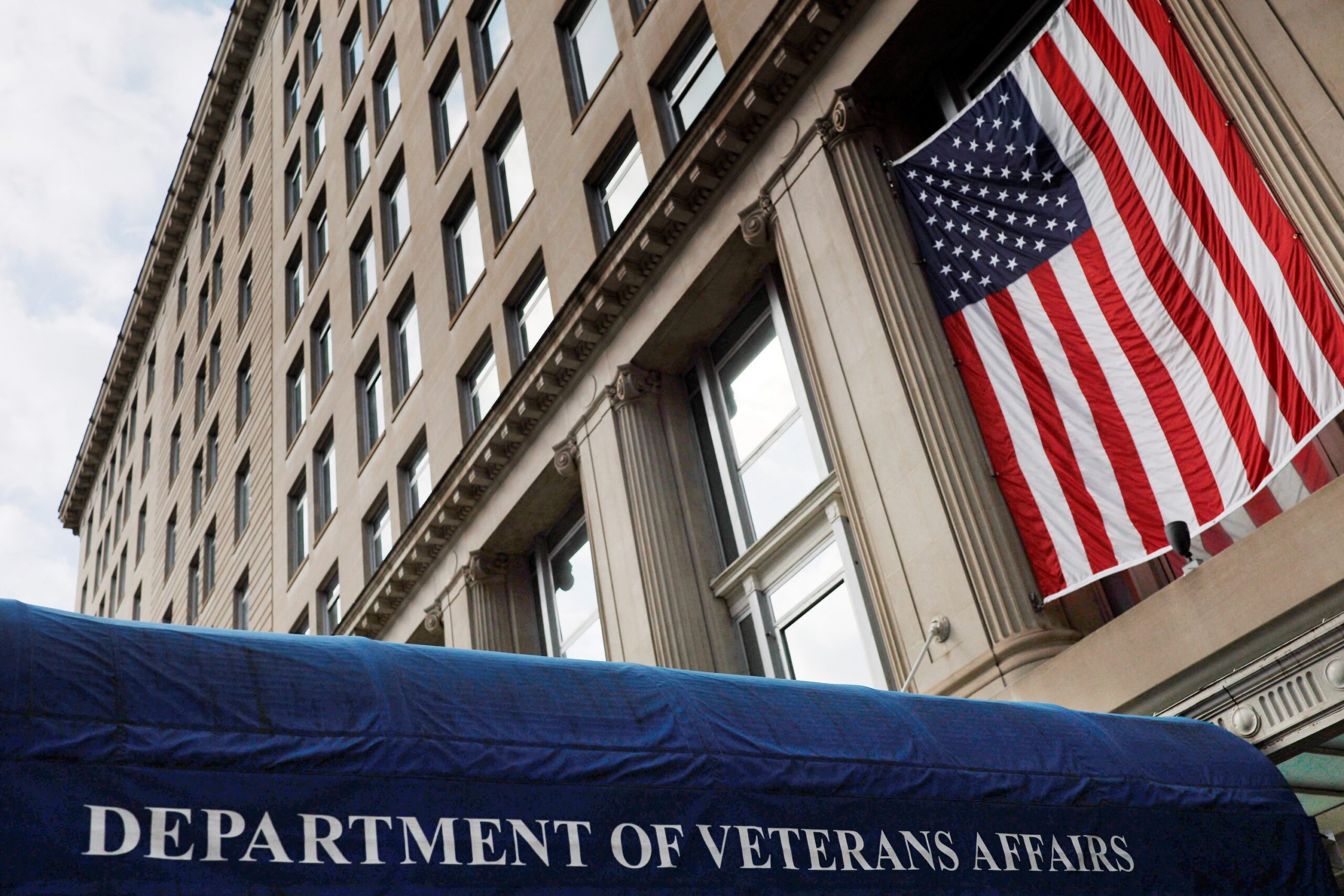
    The Department of Veterans Affairs currently has 367 documented artificial intelligence use cases supporting everything from medical appointments and disability claims to customer service and records management. However, veterans seeking medical care or VA benefits may encounter artificial intelligence without realizing it.

    The VA’s recently released 2025 AI Inventory identifies 215 of those use cases as high-impact systems. Although VA officials say safeguards and human oversight remain in place, veteran advocates say veterans are more likely to trust AI systems if they understand when they are being used and what role they play.

    For Navy veteran Markus Williams, the issue surfaced during a recent VA medical appointment. “Yesterday the nurse asked if I was cool with them using AI during my visit with my doc to help them with notes,” Williams said. “When I told her no I wasn’t comfortable with that she didn’t seem too happy.”

    Williams said he declined because he was not comfortable with AI being used during his visit and that he didn’t really know how it was actually being utilized. Veterans, advocates and former VA clinicians interviewed by Military Times described varying levels of veteran awareness about when AI is used and what role it plays in veterans’ interactions with the department.

    Veterans may not know when AI is involved

    VA officials say many veterans may not be interacting with artificial intelligence in the ways they assume they are. “The term ‘AI’ cannot be used interchangeably with VA’s Automated Decision Support system,” VA Press Secretary Quinn Slaven told Military Times. “Automation is constrained to perform exactly what it’s programmed to do, while AI can assess patterns from data.”

    Slaven said, “At the beginning of a visit, the provider will ask if the veteran wants to use Ambient AI Scribe and explain how it works. The veteran can agree, opt out or ask the provider to turn off Ambient AI Scribe at any time. If the veteran chooses not to opt out, the provider will document the visit with Ambient AI Scribe.”

    Veterans interviewed by Military Times described widely different experiences with AI use and notification. Williams said he was asked whether he consented to AI-assisted note taking during a recent appointment. Army veteran Tim King said he has never been asked. “There was a big email sent out recently about it,” King said. “I have yet to be asked if I am ok with it during appointments and I do not intend to okay them using it.”

    Some veterans said they did not distinguish a difference between automation and AI, while others said they viewed the technologies differently.

    Advocates say transparency must extend beyond an inventory

    Jon Retzer, national legislative director for the Disabled American Veterans, called VA’s public inventory an important step toward transparency because it provides a centralized accounting of how AI is being explored and deployed across benefits, health care and operations.

    However, Retzer said the inventory largely operates at a high level and provides limited insight into how systems are monitored after deployment, how performance is evaluated over time and what accountability mechanisms are triggered when problems arise.

    “Veterans would benefit from more detailed, consistent, and publicly accessible information about how these systems function in practice, not just their intended use,” he said.

    Retzer explained veterans should expect clear notification when artificial intelligence is used in decision-making affecting their care or benefits, along with ongoing monitoring, strong privacy protections and meaningful human oversight. But Retzer warns that human oversight alone does not answer broader concerns about whether veterans are informed when AI contributes to their medical appointments, records or benefits experience.

    Even when a clinician or claims processor makes the final decision, he said, veterans may receive little information about how AI influenced the documentation or workflows supporting that decision.

    Clinical use raises new questions

    Notification may be particularly important in health care settings. In January, the VA Office of Inspector General issued a preliminary advisory identifying a potential patient safety risk related to the Veterans Health Administration’s use of generative AI chat tools for clinical care and documentation.

    The watchdog found that VHA lacked a formal mechanism to identify, track or resolve risks associated with generative AI and expressed concern that the absence of a standardized process could limit the department’s ability to safeguard patient safety.

    The advisory states that outputs generated by approved AI chat tools can be used to support medical decision-making and copied into veterans’ electronic health records. The OIG also noted that generative AI systems can produce inaccurate outputs, including omissions, that could affect diagnosis and treatment decisions.

    The OIG review remains ongoing, and the advisory did not identify specific instances of patient harm. However, investigators said the absence of a standardized process for managing AI-related risks could limit VHA’s ability to identify patterns, improve safety and address problems associated with generative AI tools used in clinical settings.

    Clinical documentation can affect future treatment, disability claims and continuity of care for years. A missing detail or inaccurate entry may require repeated appointments, additional paperwork or lengthy efforts to correct the record.

    Veterans and clinicians see both risks and benefits

    Not every veteran views artificial intelligence with skepticism. Helen Cooper, Marine Corps veteran and retired registered nurse from a Tennessee VA medical center, said she would welcome AI-assisted documentation if it results in more accurate records.

    “If I were to choose between AI assisting in thorough documentation of our visits or the status quo of overworked nurses and doctors blatantly ignoring things we tell them or filling our charts with absolute nonsense, I’ll choose AI,” Cooper said.

    “Time and time again VA doctors completely neglect to document veterans’ concerns,” she added. “I’m happy to allow a robot to do their job if they can’t.”

    Air Force veteran and former VA physician Dr. Charles Faulk said documentation requirements have expanded dramatically during his career, often forcing clinicians to spend hours completing records after clinic hours. “The notes burden in the VA has probably tripled in the past quarter century,” Faulk said. “Maybe the AI will make life more livable for the clinician.”

    But even veterans who support the use of artificial intelligence said they want to understand when it is involved in their care. “I need to know what it really does before I can be okay with them using it,” explained Tim King.

    DAV’s Retzer said veterans should expect clear notification when AI is used in decisions affecting their care or benefits and should be able to understand how those systems affect their interactions with VA.

    “AI must never diminish due process, reduce access to earned benefits, or replace necessary human judgment in decisions that affect veterans’ lives,” Retzer said.

    This post was originally published on this site

  • VA uses hundreds of AI systems. Veterans may not know when they’re involved.

    VA uses hundreds of AI systems. Veterans may not know when they’re involved.

    The Department of Veterans Affairs currently has 367 documented artificial intelligence use cases supporting everything from medical appointments and disability claims to customer service and records management. However, veterans seeking medical care or VA benefits may encounter artificial intelligence without realizing it.

    The VA’s recently released 2025 AI Inventory identifies 215 of those use cases as high-impact systems. Although VA officials say safeguards and human oversight remain in place, veteran advocates say veterans are more likely to trust AI systems if they understand when they are being used and what role they play.

    For Navy veteran Markus Williams, the issue surfaced during a recent VA medical appointment. “Yesterday the nurse asked if I was cool with them using AI during my visit with my doc to help them with notes,” Williams said. “When I told her no I wasn’t comfortable with that she didn’t seem too happy.”

    Williams said he declined because he was not comfortable with AI being used during his visit and that he didn’t really know how it was actually being utilized. Veterans, advocates and former VA clinicians interviewed by Military Times described varying levels of veteran awareness about when AI is used and what role it plays in veterans’ interactions with the department.

    Veterans may not know when AI is involved

    VA officials say many veterans may not be interacting with artificial intelligence in the ways they assume they are. “The term ‘AI’ cannot be used interchangeably with VA’s Automated Decision Support system,” VA Press Secretary Quinn Slaven told Military Times. “Automation is constrained to perform exactly what it’s programmed to do, while AI can assess patterns from data.”

    Slaven said, “At the beginning of a visit, the provider will ask if the veteran wants to use Ambient AI Scribe and explain how it works. The veteran can agree, opt out or ask the provider to turn off Ambient AI Scribe at any time. If the veteran chooses not to opt out, the provider will document the visit with Ambient AI Scribe.”

    Veterans interviewed by Military Times described widely different experiences with AI use and notification. Williams said he was asked whether he consented to AI-assisted note taking during a recent appointment. Army veteran Tim King said he has never been asked. “There was a big email sent out recently about it,” King said. “I have yet to be asked if I am ok with it during appointments and I do not intend to okay them using it.”

    Some veterans said they did not distinguish a difference between automation and AI, while others said they viewed the technologies differently.

    Advocates say transparency must extend beyond an inventory

    Jon Retzer, national legislative director for the Disabled American Veterans, called VA’s public inventory an important step toward transparency because it provides a centralized accounting of how AI is being explored and deployed across benefits, health care and operations.

    However, Retzer said the inventory largely operates at a high level and provides limited insight into how systems are monitored after deployment, how performance is evaluated over time and what accountability mechanisms are triggered when problems arise.

    “Veterans would benefit from more detailed, consistent, and publicly accessible information about how these systems function in practice, not just their intended use,” he said.

    Retzer explained veterans should expect clear notification when artificial intelligence is used in decision-making affecting their care or benefits, along with ongoing monitoring, strong privacy protections and meaningful human oversight. But Retzer warns that human oversight alone does not answer broader concerns about whether veterans are informed when AI contributes to their medical appointments, records or benefits experience.

    Even when a clinician or claims processor makes the final decision, he said, veterans may receive little information about how AI influenced the documentation or workflows supporting that decision.

    Clinical use raises new questions

    Notification may be particularly important in health care settings. In January, the VA Office of Inspector General issued a preliminary advisory identifying a potential patient safety risk related to the Veterans Health Administration’s use of generative AI chat tools for clinical care and documentation.

    The watchdog found that VHA lacked a formal mechanism to identify, track or resolve risks associated with generative AI and expressed concern that the absence of a standardized process could limit the department’s ability to safeguard patient safety.

    The advisory states that outputs generated by approved AI chat tools can be used to support medical decision-making and copied into veterans’ electronic health records. The OIG also noted that generative AI systems can produce inaccurate outputs, including omissions, that could affect diagnosis and treatment decisions.

    The OIG review remains ongoing, and the advisory did not identify specific instances of patient harm. However, investigators said the absence of a standardized process for managing AI-related risks could limit VHA’s ability to identify patterns, improve safety and address problems associated with generative AI tools used in clinical settings.

    Clinical documentation can affect future treatment, disability claims and continuity of care for years. A missing detail or inaccurate entry may require repeated appointments, additional paperwork or lengthy efforts to correct the record.

    Veterans and clinicians see both risks and benefits

    Not every veteran views artificial intelligence with skepticism. Helen Cooper, Marine Corps veteran and retired registered nurse from a Tennessee VA medical center, said she would welcome AI-assisted documentation if it results in more accurate records.

    “If I were to choose between AI assisting in thorough documentation of our visits or the status quo of overworked nurses and doctors blatantly ignoring things we tell them or filling our charts with absolute nonsense, I’ll choose AI,” Cooper said.

    “Time and time again VA doctors completely neglect to document veterans’ concerns,” she added. “I’m happy to allow a robot to do their job if they can’t.”

    Air Force veteran and former VA physician Dr. Charles Faulk said documentation requirements have expanded dramatically during his career, often forcing clinicians to spend hours completing records after clinic hours. “The notes burden in the VA has probably tripled in the past quarter century,” Faulk said. “Maybe the AI will make life more livable for the clinician.”

    But even veterans who support the use of artificial intelligence said they want to understand when it is involved in their care. “I need to know what it really does before I can be okay with them using it,” explained Tim King.

    DAV’s Retzer said veterans should expect clear notification when AI is used in decisions affecting their care or benefits and should be able to understand how those systems affect their interactions with VA.

    “AI must never diminish due process, reduce access to earned benefits, or replace necessary human judgment in decisions that affect veterans’ lives,” Retzer said.

    This post was originally published on this site.

  • VA uses hundreds of AI systems. Veterans may not know when they’re involved.

    VA uses hundreds of AI systems. Veterans may not know when they’re involved.

    The Department of Veterans Affairs currently has 367 documented artificial intelligence use cases supporting everything from medical appointments and disability claims to customer service and records management. However, veterans seeking medical care or VA benefits may encounter artificial intelligence without realizing it.

    The VA’s recently released 2025 AI Inventory identifies 215 of those use cases as high-impact systems. Although VA officials say safeguards and human oversight remain in place, veteran advocates say veterans are more likely to trust AI systems if they understand when they are being used and what role they play.

    For Navy veteran Markus Williams, the issue surfaced during a recent VA medical appointment. “Yesterday the nurse asked if I was cool with them using AI during my visit with my doc to help them with notes,” Williams said. “When I told her no I wasn’t comfortable with that she didn’t seem too happy.”

    Williams said he declined because he was not comfortable with AI being used during his visit and that he didn’t really know how it was actually being utilized. Veterans, advocates and former VA clinicians interviewed by Military Times described varying levels of veteran awareness about when AI is used and what role it plays in veterans’ interactions with the department.

    Veterans may not know when AI is involved

    VA officials say many veterans may not be interacting with artificial intelligence in the ways they assume they are. “The term ‘AI’ cannot be used interchangeably with VA’s Automated Decision Support system,” VA Press Secretary Quinn Slaven told Military Times. “Automation is constrained to perform exactly what it’s programmed to do, while AI can assess patterns from data.”

    Slaven said, “At the beginning of a visit, the provider will ask if the veteran wants to use Ambient AI Scribe and explain how it works. The veteran can agree, opt out or ask the provider to turn off Ambient AI Scribe at any time. If the veteran chooses not to opt out, the provider will document the visit with Ambient AI Scribe.”

    Veterans interviewed by Military Times described widely different experiences with AI use and notification. Williams said he was asked whether he consented to AI-assisted note taking during a recent appointment. Army veteran Tim King said he has never been asked. “There was a big email sent out recently about it,” King said. “I have yet to be asked if I am ok with it during appointments and I do not intend to okay them using it.”

    Some veterans said they did not distinguish a difference between automation and AI, while others said they viewed the technologies differently.

    Advocates say transparency must extend beyond an inventory

    Jon Retzer, national legislative director for the Disabled American Veterans, called VA’s public inventory an important step toward transparency because it provides a centralized accounting of how AI is being explored and deployed across benefits, health care and operations.

    However, Retzer said the inventory largely operates at a high level and provides limited insight into how systems are monitored after deployment, how performance is evaluated over time and what accountability mechanisms are triggered when problems arise.

    “Veterans would benefit from more detailed, consistent, and publicly accessible information about how these systems function in practice, not just their intended use,” he said.

    Retzer explained veterans should expect clear notification when artificial intelligence is used in decision-making affecting their care or benefits, along with ongoing monitoring, strong privacy protections and meaningful human oversight. But Retzer warns that human oversight alone does not answer broader concerns about whether veterans are informed when AI contributes to their medical appointments, records or benefits experience.

    Even when a clinician or claims processor makes the final decision, he said, veterans may receive little information about how AI influenced the documentation or workflows supporting that decision.

    Clinical use raises new questions

    Notification may be particularly important in health care settings. In January, the VA Office of Inspector General issued a preliminary advisory identifying a potential patient safety risk related to the Veterans Health Administration’s use of generative AI chat tools for clinical care and documentation.

    The watchdog found that VHA lacked a formal mechanism to identify, track or resolve risks associated with generative AI and expressed concern that the absence of a standardized process could limit the department’s ability to safeguard patient safety.

    The advisory states that outputs generated by approved AI chat tools can be used to support medical decision-making and copied into veterans’ electronic health records. The OIG also noted that generative AI systems can produce inaccurate outputs, including omissions, that could affect diagnosis and treatment decisions.

    The OIG review remains ongoing, and the advisory did not identify specific instances of patient harm. However, investigators said the absence of a standardized process for managing AI-related risks could limit VHA’s ability to identify patterns, improve safety and address problems associated with generative AI tools used in clinical settings.

    Clinical documentation can affect future treatment, disability claims and continuity of care for years. A missing detail or inaccurate entry may require repeated appointments, additional paperwork or lengthy efforts to correct the record.

    Veterans and clinicians see both risks and benefits

    Not every veteran views artificial intelligence with skepticism. Helen Cooper, Marine Corps veteran and retired registered nurse from a Tennessee VA medical center, said she would welcome AI-assisted documentation if it results in more accurate records.

    “If I were to choose between AI assisting in thorough documentation of our visits or the status quo of overworked nurses and doctors blatantly ignoring things we tell them or filling our charts with absolute nonsense, I’ll choose AI,” Cooper said.

    “Time and time again VA doctors completely neglect to document veterans’ concerns,” she added. “I’m happy to allow a robot to do their job if they can’t.”

    Air Force veteran and former VA physician Dr. Charles Faulk said documentation requirements have expanded dramatically during his career, often forcing clinicians to spend hours completing records after clinic hours. “The notes burden in the VA has probably tripled in the past quarter century,” Faulk said. “Maybe the AI will make life more livable for the clinician.”

    But even veterans who support the use of artificial intelligence said they want to understand when it is involved in their care. “I need to know what it really does before I can be okay with them using it,” explained Tim King.

    DAV’s Retzer said veterans should expect clear notification when AI is used in decisions affecting their care or benefits and should be able to understand how those systems affect their interactions with VA.

    “AI must never diminish due process, reduce access to earned benefits, or replace necessary human judgment in decisions that affect veterans’ lives,” Retzer said.

    This post was originally published on this site.

  • “Curiosity Has No Age Limit” Named Theme for September Is Healthy Aging® Month 2026

    Annual observance encourages adults to stay engaged, keep learning, and embrace new experiences at every age

    The post “Curiosity Has No Age Limit” Named Theme for September Is Healthy Aging® Month 2026 appeared first on Healthy Aging®.

    This post was originally published on this site.

  • DoD, movers try to ease the heavy lift for troops moving this summer

    DoD, movers try to ease the heavy lift for troops moving this summer

    As military moving season shifts into high gear, service members and their families should be seeing the results of changes aimed at improving their household goods moves.

    And for those experiencing issues, there’s a direct line to DoD’s new Personal Property Activity, where service members can ask for assistance. Since that call center was set up in August of last year, the volume has reached 20,121 calls and emails, said Army Maj. Matthew Visser, spokesman for the Personal Property Activity.

    That includes calls received into the center, as well as calls made from the center.

    “We often see issues arising, and we can be proactive at reaching out to folks who we know may be impacted,” Visser said.

    That number has increased by about 4,000 since March.

    “The feedback we get from the families and the people we talk to, is that they like the fact they’re talking to another service member who understands what they’re going through, and they call them back if they can’t immediately answer the question,” said Army Col. Mike Ashton, director of operations for DoD’s new Personal Property Activity.

    As of June 30, there had been 138,570 pickups of household goods in 2026, compared to 134,282 at this time in 2025, Visser said. This year, because of PPA changes, service members could start booking their summer moves as early as March, if they had PCS orders in hand.

    The change was designed to help service members in their planning and preparation — and to help spread the load for moving companies during the peak season, which generally runs from mid-May through August.

    Defense Secretary Pete Hegseth designated the PPA as a special activity in January, giving it the authority to take action to improve the household goods process for service members.

    For decades, military families have complained about broken, damaged and lost belongings, delayed pickups and deliveries and onerous claims processes. Families have complained there’s nowhere to turn for help with these problems.

    Mold, broken furniture — just a start to this family’s PCS nightmare

    This moving season marks a stark departure from last year, when a number of moving companies were considering getting out of the business of making military moves because of the U.S. Transportation Command’s effort to privatize the management of military moves.

    Movers complained about the amount of compensation for moves, among other things, and were turning down shipments, leaving military families to scramble at the last minute. DoD terminated the Global Household Goods Contract in May 2025.

    “This peak season, movers have done a really good job of saying, ‘All right, we’re going to step up to the plate. … We are bringing our best drivers, our best crews.’ They’re working really hard to make this summer successful for service members,” said Katie McMichael, executive director of Movers for America, a coalition of over 1,000 moving professionals and independent owner-operators who haul household shipments for military families.

    PPA has improved DoD’s relationship with moving companies to the benefit of all, especially service members, according to those in the industry.

    The PPA and the actions of its commander, Army Maj. Gen. Lance Curtis, have been “a breath of fresh air,” said Ryan McConnell, president and chief operating officer of Atlas Van Lines. PPA has worked to better understand the military moving industry and to build better communications, he said.

    “In the end, this is all of us getting the business component lined up with PPA so that we can provide that service to families,” McConnell said. “Ultimately, that’s what this is all about.”

    ‘Purge parties’ and more tips from the real PCS pros

    This season, movers have seen an earlier start to the peak season, beginning in early May, said Steve Weitekamp, president of the California Moving and Storage Association.

    “We’ve been talking since the beginning of time almost, to try to spread out the peak season from such a short period of time to a longer period, which we’ve kind of seen this season,” he said. “I think it’s been to the benefit of both military members and moving companies.”

    A few tips

    Weitekamp’s advice to service members: “When you get your orders, you should book your move early to ensure the best possible service. … The sooner the military member gets in the queue, the more apt they are to get the top quality service.”

    Because installation security has been tightened because of what’s happening in the Middle East, movers urge families who live on installations to be aware of some of the consequences, said McMichael. Movers are trying to prepare families for the reality that getting on base is going to be difficult this year.

    “We’re not the only tractor trailer truck coming through the gate. There are lots of deliveries. … In a lot of cases it’s not necessarily because our trucks can’t get on base,” she said.

    If they’re behind other trucks that are having issues, she added, “the only thing we can do is sit there. This is for everyone’s safety. But please be mindful that for pickups and drop-offs, there are going to be some circumstances where there will be delays.”

    More suggested tips for easing military moves include:

    • Checking out PPA’s new website, www.ppa.mil, where they’ve consolidated a patchwork of different websites to support service members and families, DoD civilians and industry. It offers a link to start setting up the move, step-by-step guidance through the move process with checklists for every stage, as well as tips for overseas shipments, filing claims, shipping personally owned vehicles and other topics.
    • Doing what you can to prepare early. For example, start clearing out items you don’t want to go to your new location.
    • Organizing your items and make sure you separate important documents, medicines, uniforms and other items that you want to carry with you.
    • Asking questions of the movers. If you don’t get an answer, take it to someone else, including your local transportation office on base. You can contact the PCS call center at any time with questions or problems at 1-833-MIL-MOVE, operated 24/7 during peak season. Or email pcscallcenter@mail.mil.
    • Fill out the customer-service surveys to provide feedback to help DoD decide whether a company gets more business in the future.

    Have you made a military move this year and want to talk about your experience with Military Times? Email staff reporter kjowers@militarytimes.com.

    This post was originally published on this site.

  • DoD, movers try to ease the heavy lift for troops moving this summer

    DoD, movers try to ease the heavy lift for troops moving this summer

    As military moving season shifts into high gear, service members and their families should be seeing the results of changes aimed at improving their household goods moves.

    And for those experiencing issues, there’s a direct line to DoD’s new Personal Property Activity, where service members can ask for assistance. Since that call center was set up in August of last year, the volume has reached 20,121 calls and emails, said Army Maj. Matthew Visser, spokesman for the Personal Property Activity.

    That includes calls received into the center, as well as calls made from the center.

    “We often see issues arising, and we can be proactive at reaching out to folks who we know may be impacted,” Visser said.

    That number has increased by about 4,000 since March.

    “The feedback we get from the families and the people we talk to, is that they like the fact they’re talking to another service member who understands what they’re going through, and they call them back if they can’t immediately answer the question,” said Army Col. Mike Ashton, director of operations for DoD’s new Personal Property Activity.

    As of June 30, there had been 138,570 pickups of household goods in 2026, compared to 134,282 at this time in 2025, Visser said. This year, because of PPA changes, service members could start booking their summer moves as early as March, if they had PCS orders in hand.

    The change was designed to help service members in their planning and preparation — and to help spread the load for moving companies during the peak season, which generally runs from mid-May through August.

    Defense Secretary Pete Hegseth designated the PPA as a special activity in January, giving it the authority to take action to improve the household goods process for service members.

    For decades, military families have complained about broken, damaged and lost belongings, delayed pickups and deliveries and onerous claims processes. Families have complained there’s nowhere to turn for help with these problems.

    Mold, broken furniture — just a start to this family’s PCS nightmare

    This moving season marks a stark departure from last year, when a number of moving companies were considering getting out of the business of making military moves because of the U.S. Transportation Command’s effort to privatize the management of military moves.

    Movers complained about the amount of compensation for moves, among other things, and were turning down shipments, leaving military families to scramble at the last minute. DoD terminated the Global Household Goods Contract in May 2025.

    “This peak season, movers have done a really good job of saying, ‘All right, we’re going to step up to the plate. … We are bringing our best drivers, our best crews.’ They’re working really hard to make this summer successful for service members,” said Katie McMichael, executive director of Movers for America, a coalition of over 1,000 moving professionals and independent owner-operators who haul household shipments for military families.

    PPA has improved DoD’s relationship with moving companies to the benefit of all, especially service members, according to those in the industry.

    The PPA and the actions of its commander, Army Maj. Gen. Lance Curtis, have been “a breath of fresh air,” said Ryan McConnell, president and chief operating officer of Atlas Van Lines. PPA has worked to better understand the military moving industry and to build better communications, he said.

    “In the end, this is all of us getting the business component lined up with PPA so that we can provide that service to families,” McConnell said. “Ultimately, that’s what this is all about.”

    ‘Purge parties’ and more tips from the real PCS pros

    This season, movers have seen an earlier start to the peak season, beginning in early May, said Steve Weitekamp, president of the California Moving and Storage Association.

    “We’ve been talking since the beginning of time almost, to try to spread out the peak season from such a short period of time to a longer period, which we’ve kind of seen this season,” he said. “I think it’s been to the benefit of both military members and moving companies.”

    A few tips

    Weitekamp’s advice to service members: “When you get your orders, you should book your move early to ensure the best possible service. … The sooner the military member gets in the queue, the more apt they are to get the top quality service.”

    Because installation security has been tightened because of what’s happening in the Middle East, movers urge families who live on installations to be aware of some of the consequences, said McMichael. Movers are trying to prepare families for the reality that getting on base is going to be difficult this year.

    “We’re not the only tractor trailer truck coming through the gate. There are lots of deliveries. … In a lot of cases it’s not necessarily because our trucks can’t get on base,” she said.

    If they’re behind other trucks that are having issues, she added, “the only thing we can do is sit there. This is for everyone’s safety. But please be mindful that for pickups and drop-offs, there are going to be some circumstances where there will be delays.”

    More suggested tips for easing military moves include:

    • Checking out PPA’s new website, www.ppa.mil, where they’ve consolidated a patchwork of different websites to support service members and families, DoD civilians and industry. It offers a link to start setting up the move, step-by-step guidance through the move process with checklists for every stage, as well as tips for overseas shipments, filing claims, shipping personally owned vehicles and other topics.
    • Doing what you can to prepare early. For example, start clearing out items you don’t want to go to your new location.
    • Organizing your items and make sure you separate important documents, medicines, uniforms and other items that you want to carry with you.
    • Asking questions of the movers. If you don’t get an answer, take it to someone else, including your local transportation office on base. You can contact the PCS call center at any time with questions or problems at 1-833-MIL-MOVE, operated 24/7 during peak season. Or email pcscallcenter@mail.mil.
    • Fill out the customer-service surveys to provide feedback to help DoD decide whether a company gets more business in the future.

    Have you made a military move this year and want to talk about your experience with Military Times? Email staff reporter kjowers@militarytimes.com.

    This post was originally published on this site