Category: Uncategorized

  • Easy Fattoush Salad (1 Bowl!)

    Easy Fattoush Salad (1 Bowl!)

    Introducing weeknight-friendly fattoush salad! This EASY, 1-bowl, 20-minute version is our inspired take on the classic Levantine dish. Think fresh, crunchy veggies tossed in a bright pomegranate dressing with herby mint leaves, crispy pita chips, and pomegranate arils (major YUM)!

    It’s a refreshing side to pair with other Mediterranean- and Middle Eastern-inspired recipes, or toss in some chickpeas to make it a light meal on its own.

    Easy Fattoush Salad (1 Bowl!) from Minimalist Baker →

    This post was originally published on this site.

  • Where To Stay In Athens: Area Guide For First-Time Visitors & Island Hopping

    Where To Stay In Athens: Area Guide For First-Time Visitors & Island Hopping

    Trying to decide where to stay in Athens? This guide breaks down the best neighborhoods – from central, walkable areas like Plaka and Monastiraki to quieter local spots – so you can choose the right base for sightseeing or island hopping.

    The post Where To Stay In Athens: Area Guide For First-Time Visitors & Island Hopping appeared first on Going Awesome Places by William Tang.

    This post was originally published on this site.

  • The Best Things to Do in Varese, Italy

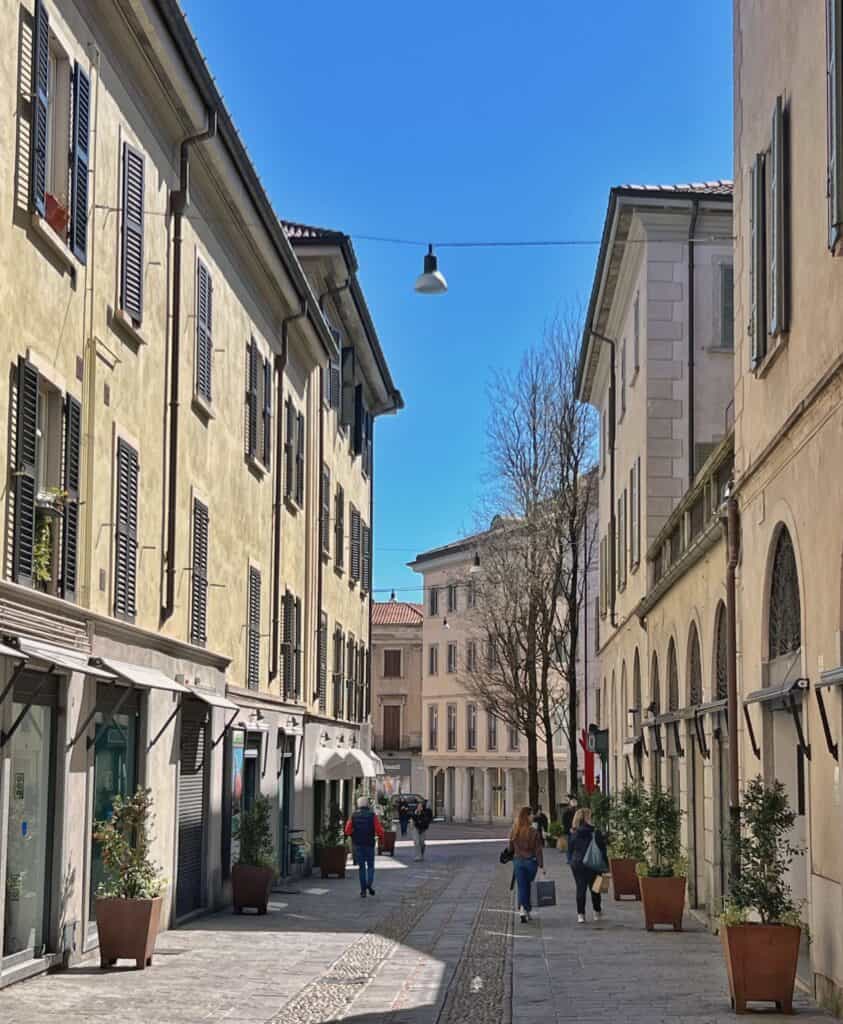
    The Best Things to Do in Varese, Italy

    Last Updated on May 8, 2026 by Sarah Wilson I spent two days exploring Varese while I was house sitting nearby and taking care of two adorable rabbits. Getting to Varese from Milan is simple. I took the Trenord regional train on the Milano Cadorna to Varese line, which runs often throughout the day. Trains […]

    The post The Best Things to Do in Varese, Italy appeared first on LifePart2andBeyond.com.

    This post was originally published on this site.

  • What is “Successful Aging”?

    What is “Successful Aging”?

    Every May, the Administration for Community Living leads the national observance of “Older Americans Month.” The theme this year is “Champion Your Health.”

    But to be honest, I prefer the theme from 2018, which was “Engage at Every Age.”

    And I found myself thinking that this would be a nice opportunity to consider: just what does it mean to “succeed” or do well as an older adult?

    This is important, because our understanding of what is “success,” and what to strive for, is fundamental to how we judge ourselves and others.

    And for us as a society, articulating what’s involved in experiencing “good” or “successful” aging is important because it can help us understand what kinds of things we should focus on, to help more older adults age well, or otherwise “succeed” in late-life.

    So, just as philosophers and others have long debated what it means to “live a good life,” we should ask ourselves what it means to “succeed” as an older adult.

    This way, we can know whether we are “succeeding” as a society that supports and values its older population.

    I also did a video elaborating on what it means to be “aging successfully”, which can be found on my Youtube channel.

    What IS “successful aging?”

    This is not a simple question to answer. It has long been the subject of vigorous inquiry and debate in gerontology. In fact, the journal The Gerontologist devoted an entire issue to the topic of “Successful Aging” in 2015.

    (FYI: Gerontology is “the comprehensive study of aging and the problems of the aged,” whereas geriatrics is a medical specialty. We are related but not the same!)

    I can’t summarize the debates on what constitutes successful aging here, but if you’d like to read more, this article from The Gerontologist offers a long and detailed overview of different ways that scholars have conceived of successful aging: Defining Successful Aging: A Tangible or Elusive Concept?

    A common (and problematic) definition of successful aging

    One prominent model of successful aging, developed in the 1990s (Rowe and Kahn), proposed that it means:

    • freedom from disease and disability
    • high cognitive and physical functioning
    • active engagement with life

    Gerontologists have gone way past this model, but this may be pretty close to what many people have in mind, when they think of “successful aging” or “aging well.”

    And it’s certainly what many images of older adults convey: people who may “look older” but otherwise appear to do everything they could do earlier in life.

    But there’s an obvious problem with this conception of successful aging: many, if not most, older adults will eventually not be able to meet all three criteria.

    So have they failed? And: will we tend to judge that it’s their fault if they don’t remain disease- and impairment-free as they age?

    A better lens on “successful aging”

    This article describes a newer way to frame successful aging that I find intriguing. (The authors are Eva Kahana, Boaz Kahana, and Jeong Eun Lee.)

    The authors describe a model based on the assumption that with increasing age there is an accumulation of health-related and social stressors.

    They note that if it weren’t for common age-related challenges, there would be no need to distinguish successful aging from successful living at any age. (True!)

    They propose that those who maintain good physical health, mental health, and engagement in social activities, without any conscious coping efforts, be referred to as “lucky agers”.

    But most people will not be lucky, and hence they need to find ways to cope and adapt to age-related stressors, which include:

    • Chronic illness
    • Social losses
    • “Lack of person-environment fit”

    Coping with age-related stressors in a purposeful way, and finding ways to maintain quality of life, is called making “proactive adaptations.”

    The authors go on to describe how this can be done in a “preventive fashion” (e.g. anticipating a future or impending age-related stressor) and then also in a “corrective” way, which means making adaptations once a stressor or problem has occurred.

    To adapt, an older person must marshal both internal resources (attitude, optimism, coping with challenges) and external resources (available social support, finances, etc).

    The main quality of life outcomes in this model include:

    • Self-evaluation of success
    • Life satisfaction
    • Meaning in life
    • Positive affective state (which basically means positive mood or emotions)
    • Valued activities

    You can see the model diagrammed out in Figure 1 of the article.

    In short: in this model, success is not defined as remaining free of disability or disease as one gets older.

    Instead, succeeding means finding ways to cope with impending or existing illnesses, losses, and other challenges, by getting help and by marshaling one’s own resilience and internal resources.

    In this way, despite experiencing losses and illness and “lack of person-environment fit” (e.g. a house that is a challenge or dangerous to live in), older people often find ways to meet these challenges.

    In doing so, they continue to find ways to experience positive outcomes such as life satisfaction, meaning, contentment, and they are still able to participate in valued activities.

    Personally, I like this model. (Granted, it’s a little wonky, but that’s true of all substantive academic work.) I especially like the attention to the way that older adults can be proactive and exert their autonomy by anticipating and adapting to common age-related challenges. In the words of the authors, this “reflects human agency directed at stress reduction, resource development, and problem resolution.”

    In other words, this model gives credit to those who acknowledge that their lives may or are changing, and purposefully engage in addressing this.

    This takes a certain courage. Which, in truth, is what most older adults muster when the time comes. But you’d never know it to see most media images of older adults, which either portray them as free of late-life stressors or instead emphasize their declines without highlighting their successes in adapting, and their ability to find meaning in a new normal.

    How can we support older adults in anticipating & coping with age-related challenges?

    Most people will encounter losses and impairments as they age.

    What if, as a society, we were less afraid of this, and instead embraced it as an opportunity to be proactive, and then to step up to challenges?

    What if as a society, we were better at acknowledging and celebrating the remarkable acts of resiliency and problem-solving that many older people are working their way through?

    What if older people felt more comfortable getting help when it becomes necessary? What if we were better at providing it?

    These are some of the things that I’ll be thinking about during Older Americans Month.

    People really can engage at any age.

    We need to make sure that message is clear — and actionable — even for those who aren’t among the “lucky agers.”

    Now tell me: what comes to mind when you think of “successful aging”? And what could we collectively do to help more older adults feel successful?


    This post was originally published on this site.

  • Can Technology Make Home Care Services More Affordable?

    Can Technology Make Home Care Services More Affordable?

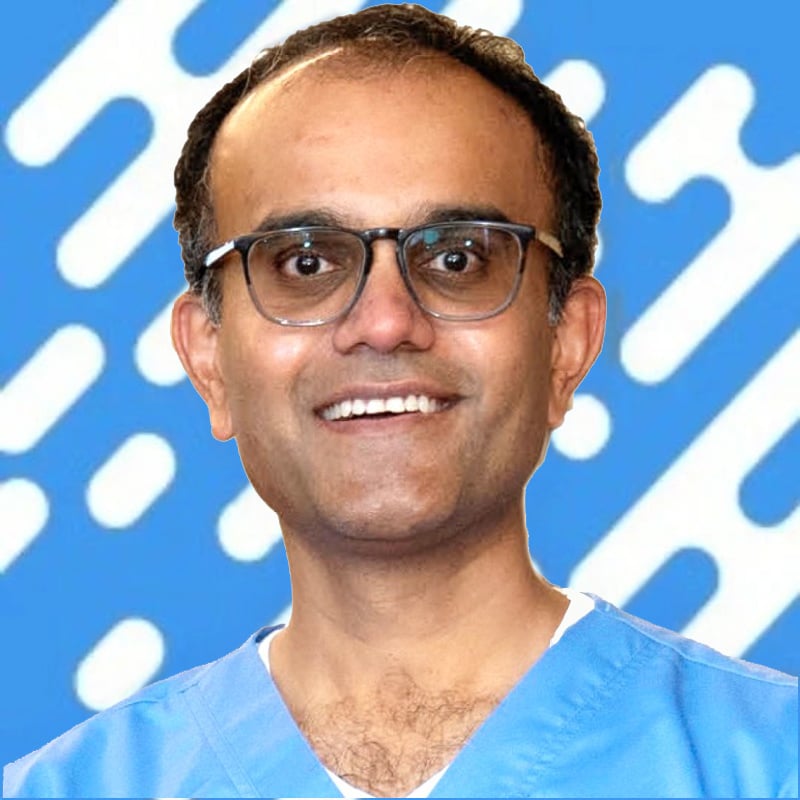
    Neal K. Shah, the founder of CareYaya, a company that links students in the healthcare field with seniors needing assistance, has some strong opinions about elder care in the United States. The word Yaya means ‘grandmother’ in Greek and ‘caregiver’ in Swahili and Thai. As an acronym, it also means ‘You Are Your Advocate.’

    In a recent podcast, Mr. Shah told me about how CareYaya works and how we should transform elder care in the United States. Here are some extracts from our conversation:

    Risking Old Age in America: Why don’t we start [with] what CareYaya is and how you got into this business?

    Neal K. Shah: We are actively working hard to solve the elder care crisis by connecting people with very affordable care, probably the most affordable home-based care in America – approximately $20 an hour as compared to typical agencies charging $35 to $40 an hour.

    We connect everyone digitally through an online platform. Many…call it the “Uber of caregiving.” We have mobilized a workforce of over 50,000 college students across the country to care for the older adult population.

    ROA: I recently had a guest on who runs a home health agency. She would argue that they provide value added in terms of supervision and coverage if someone can’t make it. They also handle all the employer obligations, including FICA stuff and workers’ comp. How does that correspond with what you’re offering?

    Shah: We don’t directly compete with the home care agency industry just because the market is so large. Depending on which stats you look at, home health care is approximately a $500 billion per year market. The Rand Corporation put a study out that it’s one of the biggest markets in the country that…[often] operates in the gray market. So [a large share] of the market books informally.

    Of the $40 an hour that you’re paying [to an agency], something like $5 is going to franchise royalties, something like $5 is going to the local agency’s profit margin. Another $5 is going to extremely manual booking and scheduling and a massive team of people doing work that can be done better with technology. And then another $5 to $8 is going into advertising – a lot of Facebook and Google ads – and to local salespeople schmoozing with doctors and nurses.

    You just have this insanely inefficient infrastructure where more than $20 per hour of what you’re paying is wasted on frivolous stuff. And the person doing 99% of the work is capturing less than half.

    . . .

    ROA: You have commented that the United States is good at healthcare, but not good at “social” care. What do you mean by that?

    Shah: Health care plus social care…spending [is] around…18 to 20% of GDP per year. That’s also true of parts of Europe and parts of Asia. But in that distribution in the US the majority of that money is spent on medical care and a minimal amount on social care. We have great MRIs, PET scans, and all these pharmaceuticals. But [outside of Medicaid] there’s virtually zero spending from a governmental perspective on helping that person stay at home, helping that person stay safe, getting caregivers, that’s all out of pocket.

    So that’s what I mean, that these social services are grossly underfunded.

    . . .

    ROA: And you say that the longevity grift isn’t about living longer, it’s about the wealthy trying to buy their way out of being human. There are a lot of wealthy people investing in in anti-aging stuff. There are some doctors who argue we ought to be researching aging, not specific diseases or one organ at a time. You’re a critic of that approach.

    Shah: Yes. The spoiler: it won’t work for a couple of reasons. One, from a social impact perspective, aging and caring for the currently aging population is a now thing. We can’t wait.

    Second, these science experiments and fantasies of people I think have a low probability of success in my opinion. So there’s an insane overallocation of funding to something that, in my opinion, is frivolous and unlikely to happen.

    Listen to our entire conversation here.

    Topics

    00:00 Why Getting Care Help Is So Frustrating (Caregiver Reality Check)

    00:26 Meet Neal Shah & the Mission Behind CareYaya

    01:01 How CareYaya Works: Healthcare Students, Digital Booking, Lower Cost

    02:19 What Kind of Care They Provide (Home Care vs. Home Health)

    03:29 Why Home Care Is So Expensive: Middlemen, Markups, and Bad Experiences

    06:02 CareYaya’s “Costco Model”: Tech Efficiency, Reliability, and Better Pay

    08:03 Employer Paperwork & the Gray Market: Taxes, Workers’ Comp, and DIY Tradeoffs

    09:56 Neal’s Origin Story: From Hedge Funds to Family Caregiving

    12:48 Funding & Business Model: For-Profit, No Fees (Yet)

    13:54 What Are Impact Funds? Patient Capital for Long-Term Social Change

    16:23 Switching Gears: The U.S. Is Great at Healthcare, Bad at Social Care

    16:45 Why the U.S. Underspends on Social Care (Dementia & Cancer at Home)

    18:02 The Hidden Army of Family Caregivers—and the Trillion-Dollar Burden

    18:36 Boomers Turning 80: The Coming Care Crunch & Workforce Dropout Risk

    19:34 Who Should Pay? Private Sector, Tax Breaks, and Employer Elder-Care Benefits

    21:42 Preventing Hospitalizations: Loneliness, Home Support, and Medicare’s Incentives

    23:17 Medicare Advantage Critique and the Fragmented Payer Problem

    24:21 The “Longevity Grift”: Why Anti-Aging Hype Misses the Real Crisis

    28:37 Policy Advice: Invest in Home-Based Care and Build the Care Workforce

    30:29 Advice for Boomers: Plan Early, Save More, and Rethink HSAs

    33:05 Closing Thoughts and Farewell

    For more from Harry Margolis, check out his Risking Old Age in America blog and podcast.  He also answers consumer estate planning questions at AskHarry.info.  To stay current on the Squared Away blog, join our free email list.

    This post was originally published on this site.

  • How To Eat Ramen In Japan – Etiquette And Unspoken Rules You’re Probably Breaking

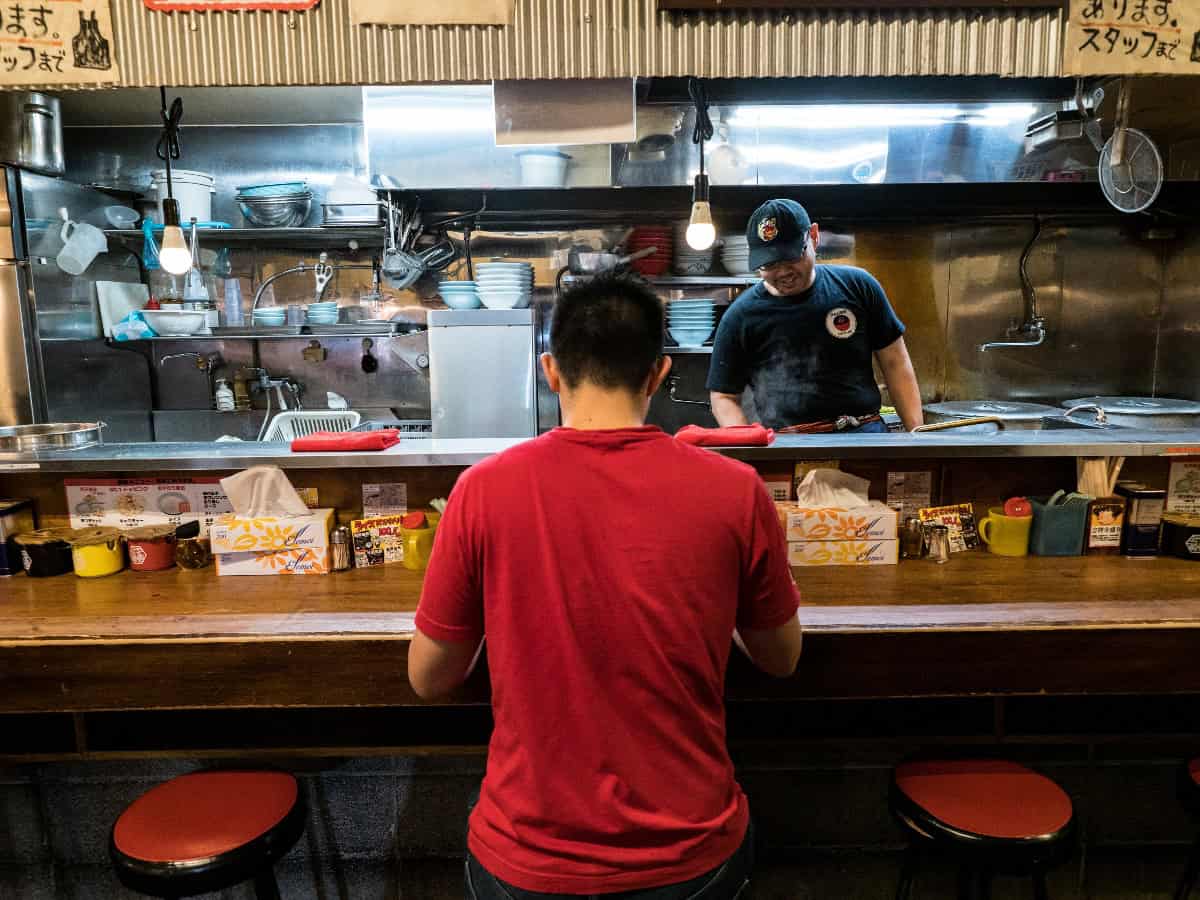
    How To Eat Ramen In Japan – Etiquette And Unspoken Rules You’re Probably Breaking

    Learn the essential rules for how to eat ramen in Japan, including ramen etiquette, ordering tips, and common customs to know before visiting a Japanese ramen shop.

    The post How To Eat Ramen In Japan – Etiquette And Unspoken Rules You’re Probably Breaking appeared first on Going Awesome Places by William Tang.

    This post was originally published on this site.

  • Air Force units earn honors for rescues during US evacuation from Afghanistan

    Air Force units earn honors for rescues during US evacuation from Afghanistan

    This post was originally published on this site.


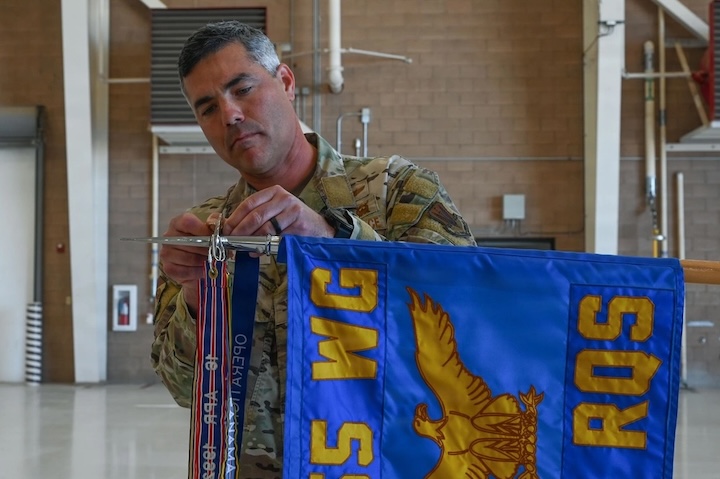
    Three U.S. Air Force units recently received the Presidential Unit Citation for actions during a 2021 deployment, including efforts during the final withdrawal of U.S. troops from Afghanistan.

    The 55th and 48th Rescue Squadrons, as well as airmen from the 355th Aircraft Maintenance Squadron, all located at the Davis-Monthan Air Force Base, Arizona, received the awards April 17 and Jan. 17, respectively, according to a service release.

    The two rescue squadrons and airmen in the maintenance group were included in the Personnel Recovery Task Force, a 176-member joint team specifically formed to carry out the noncombatant evacuation operation in Afghanistan.

    The release stated that the team, which encompassed airmen from 20 different career fields, included pilots, maintainers, intelligence personnel and Special Warfare Airmen who created their own “unconventional recovery network” by initiating their own operations, security and communications in a “rapidly deteriorating deployed environment.”

    The team saved thousands of Americans and at-risk Afghans, according to the release, and established a safe evacuation station for over 12,000 refugees between July 16 and Aug. 31, 2021.

    Every unit in the task force prepared through exercises, such as the Red Flag-Rescue, to learn how to perform outside usual duties, per the release.

    “But during this mission in 2021, our team also led security teams to fortify aircraft and key command and control positions and manned defensive fighting positions along unsecured airfield areas, providing front-line defense that prevented the NATO compound from being overrun,” Air Force 1st Lt. Sebastian Marano, the 355th Aircraft Maintenance Squadron’s interim director of operations, said in the statement.

    In total, the task force operated through 864 hours of continuous alert over 53 days, assisting the safe evaluation of 124,000 people, according to the release. The force maintained its alert status until the last U.S. aircraft left Afghanistan.

    Another unit said to be crucial to the evacuation was the Combat Search and Rescue forces in the 66th Rescue Squadron, which executed air-to-ground operations, the release says. The 66th officially deactivated before April’s ceremony, so the 55th accepted the award on the unit’s behalf.

    The 58th Rescue Squadron was also included in the task force, but it too was deactivated before the ceremony. The 48th accepted the citation on its behalf.

    By the end of the operation, individual task force members accounted for one Bronze Star with Valor, 18 Bronze Stars and 151 Air Force Commendation Medals with Combat Devices for bravery and resolve under “extreme hazard.”

    “Every couple of years, there’s something that happens that defines the next generation of rescue Airmen,” U.S. Air Force Col. Jose Cabrera, 355th Wing commander, said in the statement.

    “Every generation has their time and I think we’re seeing that today — your defining moment,” Cabrera added. “This will go down in Air Force history as one of the greatest accomplishments of the Air Force rescue community.”

  • 1 Week Tuscany Itinerary In A Beautiful Villa

    1 Week Tuscany Itinerary In A Beautiful Villa

    A full 1 week Tuscany itinerary based out of a countryside villa in Chianti, featuring iconic hilltop towns, unforgettable wine tastings, and slow travel moments across Val d’Orcia. From sunrise photography spots to hands-on cooking classes, this guide covers everything you need to plan the ultimate Tuscany trip.

    The post 1 Week Tuscany Itinerary In A Beautiful Villa appeared first on Going Awesome Places by William Tang.

    This post was originally published on this site.

  • Best Hilton Beach Hotels Around North America

    Best Hilton Beach Hotels Around North America

    Looking for the best Hilton beach hotels in North America? This guide highlights top oceanfront Hilton resorts, including luxury stays, all-inclusive options, and beachfront hotels across the U.S., Mexico, and the Caribbean.

    The post Best Hilton Beach Hotels Around North America appeared first on Going Awesome Places by William Tang.

    This post was originally published on this site.

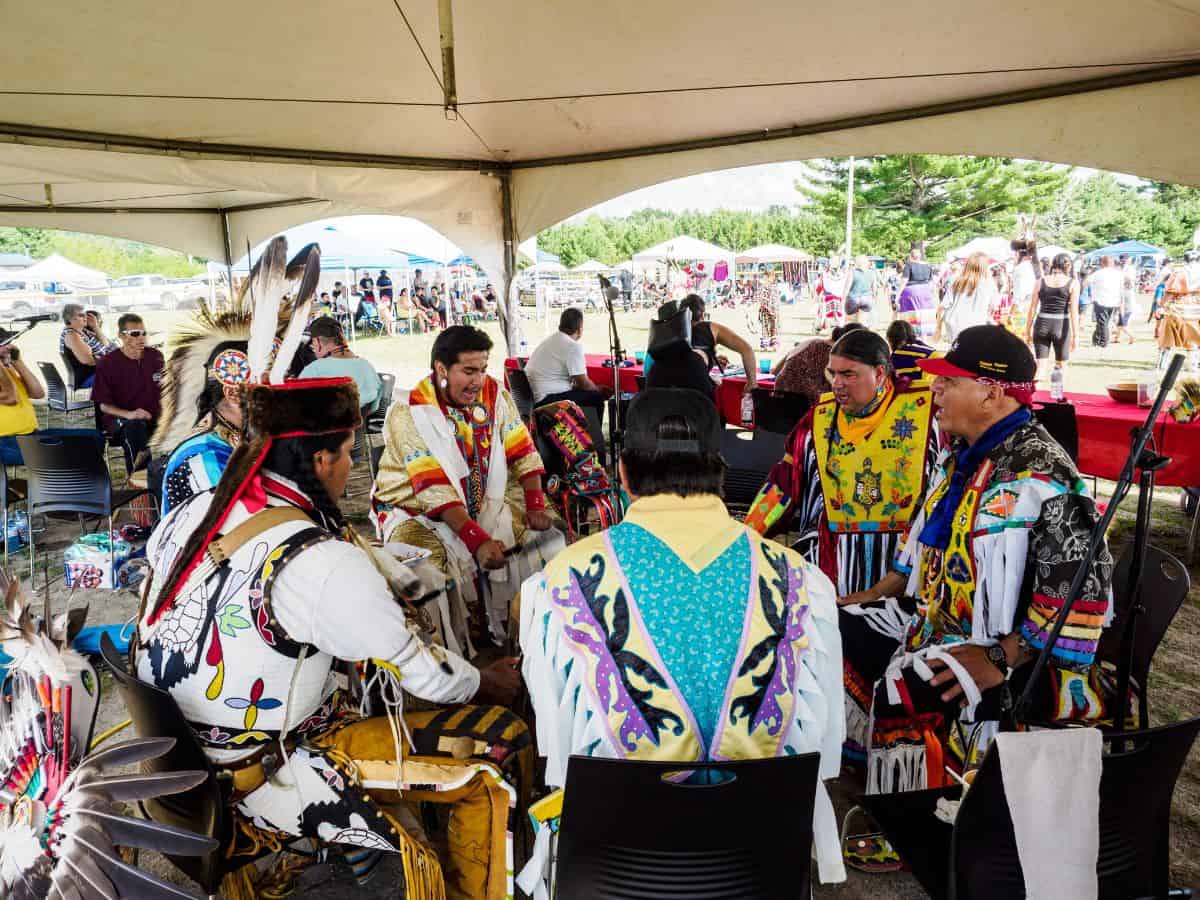
  • 11 Incredible Things To Do In Sault Ste. Marie – Outdoor And Indigenous Experiences

    11 Incredible Things To Do In Sault Ste. Marie – Outdoor And Indigenous Experiences

    Sault Ste. Marie is a hotspot for outdoor activities, parks, beaches and history. Discover Indigenous history and experiences, eat incredible food, and explore stunning street art before setting off on awesome hikes.

    The post 11 Incredible Things To Do In Sault Ste. Marie – Outdoor And Indigenous Experiences appeared first on Going Awesome Places by William Tang.

    This post was originally published on this site.