Category: Uncategorized

  • Army veteran becomes the face of Call of Duty’s new bionic hero

    Army veteran becomes the face of Call of Duty’s new bionic hero

    This post was originally published on this site.

    Twenty years after losing her arm in Baghdad, Army veteran Danielle Green is once again showing what resilience looks like.

    Green’s likeness and story are the inspiration behind a new Call of Duty operator bundle launching Friday, making her the first female combat veteran to be featured as a playable Call of Duty character. The bundle launches alongside the new game Call of Duty: Black Ops 7.

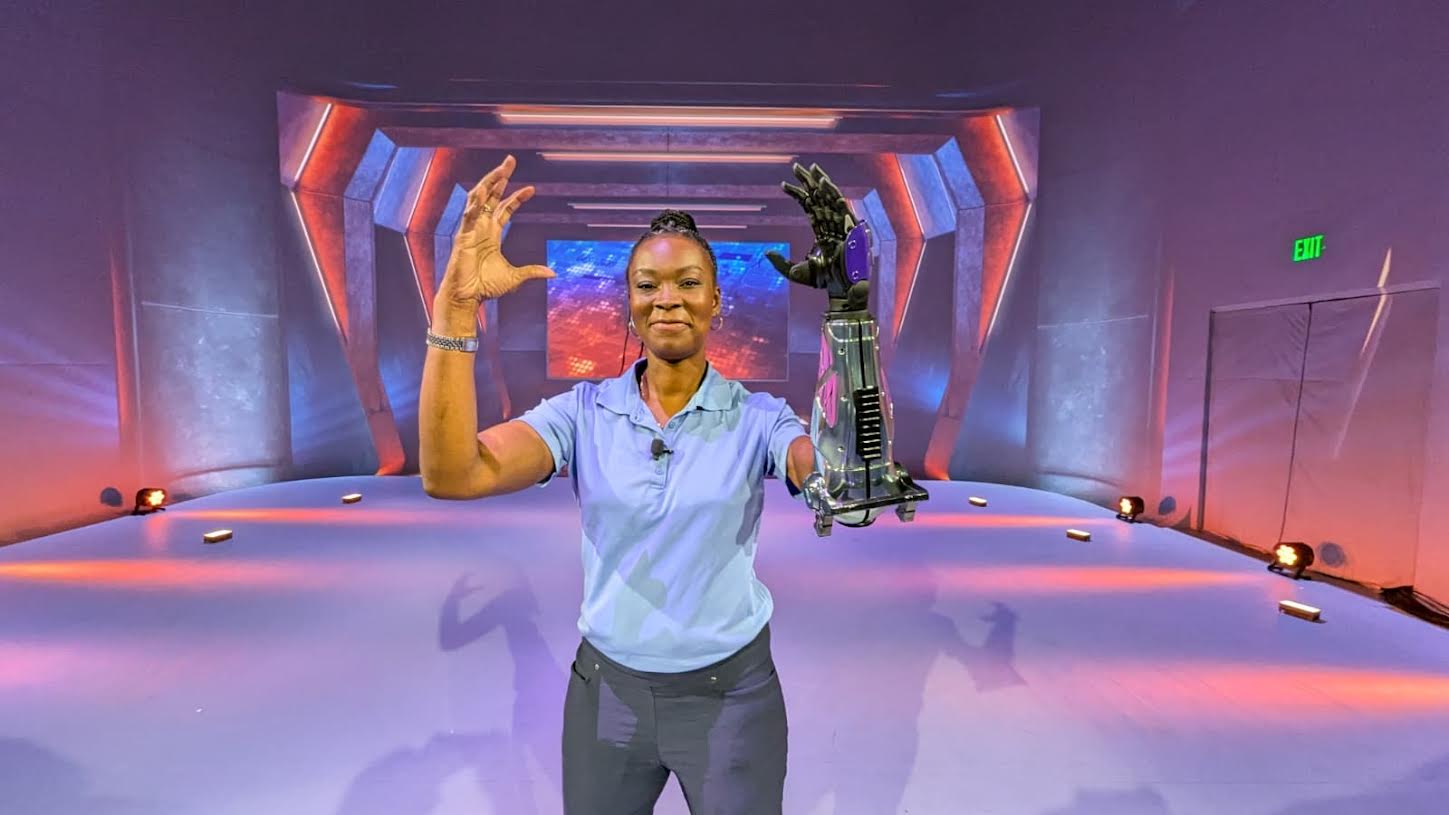
    The character, called 50/50, is outfitted with a bionic arm based on Green’s real-life prosthetic, the Hero RGD, developed by the prosthetics company Open Bionics and supported by the Call of Duty Endowment.

    The Hero RGD, short for “rugged,” debuted publicly at the Call of Duty Endowment Bowl in Las Vegas in September. It’s the world’s most advanced bionic arm built for strength and durability, but for Green, it represents much more than technology.

    “I love my bionic arm. It gives me balance, it makes me feel whole,” Green said in an interview with Military Times. “As a combat veteran wearing this arm in public, I know it’s about more than just me. Little girls who have lost a limb see someone like them moving forward with confidence.”

    Green lost her left arm in a rocket-propelled grenade attack on May 25, 2004. Being left-handed, she had to relearn everything, from writing to daily tasks.

    Her prosthetic is the first of its kind, combining titanium joints and high-strength nylon with a fully wireless muscle-sensor system that allows her to move the hand with speed and precision, according to Open Bionics. The Hero RGD can lift up to 77 pounds and is twice as fast as any other bionic limb available.

    The custom version she wears features personalized details, including the date of her injury engraved on the arm, the coordinates of Mount Kilimanjaro, which she recently climbed, and a purple wedding band on the in-game operator, inspired by the one her team recovered from the battlefield after her injury.

    Army veteran Danielle Green uses her prosthetic hand to hold a photo of herself from her 2004 deployment to Baghdad, before the rocket-propelled grenade attack that claimed her left arm. (Courtesy of Call of Duty Endowment)

    Samantha Payne, Open Bionics co-founder and CEO, said she had followed Green’s story for years through her work with the Wounded Warrior Project and immediately knew she was the right person to represent the company’s latest design.

    “She exudes strength and a vibrant, live-your-best-life energy,” Payne said. “She is all about living with confidence and helping others overcome. What a wonderful person to align with.”

    Payne explained that the Hero RGD was developed over four years at a cost of approximately $2 million. Engineers aimed to make it the strongest, fastest and most reliable prosthetic ever produced.

    “Our users are makers, parents, veterans, and builders. They are busy and active. We wanted to build something that could keep up with them,” Payne said. “The RGD is built like a Toyota Camry and runs like a Ferrari. You can’t destroy it.”

    Open Bionics continues to expand access to its devices through partnerships with the Department of Veterans Affairs. The company confirmed that the VA funds the Hero RGD for eligible veterans and encourages those interested to reach out directly to begin the process.

    “We are actively fitting veterans right now,” Payne said. “If you need a prosthetic, contact us. We can help you get one of these through the VA.”

    Green’s collaboration with Call of Duty began when the Endowment and Open Bionics partnered to showcase a real veteran’s story through gaming.

    “When the Endowment reached out, we saw an opportunity to celebrate a true hero,” Payne said. “This technology was designed to keep up with how veterans live and work, and Danielle embodies that perfectly.”

    A new Call of Duty operator bundle, based on Army veteran Danielle Green and her prosthetic arm, is set to release Friday. (Courtesy of Call of Duty)

    For Green, the project is also a way to connect with other veterans who are navigating life after service.

    “In the military, we never leave anyone behind, and that’s how I see this project,” she said. “This is my way of helping hundreds of thousands of veterans who are looking for a new purpose in life.”

    Dan Goldenberg, executive director of the Call of Duty Endowment, said the partnership with Open Bionics and Green represents exactly what the nonprofit strives to highlight.

    “It is easy to tell stories of beaten-down veterans or incredible heroics,” Goldenberg said. “But the quiet heroics of pushing through difficulty and going on to do great things are just as important. Veterans are an asset to their communities, and Danielle’s story helps us show that.”

    Since 2009, the Call of Duty Endowment has placed over 150,000 veterans in high-quality civilian jobs through its network of top-performing nonprofits. Veterans seeking employment can visit the Endowment’s website for free career support, including résumé help and interview coaching through vetted partner organizations.

    Green’s story and her in-game representation now connect two worlds that rarely intersect: veterans’ recovery and mainstream entertainment.

    Proceeds from her new operator bundle will support the endowment’s mission to help veterans find meaningful work.

    “This isn’t the end of my story,” Green said. “It’s just a new chapter. We are not talking about surviving anymore. We are talking about thriving.”

  • This American soldier saved Charlemagne’s cathedral in World War II

    This American soldier saved Charlemagne’s cathedral in World War II

    This post was originally published on this site.


    As the city of Aachen, once the seat of power of the emperor Charlemagne, lay in ruins in World War II’s bitterest winter, an American soldier worked feverishly alongside German civilians to make sure its ancient cathedral remained standing. Capt. Walter Johan Huchthausen of Perry, Oklahoma, strove tirelessly to stop the building from collapsing and ensured it would be preserved as it is today.

    The son of a German immigrant father, Huchthausen was a rising star in the field of architecture. His strong grasp of design principles and enthusiasm for history brought him accolades for his work and professional success. After receiving a Master’s degree from Harvard, he worked in New York and Boston and eventually became an assistant professor of architecture at the University of Minnesota.

    Becoming a Monuments Man

    Huchthausen’s German heritage was important to him. He studied abroad in Germany on a fellowship for Harvard prior to the war and mastered the language with native proficiency as he worked alongside German museum professionals. His connection with the German language and culture would later become vital to his success as a U.S. Army Monuments Man tasked with preserving valuable historical artifacts.

    After World War II broke out, Huchthausen, then age 38, volunteered for military service in 1942, joining the U.S. Army Air Forces. His service in the USAAF would be short-lived, however. Wounded badly by a V-1 “flying bomb” in London in June 1944, he joined the U.S. Army’s European Civil Affairs Division and was selected as a talented candidate for the Monuments, Fine Arts and Archives program, whose officers were popularly known as “the Monuments Men.” As the Battle of the Bulge raged in December 1944, Huchthausen joined the Ninth Army as its Monuments officer.

    Attaining the rank of captain, he was nicknamed “Hutch” by his comrades, who likely struggled to pronounce his German last name.

    Huchthausen communicated well with German POWs and local civilians and thus, within a relatively short timeframe, he was able to locate 30 hidden caches of art stashed away by Nazi officials — salvaging both historical German artifacts and looted objects from occupied countries. He was known for being especially hardworking and was admired by his colleagues for his organizational talents and attention to detail.

    A siege photo taken by the U.S. Army, Aachen 1944. (National Archives)

    In the ruins of a royal city

    After working briefly in France, he distinguished himself after arriving in the shattered ruins of Aachen, a city ripped apart both by external and internal strife. Its history as the citadel of Emperor Charlemagne, the first ruler of what would become the Holy Roman Empire, gave it special status — not only to locals but to Adolf Hitler, who saw it as a propaganda symbol.

    As the U.S. Army approached, Hitler ordered the city to be defended to the last man and destroyed totally rather than surrendered. Local civilians were at first prevented from evacuating by the Schutzstaffel, better known as the SS, and subsequently forced from their homes as Nazi officials prepared for a deadly siege that began in early September and became one of the war’s bloodiest urban battles.

    A U.S. soldier helps German civilians evacuate who had been shot at by Nazis earlier for trying to leave. (National Archives)

    Treated brutally by the SS, many civilians hid in various locations inside the city and tried to break out to safety later. Photos taken by the U.S. Army during the battle of Aachen note that elderly German residents were fired upon by Nazis with automatic weapons as they tried to flee. American soldiers later rescued several infirm elderly women who were nearly gunned down while trying to escape through the ruins.

    Once a magnificent structure with its own treasure chamber, Aachen’s cathedral had already suffered bombing damage throughout the war. In the early war years it had been protected by local German youths who formed a volunteer fire brigade to preserve the church.

    However, the cathedral was on its last legs. The ferocious battle that ended on Oct. 21 had seen tanks tear through the city and buildings ripped apart by shellfire. The cathedral was in danger of collapse.

    Saving the cathedral

    Arriving in January 1945, Huchthausen came to the rescue. Creating his own headquarters in the city’s Suermondt-Ludwig-Museum, he set about identifying and collecting the cathedral’s numerous altarpieces and artifacts to preserve them. Huchthausen successfully organized and led local German civilians to locate missing objects and start repairing the site.

    He used his architectural expertise to rescue what he could. Under his leadership, civilians repaired the roof, preserved paintings and covered bomb-damaged windows. He successfully reinforced the cathedral’s buttresses to stop them from caving in and strengthened the interior structure — saving it from collapse.

    Challenged by a reporter about why he cared about preserving a site in the Third Reich, Huchthausen replied that its history was world heritage. “Aachen Cathedral belongs to the world and if we can prevent it from falling in ruins…we are doing a service to the world,” he said.

    Aachen cathedral earlier during the war years. (Polish State Archive)

    Killed in action

    Tragically, that statement defining his approach to his work was published two days after Huchthausen was killed in action on April 2, 1945. Working closely behind the Ninth Army’s frontlines, Huchthausen and his assistant Lt. Sheldon Keck, formerly a conservator of the Brooklyn Museum of Art, were driving in search of a stolen artifact when they came under fire from a machine gun. Huchthausen was killed instantly, falling on top of his comrade as the vehicle overturned. Keck survived.

    Fellow Monuments Man Maj. Walker Hancock wrote a touching tribute to Huchthausen after his death. “The buildings that Hutch hoped, as a young architect, to build will never exist,” he wrote, “but the few people who saw him at his job — friend and enemy — must think more of the human race because of him.”

    Huchthausen is buried in the Netherlands American Cemetery in Holland, and was posthumously awarded the Bronze Star and Purple Heart with oak leaf cluster.

  • Program for youth caregivers, umpire academy among Fisher awardees

    Program for youth caregivers, umpire academy among Fisher awardees

    This post was originally published on this site.


    From leadership training for military youth caregivers to training veterans to be baseball umpires, this year’s five Fisher Service Award winners have found innovative ways to fill gaps to meet the needs of those in the military and veteran communities.

    The top winner, with a grant of $100,000, is the Caregiving Youth Student Leadership Program, which is part of the Military Child Education Coalition of Harker Heights, Texas.

    “These are students who balance homework with hospital visits, who help care for a parent who is healing from injury or illness,” said Mary Bier, president and CEO of the Military Child Education Coalition.

    Bier accepted the award during a ceremony Oct. 29 in Arlington, Virginia. During the event, Bier said students in the program often sacrifice their own needs to care for someone that they love.

    MCEC was founded in 1998, and like many organizations, its programs have evolved to meet the needs of the military community. Their caregiving youth program, started in 2023, is an immersive, five-day leadership training that provides a supportive environment where they have “a place to be seen, to connect with peers who understand their journey, and to imagine what’s possible in their next chapter of life,” Bier said.

    The award will help the organization expand the program to reach more youth, “giving them the tools, the confidence and the hope that they deserve,” she said.

    The Fisher Service Awards, created by the Fisher House Foundation and the Military Times Foundation, recognize and help fund innovative programs created to improve the quality of life of service members, military families and veterans. Since the awards program began in 1999 as the Newman’s Own Awards, it has distributed more than $3.8 million across 215 nonprofits.

    “The strength of our military isn’t just in cool jets or brilliant strategies,” said Marine Corps Gen. Christopher J. Mahoney, vice chairman of the Joint Chiefs of Staff, in remarks at the Oct. 29 ceremony. “It’s defined by the resilience of our people, our warfighters and their families and the communities that stand behind them.

    “You are, in fighter pilot lingo, the jet fuel that fuels the joint force. You organizations, without fail, step into a gap … and provide resources and offer hope when and where it’s needed most,” he said. “You do it when others can’t or won’t.”

    This year, more than 443 entries were received, and nine judges evaluated each entry based on the organization’s creativity, innovation and impact on their community. While not all of the organizations could receive awards, Mahoney said, “their collective dedication to the military community is a testament to that resilience” of the military and their families.

    The awards ceremony was held on the 29th day of the government shutdown, which has affected many military families. Asked after the ceremony by Military Times about what the efforts of these organizations mean to the military community, especially now, Mahoney said, “Regardless of what the environment is like, they’re there. If times are tough, they’re there. If times are good, they’re there.

    “It’s an immutable part of our community … It’s remarkable to see.”

    The Fisher House Foundation is known for its network of 100 comfort homes where military and veteran families can stay at no cost while a loved one is receiving treatment at a major military medical center or Veterans Affairs hospital.

    “We’re grateful to have reached the milestone of 100 houses, and are committed to continuing to meet the needs of our military and veterans community as we begin the second 100,” said David Coker, president of the foundation.

    “We recognize that we are but one of many organizations that have the privilege of serving our military and veteran communities, and we’ve found that we’re more effective if we work with other organizations in the spirit of collaboration, not competition. The organizations we’ve supported through this program and the lives they’ve touched has been the real payoff,” he said.

    The Fisher House Foundation and the Military Times Foundation have been partners in sponsoring the awards since the program began. The Fisher Service Award winners “demonstrate how collaboration can drive a lasting impact,” said Kelly Facer, senior vice president of Military Times. “As is the case every year, our honorees exemplify the power of community, cooperation, and innovation in tackling the most important issues facing our nation’s heroes.”

    The four remaining winners each received a $75,000 award. They are:

    Exceptional Families Matter Grant Program, part of Exceptional Families of the Military, of Marana, Arizona. The organization provides peer connections and case assistance. Its grant program provides immediate relief for families with special needs. They also advocate for systemic reforms to help families.

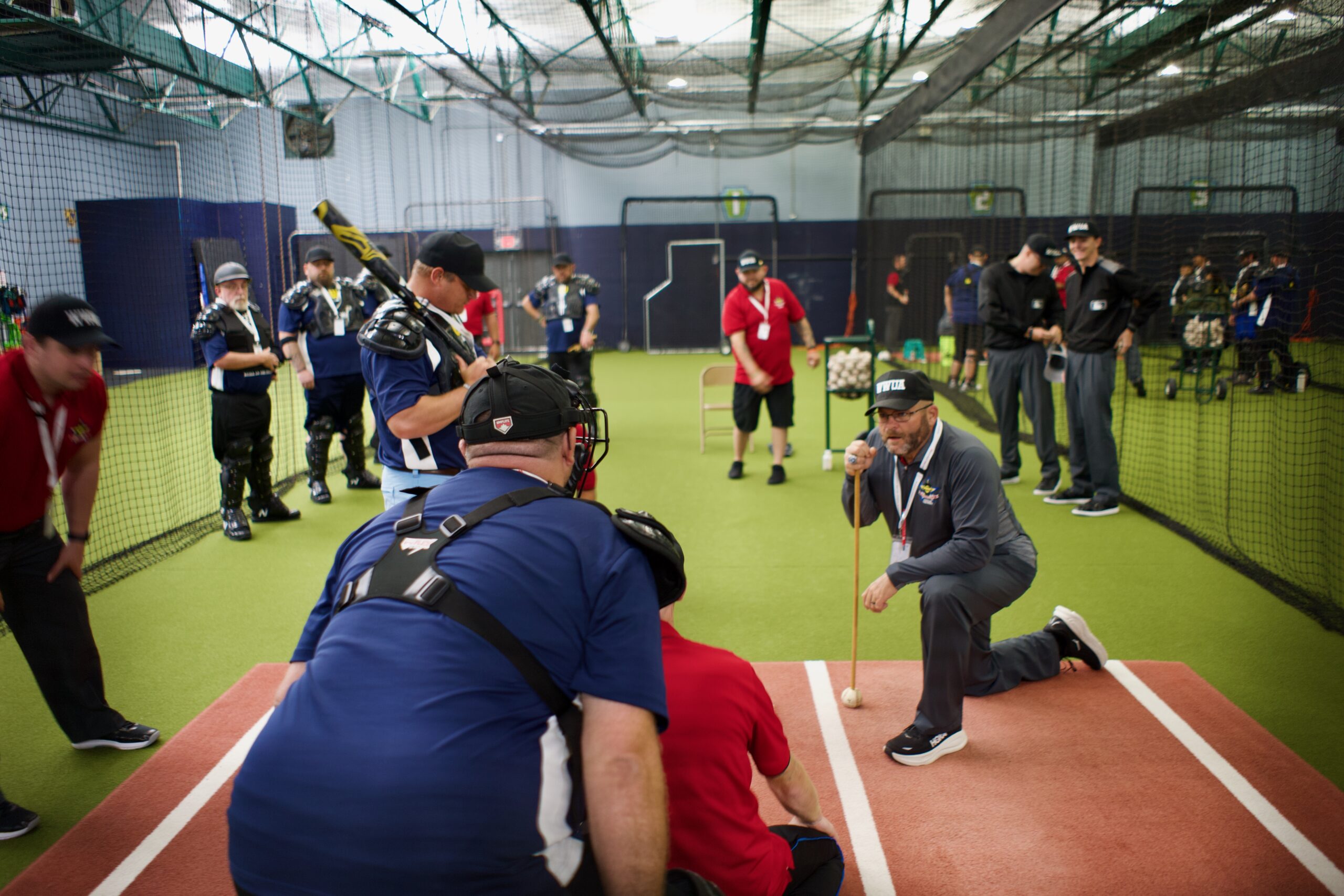
    Wounded Warrior Umpire Academy in Daytona Beach, Florida. The organization trains veterans as baseball umpires, providing mentorship and peer support and helping veterans rebuild confidence, purpose and camaraderie. The academy, founded by veterans, creates a lifelong network.

    Diné Naazbaa Partnership, a program of America’s Warrior Partnership of Augusta, Georgia. It’s the first community-based initiative supporting Navajo Nation veterans, connecting them to resources in housing, health, education, employment and more.

    Operation Rebound, a program of Challenged Athletes, Inc., in San Diego, California. By providing grants for adaptive equipment and access to supportive athletic communities, Operation Rebound removes barriers to participation in sports for veterans and first responders nationwide.

    All five award winners also receive an advertising package from Military Times valued at $50,000. Ten additional organizations will receive a $35,000 advertising package from Military Times to support awareness of their work.

  • VA tech glitch halts GI Bill payments to thousands, advocates say

    VA tech glitch halts GI Bill payments to thousands, advocates say

    This post was originally published on this site.


    Two months after an IT hiccup at the Department of Veterans Affairs left a significant portion of GI Bill recipients without their anticipated payments for school and housing, some advocates have a message for the VA: Turn the GI Bill hotline back on.

    Those missing payments in the wake of the rollout of a new processing system are spouses or children of veterans who have died, are missing, or have a permanent and total service-connected disability — grouped together under the VA’s Chapter 35. Up to 75,000 of these claims may be unpaid, according to Ashlynne Haycock-Lohmann, director of Government and Legislative Affairs for the Tragedy Assistance Program for Survivors.

    And while VA officials lay the blame for the protracted payments delay largely with congressional Democrats, whom the administration holds responsible for the government shutdown that began Oct. 1, multiple groups are expressing frustration with the department’s own actions and failure to find a solution.

    “VA deployed a new benefit delivery system in August and anticipated having the ability to pay staff overtime and deploy automation solutions as needed to ensure a smooth transition and process fall enrollments on a timely basis,” Peter Kasperowicz, a VA spokesman, told Military Times in an emailed statement. “When the Democrats’ shutdown hit, VA was deprived of these resources.”

    He added that federal law required the GI Bill hotline, which is typically used to identify and address payment issues, to be turned off during the shutdown. VA anticipates the pay issue won’t be fully resolved until late November or early December, Kasperowicz said.

    That’s not satisfactory to Haycock-Lohmann.

    “The shutdown is not the cause of this, and it needs to be very clear that the reason that this happened is because VA’s infrastructure failed, and they chose not to tell us until after the shutdown started,” she said. “VA could have told us in August.”

    She added that affected veterans never got clear communication about what was happening due to a communications plan that was upended after VA staff got furloughed in October.

    An Oct. 9 letter to VA Secretary Doug Collins from Sen. Richard Blumenthal, D-Conn, and Rep. Mark Takano, D-Calif., the ranking members of the Senate and House Veterans Affairs Committees, expressed “serious concern” at the missed payments and gave the VA an Oct. 13 deadline to provide an explanation, outline the scope of the problem and explain its communications plan.

    “These payments are essential, mandatory funds that veterans and their families rely on for food, rent or mortgage payments, immediate needs, and financial stability,” the lawmakers wrote.

    A staff member with Blumenthal’s office said VA had not yet sent a response to the letter. They added that VA had told congressional staff in August about a glitch that would affect 900 Chapter 35 students, saying the students had been contacted and the issue remediated. But no further information had been forthcoming even as the issue appears to be much larger, and they believed VA has not done any outreach about the matter.

    Will Hubbard, the vice president for Veterans and Military Policy at the organization Veterans Education Success and an architect of the current “Forever GI Bill,” has been tracking the nonpayment issue closely since he was alerted to the problem by congressional staff.

    “There’s been no mass communications plan; there’s no press release; there’s no public anything,” Hubbard said. “And that’s really been a fundamental issue.”

    For Hubbard, the problem also fit a pattern of major VA platform or tech rollouts affecting GI Bill beneficiaries that took place right before the start of the fall semester, when enrollments were surging and tuition payments were coming due.

    Hubbard wants assurances from VA that the rollout timing issue will be addressed for the future. He’s also concerned that the VA’s projected timeline for fixing the current problem is optimistic, and expressed concern about the “destabilizing” impacts of missing payments that roll into next semester.

    “What I’m most worried about are the housing payment elements of this issue,” he said. “Because, you know, a school might be flexible, and I applaud that, but I suspect that landlords, their patience is going to run thin eventually. It’s bad, obviously, to get dropped from school, but it’s life changing if you’re put out on the street.”

    TAPS, meanwhile, is calling for the restoration of the GI Bill hotline and a surge in claims processors to accelerate resolution.

    “What they should be doing is bringing back the call center, finding a way to fund the call center. Bring those employees back,” Haycock-Lohmann said. “In future shutdown plans, make it very clear that the GI Bill hotline needs to be considered an essential program, and they need to bring back every processor right now.”

    TAPS staff said they had seen success in “back channel” communication with congressional officials and VA Education Services over specific hardship cases to restore payments. Haycock-Lohmann said all affected students should know that schools are legally prohibited from dropping them over missed GI Bill payments. And, she said, survivors facing issues can reach TAPS for help with their case at casework@taps.org.

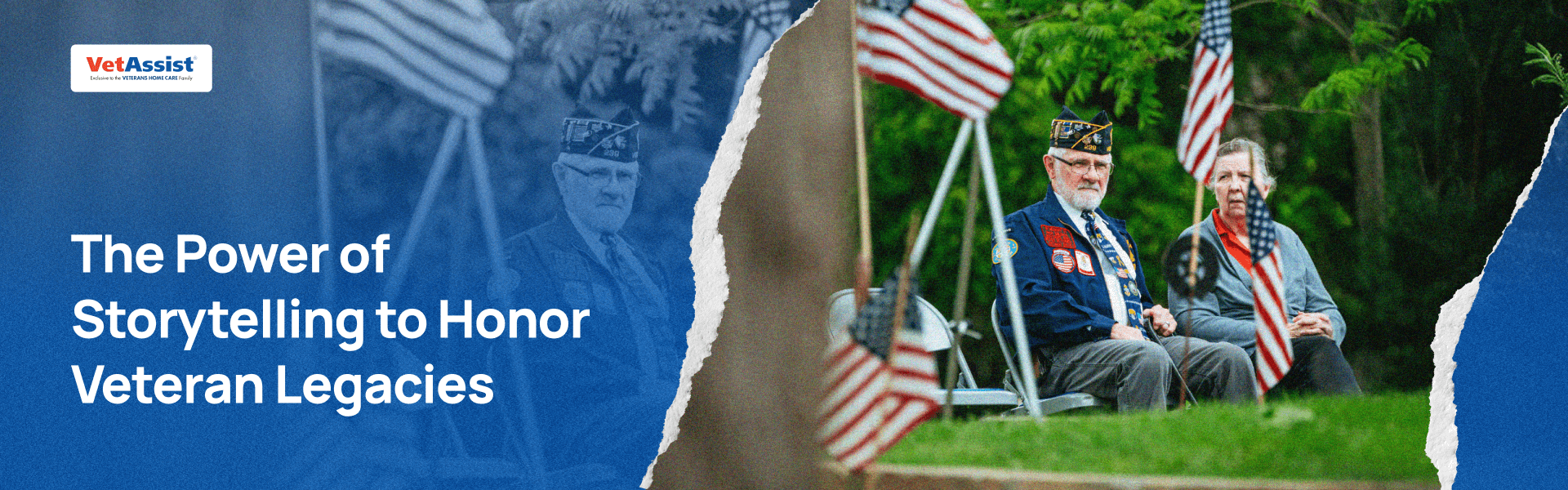
  • The Power of Storytelling to Honor Veteran Legacies

    The Power of Storytelling to Honor Veteran Legacies

    The Power of Storytelling to Honor Veteran Legacies

    Preserving family history is a gift to future generations. Anyone who has pored through their grandparents’ photo albums, recipe cards, or drawers full of vintage clothing gets to feel connected to a past that is a part of their story. For families of Veterans, this takes on additional significance: they get to feel connected to heroism, service, and significant events in human history.

    Memory-keeping is an important part of celebrating our veterans. This Veterans Day, consider ways you can honor your loved one’s legacy of service through preserving and sharing their story.

    Veteran Stories Remind Us of Who We Are

    Over the years, Veterans Home Care has interviewed many of our hero clients, their surviving spouses, and their adult children. (For examples, read Minnie’s story, Antoine’s, or Harry’s.) A common refrain is that the Veteran struggled to tell their story after they left active duty. This can stem from the intense and complex feelings around experiences, particularly in combat zones. PTSD is tragically widespread among Veterans, and families are often under-resourced in how to help their loved one process their experiences. Vietnam Veterans underwent particularly difficult transitions back to civilian life, and many still struggle with those memories.

    Storytelling is not a substitute for mental healthcare, but it is often part of accepting, learning, and moving forward. For families, storytelling can reveal sides of their loved one they have not otherwise witnessed. The immense courage, resilience, self-discipline, and wisdom of Veterans is worth more than they know to those close to them, and they can provide grounding examples to their grandchildren, great-grandchildren, and generations beyond. Those qualities build a better world; we need Veteran stories.

    Preserving Stories and Lessons

    Some Veterans (or their surviving spouses) are happy to be invited to share their stories. Collecting an oral history is a great way to record their memories. This may be accomplished with video, audio, or written media and makes a priceless heirloom for future generations who will better know where they came from.

    Veterans Home Care interviews our Veteran clients and their surviving spouses on an ongoing basis for our blog. If your loved one would like to participate and share their story with others, you can fill out this contact form.

    Some Veterans who are comfortable speaking publicly can also find local organizations eager to offer a platform; they speak to students, fellow Veterans, active duty personnel, and even employers interested in hiring more veterans. These kinds of opportunities can be found through your city government (including the chamber of commerce), local schools, Veteran organizations (like the American Legion, AMVETS, VFW, and others), or the Wounded Warrior Project.

    Other Veterans prefer to write those stories down. Veteran memoirs are treasures that can even be printed or published to share outside the family. At minimum, they become strong, personal ties to honored predecessors.

    Lastly, the Library of Congress collects firsthand accounts from Veterans in its Veterans History Project, where your loved one’s story becomes part of our nation’s preserved historical record. They also collect any artifacts Veteran families would like to donate. This is a wonderful project to browse, even if your loved one is not ready to participate.

    Veteran Tributes Beyond Stories

    Families can honor their Veterans through other ways that preserve their legacy and keep their memories alive for younger generations. Crafts and artwork are a great outlet for those who might not remember or be comfortable sharing many stories. Some ideas are:

    • Scrapbooking with photos, news cuttings, letters, and official documents (be sure not to alter or damage anything that might be needed for VA services; sometimes a photocopy is a good idea). Your loved one’s possessions can also be supplemented with public material (like articles) from the time period as a way to tell a fuller story to younger family members.
    • Preserving uniforms, patches, medals, name tags, and other artifacts in frames or shadowboxes. Get these out of the attic, and make sure they are displayed proudly and admired often!
    • Framing a map marked with all stations and dates during service. This can be expanded to include anecdotes or significant events, like the birth of a child on-base.
    • Making a time capsule for the years during which they served. It can include many of the objects mentioned above, as well as notes and recordings. Some Veterans might even have saved foreign currency that is no longer used, matchbooks, and similar items that would be delightful to find a decade from now!
    • Quilting with t-shirts, blankets, buttons, or other retained objects from service.

    Veterans who served more recently may find that they have more digital artifacts, such as photos. Printing digital media is a great way to keep it in view, rather than tucked away in computer or phone files.

    Does your loved one know about Honor Flights? Vietnam Veteran Steve can attest to his initial hesitation, but he and his fellow Veterans flying together that day in 2023 count it as a meaningful, fun experience that revived some of that military pride and camaraderie.

    And consider that beyond Veterans Day, we also mark Women Veterans Day, Vietnam Veterans Day, Memorial Day, Armed Forces Day, Military Spouse Appreciation Day, and other specially designated holidays that remind us of the sacrifices these heroes have made to protect and serve our country. Putting these holidays on your calendar can be a good prompt to reach out to Veterans in your circle, thank them, and invite them to share their stories.

    There are many ways to honor the Veterans in our spheres. Consider how you can make their stories visible, advocate for their rights, and thank them through recognition of their service. We love and honor our Veterans—not just once a year, but always!

    If your loved one needs home care, our VetAssist mission is to make home care easily and quickly accessible for those who qualify through the VA Pension with Aid and Attendance benefit. Veterans Home Care can help you determine whether you or your loved one will be eligible to receive the benefit, which can cover some or all of the cost of home care, and we make it easy to apply. Chat with us via our website, or call us at (888) 314-6075.

    The post The Power of Storytelling to Honor Veteran Legacies appeared first on Veterans Home Care – VA Aid and Attendance Pension Benefit.

    This post was originally published on this site.

  • You Can Do It!

    You Can Do It!

    This post was originally published on this site.


    There’s nothing better than supportive teammates! #sports #kids #motivation

  • One Happy Squirrel

    One Happy Squirrel

    This post was originally published on this site.


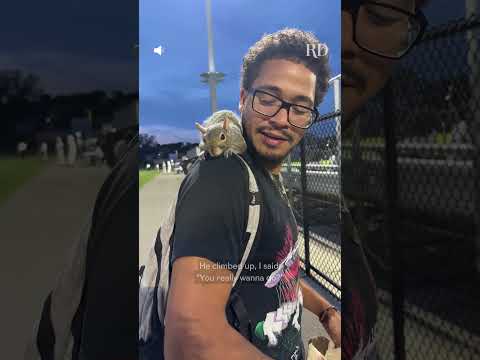
    This squirrel is just happy to be here! #pets #squirrel #animals

  • A New Lease on Life

    A New Lease on Life

    This post was originally published on this site.


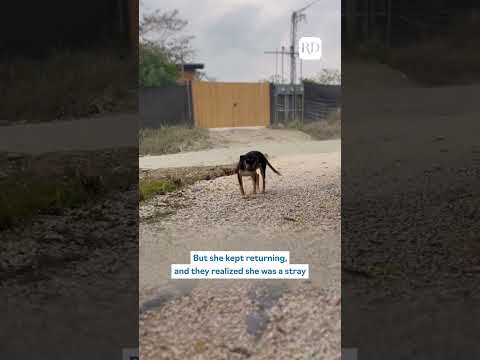
    This couple found a stray dog on vacation and gave her the home and love she deserves! #dogs #love #pets

  • That was so satisfying

    That was so satisfying

    This post was originally published on this site.


    We want to clean everything now! #satisfying #cleaning #pressurewasher

  • Drab to Fab!

    Drab to Fab!

    This post was originally published on this site.


    Amazing dresser transformation!