



Grilled Chicken
$5.13 recipe / $1.28 serving


A few months ago, I discovered what feels like a little life hack.
I started spending an hour each month getting a few meals prepped for the month ahead. We’re talking just assembling stuff for my favorite recipes into bags and freezing it!
And I can’t tell you how much this system makes me feel like I have my life together! It’s the best.
What I Prepped:
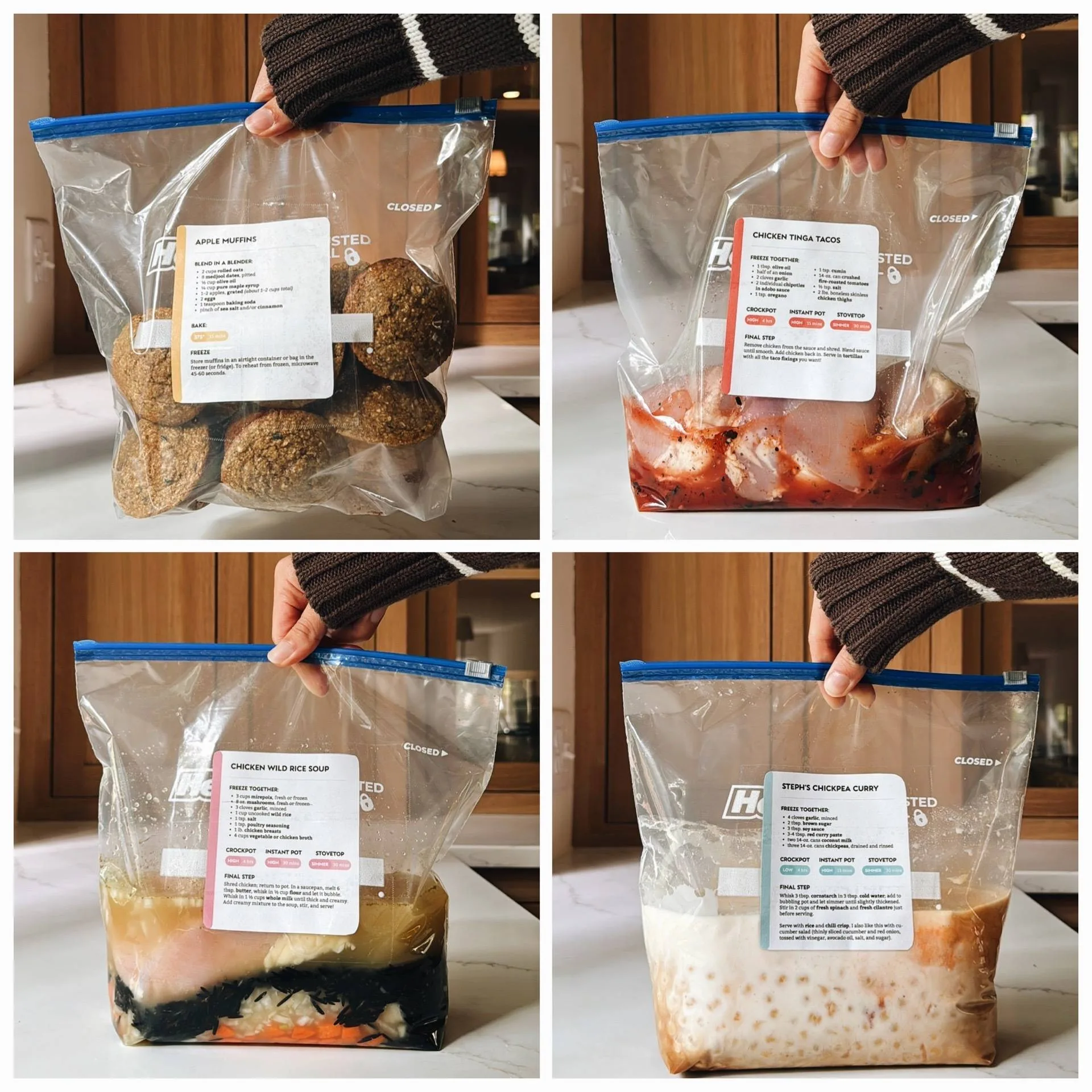
What I Got:

The recipes this month are absolute family favorites for fall!
And they all have cook times for Crockpot, Instant Pot, and stovetop methods. 🙂
Hope these help make your life easier this month like they have for us!

They’re free! Aren’t they so fun?!
Everything you need is right on them. I print the cards out and attach them to the bags so I don’t have to use my phone at all for the prep or cooking.
16-18 muffins total
Click here for printable version!
For the streusel: mix 4 tablespoons melted butter, 1/3 cup brown sugar, and 3/4 cup flour into small crumbles.
Spray a muffin tin with avocado oil. Fill tins two-thirds of the way full with batter; top with streusel.
Store muffins in an airtight container or bag in the freezer (or fridge). To reheat from frozen, microwave 45-60 seconds.
4 servings
Remove chicken from the sauce and shred. Blend sauce until smooth. Add chicken back in. Serve in tortillas with all the taco fixings you want!
10 servings
Add 5 cups chicken broth before cooking.
Shred chicken; return to pot.
Add 2 cups heavy cream and 2 1/2 cups chicken broth. To thicken: whisk 1 1/2 tbsp. cornstarch with 1 1/2 tbsp. cold water; add and simmer.
4 servings
Whisk 1 1/2 tbsp. cornstarch in 1 1/2 tbsp. cold water; add to bubbling pot and let simmer until slightly thickened.
Stir in 2 cups of fresh spinach and fresh cilantro just before serving.
Serve with rice and chili crisp. I also love this with cucumber salad (thinly sliced cucumber and red onion, tossed with vinegar, avocado oil, salt, and sugar).
The post Fall Freezer Meals #2 appeared first on Pinch of Yum.

If there’s one thing that can immediately bring peace to my dinner table after a long day, it’s a big plate of juicy, perfectly seasoned Baked Chicken Breast that my husband and daughter will devour without a single complaint. Thanks to a quick brine and a hot oven, this recipe takes very little hands-on effort, turning basic chicken into an absolute weeknight victory. I use a simple spice mix made entirely from inexpensive pantry staples you probably already have in your cupboard, keeping the cost at around $1.94 per serving. This easy method is a quick win for tonight’s dinner and just as handy for meal prep over the next few days!
“Winner Winner delicious chicken dinner. I dislike chicken breast. Never ever eat it. There was a huge sale on it…so I got a huge package. I did the brine as directed, all the spices and WOW so delicious. The brine is a magic secret for sure.”
ARLENE
Boneless chicken breasts are such a handy option for easy family dinners, but because they’re naturally lean, they can dry out pretty quickly in the oven. That’s where my quick brine comes in! I soak the chicken in lightly salted water for 30 minutes, which helps it hold onto moisture as it cooks and seasons the meat from the inside. And because the brine is already doing some of the seasoning, there’s no need to add extra salt to my spice rub. Instead, I use smoked paprika, garlic powder, onion powder, and black pepper for a deliciously savory, slightly smoky flavor that isn’t too spicy or overpowering. I also add a little sugar to the brine and rub for a touch of sweetness and to encourage browning, but both are completely optional!
Of course, keeping chicken juicy isn’t just about the brine. Those thick ends naturally take longer to cook, so I pound the breasts to an even thickness so everything cooks at the same rate. Then a HOT oven gives the outside color without overcooking the chicken. This baked chicken breast recipe is such a simple, cheap, beginner-friendly method, but you end up with beautifully tender, flavorful chicken that’s perfect for SO many meals! Working with bone-in, skin-on chicken? Try our oven roasted chicken breast recipe instead.
Want to get more servings without spending more money? Try slicing your chicken breasts in half horizontally to make thinner cutlets! I love this trick for turning 4 large breasts into 8 smaller portions, which is a great way to stretch your grocery budget. Plus, thinner cutlets need less pounding and cook faster!
Here’s how I adapt this recipe to make more servings:
You’ll get twice as many smaller portions from the same amount of chicken, perfect for serving with budget-friendly sides like rice, potatoes, or veggies. We use this trick in a LOT of our chicken breast recipes, like this creamy garlic chicken!
These baked chicken breasts go with sooo many sides, so it’s easy to turn them into a filling family dinner without spending much extra. For a cozy, comforting meal, I’d pair them with our buttery garlic herb mashed potatoes and some steamed green beans. The potatoes make 6 servings, making them a great, affordable way to stretch these already substantial chicken breasts even further. You can get the potatoes started while the chicken brines so everything is ready around the same time.
For something lighter, my family loves this juicy chicken with a scoop of rice and my air fryer broccoli. It makes 4 servings and cooks in just 6 minutes, so you can prep the florets while the chicken bakes and pop them in the air fryer as it rests. No fighting for oven space! A side salad is another great option, especially with a tangy vinaigrette to complement the smoky seasoning. And if you’re a family of dippers, try our creamy, sweet, and tangy honey mustard sauce for dipping! It takes a few minutes to make and adds a different flavor profile to your plate without changing the chicken seasoning itself.
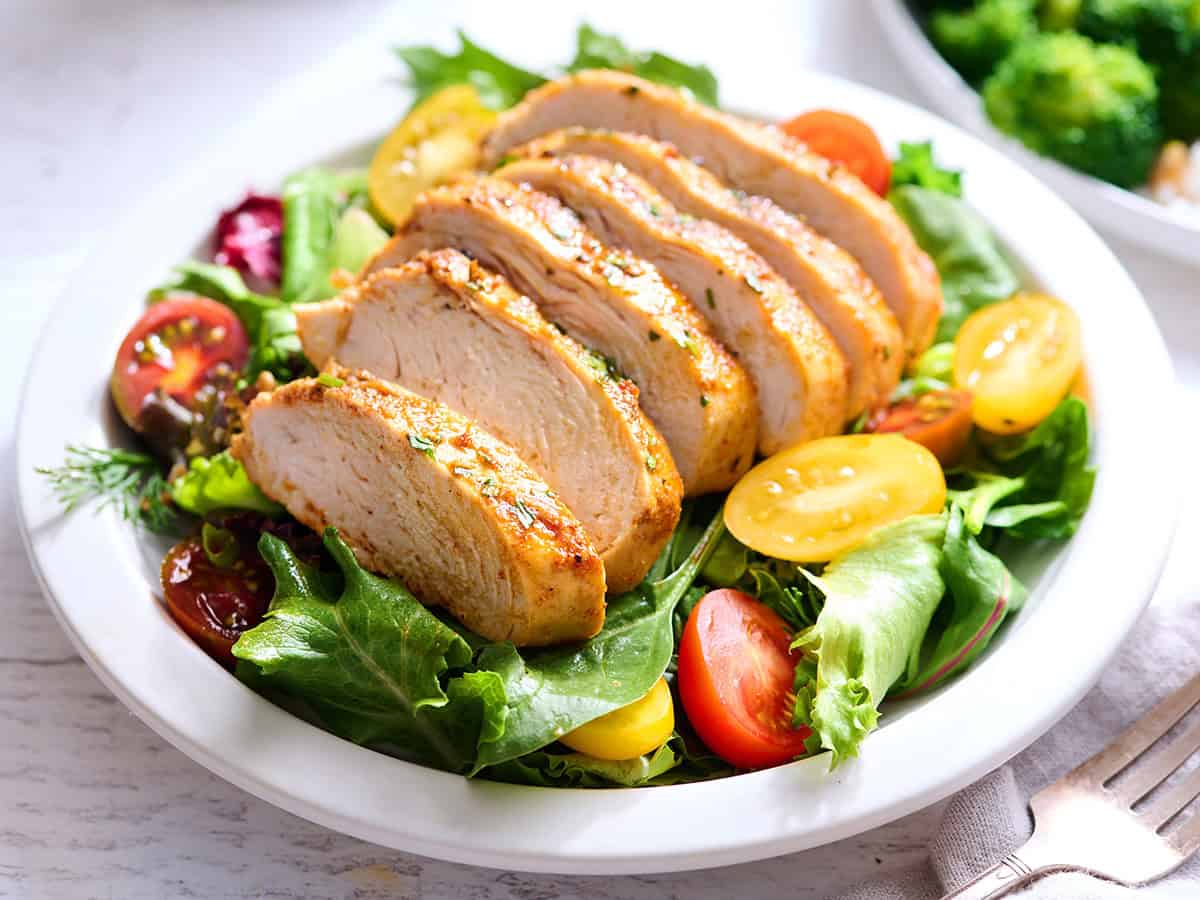

If there’s one protein that’s perfect for cooking ahead, it’s this baked chicken breast! The quick brine helps the chicken hold onto moisture as it cooks (and it stays juicy for long after it’s out the oven), and the mild, savory seasoning goes with just about anything. I just cook all four breasts at once, and then I’ve got a head start on lunches and dinners for the next few days for my family. Think salads, wraps, rice bowls, sandwiches, and whatever your heart desires.
Once cooked, let the chicken cool slightly, then refrigerate it in airtight containers with a little of the cooking juices to keep it moist. The chicken is delicious served cold or reheated, so you’ve got plenty of options. For a salad meal prep as I’ve shown below, let the chicken cool completely, slice it, and pack it on top of a simple salad with any dressing stored separately. Pop it in the fridge, and you’ve got a delicious, ready-to-eat lunch! If you prefer your chicken warm, keep it separate from anything you want to stay cold and crisp. Reheat it in the microwave, covered, with a splash of broth in short intervals until it reaches 165°F. Enjoy your batch-cooked chicken within 3-4 days.


Print
Add to Collection Go to Collections
See how we calculate recipe costs here.
**I add a little granulated sugar to the brine to balance the saltiness, and the brown sugar in the spice rub adds a hint of sweetness and helps the chicken brown in the oven. Both are optional! Feel free to leave them out for a sugar-free or keto-friendly version.
***After brining, give the chicken a quick, gentle rinse under cold water to wash away any excess salty liquid on the surface. Then pat it thoroughly dry with paper towels before seasoning. Keep the water pressure low to minimize splashing, and clean and sanitize your sink and surrounding surfaces afterward.
Internal temperature: You can remove the chicken from the oven once it reaches an internal temperature between 160-165°F. I like to then cover the chicken with aluminum foil so it stays warm. The chicken will naturally continue to cook while it’s resting. Just make sure it reaches the final internal temperature of 165°F before serving.
If you only have table salt: Fine table salt is roughly twice as dense as kosher salt because its tiny, uniform cubes pack tightly together. Using table salt at a 1:1 ratio will double the salt concentration and ruin the texture (and flavor) of your chicken breasts. If all you have is table salt, cut the volume in half:
Note: Table salt takes a bit longer to dissolve in cold liquid, so whisk it into a cup of warm water until fully dissolved, then stir in the remaining cold water before adding your chicken.
Want to use your air fryer? Try our air fryer chicken breast instead! That method skips the brine because the chicken cooks so quickly (meaning there’s less time for it to dry out), but still turns out juicy and tender. It cooks at 400°F for about 13 minutes, flipping halfway through, or until the thickest part reaches 165°F. Perfect when you’re short on time!
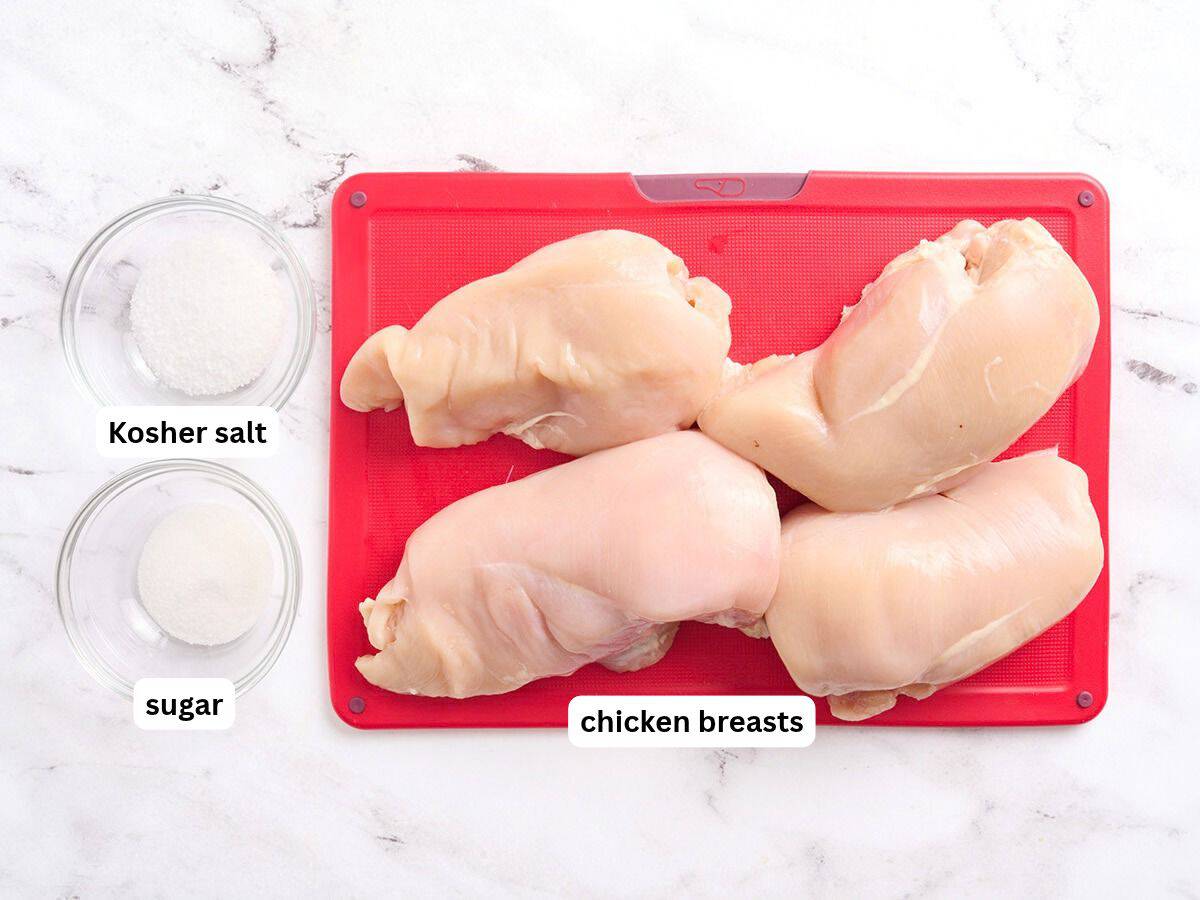
Gather the ingredients for the chicken brine: You’ll need 4 boneless, skinless chicken breasts (approx. 2 lbs total / 8 oz each), 2 Tbsp kosher salt, 1 Tbsp granulated sugar (optional), and 8 cups (2 quarts) cold water.
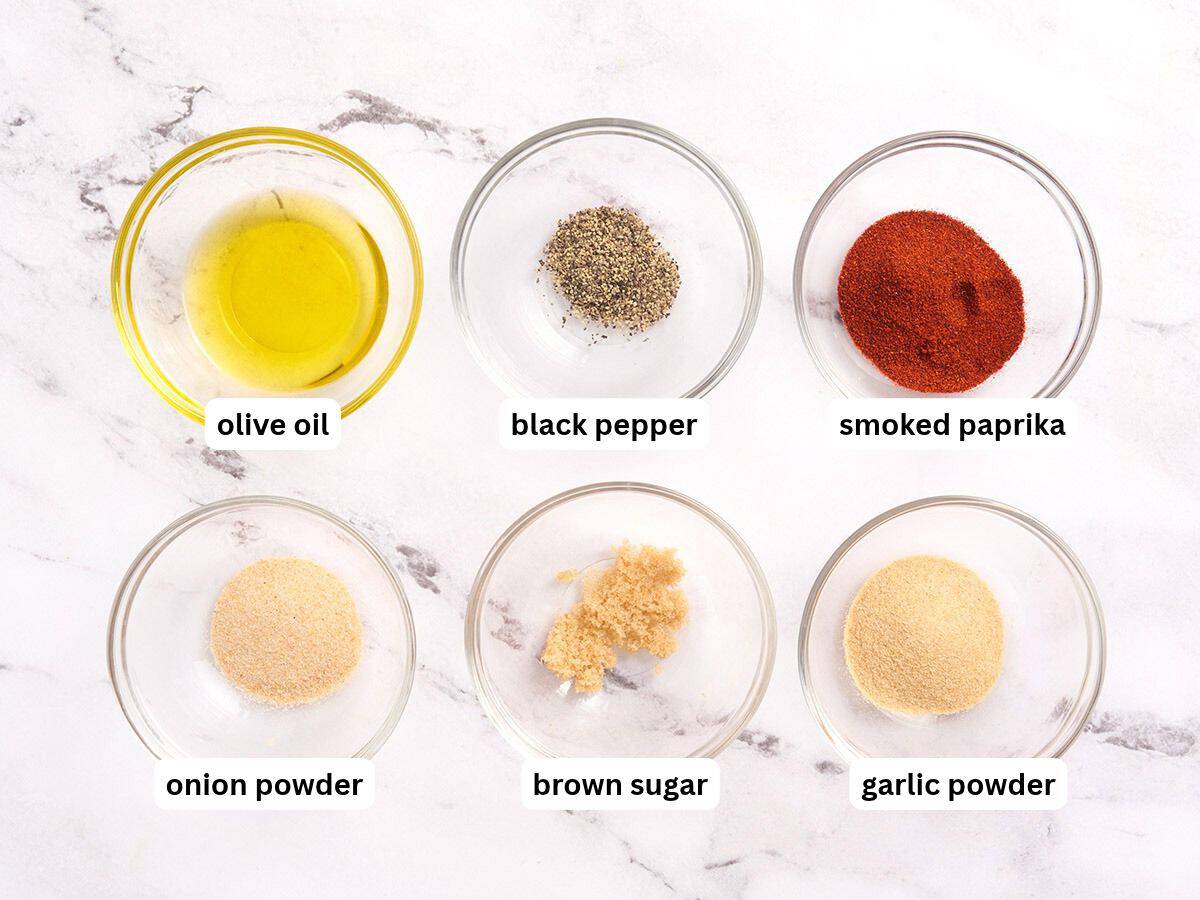
Gather the ingredients for the seasoning mix: You’ll need 2 tsp smoked paprika, 1½ tsp garlic powder, 1 tsp onion powder, ½ tsp freshly cracked black pepper, ½ tsp brown sugar, and 1 Tbsp olive oil.

Pound the chicken breasts: Place 4 boneless, skinless chicken breasts between sheets of plastic wrap or inside a large zip-top bag. Use the flat side of a meat mallet or a rolling pin to gently pound the thicker ends until each breast is an even ½-¾ inch thick throughout. I recommend working from the thickest part outward and using gentle, steady taps so you don’t tear the meat. The goal is an even thickness, not paper-thin chicken!

Prepare the brine: Add 8 cups (2 quarts) cold water, 2 Tbsp kosher salt, and 1 Tbsp granulated sugar (if using), and the flattened chicken breasts to a large bowl. Make sure they’re completely submerged in the liquid. You can also divide the chicken and brine between one or two gallon-size zip-top bags if that’s easier.

Brine the chicken: Cover the bowl (or seal the bags) and refrigerate for 30 minutes. This gives the salt time to work on the meat’s proteins, helping the chicken retain moisture as it cooks. Don’t let the chicken brine for longer than 45 minutes; otherwise, it might get a little mushy.
Preheat your oven to 425°F. In a small bowl, combine 2 tsp smoked paprika (or sweet paprika), 1½ tsp garlic powder, 1 tsp onion powder, ½ tsp freshly cracked black pepper, and ½ tsp brown sugar (if using). Stir until everything is evenly mixed and there are no clumps of brown sugar.

Dry and season the chicken: Remove the chicken from the brine and discard the liquid. Give the breasts a quick, gentle rinse under cold running water to remove excess brine from the surface, keeping the water pressure low to avoid splashing. Pat the chicken thoroughly dry with clean paper towels. You don’t want excess water sitting on the surface, as that can prevent the chicken from browning nicely.
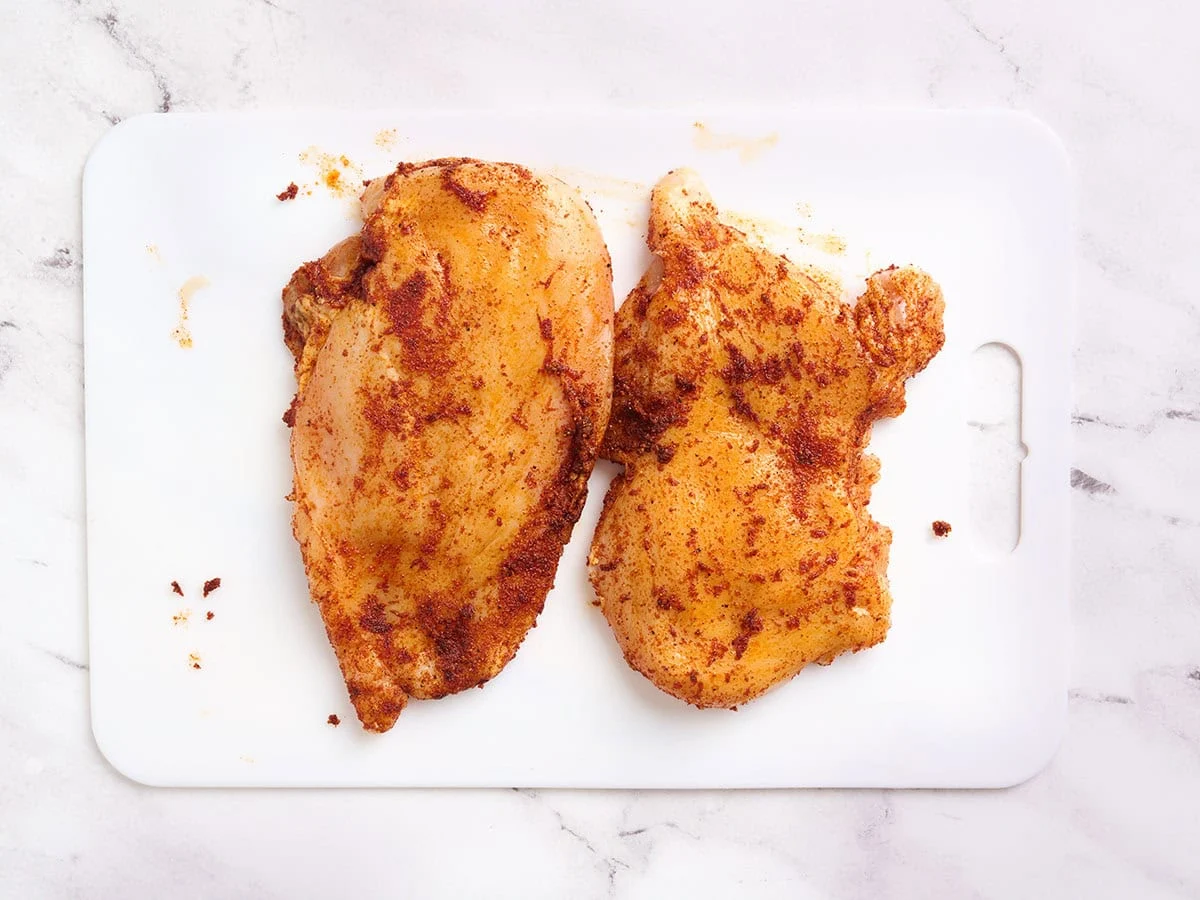
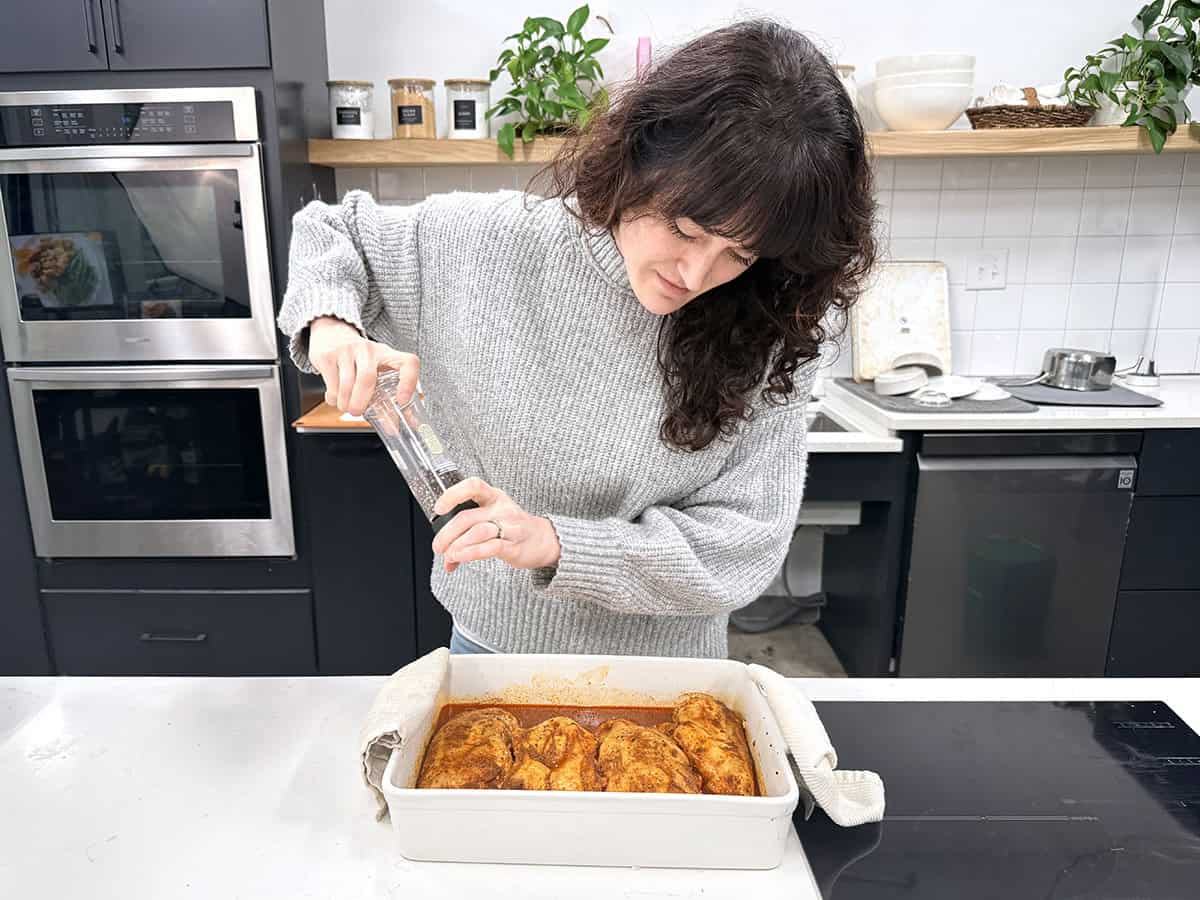
Drizzle with 1 Tbsp olive oil, then rub the spice mixture evenly over both sides of each breast. I like to season the edges, too, so there aren’t any bare patches.
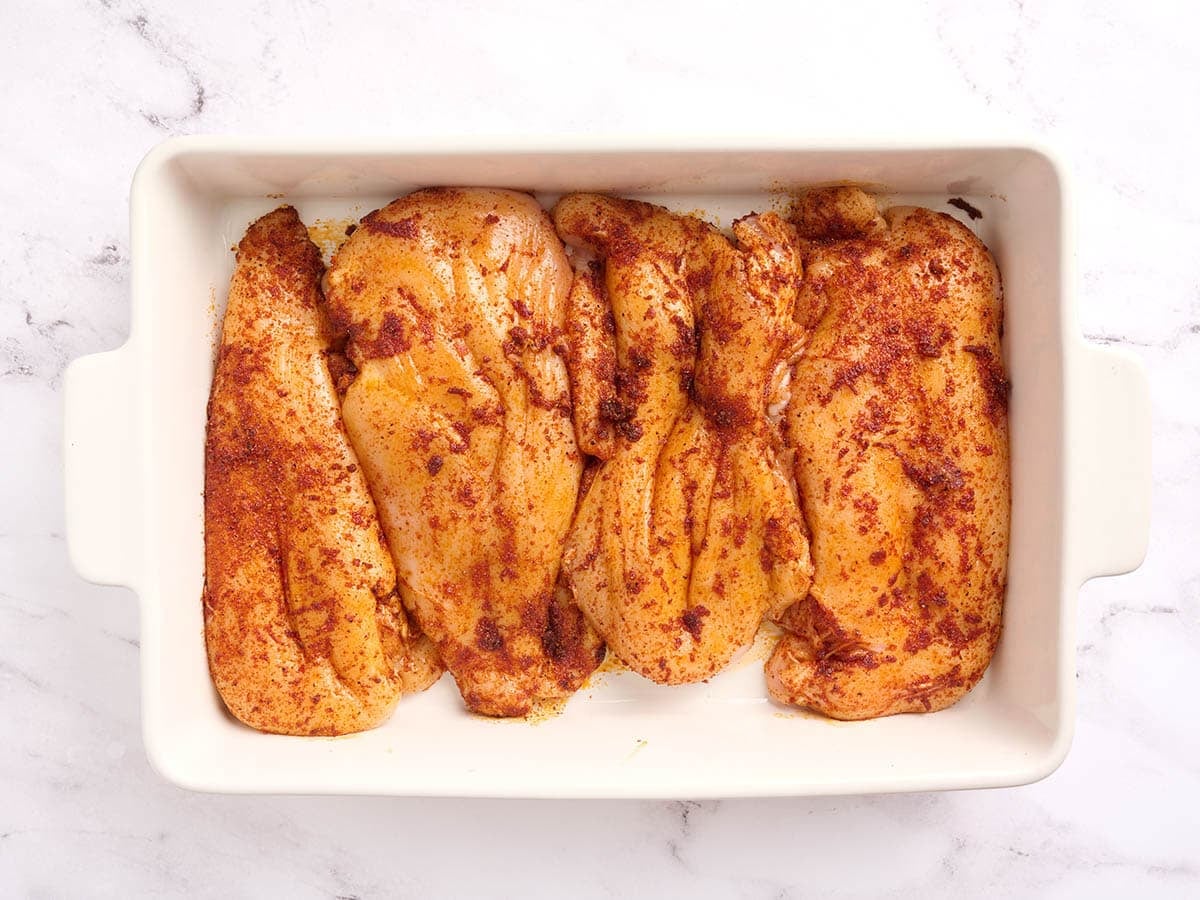
Bake the chicken breasts: Arrange the seasoned chicken in a single layer in a 9×13-inch baking dish or on a rimmed baking sheet. Bake uncovered at 425°F for approximately 18-20 minutes, or until it reaches 160-165°F in the thickest part. The outside should look lightly browned, with the paprika giving the chicken a deeper reddish-golden color. I recommend checking the temperature toward the earlier end of the cooking time, especially if your breasts are closer to ½ inch thick.
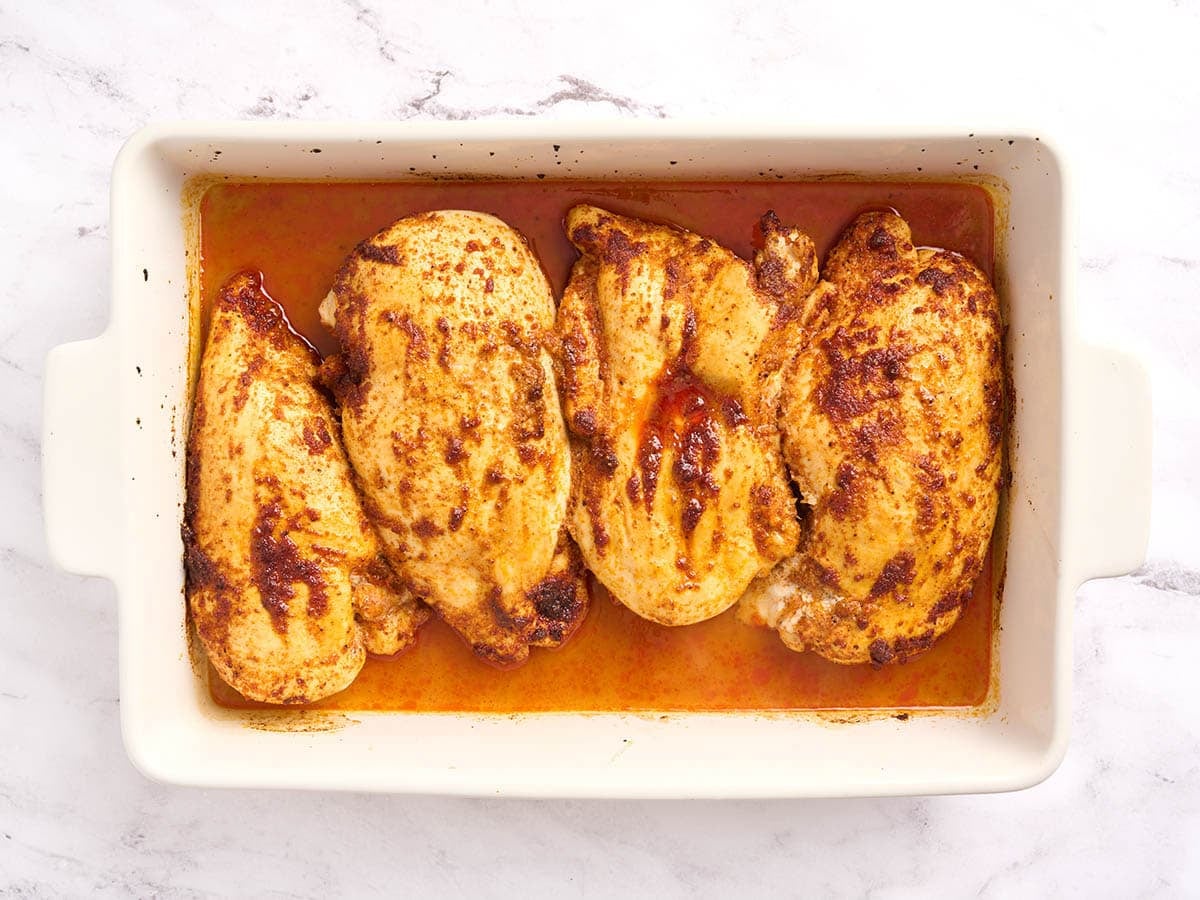
Rest, slice, and serve: Transfer the cooked chicken breasts to a clean cutting board or plate and loosely tent them with aluminum foil. Let them rest for 5-10 minutes before slicing. The residual heat will bring the internal temperature to 165°F while locking in the juices. The finished breasts should have a lightly browned, well-seasoned exterior and a tender, juicy interior. Slice against the grain and serve with your favorite sides, or let the chicken cool before storing it for meal prep. Enjoy!

One of my favorite things about this baked chicken breast recipe is how easy it is to change up the flavors! Here are a few ideas:
Let the chicken cool slightly, then transfer it to an airtight container with any collected cooking juices to help keep it moist. Refrigerate within 2 hours of cooking and store for up to 3-4 days.
My preferred method is to place the chicken in a baking dish with a splash of broth, cover it with foil, and warm it in a 350°F oven until heated through to 165°F. The broth and foil help prevent the chicken from drying out. You can also microwave individual portions with a splash of broth, covered, in short intervals. Chicken breast can become dry and rubbery if reheated repeatedly, so I recommend only warming what you plan to eat!
You can freeze the baked chicken whole or sliced, but I recommend keeping it whole for the best texture. Wrap it tightly and place it in a freezer-safe bag or container for up to 3 months. Thaw overnight in the refrigerator before reheating.
Our Baked Chicken Breast recipe was originally published 1/4/25. It was retested, reworked, and republished to be better than ever 10/14/26.
The post Baked Chicken Breast appeared first on Budget Bytes.
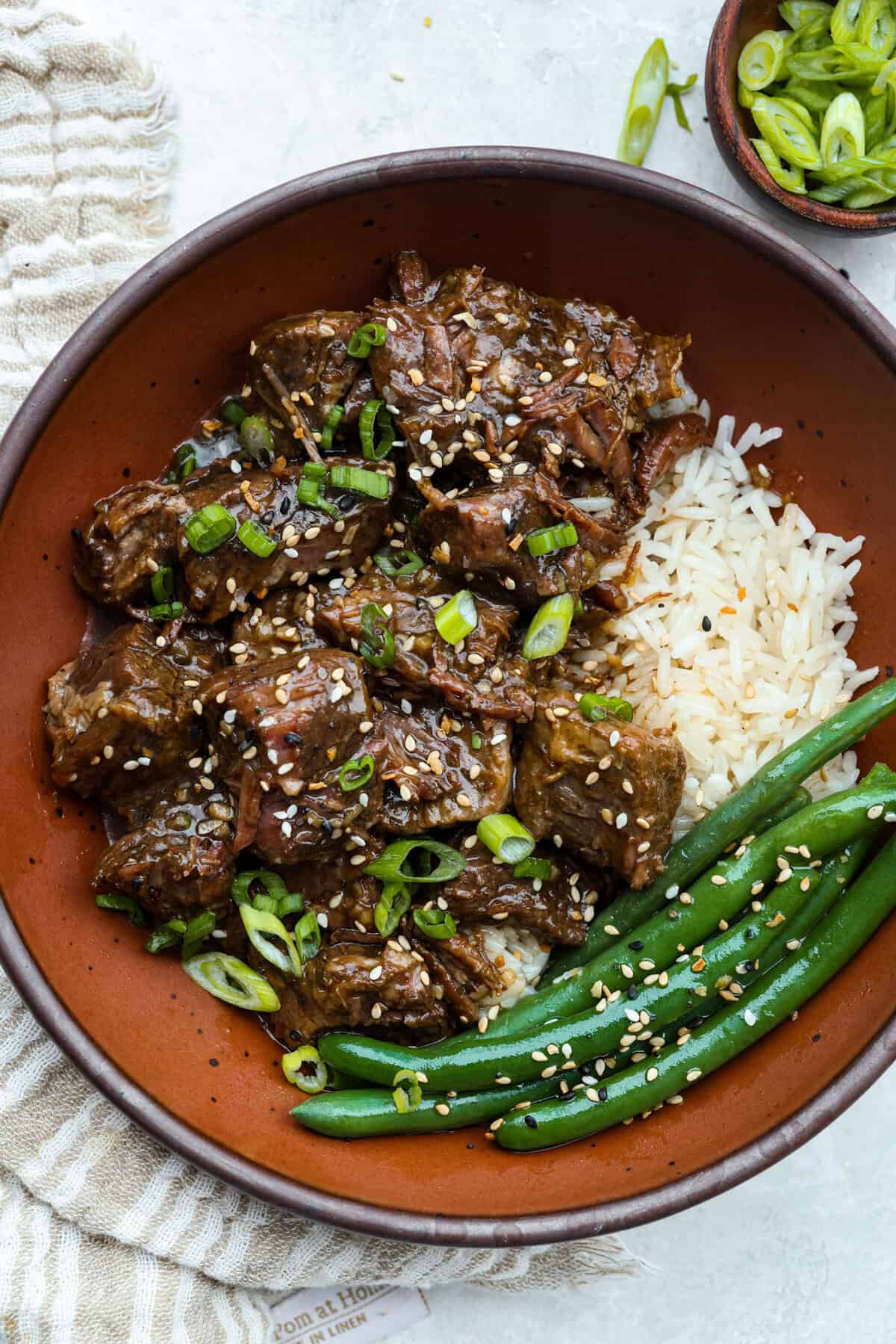
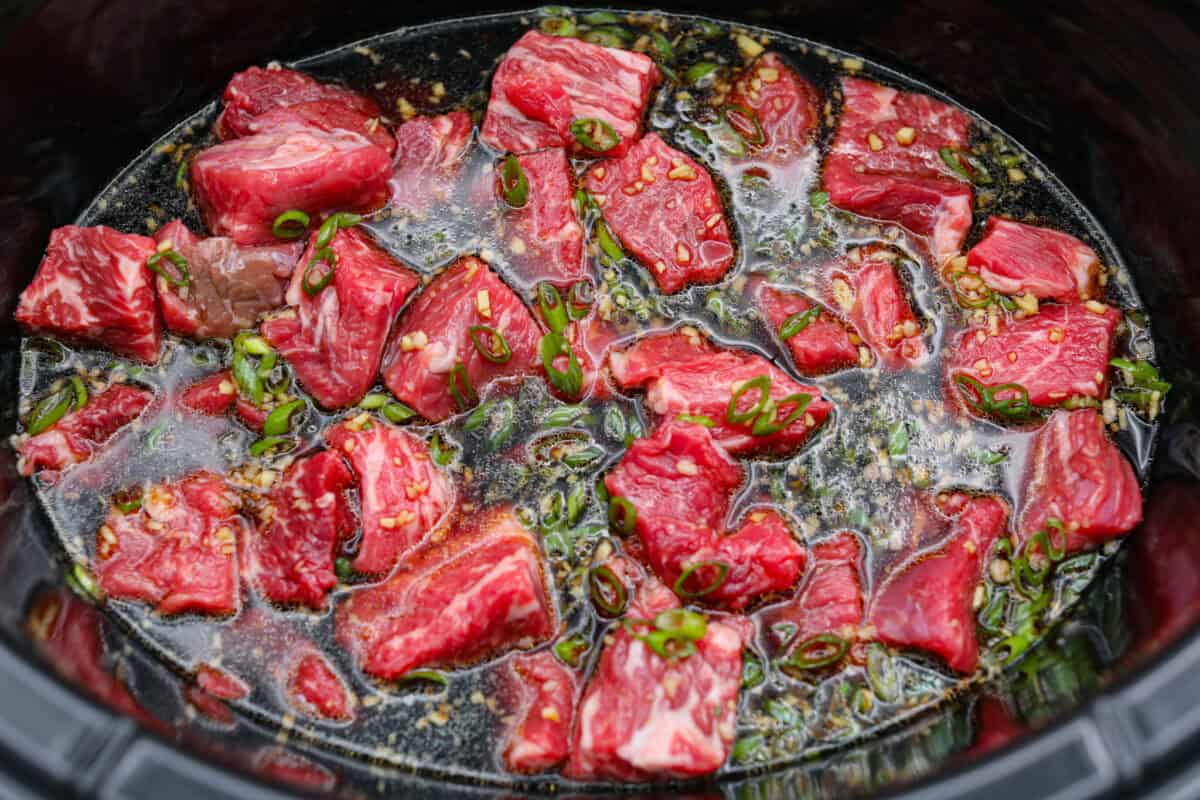
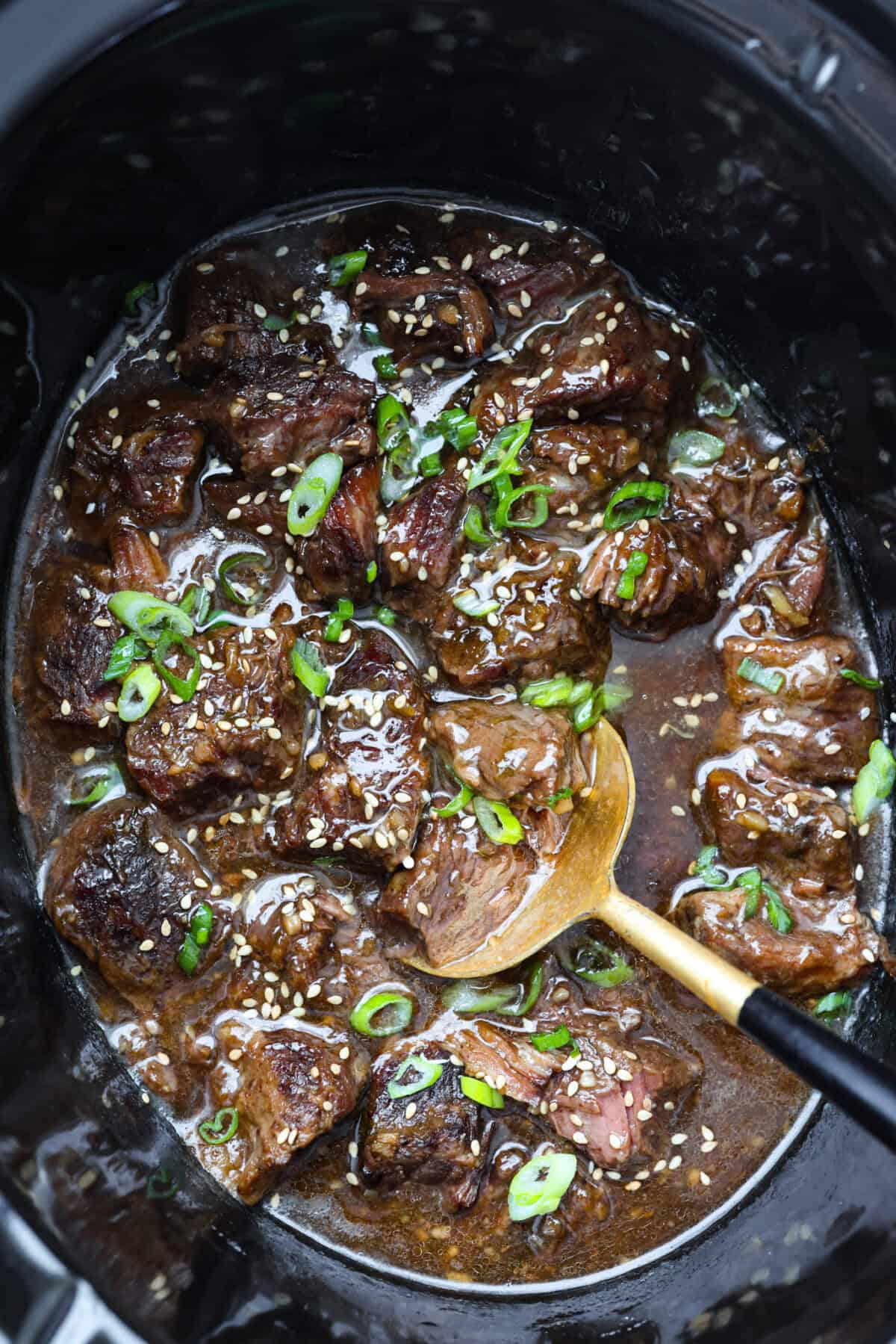
I love a good takeout-inspired dinner, especially when my slow cooker does most of the work! My slow cooker sesame ginger beef is packed with sweet and savory flavor, and the chuck roast cooks until it’s perfectly tender.
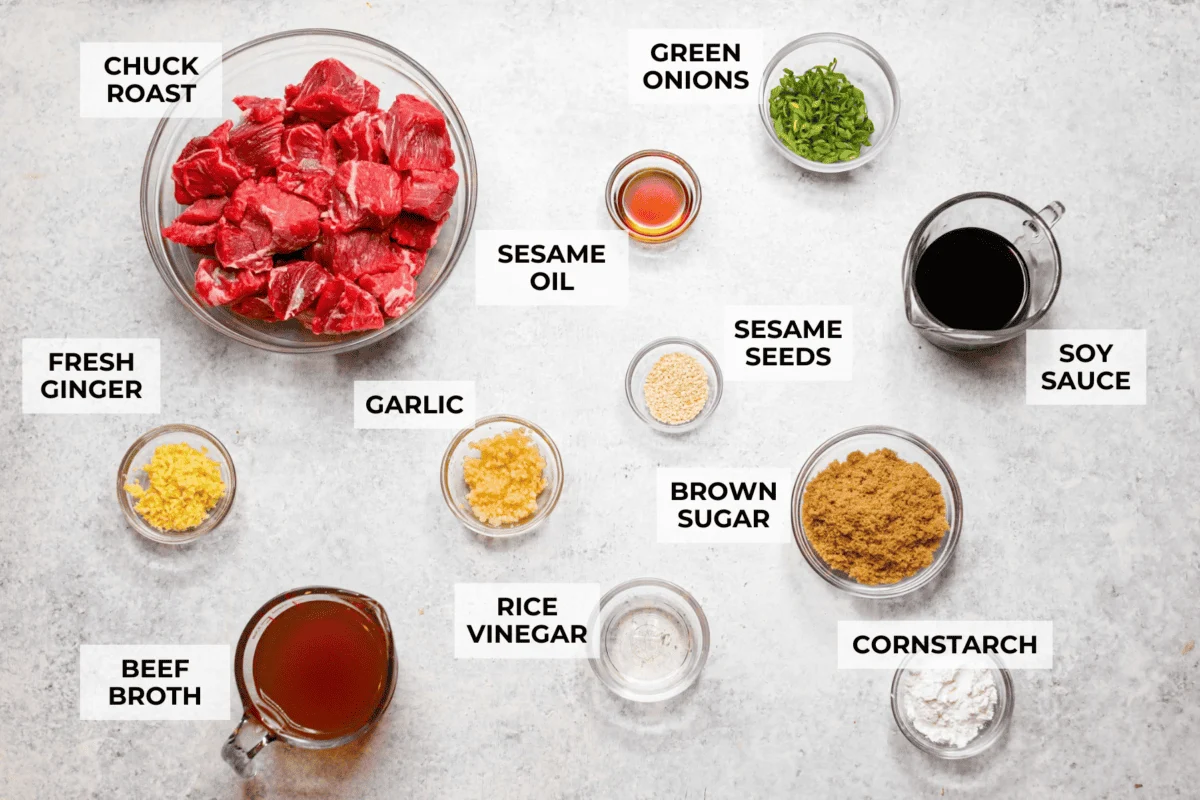
This sesame ginger beef is as easy as whisk, pour, and let the slow cooker do the rest! It’s a great option for busy days when you want dinner waiting for you. And if you love slow cooker meals with big flavor, be sure to try my slow cooker ramen and slow cooker Thai peanut chicken next.
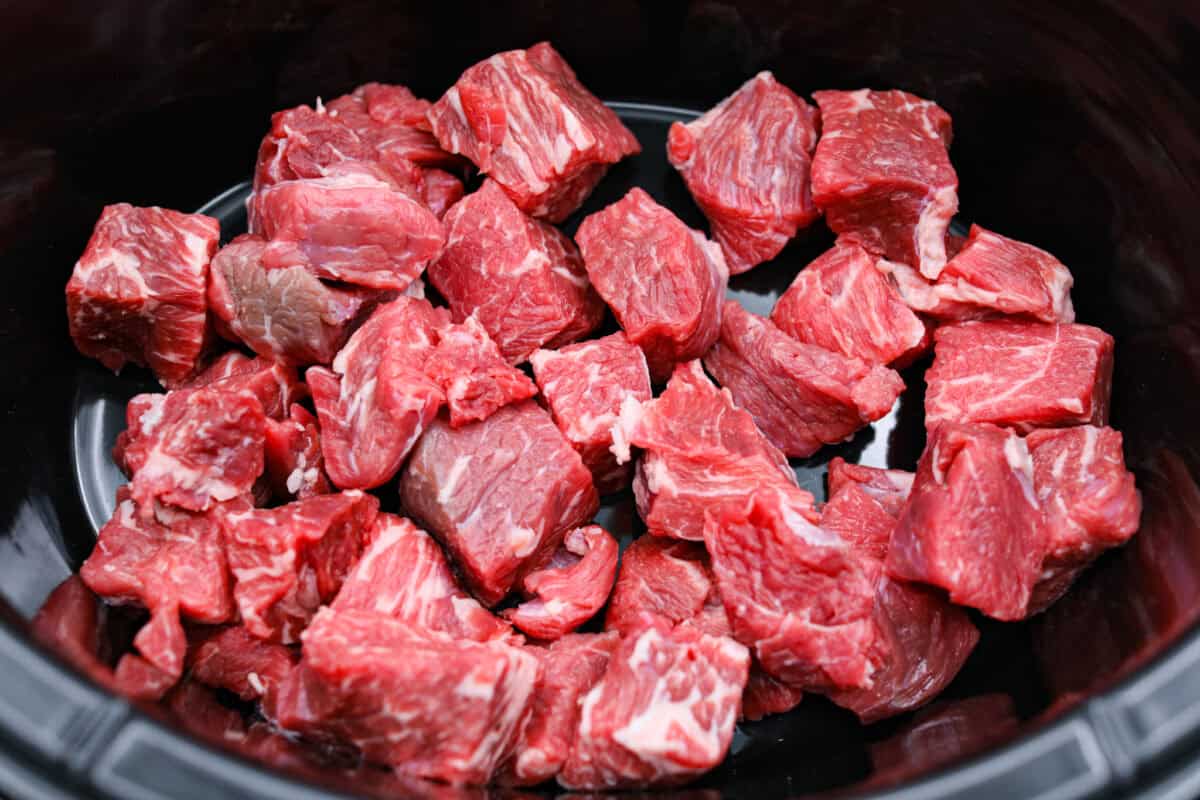
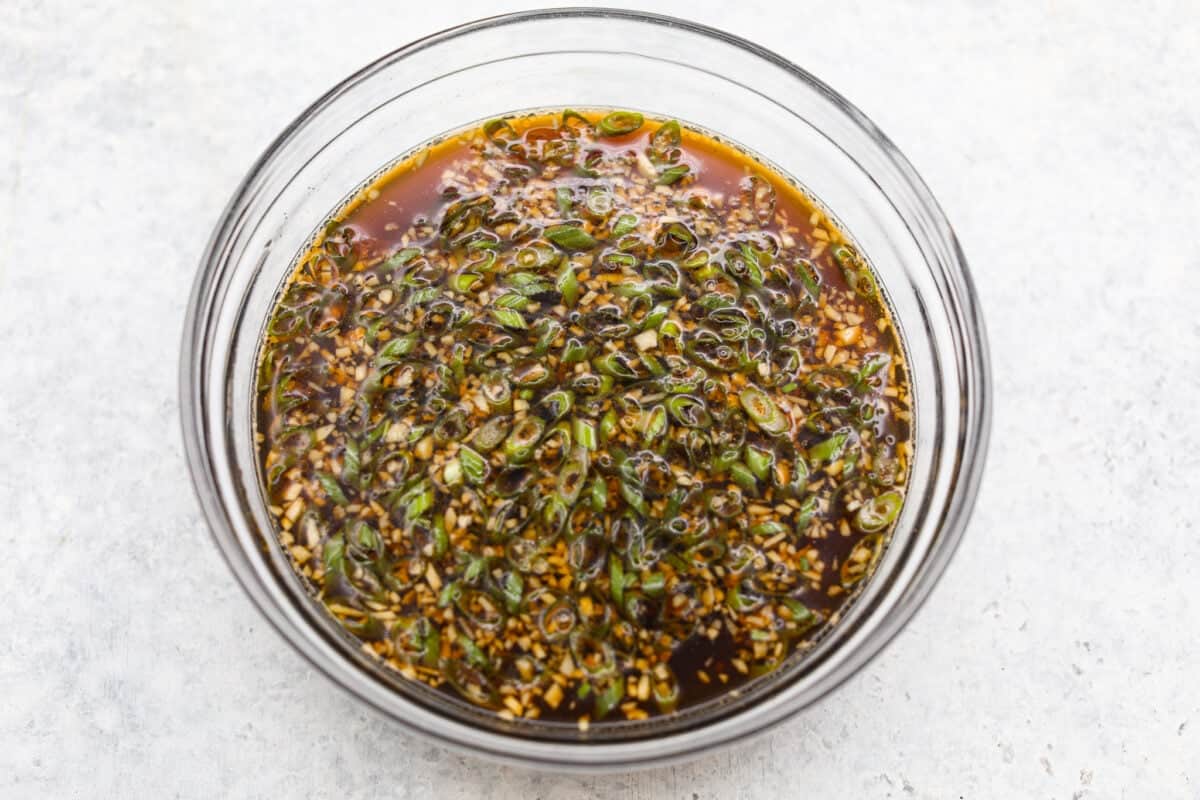

Want a thicker sauce? After adding the cornstarch slurry, turn the slow cooker to HIGH for the last 30–45 minutes. Leave the lid on until the sauce thickens. You can add a little more slurry if needed!


In the Caribbean, the best ports are the ones you’ve never heard of — until now
The Caribbean is a sensory feast: impossibly blue water, vibrant reefs teeming with life, landscapes that shift from lush rainforest to sun-bleached desert within a single island chain. But the real magic happens at the harbors themselves — the intimate coves and storied ports where the islands reveal their character up close.
This is where Windstar’s small ships have the advantage. Rather than crowding into the same mega-ports as the big cruise lines, our yachts slip into harbors too small, too shallow, or simply too special for larger vessels.
Before diving into these picturesque harbors, it’s worth noting that the Caribbean can be tricky to parse, since it’s made up of three main archipelagos (sometimes called the West Indies collectively):
Windstar itineraries may focus on just one region or mix and match across overlapping areas. And it’s important to note that most of Windstar’s best off-the-path yacht harbor ports are located in either the Greater Antilles or Lesser Antilles. These are places that transport travelers’ experiences beyond the usual big ship ports in the region.
Here’s a look at some of the most scenic harbors along Windstar’s Caribbean routes.
Anguilla:
Known for its pristine, sugar-white beaches and laid-back glamour, Anguilla offers the ultimate Caribbean retreat. It’s a destination reserved largely for small ship cruise lines, which anchor in the intimate Road Bay, its low-key harbor lined with beach shacks and cafés. Snorkeling at Little Bay offers calm, clear waters, and the beaches throughout the island are soft and pristine.
Here’s a tip: it’s no longer a secret that Anguilla is one of the Caribbean’s culinary magnets. This tiny island has roughly 100 restaurants, including acclaimed spots like Blanchards — now celebrating more than 30 years on the island and widely credited with kickstarting its culinary reputation — the newer L’Étoile at Manoah Boutique Hotel, and Celeste by Kerth Gumbs at the Malliouhana Resort. Just as central to Anguilla’s food-lover reputation are its casual beach shack eateries (Blanchard’s, in fact, operates a fine-dining restaurant and a casual spot side by side).
Planning tip: Anguilla is included on Windstar itineraries such as:
Antigua:
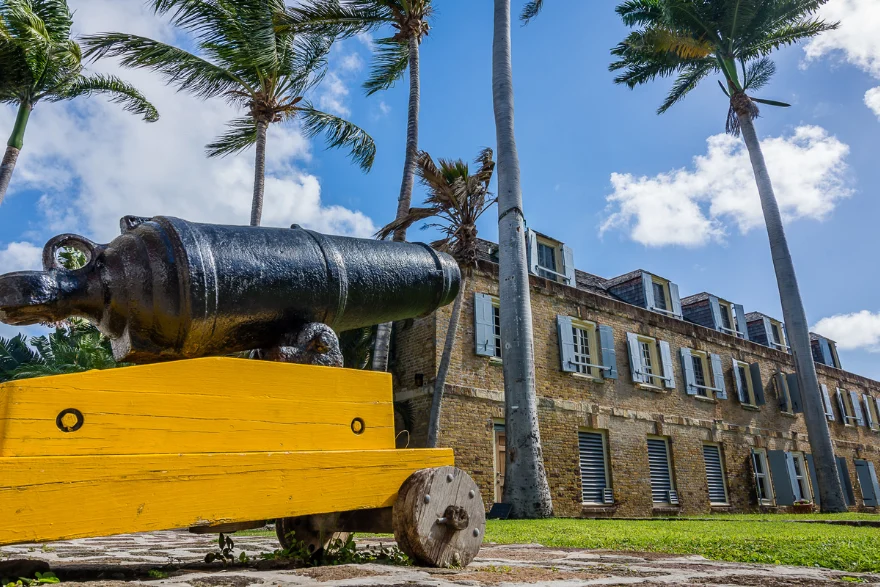
Antigua is a little more than 100 square miles — about the size of Shreveport, Louisiana — yet it boasts 365 beaches. Its coastline is exquisite, thanks to an abundance of coral that keeps the water clear.
St. John’s, Antigua’s capital, is the usual port for big-ship visitors, but Windstar anchors in Falmouth Harbour, a world away, alongside other yachts and sailing vessels. The tender dock is within walking distance of Nelson’s Dockyard, a charming Georgian-era village also known as Antigua Naval Dockyard and Related Archaeological Sites.
Another option on this more pastoral side of the island: Antigua’s Rainforest Canopy Zipline, with 13 ziplines and two suspension bridges. For a gourmet afternoon on the beach, take a short taxi ride to Catherine’s Café on Pigeon Point Beach. And because Windstar’s yachts anchor in the harbor itself, its marinas are often open for swimming, sunbathing, and water sports.
Planning tip: Antigua is a highlight of several Caribbean itineraries, including:
British Virgin Islands:
The British Virgin Islands of Tortola, Jost Van Dyke, and Virgin Gorda are a mainstay of Windstar’s intimate Caribbean voyages and are among the most laid-back places any small cruise ship visits.
Soper’s Hole, Tortola

Tortola is one of the only British Virgin Islands to accept larger cruise ships (at Road Town, its main city), but, as with Anguilla, Windstar docks instead at Soper’s Hole, a tiny harbor with a restaurant, a bar, and colorful West Indian buildings. This stop is a low-key jumping-off point for beach adventures at spots like Long Bay Beach or Smuggler’s Cove.
Prickly Pear Cay, Virgin Gorda
In Virgin Gorda’s North Sound, Prickly Pear Cay is an uninhabited national park island — and, on Windstar’s itineraries, typically the site of its famous beach barbecues. Travelers usually spend the morning exploring Virgin Gorda by shore excursion (unless spending the whole day at the beach, since there’s no independent transportation on the cay). The must-see experience is a trip to Virgin Gorda’s The Baths: massive granite boulders spread across Devil’s Bay on the island’s north shore, threaded by a series of steps and ropes that guide adventurers through grottos from beach to bay. It’s also an excellent spot for snorkeling.
As BVI Insider explains, these boulders — found along the shoreline from Devil’s Bay to Spring Bay — were formed by volcanic uplift. Roughly 45 million years ago, an intrusion of hot liquid magma (a batholith) pushed ancient seafloor sediments above sea level.
Jost Van Dyke
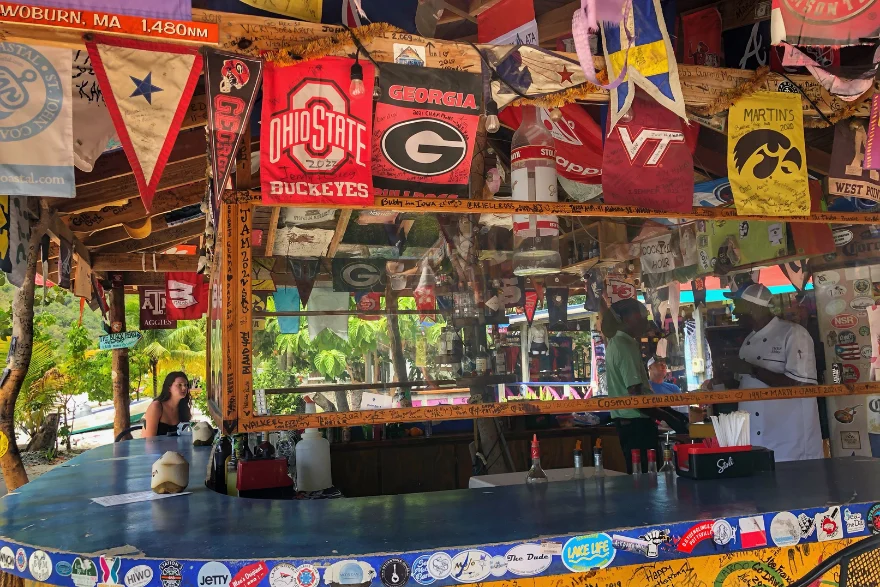
At just three-square miles, Jost Van Dyke is the smallest of the BVI’s main islands. For visitors, there are two main destinations. Great Harbour holds Jost’s small town — government offices, a church, and the famous Foxy’s Tamarind Bar. Foxy’s is far more than a beach bar; it’s set right on the sand, with a barbecue, hammocks, and live music.
On the other side of the hill is White Bay, entirely pleasure-oriented, lined with beach bars and cafés such as the Soggy Dollar Bar, birthplace of the beloved Painkiller cocktail.
Framing both waterfronts is a mountain ridge that tops out around 1,000 feet.
Because ships anchor in Great Harbour alongside sailboats and yachts, its marinas are often open to guests.
Planning tips: Numerous ports here find their way into Windstar’s itineraries. They include:
United States Virgin Islands: St. John

St. John, a far more intimate island than the USVI’s St. Thomas, offers smaller cruise ships an anchorage that’s more working harbor than postcard bay. Even so, views of the surrounding mountainous islands, an abundance of gorgeous beaches and bays, and a vibrant downtown known for distinctive eateries and boutiques make it a lovely — and rare — port of call for small ships.
Planning tip: Cruz Bay is a port of call on a handful of Windstar’s itineraries, such as:
St. Barts: Gustavia

Like every island in the Lesser Antilles, St. Barts (full name Saint-Barthélémy) has plenty of gorgeous bays and beaches, and it’s a great destination for snorkeling and diving. But that’s the least of this swanky, French-flavored isle’s appeal — it’s known just as much as the preeminent Caribbean playground for the rich and famous. Cruise travelers arrive by tender (only small ships are welcome, and all must anchor out in Gustavia Bay), and the main town of Gustavia is packed with pricey boutiques from Louis Vuitton, Prada, Cartier, and Hermès. Its restaurants — aside from the rather touristy Le Select — are equally elegant.
Gustavia is a destination in itself, but you’ll miss much of St. Bart’s charm if you don’t explore further. St. Jean Beach, near Eden Rock, is another wonderful spot for a day out, with tranquil seas alongside numerous boutiques and restaurants. For something more rustic, head to Saline Beach, home to a handful of salt ponds once used to harvest the mineral.
Planning tips: St. Bart’s appears on the following Caribbean itineraries:
St. Martin: Marigot

Of course you’ve heard of the Dutch St. Maarten, a major cruise and tourism destination, and one of Windstar’s own ports for embarking and debarking some voyages. What’s not as well known is that it shares an island with the French St. Martin (it’s been this way since the Treaty of Concordia in 1648). Travelers can bounce between the two quite easily (there’s no border control).
Only small ships can anchor, though, at St. Martin’s main city of Marigot and it, and the towns around it, offer a distinctly different experience than you’d get from St. Maarten’s bustling tourist attractions. First, St. Martin’s got a special culinary tradition, a blend of Creole and French, and dining here, from “lolos” (open-air BBQ shacks to award-winning seafront restaurants, is delightful.
Other highlights of a St. Martin experience include a trek up Fort Louis, an 18th century fortress, a day in Orient Bay, its best beach, and shopping for both duty-free and market finds in Marigot.
Planning tips: If the adjacent island of St. Maarten is the more common port for this two-nation island — particularly as an embarkation/debarkation stop — Marigot itself appears on a few itineraries, including:
Guadeloupe’s Les Saintes

Small ships skip Guadeloupe’s bustling capital of Pointe-à-Pitre. Instead, they anchor at Les Saintes, an archipelago serving Terre-de-Haut. Its picturesque bay is framed by red-roofed houses, volcanic mountains, and an old fort.
There’s otherwise little to see in this fishing village unless you head out on the water — kayaking, snorkeling, and sailing are the main draws, and Windstar’s marinas are often open here. One sightseeing exception: the Habitation Bellevue Distillery, which has made rum since 1821, offers self-guided tours and tastings; visit between February and April to watch its workers in action.
Planning tip: Guadeloupe appears on the following Windstar itineraries:
Bequia, Saint Vincent and the Grenadines: Port Elizabeth

St. Vincent and the Grenadines is an island nation, of which Bequia is one of the larger islands. The official language is English, and the main industry is agriculture, including the harvest of arrowroot — used as a gluten-free thickener.
Bequia — meaning “island of the cloud,” pronounced “beck-way” — is a seven-square-mile speck. Ships can only anchor in Admiralty Bay, since Bequia has no cruise ship pier and only smaller vessels can access the island. From there, you’ll tender into Port Elizabeth, the island’s walkable, low-key capital, full of local color and free of Caribbean crowds.
The star attractions are Bequia’s beaches, including Hope Beach on the island’s windward side — your reward for a lengthy taxi ride from Port Elizabeth and a mile-long hike down to the shore is a real sense of seclusion. Another option is Friendship Bay, a quiet spot on the opposite side of the island from Port Elizabeth; again, plan to bring your own refreshments. As with any unfamiliar beach, ask locals what swimming conditions and skill level are appropriate before taking the plunge.
Another option is Bar One, a floating watering hole in Admiralty Bay. After tendering to the jetty at Port Elizabeth, call ahead to request water taxi pickup (about 5–10 EC dollars). Phone: 1-784-530-8123.
Planning tip: Bequia is a stop on the following Windstar itineraries:
Care to share your own favorite yacht harbor in the Caribbean? Tell us all about it in our comments section.
The post Best Caribbean Harbors for Small Ship Cruises appeared first on Windstar Cruises Travel Blog.
For much of recorded military history, the through line between mission success and failure came down to the basics, including adequate latrine facilities to keep disease vectors at bay.
Despite massive technological shifts, that paradigm still holds, which is why the U.S. Army and Navy have teamed up to keep systems operational — even in the extreme cold of the Arctic.
As the Department of Defense eyes greater operability in the far north, these low temperatures can wreak havoc on equipment and machinery (and toilets), with ice becoming enemy No. 1.
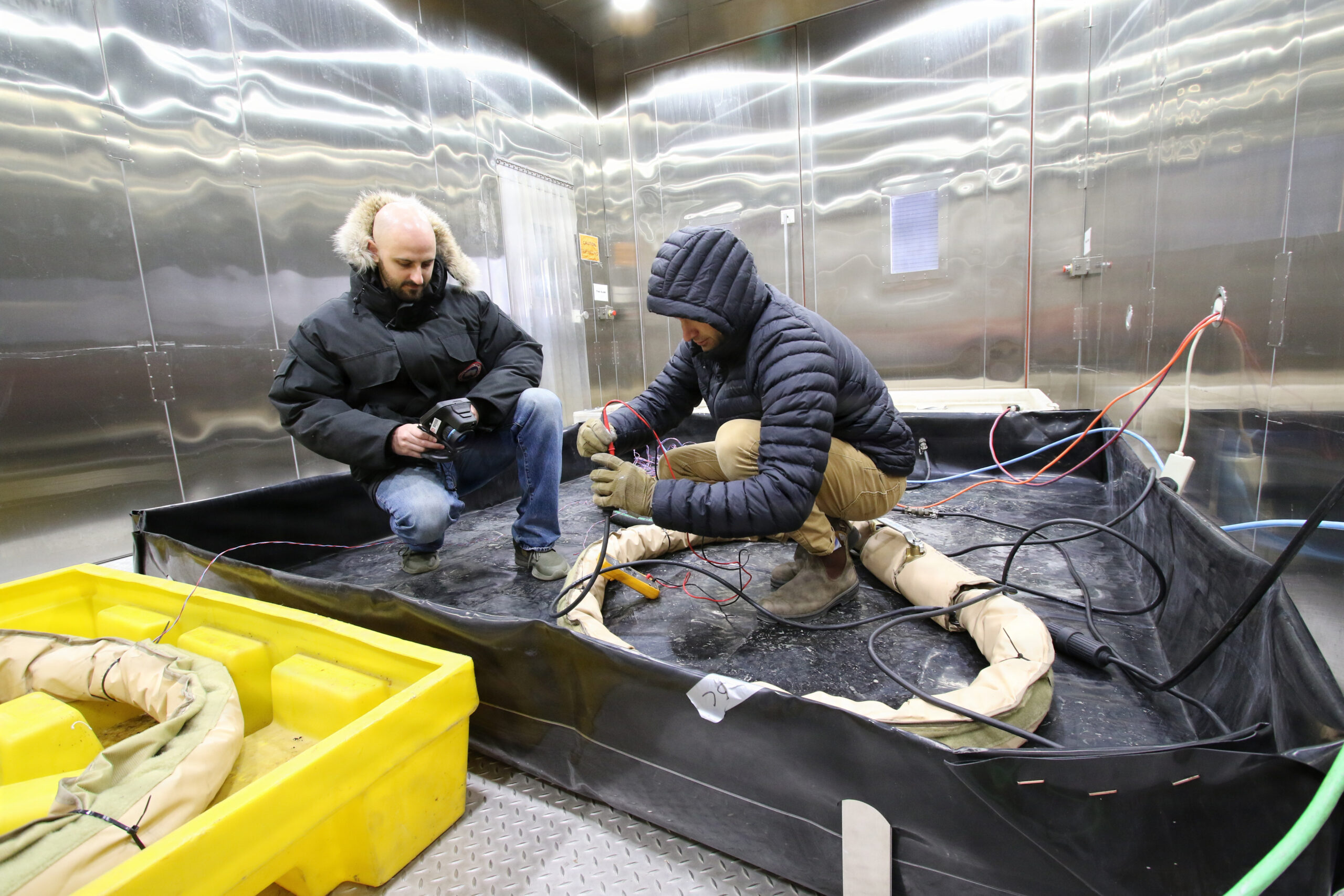
Which is why the Naval Facilities Engineering and Expeditionary Warfare Center, or NAVFAC EXWC, and the Cold Regions Research and Engineering Laboratory, or CRREL, began working with both branches to field a rapidly deployable Triple Container rigid-wall shelter system usable in temperatures as low as -50 degrees Fahrenheit.
The already fielded version can operate in temperatures as low as -15 degrees Fahrenheit. The team focused on different configurations of thermal wrappings, insulation and other components to ensure that parts of the kit’s components that are particularly vulnerable to cracking and freezing — hoses, valves, bladders and pumps — were able to withstand the greater threshold for cold, according to a recent Army release.
The result, per the release, far exceeded the objectives, with the TRICON-based system staying operational down to -65 degrees Fahrenheit.
Testing took place in CRREL’s New Hampshire-based Extreme Cold Chamber, a 288-square-foot cold room capable of reaching temperatures as low as -90 degrees Fahrenheit, per the release. While military units typically have to wait until the Alaskan winter reaches its peak to simulate similar conditions, the controlled environment allowed the research team to create conditions similar to those of the real world.
“Our armed forces live and operate in extremely cold and difficult conditions, so having these facilities operational is important for their physical and mental health while serving in the Arctic and other high-north environments,” said Dr. Dan Tague, a research chemist at CRREL, one of seven U.S. Army Engineer Research and Development Center laboratories.
In 2024, the DoD released its “Arctic Strategy,” citing “Major geopolitical changes are driving the need for this new strategic approach to the Arctic, including Russia’s full-scale invasion of Ukraine, the accession of Finland and Sweden to the NATO Alliance, increasing collaboration between the People’s Republic of China (PRC) and Russia, and the accelerating impacts of climate change.”
The region, according to the report, had become “a venue for strategic competition,” and a space where the United States intends to build a more persistent presence.
The latest successes with TRICORN-based systems provide, beyond the obvious comforts for personnel stationed in the Arctic — Toilets! Laundry! Showers! — an expanded operational footprint for the U.S. military as a whole, according to James Pilkington, a project manager in NAVFAC EXWC Expeditionary Technical Department.
“This extends the operational range of base camps in terms of geographic locations and durations,” said Pilkington. “In turn [it] extend[s] force posture.”
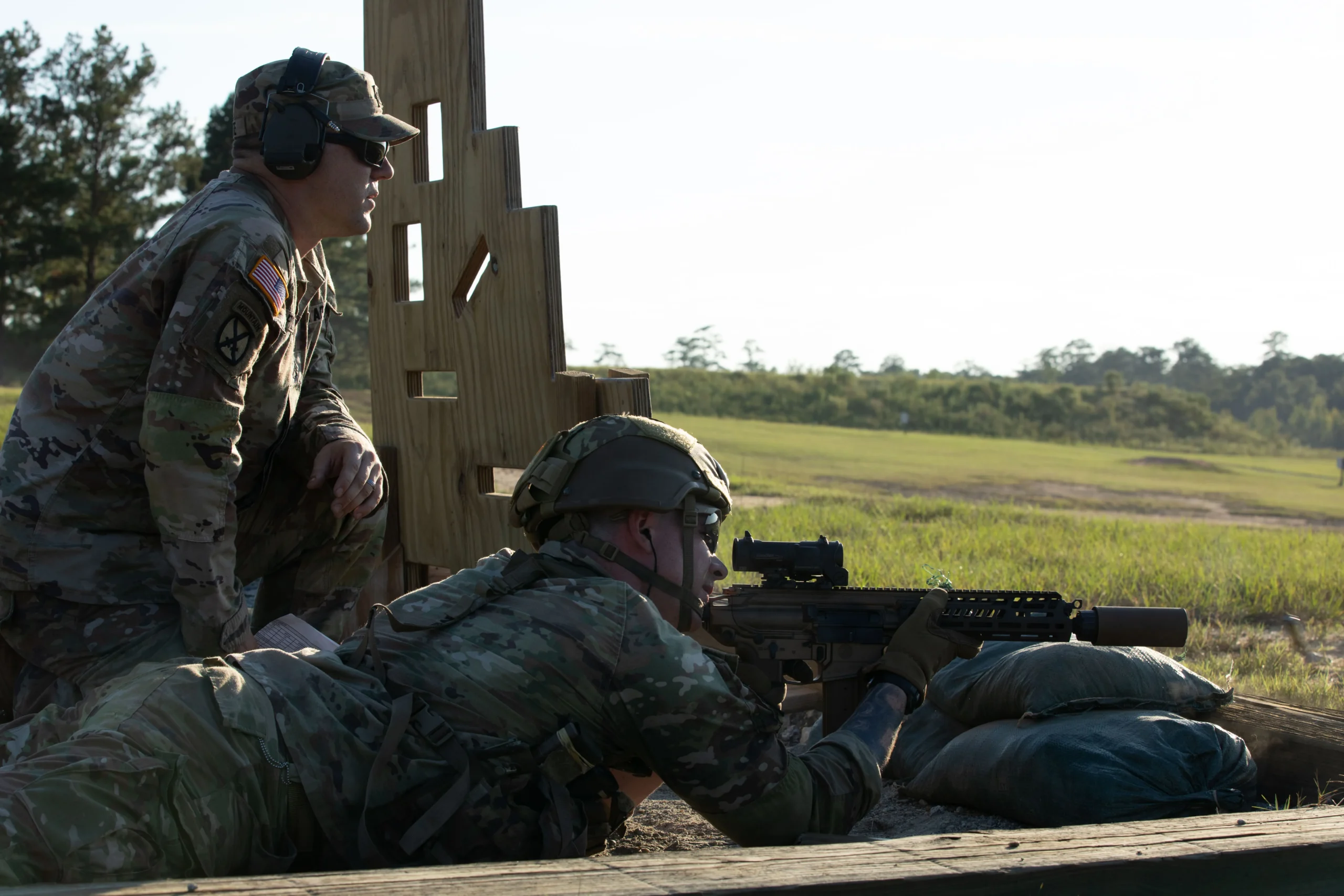
In 2017, gun maker Sig Sauer landed a five-year, $48 million contract with U.S. Special Operations Command to upgrade operators’ M4A1 carbines with integrally suppressed upper receivers, an aggressive move toward a future warfighting concept that some have called the “stealth infantry.”
The idea: to radically reduce the sound signature of friendly troops by suppressing every weapon on a battlefield.
The contract also plunged the company into engagement with an emerging area of concern: the health dangers of toxic gases and particles blasted back into the shooter’s face when firing a suppressed weapon.
While the full extent of the risks is still being understood, SOCOM made it clear to Sig at the time of the contract that it wanted to cut down on toxicity, setting a standard that seemed unreachable.
“The requirement at the time was that they wanted a suppressed upper receiver group that produced less toxicity than an unsuppressed M4,” Josh Shoemaker, product manager for defense systems at Sig, told Military Times. “At the time the industry was all like, ‘That’s not physically possible.’ It was really a set of requirements that was defying everybody’s understanding of suppressors.”
In the years that followed, Sig would come under fire multiple times for tests that showed various suppressed weapons had too much toxic blowback. But through lengthy development and the introduction of advanced manufacturing, Shoemaker said, the company reached the ability to reduce 70% of toxic gas blowback in a suppressor.
But there’s a tradeoff, he added. Suppressors can excel at reducing noise, flash or blowback, but not all three at once. One solution the company is now proposing would offer specialized suppressors that maximize blowback reduction for training and signature masking for combat.
The idea, Shoemaker said, is that troops are most at risk from toxic gas exposure when shooting in enclosed spaces and over long periods in the same area, both of which are more likely to happen in training. On top of that, he said, training accounts for the vast majority of the rounds a soldier will ever fire.
“The Army already has this principle where they have training ammunition and go-to-war ammunition. When they go to war, they’re using a different projectile and different ammunition than they are when they’re training,” Shoemaker said. “They do this with their body armor, with their uniforms — their uniforms, when they’re training, are not all flame retardant. … Why wouldn’t we do that same thing with the suppressors?”
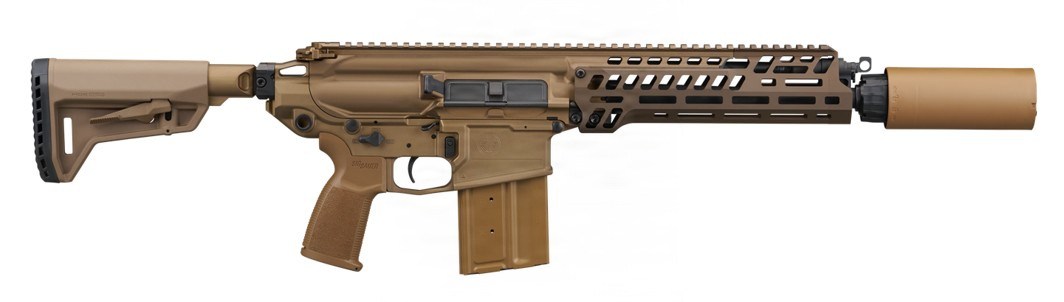
Early in its 10-year production contract to design the Army’s next rifle and light machine gun — a program known as Next Generation Squad Weapon — military testing officials cited concerns about how much toxic back-blast the suppressed weapons were producing. The result was a delay that pushed fielding from late 2023 into 2024.
And these problems continued to be reported as recently as last year. The Pentagon’s weapons testing branch noted in its Fiscal Year 2025 annual report that soldiers in an operational assessment “reported negative physiological effects caused by the noxious off-gassing from their weapons, as well as concerns about the extreme heat from the weapons’ suppressors after firing.”
Shoemaker said that some of this feedback was expected when comparing the previous standard rifle, an unsuppressed M4, to the new M7, which has a larger round and a more powerful discharge. But he added that the company was listening to soldiers and “actively working” to address concerns.
“Toxic fumes [are] still a very new thing, right?” Shoemaker said. “When you have a very narrow audience that you’ve been providing these products to for years, you don’t get the same feedback that you do when you’re providing to a much wider audience.”
Behind the scenes, according to Shoemaker, Sig has been close to the forefront of fume-reduction technology. The company uses a 3D printing process called Direct Metal Laser Sintering, or DMLS, to build “complex labyrinths” into their SLX and SLH suppressors designed for fume reduction.
Previously, suppressors were made with machined baffles that were welded together, one by one.
“There would have been no way to get a tool in here to cut any of these paths or direct any of that gas,” Shoemaker said of the new suppressors. “It was game-changing for the entire suppressor industry because it unlocked all of these abilities to … make these complex geometries.”
In service of developing reduced-toxicity suppressors for the Army and later the Navy, Sig acquired two specialized testing environments: the Crane box, invented at Naval Surface Warfare Center-Crane Division, Ind., to precisely measure released carbon dioxide as weapons fire in a confined space; and the Military Operations in Urban Terrain (MOUT) chamber, which now measures precise particulate amounts and concentrations of four gases: carbon monoxide, carbon dioxide, ammonia and hydrogen cyanide. Sig is the only non-military entity to possess the chambers.
While Shoemaker said the company is still seeking to make incremental improvements to the blowback reduction capabilities of existing suppressors — from, say, the current 70% reduction maximum to 75% — he also said the DMLS technology would make it easy to deliver a variety of suppressors specialized to maximize reduction of either sound, flash or fumes based on use case.
The Army has yet to ask for a mix of training suppressors and combat suppressors. But Shoemaker indicated it may emerge as a solution for a service that wants to have it all in terms of sound, flash and toxic gas reduction, and can’t practically have it all in one can.
If so, the company will be ready.
“With DMLS, [engineers] can make a new design, and we can have it and shoot it three days later,” he said.
This post was originally published on this site.
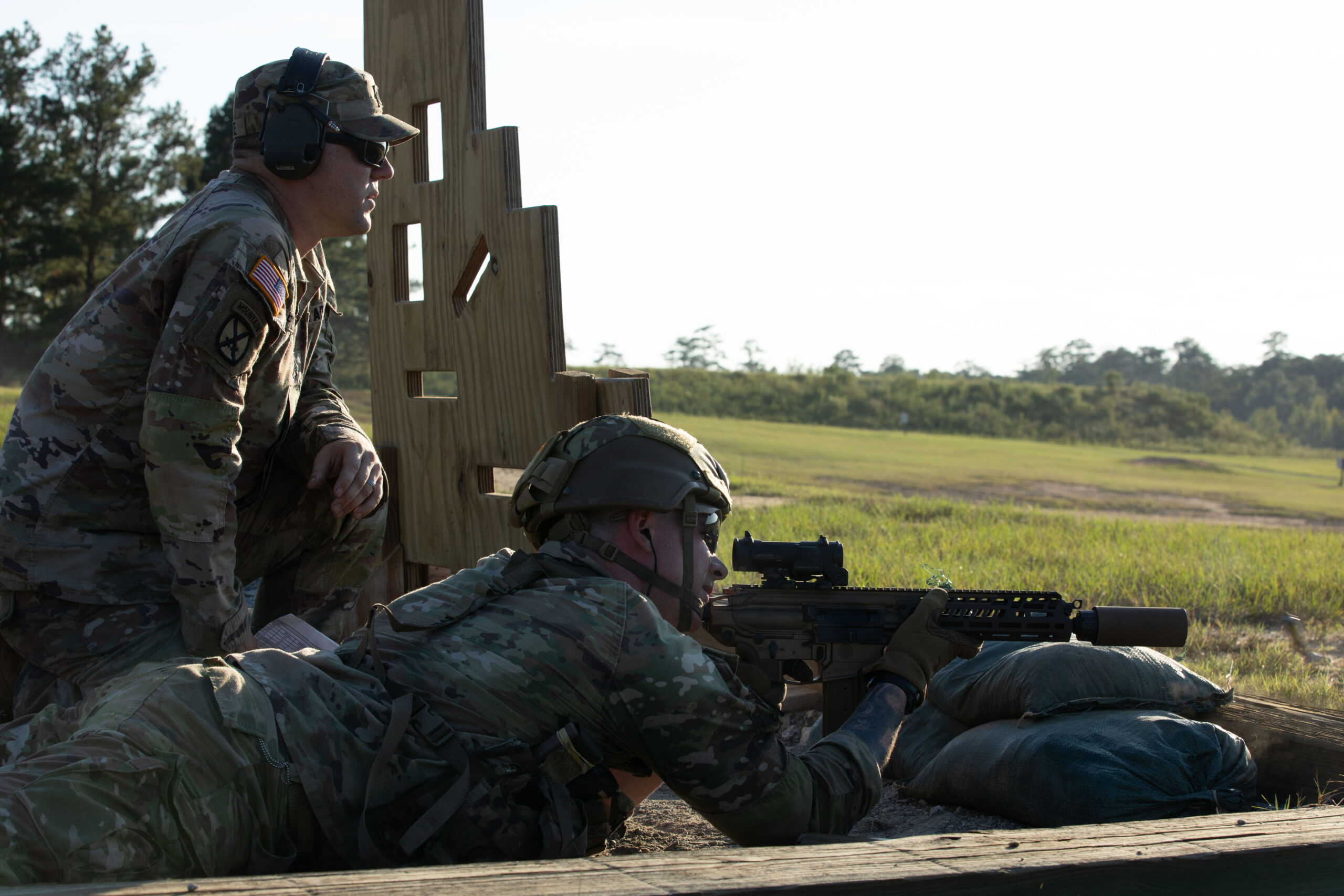
In 2017, gun maker Sig Sauer landed a five-year, $48 million contract with U.S. Special Operations Command to upgrade operators’ M4A1 carbines with integrally suppressed upper receivers, an aggressive move toward a future warfighting concept that some have called the “stealth infantry.”
The idea: to radically reduce the sound signature of friendly troops by suppressing every weapon on a battlefield.
The contract also plunged the company into engagement with an emerging area of concern: the health dangers of toxic gases and particles blasted back into the shooter’s face when firing a suppressed weapon.
While the full extent of the risks is still being understood, SOCOM made it clear to Sig at the time of the contract that it wanted to cut down on toxicity, setting a standard that seemed unreachable.
“The requirement at the time was that they wanted a suppressed upper receiver group that produced less toxicity than an unsuppressed M4,” Josh Shoemaker, product manager for defense systems at Sig, told Military Times. “At the time the industry was all like, ‘That’s not physically possible.’ It was really a set of requirements that was defying everybody’s understanding of suppressors.”
In the years that followed, Sig would come under fire multiple times for tests that showed various suppressed weapons had too much toxic blowback. But through lengthy development and the introduction of advanced manufacturing, Shoemaker said, the company reached the ability to reduce 70% of toxic gas blowback in a suppressor.
But there’s a tradeoff, he added. Suppressors can excel at reducing noise, flash or blowback, but not all three at once. One solution the company is now proposing would offer specialized suppressors that maximize blowback reduction for training and signature masking for combat.
The idea, Shoemaker said, is that troops are most at risk from toxic gas exposure when shooting in enclosed spaces and over long periods in the same area, both of which are more likely to happen in training. On top of that, he said, training accounts for the vast majority of the rounds a soldier will ever fire.
“The Army already has this principle where they have training ammunition and go-to-war ammunition. When they go to war, they’re using a different projectile and different ammunition than they are when they’re training,” Shoemaker said. “They do this with their body armor, with their uniforms — their uniforms, when they’re training, are not all flame retardant. … Why wouldn’t we do that same thing with the suppressors?”

Early in its 10-year production contract to design the Army’s next rifle and light machine gun — a program known as Next Generation Squad Weapon — military testing officials cited concerns about how much toxic back-blast the suppressed weapons were producing. The result was a delay that pushed fielding from late 2023 into 2024.
And these problems continued to be reported as recently as last year. The Pentagon’s weapons testing branch noted in its Fiscal Year 2025 annual report that soldiers in an operational assessment “reported negative physiological effects caused by the noxious off-gassing from their weapons, as well as concerns about the extreme heat from the weapons’ suppressors after firing.”
Shoemaker said that some of this feedback was expected when comparing the previous standard rifle, an unsuppressed M4, to the new M7, which has a larger round and a more powerful discharge. But he added that the company was listening to soldiers and “actively working” to address concerns.
“Toxic fumes [are] still a very new thing, right?” Shoemaker said. “When you have a very narrow audience that you’ve been providing these products to for years, you don’t get the same feedback that you do when you’re providing to a much wider audience.”
Behind the scenes, according to Shoemaker, Sig has been close to the forefront of fume-reduction technology. The company uses a 3D printing process called Direct Metal Laser Sintering, or DMLS, to build “complex labyrinths” into their SLX and SLH suppressors designed for fume reduction.
Previously, suppressors were made with machined baffles that were welded together, one by one.
“There would have been no way to get a tool in here to cut any of these paths or direct any of that gas,” Shoemaker said of the new suppressors. “It was game-changing for the entire suppressor industry because it unlocked all of these abilities to … make these complex geometries.”
In service of developing reduced-toxicity suppressors for the Army and later the Navy, Sig acquired two specialized testing environments: the Crane box, invented at Naval Surface Warfare Center-Crane Division, Ind., to precisely measure released carbon dioxide as weapons fire in a confined space; and the Military Operations in Urban Terrain (MOUT) chamber, which now measures precise particulate amounts and concentrations of four gases: carbon monoxide, carbon dioxide, ammonia and hydrogen cyanide. Sig is the only non-military entity to possess the chambers.
While Shoemaker said the company is still seeking to make incremental improvements to the blowback reduction capabilities of existing suppressors — from, say, the current 70% reduction maximum to 75% — he also said the DMLS technology would make it easy to deliver a variety of suppressors specialized to maximize reduction of either sound, flash or fumes based on use case.
The Army has yet to ask for a mix of training suppressors and combat suppressors. But Shoemaker indicated it may emerge as a solution for a service that wants to have it all in terms of sound, flash and toxic gas reduction, and can’t practically have it all in one can.
If so, the company will be ready.
“With DMLS, [engineers] can make a new design, and we can have it and shoot it three days later,” he said.
In 2017, gun maker Sig Sauer landed a five-year, $48 million contract with U.S. Special Operations Command to upgrade operators’ M4A1 carbines with integrally suppressed upper receivers, an aggressive move toward a future warfighting concept that some have called the “stealth infantry.”
The idea: to radically reduce the sound signature of friendly troops by suppressing every weapon on a battlefield.
The contract also plunged the company into engagement with an emerging area of concern: the health dangers of toxic gases and particles blasted back into the shooter’s face when firing a suppressed weapon.
While the full extent of the risks is still being understood, SOCOM made it clear to Sig at the time of the contract that it wanted to cut down on toxicity, setting a standard that seemed unreachable.
“The requirement at the time was that they wanted a suppressed upper receiver group that produced less toxicity than an unsuppressed M4,” Josh Shoemaker, product manager for defense systems at Sig, told Military Times. “At the time the industry was all like, ‘That’s not physically possible.’ It was really a set of requirements that was defying everybody’s understanding of suppressors.”
In the years that followed, Sig would come under fire multiple times for tests that showed various suppressed weapons had too much toxic blowback. But through lengthy development and the introduction of advanced manufacturing, Shoemaker said, the company reached the ability to reduce 70% of toxic gas blowback in a suppressor.
But there’s a tradeoff, he added. Suppressors can excel at reducing noise, flash or blowback, but not all three at once. One solution the company is now proposing would offer specialized suppressors that maximize blowback reduction for training and signature masking for combat.
The idea, Shoemaker said, is that troops are most at risk from toxic gas exposure when shooting in enclosed spaces and over long periods in the same area, both of which are more likely to happen in training. On top of that, he said, training accounts for the vast majority of the rounds a soldier will ever fire.
“The Army already has this principle where they have training ammunition and go-to-war ammunition. When they go to war, they’re using a different projectile and different ammunition than they are when they’re training,” Shoemaker said. “They do this with their body armor, with their uniforms — their uniforms, when they’re training, are not all flame retardant. … Why wouldn’t we do that same thing with the suppressors?”
Early in its 10-year production contract to design the Army’s next rifle and light machine gun — a program known as Next Generation Squad Weapon — military testing officials cited concerns about how much toxic back-blast the suppressed weapons were producing. The result was a delay that pushed fielding from late 2023 into 2024.
And these problems continued to be reported as recently as last year. The Pentagon’s weapons testing branch noted in its Fiscal Year 2025 annual report that soldiers in an operational assessment “reported negative physiological effects caused by the noxious off-gassing from their weapons, as well as concerns about the extreme heat from the weapons’ suppressors after firing.”
Shoemaker said that some of this feedback was expected when comparing the previous standard rifle, an unsuppressed M4, to the new M7, which has a larger round and a more powerful discharge. But he added that the company was listening to soldiers and “actively working” to address concerns.
“Toxic fumes [are] still a very new thing, right?” Shoemaker said. “When you have a very narrow audience that you’ve been providing these products to for years, you don’t get the same feedback that you do when you’re providing to a much wider audience.”
Behind the scenes, according to Shoemaker, Sig has been close to the forefront of fume-reduction technology. The company uses a 3D printing process called Direct Metal Laser Sintering, or DMLS, to build “complex labyrinths” into their SLX and SLH suppressors designed for fume reduction.
Previously, suppressors were made with machined baffles that were welded together, one by one.
“There would have been no way to get a tool in here to cut any of these paths or direct any of that gas,” Shoemaker said of the new suppressors. “It was game-changing for the entire suppressor industry because it unlocked all of these abilities to … make these complex geometries.”
In service of developing reduced-toxicity suppressors for the Army and later the Navy, Sig acquired two specialized testing environments: the Crane box, invented at Naval Surface Warfare Center-Crane Division, Ind., to precisely measure released carbon dioxide as weapons fire in a confined space; and the Military Operations in Urban Terrain (MOUT) chamber, which now measures precise particulate amounts and concentrations of four gases: carbon monoxide, carbon dioxide, ammonia and hydrogen cyanide. Sig is the only non-military entity to possess the chambers.
While Shoemaker said the company is still seeking to make incremental improvements to the blowback reduction capabilities of existing suppressors — from, say, the current 70% reduction maximum to 75% — he also said the DMLS technology would make it easy to deliver a variety of suppressors specialized to maximize reduction of either sound, flash or fumes based on use case.
The Army has yet to ask for a mix of training suppressors and combat suppressors. But Shoemaker indicated it may emerge as a solution for a service that wants to have it all in terms of sound, flash and toxic gas reduction, and can’t practically have it all in one can.
If so, the company will be ready.
“With DMLS, [engineers] can make a new design, and we can have it and shoot it three days later,” he said.