Stand for those who stood for our freedom. Honor the contract.
When the uniform comes off, the mission is not over. The Grunt Style “Honor the Contract” T-Shirt is a declaration of loyalty to those who served. This shirt represents accountability, respect and action, because the debt to our veterans does not come with an expiration date.
This shirt is a reminder to push back against legislation and budgets that reduce compensation for veterans. Oppose predatory “claim sharks” who charge veterans for assistance with VA claims. And promote transition assistance programs and mental health resources.
To shop for other items online, go to vfwstore.org. Need help with an order? Call the MSC at 1.833.839.8387.
This article is featured in the 2026 September issue of Checkpoint. If you’re a VFW member and don’t currently receive the VFW Checkpoint, please contact VFW magazine at magazine@vfw.org.
It’s that time of the year: fall, which I think of as flu vaccination time.
This is especially important given that during the past two winters, influenza was pretty bad and caused more deaths than COVID did.
I always think getting a flu vaccine is a good idea for most older adults. So I agree with the Centers for Disease Control (CDC), which is urging that people get vaccinated against influenza early in the fall (before the end of October 2026).
I cover the new mRNA flu vaccine and more 2026 updates for flu vaccines (and COVID vaccines) in this video:
Now, vaccination against seasonal influenza can seem like a bit of a tricky topic. Many older adults are skeptical of the need to get a yearly vaccination against influenza. They aren’t sure it will help. Or they think that the vaccination will actually give them a mild case of the flu. Or they just don’t like needles.
Or maybe they aren’t sure which type of seasonal flu shot to get: the regular one or one of the newer “stronger” versions, designed for older adults?
And now that we have COVID to contend with, vaccination for seasonal influenza might feel even more confusing for people.
Don’t let yourself be confused. In this article, I will share with you what I know about influenza vaccination and what I’ve learned about influenza in COVID times. I also have updates on the stronger flu vaccines that are now recommended for older adults, plus what to know about the new mRNA flu vaccine for adults aged 50+.
This year, I agree with the CDC that it’s important for people to get their seasonal flu shot, and if you are an older adult, I recommend getting one of the four flu vaccines specifically recommended for older adults. (See below for more on these!)
Note: If you are age 65 or older — or otherwise at high risk — you may be able to get your fall COVID vaccine at the same time.
The Centers for Disease Control (CDC) estimates that every year, influenza affects 9.4-51 million Americans, causes 120,000-710,100 hospitalizations, and results in 6,300-52,000 deaths. In most years, influenza vaccination does help reduce hospitalizations and deaths (I go into details below).
So this year, it’s important to do what you can to reduce respiratory illness, to protect yourself, and to protect others. And getting vaccinated against influenza is one of the things we can do.
In fact, I’m about to go get mine. As a healthy woman who has recently turned 50, I’m not that concerned about getting dangerously ill from influenza. Instead, I get my annual flu shot because I want to minimize my chance of getting sick and perhaps exposing my older patients to influenza.
Here’s what I’ll cover in this article:
The basics of influenza and vaccination against the flu
What we know about influenza and COVID-19
What to know about flu shots for older adults & the CDC’s recommendations specifically for older adults
What’s new and resources for the 2026-2027 flu season
Which influenza vaccination is probably best for most older adults
What to do if your older parent or relative is unwilling or unable to get vaccinated
Whether it’s more important to get a flu shot or a COVID vaccination (or a booster)
The basics of influenza and vaccination against the flu
Q: What is influenza?
A: Influenza is a contagious respiratory viral illness, caused by influenza A or influenza B virus. It usually causes symptoms such as sore throat, stuffy nose, cough, fever, and body aches. In the Northern hemisphere, influenza is most common in the winter. Peak influenza activity usually occurs between December and February, but it can start as early as October and occur as late as May.
In “uncomplicated” influenza, the flu causes symptoms similar to — but usually worse than — a very bad cold, and then these get better over 5-7 days. Most people who catch the flu experience uncomplicated influenza, with some people experiencing more significant symptoms than others. In fact, some people (14%, in one study) will catch the flu and shed some flu virus, yet not report any symptoms!
However, influenza does sometimes cause more serious health problems, which we call “complications.” These are more likely to happen to people who are older, have other chronic conditions, or have a weakened immune system.
The most common complication of influenza is pneumonia, which means a serious infection of the lungs. Such cases of pneumonia are sometimes purely viral. But it’s more common for them to be caused by bacteria, who are able to infect the lungs due to the body being weakened by influenza infection.
Many older adults also appear to experience worsenings of any chronic heart or lung conditions, when they experience influenza. These complications of influenza often cause hospitalization or even death.
To learn more about the basics of influenza, and for more on diagnosing and treating the flu, see:
Q: What is the usual impact of influenza, and is it worse for older adults?
Influenza is more severe in some years than others. A very mild season might cause 12,000 deaths, whereas a bad flu season might cause 50,000 deaths. (You can see estimates for recent years here.)
Of note, the 2025-2026 season seems to have been particularly bad, with the highest levels of hospitalization and deaths seen in over ten years. For the first time since COVID arrived in 2020, flu deaths outnumbered COVID deaths.
Now, most people get better without needing hospitalization, but some people get very sick. Older adults are especially likely to get dangerously ill from catching the flu.
Q: How does the flu shot helpprotect one from influenza, and how effective is it?
A: The flu vaccine works by stimulating the body to produce antibodies against whatever strains of influenza were included in that year’s vaccine. After vaccination, it takes about two weeks for the body’s immune system to create its influenza antibodies.
Our bodies are able to fight off viral infections much more quickly if we already have matching antibodies available when a virus tries to create illness in our bodies. If we don’t have matching antibodies available, then we’ll experience more illness, and it will take longer for our immune systems to control the infection.
The tricky thing about influenza is this: both influenza A and B have a tendency to be constantly changing into slightly different strains. This means that every year, scientists must study what influenza strains are present, and try to predict which ones we’ll be exposed to, during the coming winter. Influenza vaccines are then developed, to match those strains. (This is why the flu shot has to be given every year.)
Sometimes the scientific prediction works out well. In this case, we say that the vaccine was well-matched to the influenza viruses circulating that winter, and influenza vaccination will have been more effective in preventing the flu.
But there are years in which the influenza strains that circulate the most in the winter are not the ones that scientists were expecting. These are the years in which the influenza vaccine is not well-matched, and there tends to be more illnesses and hospitalizations.
The CDC estimates that when the vaccine is well-matched to the circulating influenza viruses, flu vaccination reduces the risk of flu illness by between 40% and 60%, for the overall population.
Several different flu vaccines are available every year. Some vaccines used to be “quadrivalent”; these protected against two strains of influenza A and two strains of influenza B. However, since one strain of influenza B has not been seen since 2020, since the fall of 2024, all available flu vaccines in the US are “trivalent” and protect against two types of influenza A and one strain of influenza B.
For 2026-2027, all flu vaccines are trivalent.
Vaccines also vary in terms of whether they are “standard-dose” versus “high-dose,” and one type includes an “adjuvant,” which is an additive designed to increase the immune system’s response to the vaccine. (More response is better, in that it means more protection from future infection.)
This year, there is also a new mRNA flu vaccine for adults aged 50+. I’ll discuss high-dose, adjuvant vaccines, and the new mRNA vaccine later in this article, in the section addressing flu shots for aging adults.
You can find a list of all available influenza vaccines here.
Q: Can you get the flu from the flu shot? What are the risks and side effects of influenza vaccination?
A: No, you can’t get the flu from a flu shot. Most of the currently recommended vaccines are made with “inactivated” virus (which means the virus has been killed and can’t become alive again). There is also one vaccine available that was made using “recombinant” technology (which means they have cobbled together virus proteins). It is not possible for these vaccines to give you influenza.
There is also a “live attenuated” form of flu shot (FluMist), available for people ages 2-49, which is given by nasal spray. This contains a weakened form of influenza virus. It has historically been popular with children.
The most common side-effect of the flu shot is arm soreness, and sometimes redness. People do sometimes report body aches, fever, or cough after the flu shot. But a randomized trial found that these are equally common in people who had just had saline injected, so these symptoms are either due to getting sick from something else after your flu shot, or perhaps to even expecting to feel lousy after your flu shot.
The new mRNA vaccine (mFLUSIVA) does tend to cause more fatigue and body aches after administration than other flu vaccines.
Serious adverse effects related to the flu shot are very rare.
Q: What are the best ways to protect oneself from influenza and its complications?
A: To reduce your risk of getting sick from the flu or a flu-like illness, it’s best to combine two approaches:
Minimize your exposure to people spreading the influenza virus in the winter.
Take steps to bolster your immune system, so that if you do get exposed to the influenza virus, you’ll be less likely to get very sick.
Older adults should also make sure they are up-to-date on pneumococcal vaccination. (These are one-time, not yearly). Pneumococcal vaccination helps reduce the risk of certain types of bacterial pneumonia and other potential complications of influenza. A 2016 meta-analysis concluded that being vaccinated for both influenza and pneumococcus was associated with a lower risk of pneumonia and death.
Pneumococcal vaccines can be administered at the same time as the annual influenza vaccination.
Minimizing your exposure to influenza virus
The main way people get exposed to influenza is when they breathe in air droplets containing the influenza virus. These droplets are created when people infected with influenza virus talk, sneeze, or cough. The CDC estimates that a person infected with the influenza virus may be contagious for one day prior to developing symptoms, and 5-7 days after getting sick.
Influenza virus can also survive for up to two days. The virus survives for much less time on soft surfaces, such as used tissues and bed linens.
Based on these facts, the best ways to minimize exposure to influenza are to:
Avoid exposure to people who may be infected with influenza.
Clean household surfaces, especially hard surfaces such as counters, and especially if someone living with you has been sick.
Wash your hands often, especially before touching your eyes, nose, or mouth.
Minimize your time near people who have not been vaccinated for influenza.
Your risk of influenza exposure is reduced if people around you — family members, co-workers, fellow residents of your living facility — are vaccinated for influenza.
COVID precautions, such as wearing an N95-type mask indoors and ventilating indoor spaces will also help minimize your exposure to influenza.
Bolstering your immune system
Since we are social creatures and live in communities, we all have a good chance of being exposed to the influenza virus at some point. Whether we get sick from this exposure, and how sick we get, depends on how well our immune system can fight off the influenza virus.
Ways to bolster your immune system are:
Be vaccinated against seasonal influenza. If the vaccine is a good match with circulating viruses and you have a good antibody response, this is probably the best way to prepare your immune system to beat influenza.
Take good care of your health and body. This includes addressing healthy lifestyle basics such as not smoking, getting adequate sleep, avoiding chronic stress, and more. For a good review of what’s known about strengthening the immune system, see: How to boost your immune system (Harvard Health Review)
What we know about COVID-19 and influenza (and RSV)
Q: How are COVID-19 and influenza similar, and how are they different?
The main similarities between COVID and influenza are:
Both viruses are mostly spread through an airborne route. This means that steps you take to protect yourself from COVID-19, such as social distancing measures and avoiding crowded indoor spaces, will likely reduce your risk of catching influenza as well.
The initial symptoms of infection have a lot in common. Namely, both often start with “upper respiratory symptoms” such as cough, runny nose, fatigue, fever, and body aches. This means it will be difficult to tell the two conditions apart, unless laboratory testing is used.
Both are more likely to cause severe illness in people who are older or frail.
Even though both viruses often cause viral pneumonia, there are significant differences between the two. They are actually quite different types of viruses. The differences include:
People might be infectious for longer, with COVID-19.
In “mild” COVID-19 (meaning hospitalization is not required), people seem to be sick for longer than with the flu.
The antivirals known to be active against influenza (such as oseltamivir) do not work against COVID-19.
Similarly, antivirals that work against COVID, such as Paxlovid, do not work against influenza.
COVID-19 has been noted to cause more severe and more varied illness in the body than influenza, including clotting disorders, inflammation of organs other than the lungs, persisting long-term symptoms in some patients, and more.
In short, influenza and COVID-19 are similar in terms of how they spread and common initial symptoms.
For more on the similarities and differences between influenza, COVID-19, and RSV:
Q: Is it possible to get influenza and COVID-19 at the same time? How do they affect each other?
A: Yes, over the past few years, some people have been found to be coinfected with influenza and COVID-19 at the same time.
We’re still learning about how coinfection affects health. Research so far suggests that coinfection increases the risk of severe health outcomes.
Since coinfection is definitely possible, a hospitalized person sick with COVID should still be checked for influenza.
What to know about flu shots for older adults
Q: Is the flu vaccine effective for older adults?
A: You may have heard people say that the flu shot doesn’t work in older people. This is not entirely correct.
Now, it’s true that flu vaccine is usually less effective in older adults because aging immune systems tend to not respond as vigorously to the vaccine. In other words, older adults tend to create fewer antibodies in response to vaccination. So if they are later exposed to flu virus, they have a higher chance of falling ill, compared to younger adults.
To provide more effective vaccination to aging immune systems, vaccine makers have developed “stronger” vaccines against the flu, which I explain in the next section.
Q: Are there flu shots specifically designed for older adults?
Yes! Over the past several years, vaccine makers have developed vaccines that are designed to work better with an aging immune system. Most research studies to date show that these stimulate aging immune systems to produce more antibodies to influenza. There’s also some evidence that these vaccines reduce the risk of being hospitalized for influenza.
For 2026-2027, there are three influenza vaccines that are specifically recommended for people aged 65 and older, plus the new mRNA influenza vaccine which is recommended for ages 50+:
Fluzone High-Dose: This vaccine contains four times the amount of antigen, compared to Fluzone standard-dose. It is approved for adults age 65+.
Studies have found that the high-dose vaccine does improve antibody response. A study published in 2017 also found that use of the high-dose vaccine in nursing-homes was associated with a lower risk of hospitalization during flu season.
Fluad: This vaccine contains an “adjuvant,” which is an additive meant to stimulate a better immune response to the vaccine.
An Italian study found that this vaccine resulted in higher antibody titers, among older adults. Another study published in 2020 found that this vaccine “stimulated a superior antibody profile.”
A 2024 study found that this vaccine might be more effective than a high-dose influenza vaccine in older adults with multiple high-risk health factors.
Flublok: This is a recombinant protein influenza vaccine. It is approved for use in people 9 years and older, and as of 2022, it’s also specifically recommended for older adults.
Per the CDC announcement, “It is made using different production technology than the inactivated influenza vaccines and contains three times the antigen dose compared with standard-dose inactivated flu vaccines. The higher dose of antigen is intended to give people 65 years and older a better immune response to vaccination, and therefore, better protection against flu.”
mFLUSIVA: This is an mRNA vaccine and it was approved in August 2026, based on a phase 3 randomized trial that showed this vaccine was more effective than a standard-dose flu vaccine.
Note: The ACIP has previously stated there is not yet enough data available to say which of the first three vaccines is better for older adults. (The mRNA flu vaccine is new and has not yet been directly compared to the first three vaccines.) Also, if none of these are available to you, it’s fine to get a standard flu shot for adults.
For more information on flu shots for older adults, see:
Q: Does Medicare cover the cost of influenza vaccination?
Yes, yearly influenza vaccination is 100% covered by Medicare, with no deductible or co-pay. So if you get your flu shot from a health provider that accepts Medicare payment, there should be no cost.
What’s new and resources for the 2026-2027 flu season
The CDC maintains a page dedicated to the current flu season. There is a section for the public and also a section for providers. This is a good place to get up-to-date information on influenza and influenza vaccination. You can find it here:
Note that the CDC’s Flu FAQ page currently includes lots of information about influenza and COVID-19, such as how to tell them apart, why it’s safe to be vaccinated for both at the same time, and more.
The CDC also provides information specific to older adults here:
Which influenza vaccination is best for older adults?
Looking at the list of available flu shots can be overwhelming. In looking at this year’s table of available influenza vaccines, I counted eight options that are available for people aged 65 or older:
So if you are an older adult, or if you’re trying to arrange a flu shot for an aging relative, which flu vaccine should you try to get?
My take is this: if you have a choice, go for one of the four vaccines listed above.
Why? Because we know that as people get older, their immune systems tend to respond less vigorously to immunization. And because research suggests that these types of flu shots generate higher antibody titers and have been associated with better influenza outcomes.
Bottom line:
What is most important is to get any type of flu vaccination that is approved for your age.
Research suggests that older adults are more likely to benefit from an influenza vaccine designed to provide a stronger stimulus to the immune system, such as Fluzone High-Dose, Fluad, Flublok, or mFLUSIVA.
For most people younger than 65, there is no preferential recommendation for one age-appropriate flu vaccine over another.
Flumist, the nasally administered vaccine, is available only to people age 2-49, and so is not an option for older adults.
What to do if your older parent or relative is unwilling or unable to get vaccinated
Now, what if your older parent won’t, or can’t, get a flu shot?
Some older adults just don’t want to get it. Here are some things you can try:
Ask them to clarify what their concerns are. It’s important to start by listening, in order to understand what an older person believes about the flu and the flu shot.
Provide information to dispel myths and misunderstandings. Sometimes all people need is a little of the right kind of information.
Point out that it can benefit an older person’s family members and neighbors. Getting a flu shot can reduce the risk that we pass the flu on to another person. People are sometimes more willing to take action to protect others than to protect their own health.
Make sure they know they won’t have to pay for the flu shot. If you get the shot from a provider who takes Medicare, it shouldn’t cost anything.
Offer to go together to get your flu shots. Sometimes it helps to make it a family outing.
There are also some older adults for whom it’s hard to get a flu shot, such as people who are homebound or have very limited transportation options.
If this is your situation, the main thing to do is encourage flu shots (and COVID vaccination!) for family and others coming to the house. For older adults who don’t get out much, their main source of exposure to influenza and other dangerous viruses will be from those who come to them.
Above all, don’t panic if your older loved one can’t or won’t get a flu shot.
Although I’ve just written a long article encouraging flu vaccination for older adults, the truth is this: most years, the chance of getting very sick or dying from influenza are small. Although some seasons, such as the 2017-2018 season, are unusually severe; most years are less severe.
Being vaccinated certainly helps make this chance smaller. But not every older person is interested in doing everything possible to reduce the danger of illness. Vaccination is important from a public health perspective, but most people survive flu season whether or not they’ve been vaccinated.
Personally, I think it’s worth getting vaccinated because there’s a small chance that you’ll avoid the misery of having influenza. And, there’s maybe an even better chance that you’ll help reduce the spread of influenza to people around you.
The downsides of getting a flu shot are small. You’ll have to get to a place where they are offering the flu shot. The needle poke will hurt for a moment. Your arm might be sore for a day or so.
And then that’s it! You’ll have done your small part to protect yourself and others.
So, have you decided where to go to get your flu shot? You can find a place to get one here: VaccineFinder.org.
This article was reviewed and updated in September 2026.
Note:Over the past few years there have been occasional comments from readers complaining that my information on vaccination is inaccurate. I’ve decided to stop approving and responding to these comments. BetterHealthWhileAging.net exists to share what I consider “mainstream geriatrics,” which concurs with the public health recommendations from the CDC. People who disagree with these expert recommendations are free to hold their own opinions and can find other spaces online to post such opinions.
I’m the Founder and CEO of VA Claims Insider, and I want to tell you exactly why this company exists, what we stand for, and what you can expect from us.
No corporate fluff.
No pretending we’re perfect.
Just the truth.
I started VA Claims Insider because I know exactly what it feels like to be stuck, frustrated, and confused by the VA disability claim process.
I spent 7 years fighting the VA and left nearly $100,000 in tax-free disability compensation and benefits on the table.
Why?
Because I didn’t know what I was doing.
I didn’t understand how VA disability claims really worked.
I didn’t understand what evidence mattered.
I didn’t know what I might qualify for.
And I didn’t have anybody in my corner showing me the way.
Eventually, I figured it out.
And once I did, I made a decision:
No Veteran should have to spend years struggling through the VA disability process alone like I did.
That decision became VA Claims Insider.
From One Veteran’s Struggle to 50,000+ Veterans Served
I founded VA Claims Insider in 2016 with a simple mission:
Make the VA disability claim process easier to understand through education, coaching, community, and access to helpful resources.
Since then, we’ve served more than 50,000 Veterans through our membership programs.
Yep, 50,000+.
But that number means something much bigger to me than company growth.
Behind every number is a real person.
A Veteran who served.
A spouse.
A family.
A Veteran who might have spent years wondering whether their VA rating was correct.
A Veteran who had been denied.
A Veteran who didn’t know what to do next.
A Veteran who simply wanted someone in their corner.
That’s why we’re still here.
Veterans Helping Veterans
One of the things I’m most proud of today is our coaching team.
VA Claims Insider has more than 30 Veteran Coaches serving our Elite Members.
Many are disabled Veterans themselves.
Some were once VA Claims Insider Elite Members.
They went through the process.
They learned.
They experienced the frustrations.
And then they came back to help other Veterans celebrate LIFE-CHANGE.
I love that.
Because this company was never supposed to be about handing Veterans some generic checklist and sending them on their way.
It’s about helping Veterans become educated and confident about their own VA disability journey.
It’s about having a battle plan.
It’s about knowing your next best move.
And it’s about realizing:
You don’t have to figure everything out by yourself.
We’ve Helped a Lot of Veterans. But Don’t Take My Word for It.
Anybody can make big claims on the internet.
I’d rather you look at what Veterans themselves have said about us.
Across various review platforms, VA Claims Insider has received:
7,000+ total reviews
5,500+ five-star reviews
A 4.6 out of 5 average rating
Those reviews mean a lot to me because they represent thousands of individual experiences with our team.
You can read and watch our VA Claims Insider Testimonials here:
You’ll find stories from Veterans from different branches, different eras, different disability ratings, and very different circumstances.
Some came to us after years of frustration.
Some had been denied.
Some simply didn’t understand what benefits they might qualify for.
Their stories are WHY we do what we do.
We’ve Also Made Mistakes
I also want to address something else because trust isn’t built by pretending everything has always been perfect.
It hasn’t.
As VA Claims Insider grew, there were times when the experience we delivered to Veterans slipped below the standard I expect from this company.
Some Veterans got frustrated.
Support wasn’t always where it needed to be.
Things felt different.
They deserved better.
And as the founder, that ultimately falls on me.
Not my team.
Not “the company.”
Me.
I own that.
And my priority today is very simple:
Earn and keep the trust of the Veteran community.
Not with slogans.
Not with hype.
By doing the work.
What VA Claims Insider Does Today
VA Claims Insider is an education and coaching company for disabled Veterans navigating the VA disability process.
Our Elite program is built around three major pieces:
1. Strategy
We help you understand where you are today and develop a personalized strategy for your VA disability journey.
What might you qualify for?
What could be missing?
What should you learn more about?
What’s your next best move?
The goal is clarity.
2. Education
VA disability claims can get complicated fast.
That’s why Elite Members get access to training, educational resources, live and on-demand classes, our private community, and tools designed to help Veterans better understand the process.
Because the more you understand your claim, the better prepared you are to make informed decisions.
3. Medical Evidence
Medical evidence plays a huge role in VA disability claims.
When appropriate, Elite Members can also access our network of preferred providers for services such as medical evaluations, DBQs, Independent Medical Opinions, and Nexus Letters.
These services are optional and depend on the individual Veteran’s situation and claim strategy.
What VA Claims Insider Does NOT Do
This part matters too.
VA Claims Insider is not a law firm, VSO, or VA-accredited claims agent.
We do not represent Veterans before the VA.
We focus on education, coaching, strategy, community, and resources that help Veterans better understand and navigate their own VA disability journey.
And VA Claims Insider isn’t the only path.
You can file a VA disability claim yourself.
You can work with an accredited Veterans Service Organization.
You can work with a VA-accredited claims agent or attorney.
Those are all legitimate options.
Our job isn’t to pretend we’re the only way.
Our job is to provide an option for Veterans who want education, personalized coaching, community, accountability, and additional resources while navigating the process.
Why VA Claims Insider?
There are a lot more VA disability websites, YouTube channels, consultants, apps, AI tools, and companies today than when I founded VA Claims Insider in 2016.
That’s fine.
Veterans having more access to good information is a positive thing.
But here’s what I believe makes VA Claims Insider different:
We’ve been doing this for a decade.
We’ve served 50,000+ Veterans.
We’ve built a community around Veterans helping Veterans.
We have 30+ Veteran Coaches serving our Elite Members.
We’ve earned thousands of public reviews.
We’ve built one of the largest free VA disability education libraries online.
And we’re still learning, improving, and showing up every day.
That’s important to me.
Because trust isn’t something a company gets to declare.
Veterans decide whether you’ve earned it.
Is VA Claims Insider Elite Right for You?
Maybe.
Maybe not.
And that’s okay.
If you’re completely comfortable navigating your claim yourself or already have the help you need, keep going.
Seriously.
There is a ton of free information available, including hundreds of articles and videos we’ve published ourselves.
But if you’re rated 0% to 90% and you’re stuck, frustrated, denied, underrated, or simply don’t know what to do next, VA Claims Insider Elite may be worth exploring.
Every Veteran’s situation is different, and VA disability outcomes depend on the facts and evidence in each individual claim.
You can learn more and see whether you’re a fit here:
I’m incredibly proud of what we’ve built since 2016.
But I’m even more excited about where we’re going.
My vision for VA Claims Insider is simple:
Become the world’s most trusted educational resource for Veterans navigating the VA disability claim process.
That’s a big goal.
And I know trust isn’t given.
It’s earned.
One Veteran at a time.
One interaction at a time.
One success story at a time.
We’ll keep publishing free VA disability education.
We’ll keep improving our coaching and member experience.
We’ll keep listening when Veterans tell us we can do better.
And we’ll keep fighting to make this complicated process easier to understand.
Because I still believe what I believed when I started this company:
YOU SERVED.
YOU DESERVE to get the benefits you’ve earned.
And you shouldn’t have to figure it all out alone.
– Brian Reese Founder & CEO VA Claims Insider
About the Author
Brian Reese
Brian Reese is a world-renowned VA disability benefits expert and the #1 bestselling author of VA Claim Secrets and You Deserve It. Motivated by his own frustration with the VA claim process, Brian founded VA Claims Insider to help disabled veterans secure their VA disability compensation faster, regardless of their past struggles with the VA. Since 2013, he has positively impacted the lives of over 10 million military, veterans, and their families.
A former active-duty Air Force officer, Brian has extensive experience leading diverse teams in challenging international environments, including a combat tour in Afghanistan in 2011 supporting Operation ENDURING FREEDOM.
Brian is a Distinguished Graduate of Management from the United States Air Force Academy and earned his MBA from Oklahoma State University’s Spears School of Business, where he was a National Honor Scholar, ranking in the top 1% of his class.
Fall dinners are here, and honestly, this is the kind of food I wait for all year. Steamy bowls, creamy sauces, roasted veggies, cozy spices, and meals that make the whole house smell amazing. These healthy fall recipes bring all the sweater-weather comfort while still being nourishing enough for an everyday weeknight!
To call out a few of my all-time favorites from this list:
One of my family’s favorite easy dinners that works SO well for meal prep! Sweet potatoes and ground beef get dolloped with a creamy high protein street corn style dip that is bonkers delicious.
Detox Crockpot Lentil Soup – a clean and simple soup made with onions, garlic, carrots, olive oil, squash, and LENTILS! Super healthy and easy to make.
These tempeh bowls are a true fall favorite! Massaged kale, sweet potatoes, roasty marinated maple-mustard tempeh, crunchy apple, and an unexpected pile of briney sauerkraut.
We are living our best bowl life this week. Seasoned sweet potato wedges and chicken meatballs or rotisserie chicken all piled onto a plate with a little puddle of punchy green avocado mojo sauce. Yes, wow, repeat.
This 7-Layer Beet Salad is a stunner! Studded with cooked beets, supremed oranges, chopped pistachios, creamy truffle ricotta, and a bit of fresh mint. So fresh, so good!
These House Favorite Brussels Sprouts are the best side veg and are speckled with bright bursts of cranberries and nutty walnuts. The perfect addition to any meal!
These Spicy Peanut Tofu Bowls are a meal prep / weeknight dinner life-saver! Crispy tofu, roasted veggies, fluffy rice, and a spicy sweet peanut sauce all over top.
Roasted Carrots with Honey and Garlic Yogurt Sauce
These beauties need to be on your table! Deeply roasted rainbow carrots, swizzles of tangy garlicky yogurt sauce, a golden drizzle of honey, and festive pistachio crunches on top.
Healing Chicken and Rice Soup that is limey, salty, and so fresh! Garlic-ginger-infused broth, shredded chicken thighs, tender jasmine rice, fresh herbs, and peanuts. YUM.
Brussels & Kale Caesar with Cheezy Garlic Croutons
Brussels & Kale Caesar! Papery-thin shreds of brussels sprouts and chopped lacinato kale, tossed with a creamy, garlicky, avocado-based vegan caesar dressing, topped off with the most addicting cheezy garlic croutons.
A savory coconut creamy broth, swirls of chili oil floating on top, beautiful veg and cubes of flavor-soaked tofu, and a pile of steamy rice at your service.
A cozy, hearty, humble bowl of this Country Chicken Stew is waiting for you! Chicken, thick-cut bacon, navy beans, veggies, and fresh herbs all simmering in one big pot. It’s a good one, friends!
This Hot Honey Salmon is giving off major fancy-to-eat-but-not-fancy-to-make vibes. Spicy-sweet salmon coated in fresh garlic, stone ground mustard, sweet honey, and flecks of red peppers flakes. It’s a magical little number!
Harissa Chickpeas with Whipped Feta! Perfectly spicy/saucy/tomato-y chickpeas smothered in creamy, garlicky whipped feta and served with naan, lemons, and cucumbers. Your next weeknight wonder!
Amazing Mushroom Bowls with Kale Pesto! Smoky, sweet, salt mushrooms (or tempeh!), caramelized pineapple, peppers, and dollop of kale pesto, all served over rice.
These Roasted Cauliflower Hummus Bowls are LIFE-CHANGING. A bed of garlicky creamy hummus, piled high with spiced roasted cauliflower, and a speckling of fresh lemony tomatoes and herbs.
Spicy Shrimp with Cauliflower Mash and Garlic Kale
Spicy Shrimp with Cauliflower Mash and Garlic Kale – tender-sweet shrimp and smoky garlic kale over creamy cauliflower mash. The most DELICIOUS fake-fancy weeknight dinner!
Instant Pot Sweet Potato Tortilla Soup! A smoky, limey, tomato-rich broth with onion, garlic, jalapeño, crispy tortilla strips, and tender chunks of sweet potato.
We’ve been cruising for 20 years and have visited hundreds of ports. We’ve made plenty of port day mistakes along the way too. A poorly planned day, a nearly-missed ship, a few dollars handed over that we didn’t need to spend. The good news is that almost none of it’s difficult to avoid once you know what to watch out for. Here are 20 cruise port day mistakes we’ve learned the hard way, along with the port day tips we use now to get the most out of every stop.
Showing Up With No Plan
The most common port day mistake made by first-timers is stepping off the ship with no idea of what to do while ashore. You end up burning precious minutes of a short stop standing on the pier deciding, or getting talked into the first overpriced tour a vendor waves at you. You’re often in port just five to eight hours, so you need to make the most of it.
Instead, decide before you sail whether you want to book an organized shore excursion (and book it ahead of time) or plan a do-it-yourself day. If you’d rather explore on your own, settle on the top things you most want to see or do while in port and map out a game plan. Even a loose plan with a rough order of stops beats wandering off the gangway and hoping to stumble upon something that catches your eye. Planning how you’ll get around for the day is also a smart move, whether that means walking, a taxi, Uber, or public transit.
Not Knowing Whether It’s a Tender Port
Not every port has a dock, and even if it does, they may be full or your ship might be too big to reach it. In this scenario, the ship anchors offshore and ferries you to shore on small boats. This process changes all the logistics. Tendering adds time on both ends, lines build quickly or you may even be required to get tender tickets in advance, and guests with booked tours usually get priority off the ship.
The fix is to check whether each stop is docked or tender before you sail, which the itinerary or a quick search will tell you. If it’s a tender port, either grab a tender ticket early or plan a relaxed later start instead of fighting the first-wave crowds. This is an instance where it might make sense to book a tour with the cruise line, or make sure to give yourself enough wiggle room to get ashore if you do book a private tour.
Getting Off Without Knowing the All-Aboard Time
Perhaps the biggest cruise port day mistake you could make is not knowing what time you need to be back on the ship. The all-aboard time is not the same as the departure time; it’s usually 30 to 60 minutes earlier to give the crew time to pull up the gangway before sailing on to the next stop. And remember, the ship will not wait for independent travelers who are late getting back. We’ve watched plenty of pier runners over the years and heard all the stories of those people who actually missed the ship.
What we do is always check and double check the all-aboard time in the daily planner or the app before we step off, then take a screenshot as a back up. You can even confirm with the staff as you scan off the ship. Knowing that time is the single most important thing to do on a port day.
Not Setting Your Phone to Ship Time
Don’t let your phone make you miss the all-aboard time either. When you need to be back on the ship is always based on ship time; however, ship time might not always match local time. Your phone grabs local time the moment it finds a signal in port, often even if you leave it in airplane mode. That gap has stranded plenty of cruisers who planned their return around the wrong clock and showed up an hour late without realizing it.
It’s better to take the phone off automatic time zone and set it manually to match the ship’s clock, then leave it there for the whole sailing. That way you’re always working from the only clock that matters, the ship’s.
Cutting It Too Close Getting Back
Nobody plans to be the pier runner in everyone else’s vacation video, but it happens when you leave no buffer. Traffic is heavy, independent tours return late, the walk back to the pier is farther than it looked, or you lost track of time on the beach. Even though you know the all-aboard time, it doesn’t help if you don’t make it back to the ship on time! Remember, the only instance the ship will wait for you is if you’re on a cruise ship excursion. Otherwise, it’s your responsibility to meet the ship in the next port on your own dime.
We always aim to be back at the pier 30 to 60 minutes before all-aboard, and build in even more cushion if we’re venturing off to attractions a considerable distance away. Padding the schedule has saved us more than once, due to unforeseen traffic from accidents.
Not Knowing Your Docking Location
Large cruise ports often have multiple terminals, and knowing exactly where your ship is docked matters more than people expect. You’ll need to know this information for meeting an independent tour, for finding your way back or giving directions to the taxi driver, and for anything that goes sideways during the day. It’s also important for planning and time management because some docking locations are significantly further away from town than others.
Before we get off the ship, we note the specific pier name, the address, and the local port authority contact. We recommend screenshoting all of it, which can usually be found somewhere on the daily planner. Handing a taxi driver an exact address at the end of a long day, especially when there’s a language barrier, beats telling them “cruise ship pier” and hoping you end up at the right berth.
Forgetting Your ID
Another big port day mistake is going ashore without any identification. You’ll need your keycard to get both off and back on the ship. However, it’s also important to carry some form of ID, just in case something goes wrong. Some ports even require one. While a driver’s license is usually enough, some destinations do require a passport so be sure to confirm before heading out for the day.
We always take our cruise keycard along with our driver’s license when going ashore (and a photo of our passport on our phones). We prefer to leave our physical passports on the ship unless required, so there’s less chance of them getting lost or stolen while in port. Sorting out the ID requirements before you reach the gangway beats discovering it once you’re already standing in the line to disembark.
Heading Out Without a Day Bag
Because you don’t need to worry about anything while you’re on the ship, walking off in port empty-handed seems natural until you’re thirsty, sunburned, and three hours into the day with a dead phone. This is a sure way of turning a fun port day into a miserable one.
Instead, always pack a small day bag with all the essentials. These include a water bottle, sunscreen and sunglasses, hand sanitizer, any medication you might need, a portable phone charger, a light layer and a hat, and a raincoat or umbrella. Some bug spray or even a few bandaids might be helpful if you’re planning an active adventure. Also, check your shore excursion tickets for directions on whether you need to bring swimwear or towels from the ship. Being prepared is crucial for a smooth day ashore.
Relying on Your Phone to Work in Port
Assuming your phone will just work in port is a fast way to run up roaming charges or get lost in a dead zone with no map. The moment you need directions or a translation is the moment you don’t want to be searching for a signal.
Before leaving on the trip, confirm what your cell phone plan actually covers abroad, and decide whether you want/need to purchase additional international coverage (for cellular, data, or both). Either way, plan ahead and download offline maps, a translator app, and any tour tickets ahead of time. Even if you do have coverage, it could be spotty. We also screenshot the key details like tour meeting points, just in case.
Ignoring Local or Tour Dress Codes
Just because you’re cruising to the Caribbean or the Mediterranean, it doesn’t mean you can automatically dress like you’re going to the beach at every port. Churches and religious sites often require covered shoulders and knees, a few countries prohibit camouflage clothing (many in the Caribbean), and several tours call for closed-toe shoes or long pants. You’ll want to know about these requirements in advance so you can pack accordingly for the trip and dress appropriately for the day.
The fix is to check your shore excursion tickets before you dress and wear something appropriate for where you’re actually headed. Comfort is key, but you also want to make sure you’re following the rules or you may be denied entrance or participation in an activity. When traveling in Europe, it’s always a good idea to keep a light scarf or layer in your day bag as a backup, so you’re never caught off guard by the dress code at a church, temple, or mosque.
Not Having Local Currency or a Credit Card
When traveling abroad, it’s always smart to have some local currency, especially small bills. Assuming your card works everywhere, or relying on the exchange booth at the pier, will cost you. Small vendors, taxis, and tips are often cash only, and pier-side exchange rates are usually the worst you’ll find anywhere in the port.
Instead, plan to get local currency from your bank before you travel. Also carry a credit card that charges no foreign transaction fees. That combination should cover you for almost every situation while ashore in a port of call. The amount of cash you bring depends entirely on you. Consider how much shopping you want to do, how much you’ll tip guides, and whether you’d prefer to pay for everything in cash or use a credit card where accepted.
Not Knowing What You Can Bring Off and Back On the Ship
Every port has customs rules, and so does your ship. Fresh food, plants, and illegal substances are always prohibited, but certain other goods can be confiscated coming or going as well. Places like Australia are very strict about biosecurity, so you’re not allowed to bring anything off the ship, not even snacks for the day. On most major cruise lines, alcohol you buy ashore usually gets held until the end of the cruise, so don’t plan to buy a bottle of Caribbean rum or wine to drink on the ship.
Always pay attention to the port’s customs basics which are usually printed in the daily planner or announced to guests before going ashore. Also know your cruise line’s re-boarding rules and list of prohibited items before you spend. A little homework keeps a souvenir from turning into a confiscated one at the security checkpoint on the way back aboard.
Booking Every Excursion Through the Cruise Line
We get it: the cruise line’s tours feel like the safe default, especially for first-timers who are concerned about missing the ship. But these shore excursions usually carry a higher price tag and operate on large tour buses. If you want something a bit more authentic, a cheaper price, or smaller group sizes, you have other options.
What we do now is compare independent options before booking, including third party vendors like Shore Excursions Group that back their tours with a return-to-ship guarantee. We frequently book comparable trips for less with smaller groups that offer an equivalent or better experience. The ship tours still earn their place in certain situations like short port stops or tender ports, but they’re no longer our automatic first choice everywhere.
Booking a Shore Excursion in Every Port
Locking in an organized shore excursion at every stop can get expensive and exhausting. In destinations like Alaska or the Mediterranean, each tour can cost hundreds of dollars, meaning a family of four can easily spend $5000+ just on tours. Plus, by mid-cruise you might end up feeling so worn out and over-scheduled that you don’t even really enjoy the experience.
Instead, book excursions for bucket-list activities or sites you can’t easily reach on your own, and alternate with some low key or do-it-yourself days in other ports. Wander a walkable town on foot, grab lunch at a local restaurant, or take a taxi to the beach. Even if you do prefer a scheduled tour in each port, book a mix — short 3 or 4-hour tours coupled with full-day excursions and relaxing experiences paired with demanding adventures.
Feeling Like You Must Get Off at Every Port
Treating every port as mandatory is definitely a cruise mistake and one it took us a while to realize. Just because your cruise ship is docking in a destination for the day, it doesn’t mean you have to get off the ship. You can absolutely stay onboard and enjoy the near-empty ship while everyone else is ashore. The pools are free, the loungers are plentiful, and the lines disappear the moment the gangway crowd heads into port.
If we’ve visited a port many times before or one simply doesn’t interest us, we stay aboard on purpose and enjoy the calm, maybe even a port day deal at the spa. This is also a great opportunity to take advantage of the ship’s onboard attractions and amenities: ride the waterslides, play a round of mini-golf, take a dip in the pool, read a book in the quiet observation lounge, or dine at one of the specialty restaurants for lunch (if open).
Letting Bad Weather Ruin the Day
A rainy or brutally hot port day only ruins the plan if you didn’t properly prepare for it. Weather at a port of call can swing from a passing shower to an all-day soaker, and heat and humidity can be draining if you’re caught without water or shade. It can also cancel your plans outright, since tenders, catamarans, helicopter tours, and other outdoor excursions are the first things called off when bad weather rolls in.
Instead, check the weather before you head out, pack a compact rain jacket or umbrella, and always keep a plan B in mind, just in case a tour or activity gets canceled due to rain, wind, or fog. If it’s going to be exceptionally hot, pack extra water, a hat, and portable fans or cooling towels. A little prep goes a long way.
Overscheduling Your Day
The flip side of no plan is too much plan. Cramming two tours and time for shopping into a six-hour window means rushing everything, enjoying none of it, and adding the risk of missing all-aboard time. Booking full-day tours in every single port is also exhausting and leaves no time for spontaneity.
It’s better to build the day around one or two major attractions with generous travel time between them, and leave slack for the unexpected or downtime to just wander. We typically don’t recommend booking more than one tour in each port either, unless you’re docked until late in the evening. You should also consider your gameplan across the entire week to avoid travel fatigue towards the end of the cruise.
Letting Your Guard Down in Port
Vacation mode makes it easy to forget that tourists are targets. Common port scams range from inflated taxi fares to selling misrepresented services, pushy vendors, and overcharging your credit card for purchases. Cruisers also need to stay vigilant for pickpocket teams working the crowded spots near the main attractions or on public transportation.
Some helpful cruise port day tips are: agree on a price before getting in any taxi, keep valuables in a crossbody bag in front of you not in pants or jacket pockets, stay aware in busy areas and stick with your travel party or tour group, only book tours with reputable operators, don’t engage with aggressive sales tactics, and always confirm the price before swiping your credit card.
Sleeping In and Wasting Part of Your Port Day
Port hours are finite, and a slow start to the day can cost you. Most ships are cleared for passengers to go ashore within the first hour after they dock, yet plenty of cruisers roll off hours later. Mornings are usually cooler, less crowded, and the window when sites and tours are at their calmest. On a short stop especially, an extra hour in bed is an hour you miss exploring a new destination.
Instead, order some room service while you get ready or grab a quick breakfast in the buffet and get off the ship early. Front-load the day’s must-dos when it’s cooler and less crowded, then head back to relax onboard in the afternoon if you want downtime. If you have a tour that starts a little later in the day, consider getting off the ship beforehand to walk around on your own before joining the group activity.
Doing the Same Thing in Every Port
Falling into the same routine at every stop is a big port day mistake. Grabbing lunch at the pier-side chain restaurant, a drink at the local tourist trap, and a magnet from the first street vendor you see, means you miss what actually makes each place different. The same applies if you make every day a beach day. The whole point of traveling is seeing and doing new things.
What we try to do instead is experience something specific to each stop. That might mean visiting the signature attraction, trying the local dish, grabbing a coffee at a less touristy cafe, or challenging ourselves with a new adventure. The unique history, culture, cuisine, and landscape are exactly what set one port apart from the next, and they’re what you’ll actually remember long after the trip.
Comments
Which of these cruise port day mistakes have you made? Do you have any other port day tips to add? Drop us an anchor below to share how you make the most of your time ashore.
That tomatoey, creamy, shallot-infused gravy is something I haven’t been able to stop thinking about.
I made this dinner for my family on the first barely chilly day a few weeks ago. I think my body had just been waiting for permission to go fall cooking mode, and I just unleashed.
Pan-fried chicken. Luscious, savory Cajun cream sauce. Homemade mashed potatoes. Green beans. Apple crisp for dessert.
I served it in deep bowls and we let the girls eat on the living room floor, using the coffee table as their table, while we watched American Ninja Warrior together with the windows open – which, frankly, is the move of two parents who are feeling extra generous and a little out of their mind with the joys of early fall weather. But that meal will be a top 5 meal for me this year, for sure. We all devoured in silence and then cozied up with full bellies to watch some ridiculous TV together.
Here’s an idea I keep coming back to: shrimp. Like what if you just made the sauce, and then threw a pound of uncooked jumbo shrimp in there? It would poach right in the sauce! I haven’t been able to pull myself away from the chicken and mashed potatoes combination, but I feel shrimp should at least be considered.
Hope this recipe gives you all same cozy fall feelings it gave me.
How To Make This Chicken (In Photos!)
1
Cook the Chicken.
Pan-frying is my go-to, but also a big fan of air-frying here. 375 for 10-12 minutes should do it.
2
Start The Sauce.
Shallots, cajun seasoning, tomato paste. This picture shows the shallots minced; I also really love to do this with a thinly sliced shallot, sliced on a mandoline. The shape will give you these little ribbons through the sauce.
3
Make It Creamy.
Add cream and broth, and simmer till it’s GLORIOUS.
4
Pop the Chicken Back!
I mean, showstopper material right there.
5
Finish and Serve!
My favorite combo for serving is mashed potatoes and green beans. LIGHTS OUT. So good.
Pan-fried chicken in a luscious Cajun cream sauce, served with mashed potatoes and green beans – loving this easy, cozy weeknight dinner!
Ingredients
Units
Chicken:
1 tablespoonavocado oil
1lb. chicken breast
1 1/2 teaspoonCajun seasoning(I used McCormick)
Sauce:
1 tablespoonbutter
1shallot, minced or thinly sliced
1 tablespoontomato paste
1 teaspoonCajun seasoning(I used McCormick)
1 tablespoonflour
3/4cupheavy cream
1cupchicken broth(I use water + 1 tsp Better Than Bouillon)
For serving:
Mashed Potatoes
Green beans or salad
Instructions
Prep the Chicken: Cut the chicken into thinner pieces horizontally, or pound them out a bit so they’re thinner.
Cook the Chicken: Season the chicken filets with Cajun seasoning. Heat the oil in a skillet over medium-high heat (I use a nonstick for this). Sauté the chicken on each side for 3-4 minutes, until the internal temperature reaches 165 and the outside is golden; remove from the pan and set aside on a plate.
Sauté Shallots: Wipe off any overly browned bits from the pan. Turn the heat to medium-low so the butter and shallots don’t burn. Add butter and shallots; saute until softened and fragrant.
Make The Roux: Add tomato paste and Cajun seasoning; saute for 3-4 minutes until the tomato paste has developed a rich color. Add flour and mix; cook for 2-3 minutes to remove any floury taste.
Finish Sauce: Add broth gradually; whisk to incorporate after each addition. Once it’s smooth, add heavy cream and whisk again to incorporate. Let it simmer for 5-10 minutes to thicken slightly. Add chicken back to the pan so it is partially submerged with sauce.
Serve: Serve pieces of chicken with a spoonful of the sauce over the top. I love this SO MUCH with mashed potatoes and broccoli – see notes!
Notes
Roasted Potatoes and Broccoli (Oven): Toss 3-4 cups halved baby potatoes with avocado oil and salt on a sheet pan. Roast the potatoes at 425 for 15 minutes. Scoot the potatoes over, add 3-4 cups broccoli and ¼ cup water to the same sheet pan, and roast for another 15 minutes.
Roasted Potatoes and Broccoli (Air Fryer): Toss 2 cups halved baby potatoes with avocado oil and salt. Air fry at 375 for 12 minutes. Add 2 cups frozen or fresh broccoli; air fry at 400 for another 10-12 minutes.
For years, my husband and I were wedded to staying home for the holidays, mostly so we could spend the week celebrating with friends and family. The gatherings were always convivial — but between the festive meals (cooking, shopping, cleaning up), the decorating, and the social calendar, the season could feel more frenzied than merry.
Last year, we tried something different: we gave each other one holiday gift, a Caribbean cruise over Christmas, and convinced a few like-minded friends to join us. I worried the holiday spirit I love most would take a back seat onboard. It didn’t. Between the food and drink, the festive ports of call, and a few blissful sea days (including Christmas Day itself, when most ports are closed anyway), it was a real celebration — and the crew handled all the cooking, cleaning, and entertaining.
We enjoyed it enough to do it again the following year, this time sailing Spain’s Mediterranean coast.
If you’re considering your first Christmas cruise, here are seven things we learned along the way — and if you’re a holiday cruising veteran yourself, share your own tips in the comments below.
What is considered the holiday season onboard or in port?
Onboard and onshore, décor, ambience and activities start to ramp up the first or second week of December and last through New Year’s Day. In many regions, from the Panama Canal to the Caribbean, they go on even longer, until the Festival of Three Kings holiday on Jan. 6. And in the Mediterranean, its famous Christmas markets can start as early as America’s Thanksgiving and run into Twelfth Night (usually celebrated the evening of January 5).
Where can you go?
Blend beach time in the Caribbean with celebrations of the region’s festive holiday traditions.
We chose the Eastern Caribbean (we opted for a St. Maarten round trip because destinations such as the British Virgin Islands and St. Bart’s are big favorites ), because we knew it would be festive onshore. Other regions that operate at this time of year include the Southern Caribbean, the Panama Canal, Central America (Costa Rica and Nicaragua), a round trip out of Tahiti for French Polynesia, and the Mediterranean, with itineraries focusing on Spain, France and Italy.
More specifically, here are some options for the festive season.
Star Collector: Reefs & Rainforests: The Caribbean, Colombia, Panama & Costa Rica via the Panama Canal. Departing on November 24 (2026) n Wind Star, this 18-night voyage travels from Barbados to Costa Rica’s San Jose via a melange of Caribbean and Central American ports.
On Star Explorer’s maiden voyage, this Barcelona-based cruise hugs the coast of Spain. This nine-night post-Christmas voyage (markets are still in full swing) departs on December 28 (2026) and visits Malaga, Palma de Mallorca, Cartagena and Gibraltar, among other ports.
Spend the holidays in the tropics on Star Pride. Based in San Juan, Windward Islands: Surf & Sunsets is a seven-night Caribbean cruise that departs December 20 (2026) and visits Guadeloupe, Bequia, Mayreau and Grenada.
Embrace the season’s traditions at the places you visit
In Malaga, our cruise port of embarkation for our holiday Coastal Spain sailing, we joined the throngs of locals celebrating the lead-up to the festive season./Carolyn Spencer Brown
Depending on your itinerary, you may luck out by finding special holiday events taking place in ports of call. In the Mediterranean, its famed holiday markets are open day and night (late afternoons and early evenings are magical, with throngs coming for post-work happy hours, live bands and tons of twinkling lights contributing to the already buoyant atmosphere). In Costa Rica, one of the most popular holiday celebrations is “el carnaval,” held between Christmas and New Year’s, where locals don masks and clown costumes. In the Caribbean, one way of celebrating is through local food traditions, like pineapple upside down cake and coconut tarts in St. Maarten. In Puerto Rico, try escabeche (chicken gizzards and boiled banana) and coquito, Puerto Rico’s version of eggnog (rum, coconut milk and cinnamon).
Anticipate celebrations onboard, too
On Christmas Eve, crew members aboard all of Windstar’s ships, including this one, Star Seeker, lead a holiday carol sing-along./Carolyn Spencer Brown
Onboard, Christmas decorations include Santa, gingerbread villages, garlands and illuminated trees. Entertainment ranges from Windstar’s usual favorites to holiday-themed fare, with movies on the in-suite televisions to music played in lounges. Christmas cocktails are served from the second week of December on, special menus are served on the holidays (such as a Christmas Day lunch menu featuring honey glazed ham and, later, high tea with Christmas cake and stollen).
Celebrating with crew and staff
Chief baker Jessie Sungcang won Windstar’s 2023 Christmas card competition; he made his out of bread.
On every Windstar cruise I’ve ever taken, bonding with crew and staff has enriched the experience. Emotions are always stronger during the holidays. For us and the crew with whom we interacted, the season made our connections stronger. We also loved learning about how the crew celebrates: Crew areas are decorated, gifts are given, and every staffer has time off for a Christmas meal celebration (either a lavish lunch or dinner). My favorite discovery is their popular create-a-hat competition, where crew members can use any found item to make a unique cap (see below for one of last year’s winners, whose hat was crafted from bread).
One other tip: Tuck a few small gifts into your suitcase for crew members you meet onboard (or pick up small trinkets in ports of call).
If you go
Christmas lights in Italy’s Genoa/Shutterstock
The most festive region for a holiday cruise is Europe’s Mediterranean, now a year-round cruise destination; itineraries primarily focus on France, Italy and Spain. For beach fun and sun, consider the Caribbean, Tahiti and the Panama Canal. In Asia, itineraries over the festive season feature Cambodia and Vietnam.
Tip: Pack a few small gifts for the crew members you get to know onboard, or pick up trinkets in port to hand out along the way.
On our voyages, we noticed that some travelers wanted to continue their own traditions, and brought wreaths and other decor to spice up their cabins and we loved being greeted upon arrival by holiday treats, like peppermint candy canes, foil-wrapped chocolate Santa’s, and freshly baked cookies from the galley; selection varies by ship.
In many cases, plan for Christmas and New Year’s to be sea days in regions where tourist businesses shut down for the holidays. And yet, on our Southern Spain coastal cruise last year on Star Seeker, we overnighted in Palma de Mallorca, spending Christmas Eve and Day there, where you could take in a mass at the Basílica de Santa María. Museums were largely closed on Christmas Day but a ship-provided shuttle dropped us in town and restaurants and outdoor cafes (the weather was gorgeous) were open and bustling with celebrations.
While ships are indeed festive during this time, it’s not over the top and those who don’t celebrate these particular holidays will feel just as welcome.
And of course, beyond your ship, embrace the style of celebrations of locals in the ports you visit.
And while for us the trip was our holiday gift to each other, a spa gift certificate or special shore excursion gave us something to open — and another memory to take home with us.
Hearing Loss in Seniors: Causes, Risks, and Prevention
Age-related hearing loss is common, but it carries consequences we don’t often take seriously enough. Hearing-related ailments pose a threat to safety and emotional wellbeing, and they can even be a sign of developing cognitive health problems.
Here, we discuss types and causes of hearing loss in elderly adults, risks and signs, and how to prevent and treat hearing loss in old age. (On a similar note, be sure to check out our blog on age-related vision loss.)
What Causes Deafness in Old Age?
Hearing loss can manifest in different ways. Most hearing loss is gradual, which makes it hard to notice until it has become an obstacle in daily life.
Presbycusis (prez-beh-KYOO-sis) is the medical term for age-related hearing loss that affects around one in three American adults ages 65-75 (and even more over age 75). This condition develops over time because of lifetime exposure to loud noise (similar to how lifetime sun exposure can increase the risk of skin cancer), age-related changes in the inner or middle ear, damage to nerve pathways between the ear and brain, and sometimes genetics. Presbycusis typically affects both ears.
Sometimes, hearing loss is caused by treatable factors, such as a buildup of earwax or a sinus infection. Swift medical attention can prevent these from becoming more serious. Hearing can also be damaged by common elderly ailments such as hypertension and diabetes, as well as by medical treatment such as chemotherapy or certain antibiotics.
Less common is sudden hearing loss, which indicates a more complex problem with organs within the ear. This often occurs over just a few days and usually affects only one ear. While this is more common among middle aged adults, it can happen in seniors as well. In any case, it should be given immediate medical attention to prevent permanent hearing loss.
Of course, hearing loss can also be caused by accidents that rupture the eardrum. This is one important reason it is not recommended to use cotton swabs to clean the inner ear. A ruptured eardrum is painful and typically accompanied by blood or fluid.
Why You Should Take Early Action on Hearing Loss
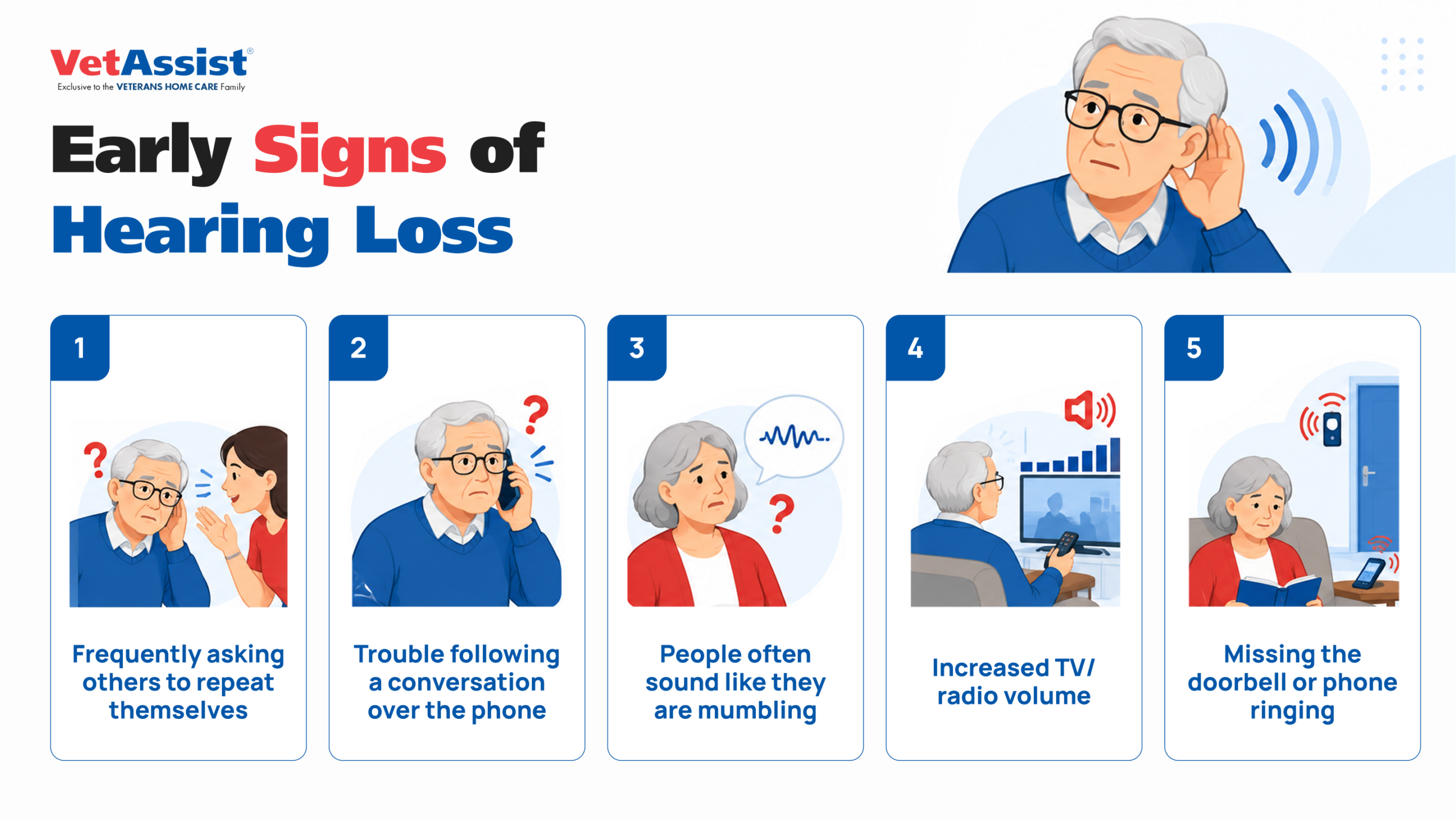
We may miss early signs that we are losing our hearing, resulting in lost time to address the issue. Some things to look out for:
● Do you find yourself asking others to repeat themselves, especially in crowded settings? Is this causing frustration for you or others?
● Do you have trouble following a conversation over the phone?
● Does it often sound like people are mumbling?
● Are you setting the TV/radio volume at a higher level than you used to? Or do others complain about the TV/radio being very loud?
● Do you sometimes or often miss the doorbell or phone ringing?
Tinnitus can also be an early sign of hearing loss. While most tinnitus sounds like high pitched ringing in the ears, it can also sound like hissing, static, or roaring. It can appear and disappear suddenly.
Hearing loss presents a safety hazard because of the decreased awareness of alarms—not just smoke alarms, but car horns, oven timers, weather sirens, and the like. Seniors with hearing loss are at a greater risk of car accidents and falls. It also decreases their ability to follow legal or medical conversations, putting them at greater risk for lapsed care, misunderstandings, or even scams.
It surprises many to learn that hearing loss is strongly associated with cognitive and emotional decline. The increased difficulty in holding conversations can lead to degraded relationships with family and friends, leading to shame and isolation. Companionship is critically important for seniors to maintain their cognitive abilities—flexing memory and concentration, among other functions—and to maintain a positive mood and feelings of connection and purpose. The loss of hearing in old age is correlated with developing dementia, which is why a doctor evaluating cognitive health will often ask about hearing difficulties.
Prevention and Treatment of Elderly Hearing Loss
Hearing loss cannot be reversed, so prevention is key. While we cannot change the past, we can work on prevention today by protecting our ears from loud noises. This includes wearing earplugs around lawnmowers, power tools, fireworks, motorcycles, and loud concerts or sporting events. Turn music and TV volumes down to the lowest level where you can still enjoy them. Be mindful of headphone volumes, as well.
Talk to your doctor about any tinnitus or changes to hearing, such as muffled sounds, echoes, or distortion. Discuss pain or pressure in sinuses and inner ear, or incidents where you think fluid may have gotten in your ears (such as while swimming). A hearing test should also become part of annual check-ups, especially if you see a geriatrician.
A primary care provider may refer you to an ear, nose, and throat doctor (otolaryngologist) if more specialized care is needed. A further hearing specialist, an audiologist, can diagnose the exact nature of the hearing loss and discuss options like hearing aids (which are now widely available over-the-counter for mild hearing problems) and cochlear implants.
Thanks to talk-to-text technologies, software and accessories now exist that can type out speech so it can be read. This might help some individuals with phone calls or other situations where voices are muffled/garbled.
Hearing loss is common in advanced years and nothing to be embarrassed about. Too many seniors pretend they are following a conversation so as not to “make a fuss” by asking people to repeat themselves. While it may be difficult, talk to your loved ones about your hearing challenges so they can adjust your environment for easier communication (for example, moving to a quieter room to talk) and support you in seeking care. And if you suspect your loved one is facing hearing challenges, share the above information with them and create a judgment-free space for them to discuss their struggle, which can feel scary but actually has lots of solutions to improve quality of life.
If your loved one needs home care, our VetAssist mission is to make home care easily and quickly accessible for those who qualify through the VA Pension with Aid and Attendance benefit. Veterans Home Care can help you determine whether you or your loved one will be eligible to receive the benefit, which can cover some or all of the cost of home care, and we make it easy to apply. Chat with us via our website, or call us at (888) 314-6075.
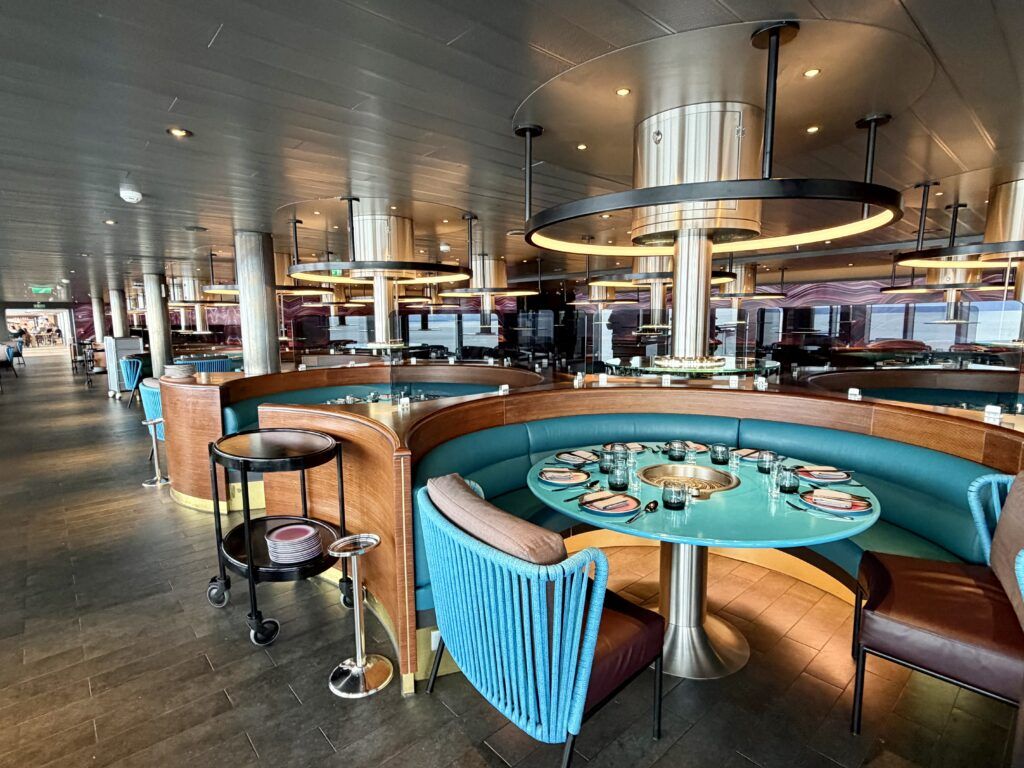
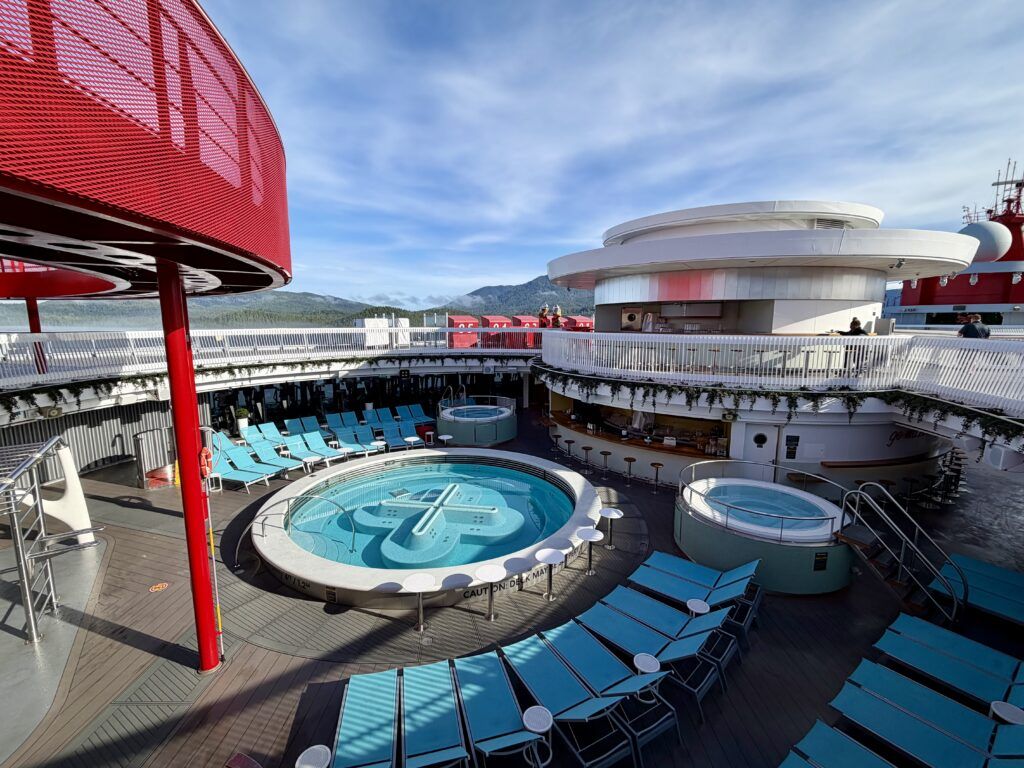
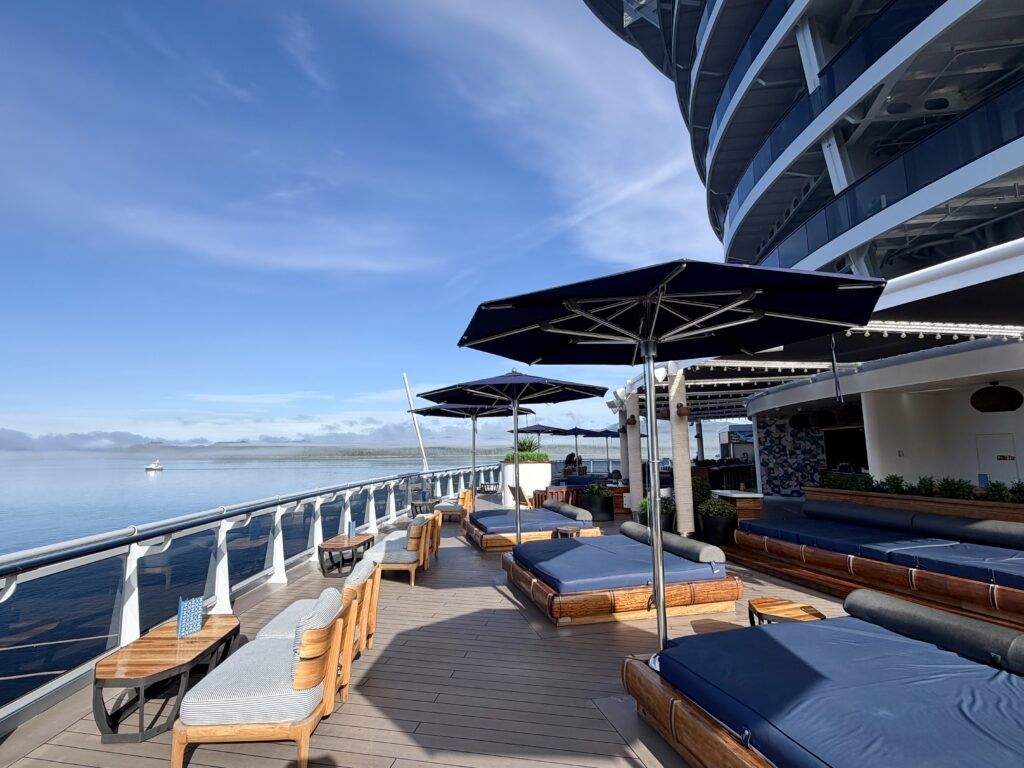
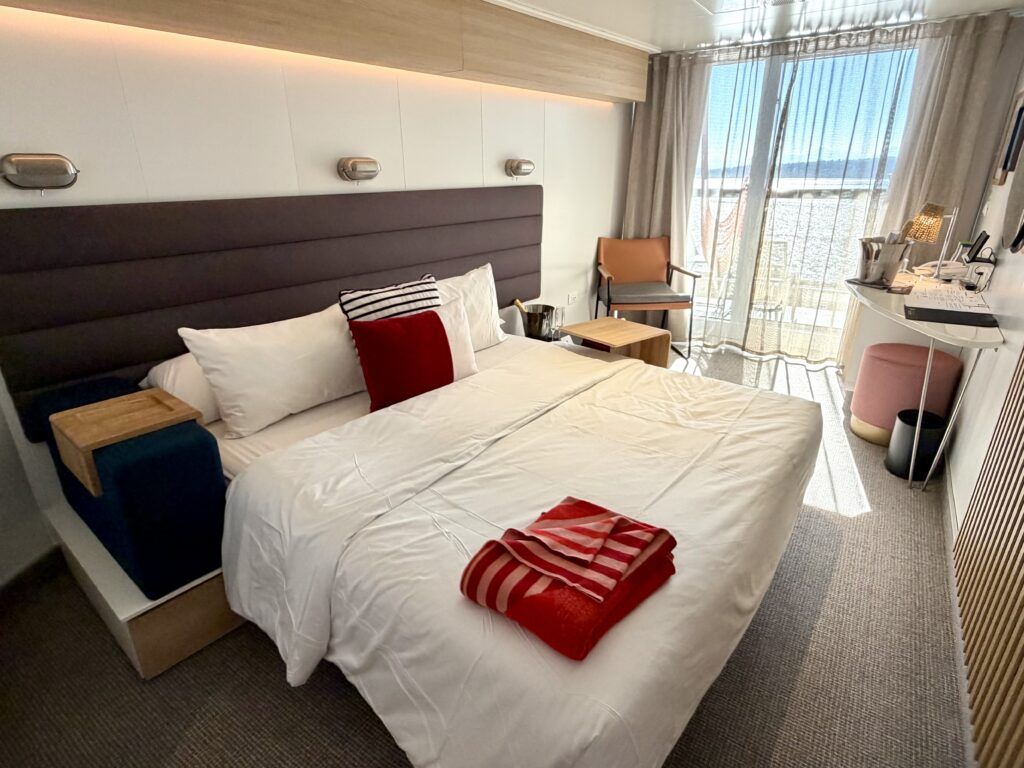
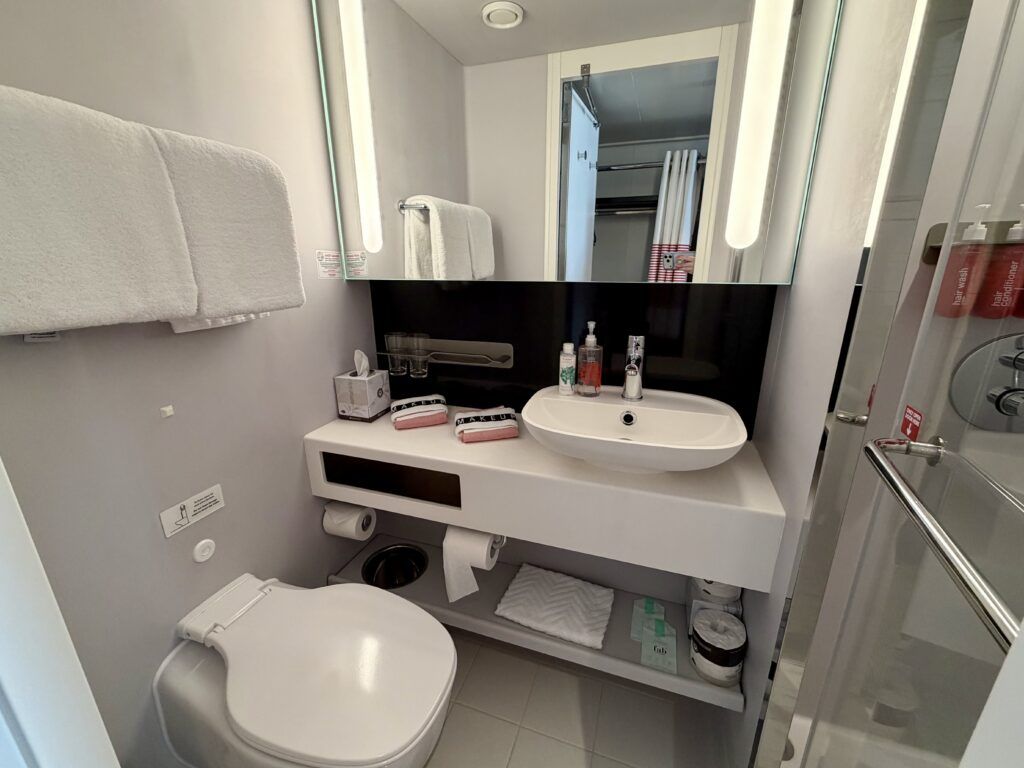
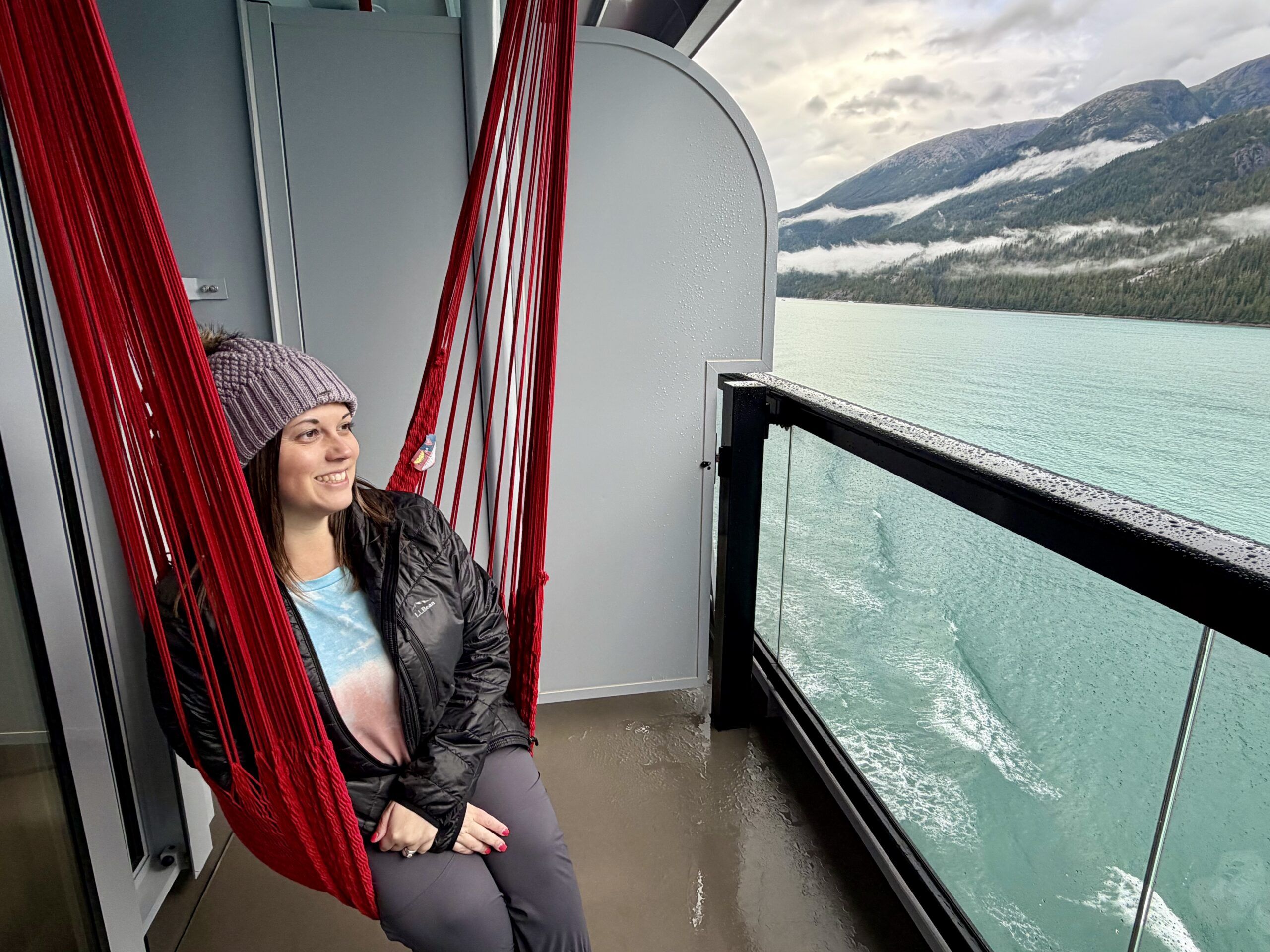
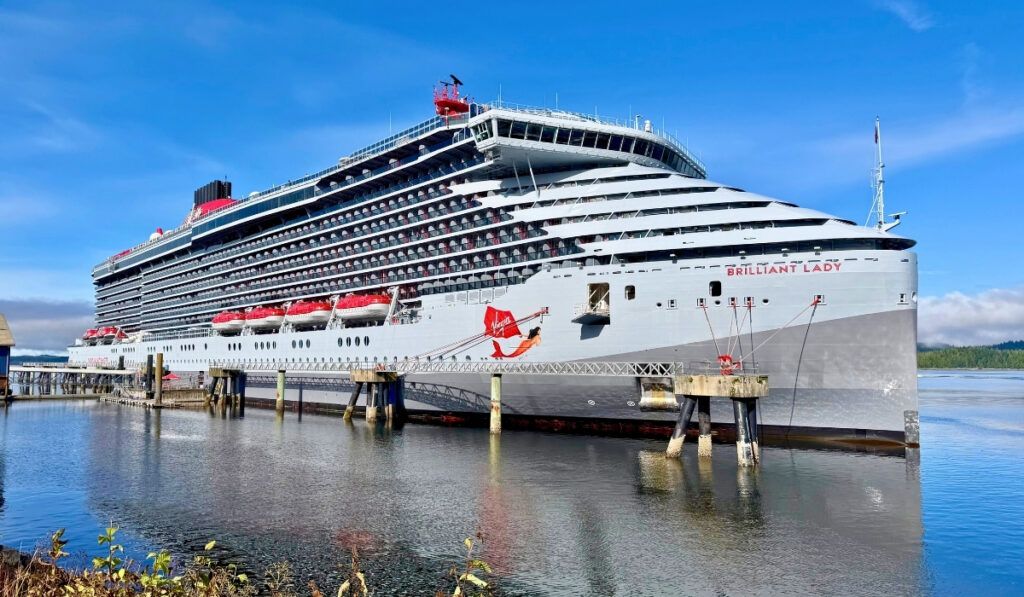
Brilliant Lady is the fourth and newest ship in Virgin Voyages’ fleet, with a similar layout and feel to the first three Lady Ships. These adults-only vessels feel more like stylish boutique hotels than traditional cruise ships, with modern styling and a social atmosphere.
As the first ship for the brand to sail in Alaska, Brilliant Lady features a slightly slimmer profile (to allow transit through the Panama Canal) and subtle enhancements, including new shows and activities, a redesigned and more open central Roundabout, a new restaurant, an enhanced Athletic Club, and plenty of unique Alaska experiences, along with enhanced menus fleetwide.
We just returned from an Alaska cruise on the vessel, and we’re sharing what we loved, what missed the mark, and whether Virgin Voyages’ newest ship is worth booking. In this Brilliant Lady cruise review, we cover everything from the entertainment and dining to cabins, amenities, and everything in between to help you decide if it’s the right ship for your next vacation.
Entertainment
Brilliant Lady’s signature entertainment is the area where she stands out most. As an adults-only cruise line, Virgin has come a long way in defining what that means since its debut. Sure, the shows are still a bit more risque, with plenty of innuendo and some mature language. But we personally like the balance that Brilliant Lady strikes between unique entertainment offerings and more traditonal cruise shows. They’re still different but not as over-the-top.
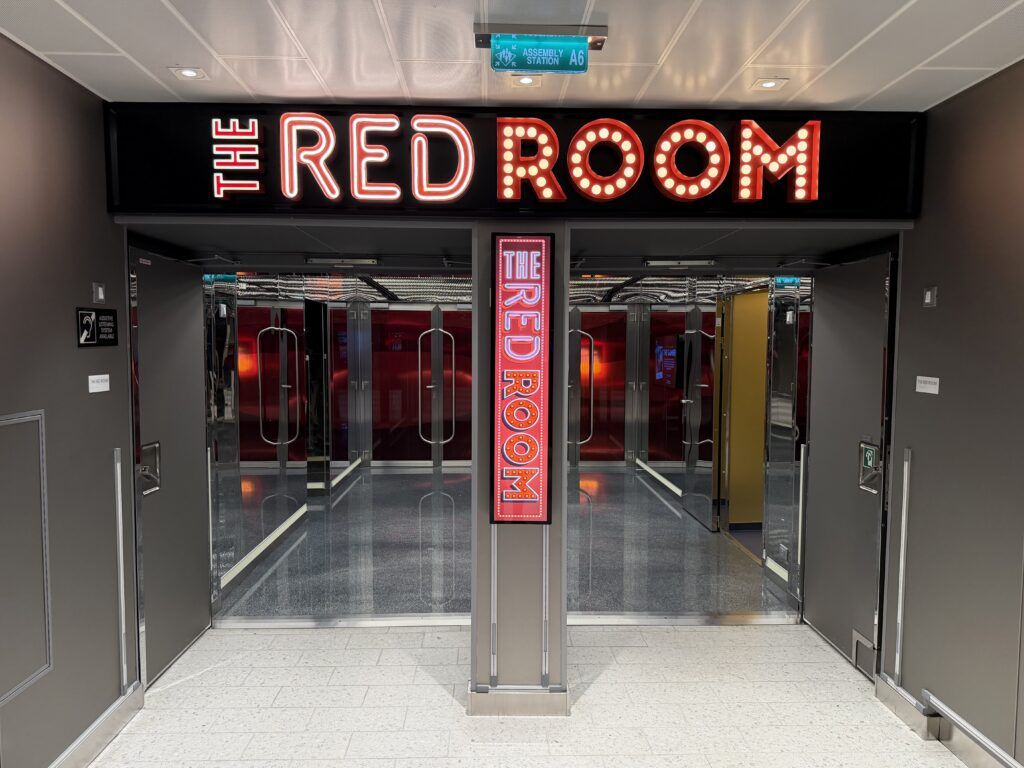
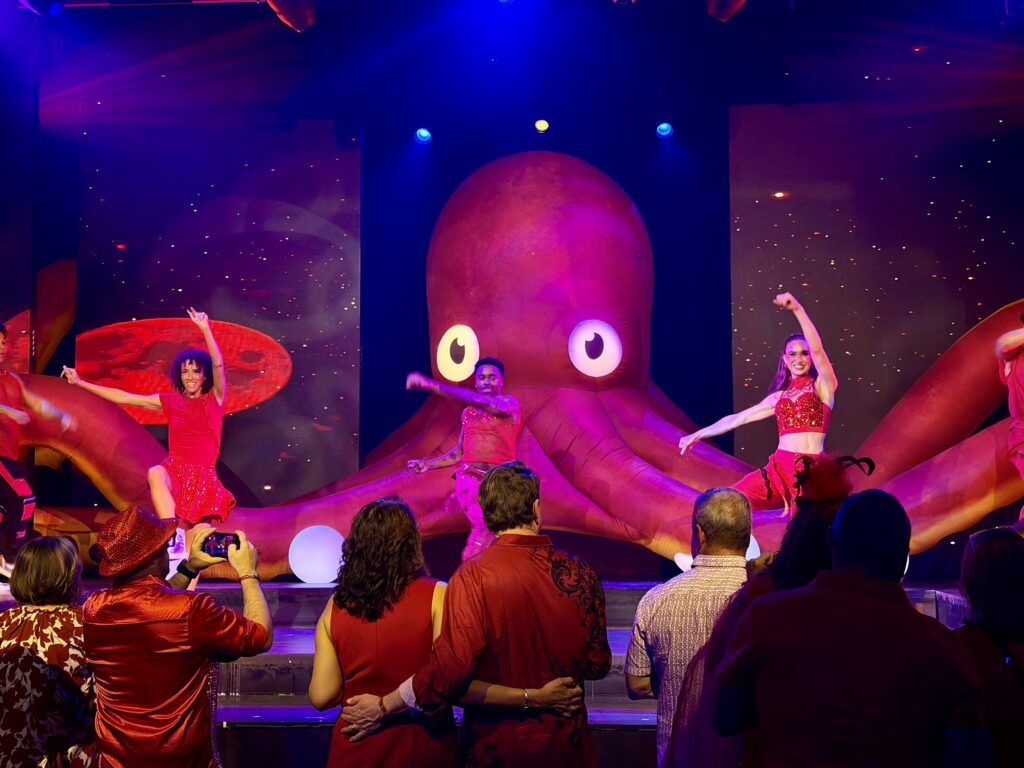
The Red Room is the ship’s main theater. On Brilliant Lady, it hosts Festival Stage acts, which are more akin to headliners on other cruise lines, like comedians or mentalists, along with three signature performances. Our favorite Virgin show of all time still remains Duel Reality. This Shakespearean cirque performance pairs talented performers with a modern retelling of Romeo & Juliet. The hour-long production features jugglers, acrobats, and even some wrestling, and it’s unlike anything you’d find on another cruise line.
While at times cheesy, Red Hot is an interesting story of Richard Branson’s success. The show progresses through his career alongside music from the Virgin label’s archives, complete with CGI-rendered mermaids and occasional bad AI screens of Branson himself. But the lead singers and the rest of the cast delivered on the vocal performances and dance moves. The show was upbeat and engaging.
The other performance is similar to a typical cruise revue with an outrageous plot. Out of Time is a fun and quirky time-traveling tale with pop music spanning decades. It has plenty of jokes and references aimed directly at us 40-somethings.
Along with being the ship’s nightclub and hosting several parties throughout the cruise, The Manor is also home to a few signature shows of its own.
The closest thing to some of the previous Virgin entertainment is Love, Love, Love with the Hostess. This cabaret-style performance offers a much tamer look at the five love languages, with only minimal audience participation.
This hilarious and immersive show is filled with plenty of 80s references and pop music as the story takes guests on a whodunit journey surrounding the death of popstar Sheena.
The same cast returns for Up With a Twist, a roaring 20’s supper club where guests step into Lady Valentina’s Emporium of Excess. This dinner show costs extra. At $50 per person, it was a solid show, with mediocre food and five cocktails (which seemed a bit much). If we had to pick, the complimentary Murder in the Manor is the clear winner.
Three featured singers from Up With a Twist also appear in Duets, alongside a live band. Yes, a show called Duets features a threesome: two female performers and one male singer. Only on Virgin Voyages. On a ship with so many entertainment offerings, we’d confidently say you could skip this one.
Nightlife
One drawback to Virgin’s ship design is the limited number of bars and lounges able to accommodate live music simultaneously. The Roundabout and On the Rocks are located adjacent to each other, so musical acts alternate between these two Deck 6 venues on most evenings.
Peach and Bourbon was Heidi’s favorite. This Australian duo offered a mix of modern songs and classic rock and pop. Heidi much appreciated the nightly Usher soundtrack.
Jack Sheppard was another looper, and his sets were filled with jam-band-style tracks.
The Soulo Lyon Trio offered funky takes on everything from classic rock to bubblegum pop. The Larger Than Lions lead female singer had a soulful voice and plenty of power as she belted out standards and rock hits.
Both the Diva and The Hostess also offered one-woman cabarets at the venue.
Still, given the limited number of musical venues, the Roundabout was often standing room only for pre-dinner and post-dinner performances.
It’s never been clear to me why a duo or acoustic guitarist doesn’t reside in the Dock House on a regular basis. Or why there aren’t some live performances in the Sip cocktail bar. They could easily add an electronic piano to this venue to spread out the crowds from the center of the ship.
Later in the evening, The Manor is the place for near-nightly parties and dancing. The traditional PJ Party on embarkation night ensured yours truly was donned in a red plaid pajama set.
There are also themed dance parties, like Disco Circus or Electric. But these are all essentially the same to me. Different logos and outfits, but still loud music and people crowding the dance floor.
Of course, the biggest party on any Virgin cruise is Scarlet Night. This is when the ship turns red, literally, and sailors wear their brightest hues to celebrate the forbidden love of an octopus and a sailor. Hey, I didn’t write the plot.
Given Brilliant Lady is sailing in Alaska, the culminating pool party was moved to the Red Room. With pop-up events happening around the inside of the ship and a Moon Party in The Manor, it did feel a tad more tame than our other Scarlet Night experiences, which is okay by us.
Bars and Lounges
Brilliant Lady boasts the same exact lineup of bars and lounges as her sister ships, but some of the menus have been updated since we last sailed with Virgin Voyages. Plus, there were several Alaska exclusive cocktails featuring Alaskan spirits and wine. These signature drinks are noted on the menus with a bear icon.
We appreciated the expanded options and focus on local flavor.
At the heart of the ship on Deck 6, On the Rocks is one of the more popular indoor bars, given the nightly live music featured here. While this menu did get an update, we stuck with our classic cocktails here.
Up one deck, the Draught Haus is the craft beer spot. Although on Brilliant Lady, this space in the Roundabout is more open, with a more welcoming design and plush seating. On our Alaska sailing, it poured a rotation of Alaskan craft beers. So did the Loose Cannon, the nautically themed bar tucked behind the Social Club. However, Heidi did appreciate that the Draught Haus now has a few cocktails on tap, like the Lemon Drop.
Another new offering that you don’t want to pass up are the dirty sodas at the Social Club. These pair great with the hot dogs, pretzels, and popcorn also served here.
Sip is the champagne and cocktail lounge, with a menu of signature drinks plus a wide range of wine and champagne. We enjoyed the Commonwealth Spritz made with bourbon, and Heidi sipped the Coquettish Charm featuring vodka.
Our favorite spot on any Virgin ship is still The Dock though, with its upscale resort feel, plush seating, and endless ocean views. The equally chic indoor counterpart, The Dock House, serves the same menu of food and drinks. It is a great place to unwind after a long day ashore.
The Alaska-exclusive sangrias here were a highlight, including the Blueberry Mirlo and Strawberry Rhubarb.
Several outdoor bars up on Decks 15 and 16 mix up similar but slightly different menus. These bars include the Aquatic Club Bar, the Gym & Tonic Bar, and the Sun Club Bar. With the Alaskan weather, we didn’t spend much time on the pool deck. Although, we did warm up at the Athletic Club Bar with an Alaskan mulled wine and a boozy hot chocolate while taking in glacier views.
Even the casino featured exclusive drinks with Alaskan spirits, like the Nutty Old Fashioned.
But of course, talking about bars and lounges wouldn’t be complete without one of our favorite spots, the Grounds Club coffee house. This venue features a menu of signature coffees and teas, espresso martinis, and even a few Alaskan specials. The best part is that as part of Virgin’s Sailing Club loyalty program, we definitely took advantage of the free daily specialty coffee perk!
There’s also a separate juice shop on Brilliant Lady. JuiceSea serves up cold-pressed juices, smoothies, and healthy shots for an upcharge.
Onboard Activities
When we first sailed on Virgin Voyages back in 2021 and 2022, we balked at the limited number of things to do on the ship. Well, Virgin heard our pleas and said, hold our beer. Or in this case, our microphone.
The Happenings Cast delivered a fully stocked list of onboard activities and events. While many are familiar activities found on many cruise lines, Virgin adds its own signature twist.
Trivia was a staple, usually held in the Social Club. From general trivia to music trivia and even Alaska-themed trivia, this place was the hub of daytime activity. There was also arts and crafts with the Artist, various cruiser competitions like puzzle races, and The Big Mix music challenge held in the Red Room. There were also dance classes, group fitness classes, and upcharge tastings and mixology classes.
Karaoke sessions were a regular occurrence too. Or, small groups could sign up for private sessions in the Groupie karaoke lounge located forward on Deck 7.
This was an Alaska cruise, so many events and challenges were themed to the region. These included Bear Wit It trivia, the Gold Rush Gamble ($50 buy in), and the Lumberjack Games on the sports deck, complete with Velcro axe throwing, to name a few.
Given the itinerary, the Brilliant Lady daily activities also featured enrichment sessions led by the two onboard Alaska experts. These ranged from formal sessions in the Red Room to more intimate sessions in The Manor, The Scene, and On the Rocks. The naturalist also hosted wildlife-viewing sessions on the pool deck and ran a WhatsApp chat group.
While we had low expectations for the enrichment on Virgin Voyages, the cruise line surprised us. They were actually some of the most informative and intriguing sessions, albeit different, that we’ve had across our eight Alaska cruises. (For a full breakdown of the Alaska-specific offerings, see our Virgin in Alaska review.)
Not to mention, plenty of other activities filled the time between ports of call, including video game competitions, scavenger hunts, a retro arcade with free video games, and a variety of self-led board games. So, there was certainly never a dull moment onboard. Unless, of course, you just wanted to relax and chill at the Dock. In fact, we found it difficult to fit everything into our week-long schedule.
Casual Eats
Over 20+ eateries are included in your cruise fare on Virgin Voyages Brilliant Lady, and many of them are casual spots. The ship features all of the same venues you find on other Virgin ships, but we still think the cruise line offers some of the best variety and quality at sea.
The Pizza Place is still a standout. The personal-sized pies remain some of the best pizza we have eaten on any cruise. The menu of grilled skewers and snacks at the Dock House has been updated since our earlier Virgin sailings, but the new offerings still deliver. I particularly enjoyed the new beef kafta skewers.
One touch specific to our Alaska sailing: during golden hour, this venue featured unique complimentary snacks, with themed Alaska cocktails available for an upcharge.
The main hub for casual dining is The Galley, the ship’s food hall. Here, you order freshly prepared items from a variety of themed stalls rather than shuffling down one long buffet line.
Standouts include the breakfast burritos from Let’s Taco About; burgers, chicken sandwiches, and French fries from Burger Bar; all-day breakfast at Diner and Dash; and rotating pastries and dessert from The Sweet Spot. Plus, there are paninis, avocado toast, and more from Off the Press; custom bagels and salads at Daily Mix; sushi boxes at Bento Baby; ramen and miso at Noodle Around; and a variety of breads and breakfast sandwiches at Well Bread.
There were lines, and finding a seat indoors was difficult especially at peak times on the cold, wet sea days. However, if you find a table and prefer not to wait in line for your food, you can also order tableside.
Besides the casual dining that we’ve already mentioned, a few other spots are easy to overlook. The Sun Club Cafe, tucked forward on Deck 16, serves poke bowls and bao buns. And at the Social Club, you can grab candy and snacks like pretzels, popcorn, and chicken wings.
And then there’s ice cream. Every cruise line includes ice cream, usually soft serve on the pool deck. But the ice cream parlor on Virgin Voyages serves complimentary gelato with a few daily specials.
When you can book depends on your fare type and stateroom category. Rockstar Suite guests get the earliest access for advance reservations. Most sailors have access to dining reservations around the 45-day mark. Only those on the base fare will need to wait until 15 days before sailing to reserve.
We ate at every restaurant except the Test Kitchen this sailing, and none disappointed.
Rojo by Razzle Dazzle is new and exclusive to Brilliant Lady, a Spanish tapas restaurant that replaces the Razzle Dazzle After Dark menu previously found on the other ships. Brunch is the same spread served fleetwide, with some of the best bacon at sea and a mouth-watering frittata.
Dinner is where Rojo won us over. We sipped sweet sangrias and shared tapas like patatas bravas, grilled octopus, and jamón croquettes. The roasted cod, an Alaska exclusive, and the ribs were both delicious. Further, the basque cheesecake was so good we ordered it both times we dined here.
Pink Agave boasts Mexican specialties and is still one of our favorites. The venue is warm and vibrant, and the menu features shareable small and medium plates. We worked through guacamole, grilled corn, and enchiladas, and I particularly enjoyed the achiote-spiced salmon, an Alaska exclusive on this menu.
Extra Virgin is the ship’s Italian restaurant with an open kitchen turning out house-made pasta. The menu has been updated so each ship now carries its own signature dishes.
I started with the fritto misto and moved on to the braised lamb girella, both exclusive to Brilliant Lady. The braised pork cheek impressed me as well, and the affogato lets you build a custom dessert tableside.
The Wake is the glamorous steakhouse aft on Deck 6 with impressive ocean views. The Wake serves up a refined dining experience that would easily be a $65 upcharge on any other cruise line. As a Bostonian, I was impressed with the New England Clam Chowder, prepared tableside.
My steak came out perfectly seared to medium, with sautéed mushrooms and French fries that were a perfect complement. We also tried the loin of venison, a signature dish exclusive to our Alaska sailing, which was tender and full of flavor. You can’t pass up the lemon cheesecake and not-so-baked Alaska desserts either. Not to mention, The Wake also serves up brunch with a menu of benedicts, brioche French toast, and more.
Finally, Gunbae is Virgin’s Korean barbecue built around communal grill tables. This multi-course menu has been updated since our last visit with new items as well. It is a fun alternative to the typical teppanyaki restaurant, but the food was hit-or-miss for us this time. Still, the Korean fried chicken was a hit.
Outdoor Decks
Like the other ships in the fleet, Brilliant Lady’s outdoor areas are one of its biggest drawbacks; although, there are a few small updates.
There are two pools, both on Deck 15. The main pool, located midship, has a small wading area with an even smaller spot to actually take a dip.
Just aft is the wellness pool, a smaller circular pool ringed by loungers and outdoor workout equipment. That gear is a bit of an eyesore, and it eats up valuable lounger space. Given the itinerary, this was less of an issue on our sailing.
Across the two outdoor decks, there are only four hot tubs, with only the two on Deck 16 actually overlooking the water. This is certainly a drawback for an Alaska cruise.
On Brilliant Lady, our deck time was more about the scenery than sunbathing. And unlike other ships sailing in the region, there are no forward-facing spots for scenic viewing, not even a bow that can be opened up for glacier day.
The Athletic Club on Deck 16 has some circuit equipment and a boxing ring, but it’s also the one outdoor space that saw a real change on Brilliant Lady. The seating area has been redesigned to make it easier to use the rail space for sightseeing. Some shade covers have also been added to the other seating options. Still, the Net remains, taking up valuable deck space.
Elsewhere, there is a small outdoor sports court and a dedicated jogging track. There are two indoor gyms as well, one for cardio and one for strength, plus dedicated rooms for fitness and spin classes. Virgin Voyages fares include all group fitness classes.
Forward on Deck 16, there’s also an exclusive area for Rockstar Suite guests, Richard’s Rooftop. This sundeck features two hot tubs, lounge furniture, and a private bar, but no pool.
Beyond these two top decks, the only other outdoor spaces are the Deck 7 promenade and The Dock. Even the outdoor midship promenade area is partially obstructed by tall glass, and the rest of the walkway views are blocked by the lifeboats. Not ideal in Alaska.
That said, there was still plenty of space for guests at The Dock and the reconfigured Athletic Club, albeit both aft-located.
Stateroom
For this voyage, we booked a Sea Terrace room and were assigned cabin 12294. This portside balcony cabin is located forward of the forward elevators. While slightly enhanced with some wood accents and blankets to use during the sailing, the staterooms on Brilliant Lady are basically identical to the other ships in the fleet.
And if we are being honest, the staterooms are another drawback, particularly when it comes to storage for an Alaska cruise.
Virgin Voyages staterooms simply do not compare to other premium lines like Celebrity Cruises‘ or Princess Cruises‘ newest mega ships sailing in the region in terms of decor or amenities. They also lack storage and more comfortable seating options. In fact, Virgin’s staterooms are the least trendy area on the ship.
Walking into our stateroom, the tiny bathroom was immediately to our left, with the small closet opposite. The closet includes a clothes bar and hangers, with a curtain reminescent of a dorm room. Nearby is one run of shelves and a shoe rack. With more outerwear and bulkier clothing, it took some strategic unpacking to stow all our gear. Even so, we still had to stack several packing cubes and utilize magnetic hooks and an over-the-door organizer to stash the small stuff like toiletries and chargers to sunglasses and sunscreen, hats and gloves, and other accessories.
And we’ve said it before, but we’ll say it again, the bathrooms are the smallest in the industry. Though, I remain a fan of the rainfall shower, which is a touch larger than the typical cruise shower. But the bathroom has no above-vanity shelves or storage space for personal care items.
Near the balcony, there’s a small chair and a multi-purpose table. There is also a desk with the nearby mini-fridge. Since the stateroom attendants no longer reconfigure the seabeds during the day, the floor-level square table beside the bed became an additonal storage space, but that meant there was no sofa.
We did appreciate the additional 120-volt outlets and USB-A and USB-C connections throughout the stateroom. This gave us ample power to charge all our devices throughout the week.
Out on the balcony, the space was just right, with two chairs, a small table, and Virgin’s signature red hammock. Even with the cool Alaska weather, it was a good perch for taking in the scenery.
Brilliant Lady Cruise Ship Review Recap
Virgin Voyages’ Brillant Lady was perhaps the most unique Alaska cruise we’ve taken in the region. The ship offers a distinct experience that is ideal for the right traveler.
The food remains the headline. The cruise line offers some of the best casual dining and lineup of sit-down restaurants. The new Rojo by Razzle Dazzle, exclusive to Brilliant Lady, is a standout addition. Plus, the updated menus across the ship gave us plenty of new food and drinks to test out.
Brilliant Lady’s entertainment is also top-notch. With a mostly new lineup of production shows and parties, along with exclusive Alaska experiences, there’s plenty to keep new and repeat Virgin cruisers busy.
The ship is not without its downfalls, though. The staterooms are short on functional storage, which we felt more than usual on an Alaska cruise with additional layers. The outdoor decks for wildlife viewing and scenic sailing are not ideal either, with no forward-facing spaces and no indoor observation lounge.
Weather is always a wild card in Alaska, and, unfortunately, the rain kept us indoors more than we would have liked this trip. That said, Brilliant Lady handled it well with plenty of indoor spaces for relaxing and socializing, including the Dock House, Social Club, and newly redesigned Roundabout.
Brilliant Lady still appeals to the same trendy, adult travelers that Virgin has always courted. The vibe is casual, inclusive, and never stuffy. The crowd on our Alaska sailing was diverse, but they were all seeking the same thing: a modern, kids-free Alaska cruise. And Brilliant Lady delivered just that!
You will likely love Brilliant Lady if you are:
An adults-only traveler who wants a kids-free, no-judgment atmosphere
A foodie who values variety and execution over white-gloved formality
A cruiser who prioritizes dining, bars, entertainment, and nightlife on an Alaska sailing
Someone who likes a mid-size ship with plenty to do but without mega-ship overwhelm
A cruiser willing to lean into Virgin’s casual, trendy vibe
You may want to look elsewhere if you are:
A cruiser who needs a spacious, highly functional cabin with generous storage
A sun-deck lover who wants multiple pools and sprawling outdoor lounging space
An Alaska traveler expecting unobstructed open-deck viewing from every angle
Anyone cruising with kids, since Virgin Voyages is 18+ only
A traveler who prefers a more classic and traditional cruise atmosphere
Comments
Do you have plans to sail on Virgin Voyages Brilliant Lady? Would you cruise to Alaska on this ship? Drop us an anchor below with your latest Virgin cruise reviews.



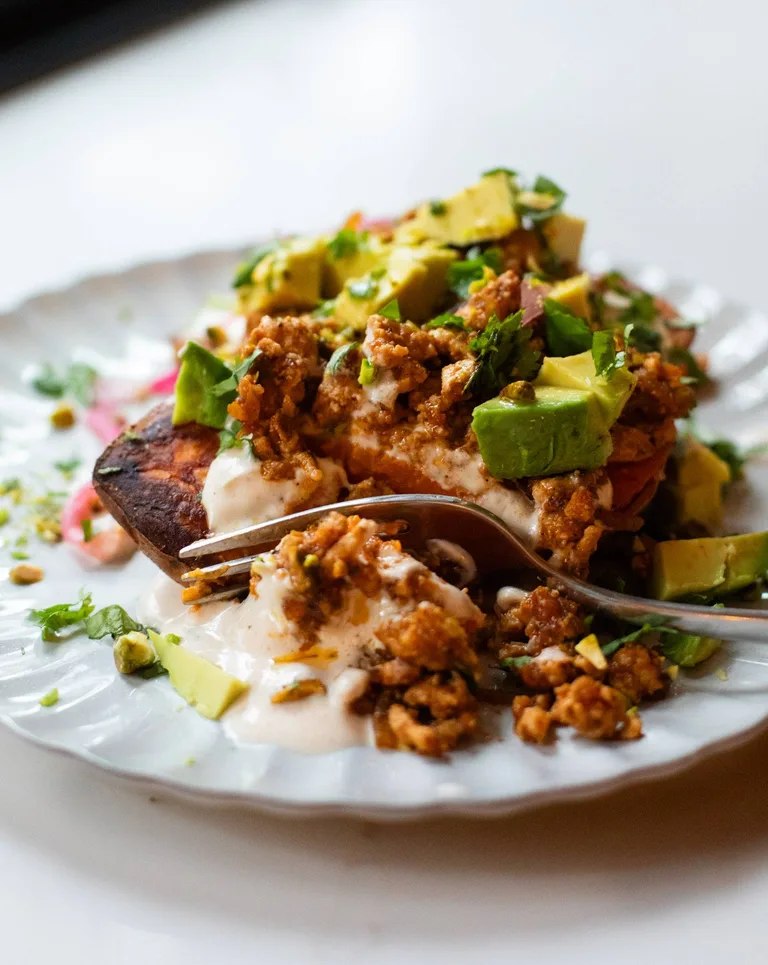
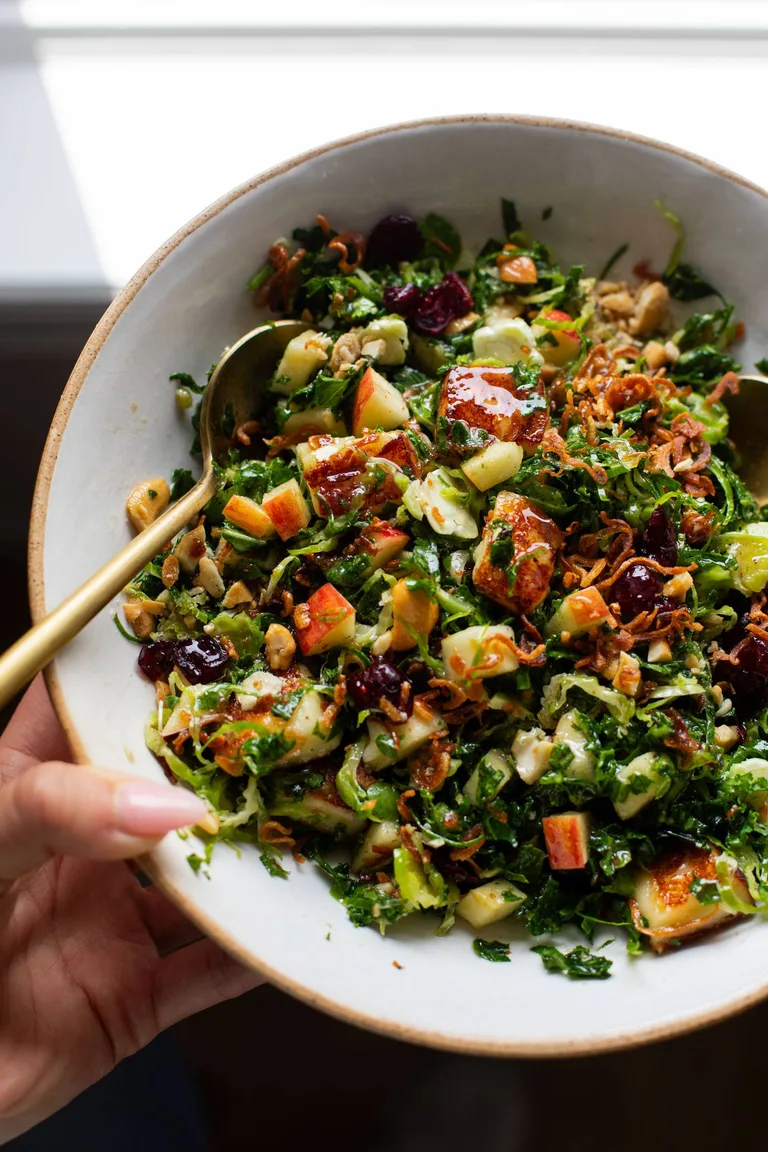

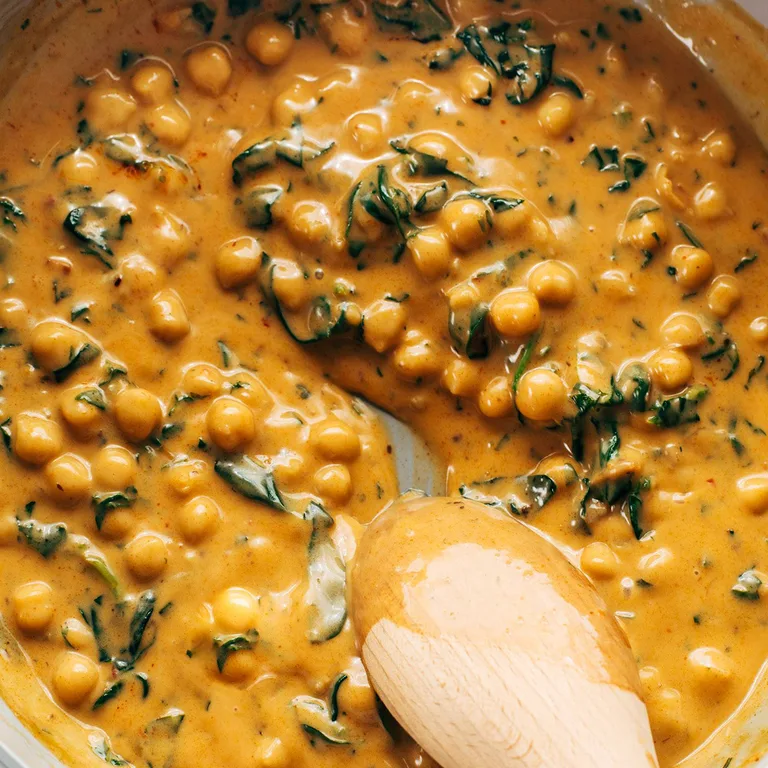
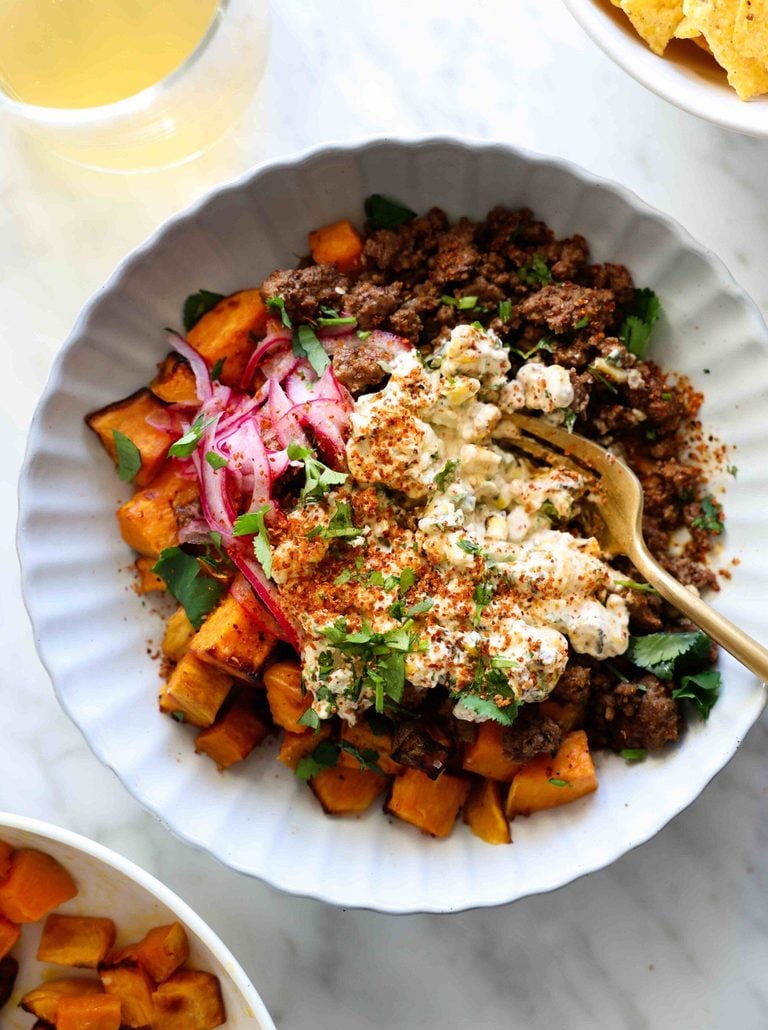

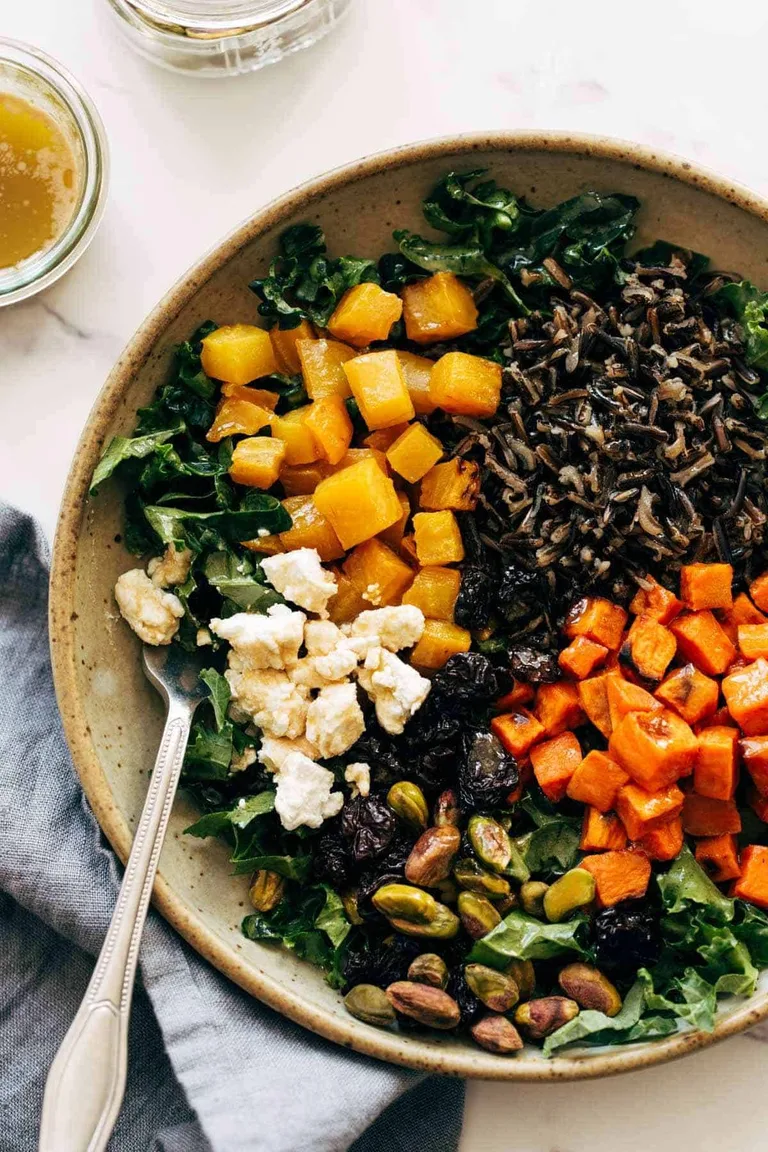



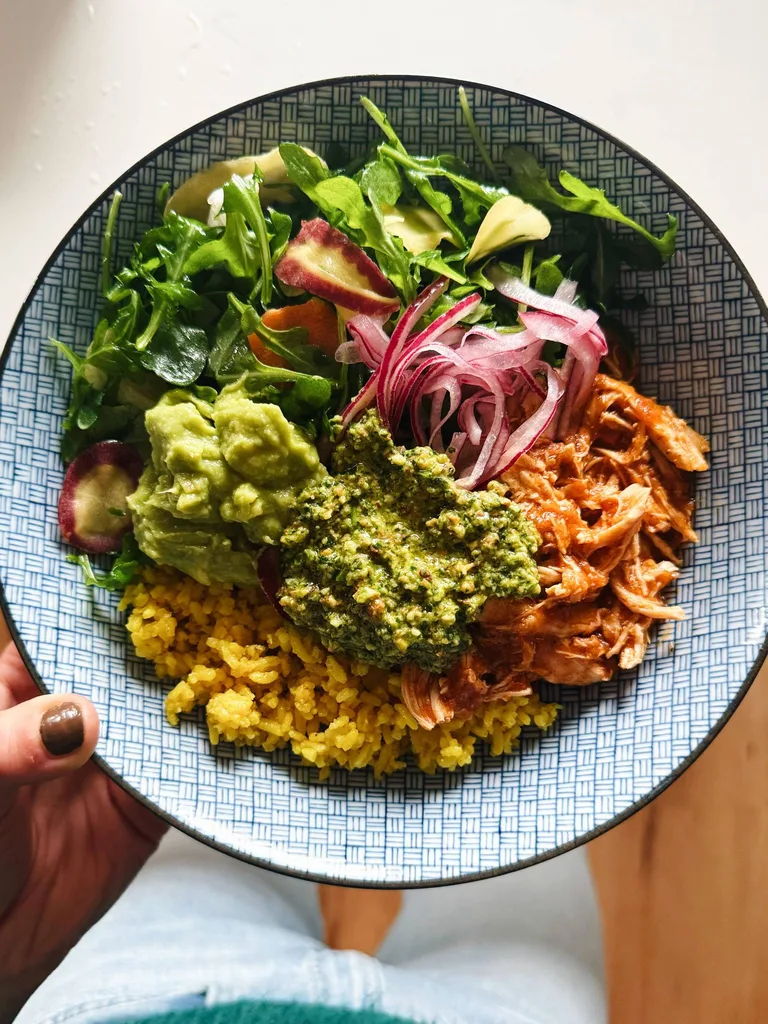

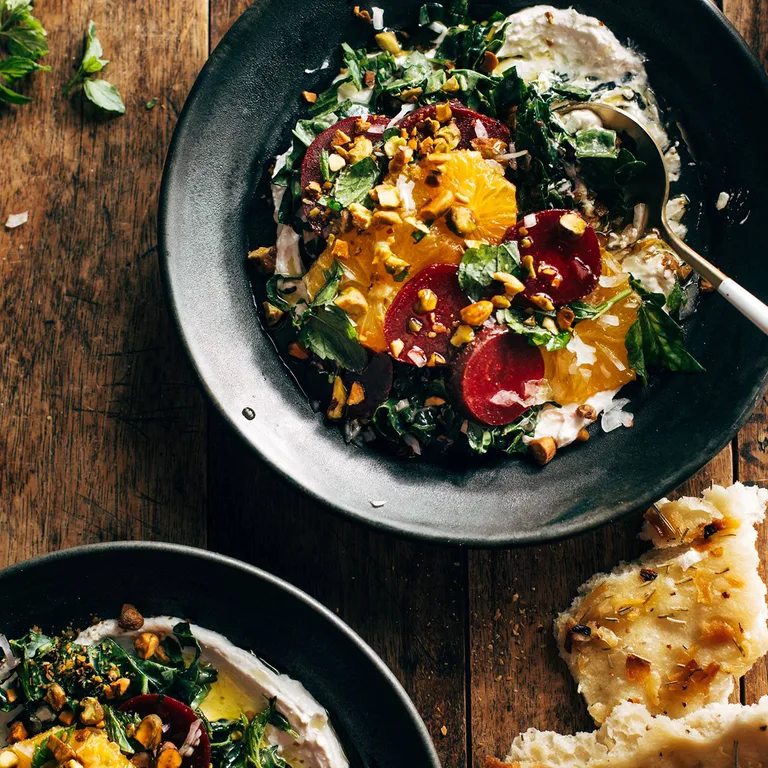





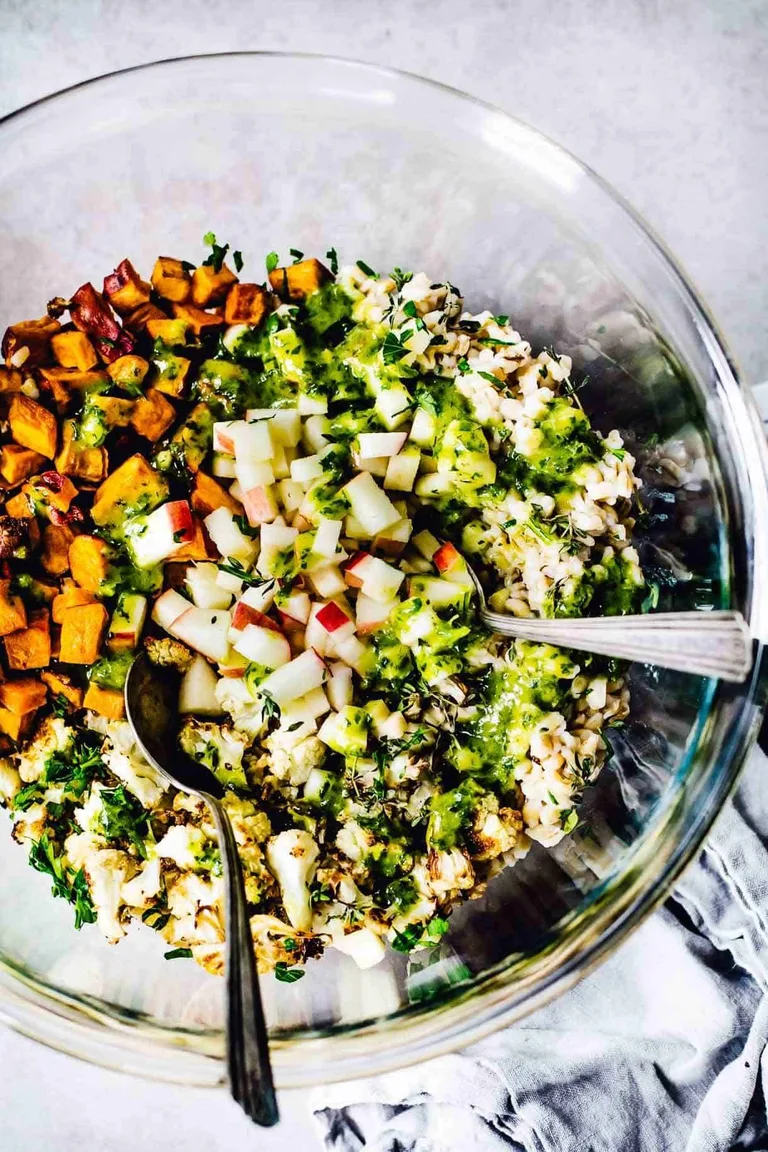



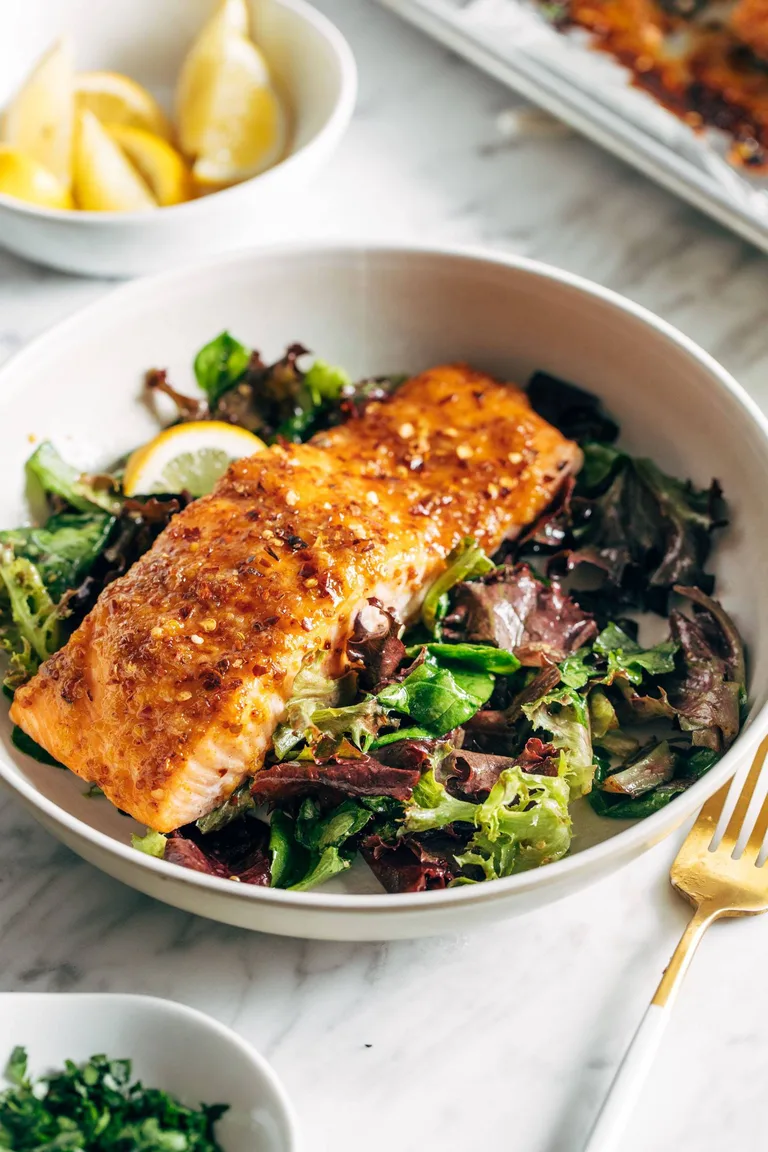
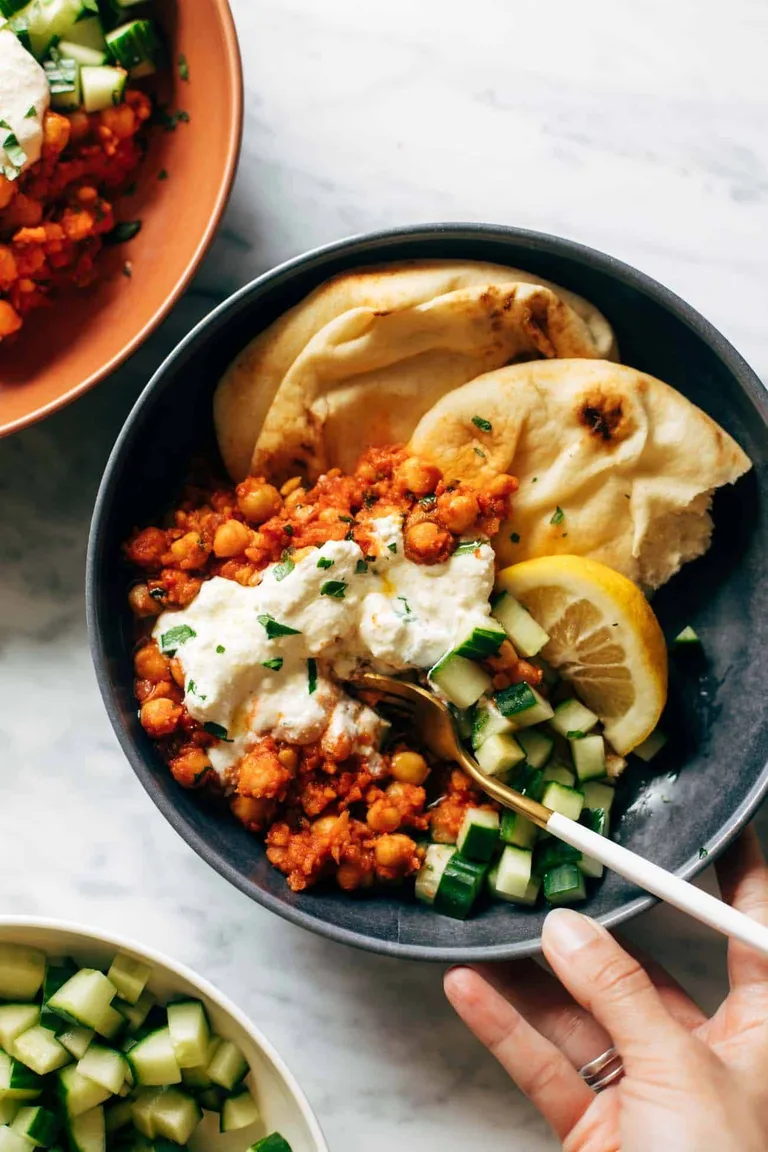
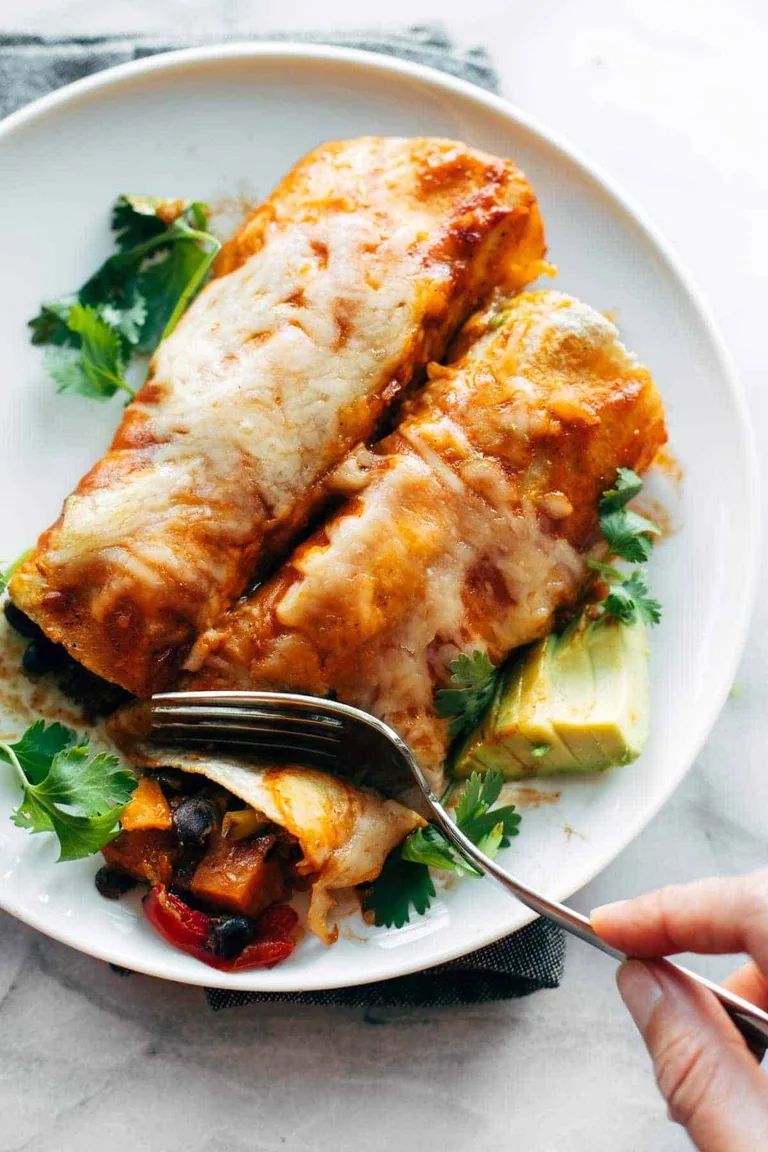


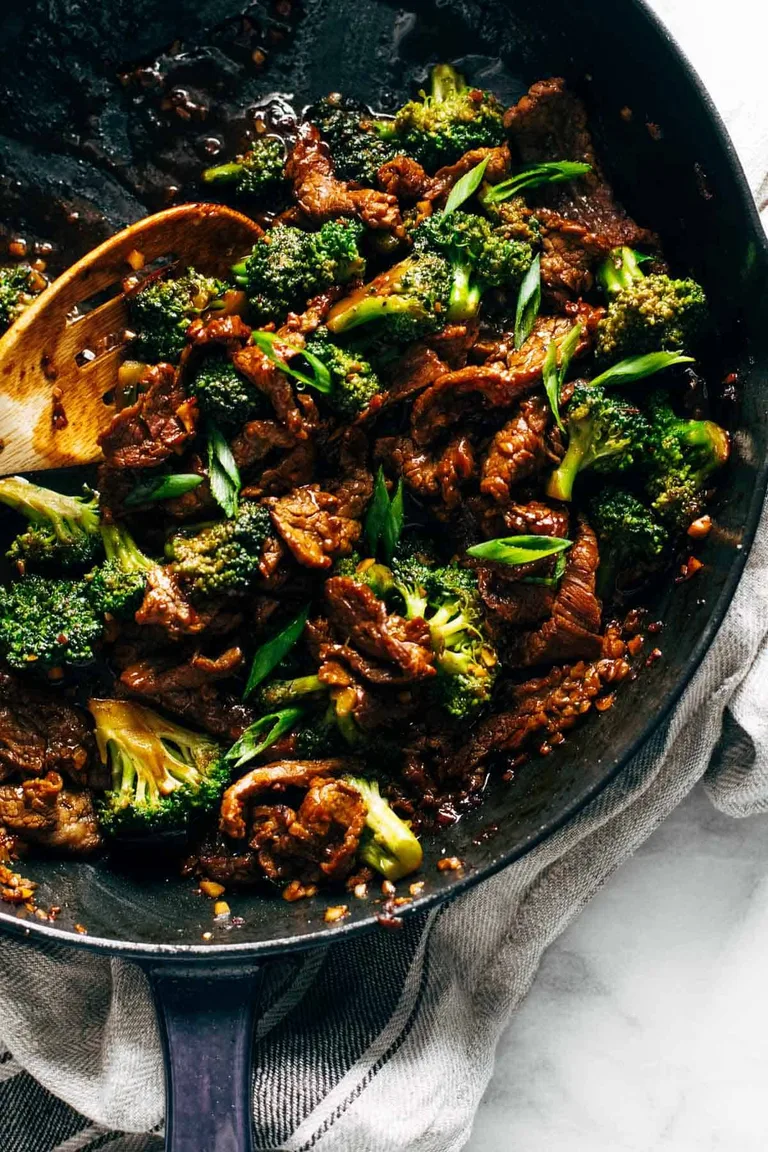

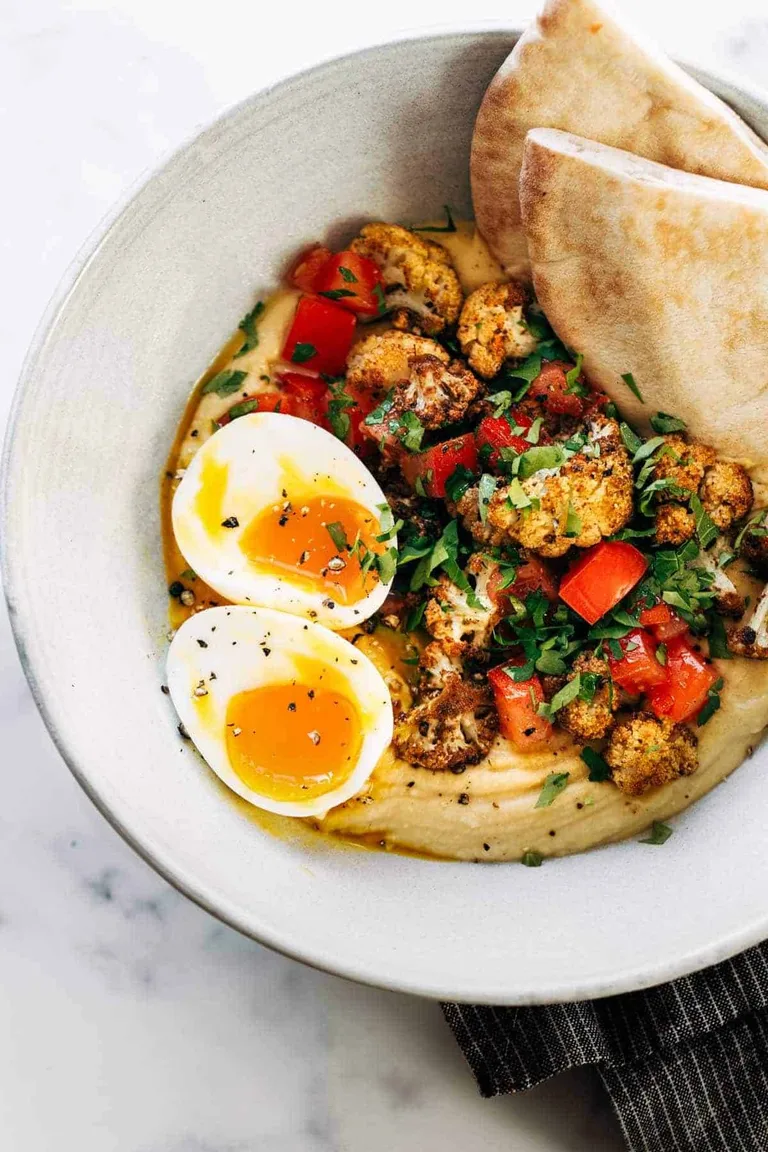
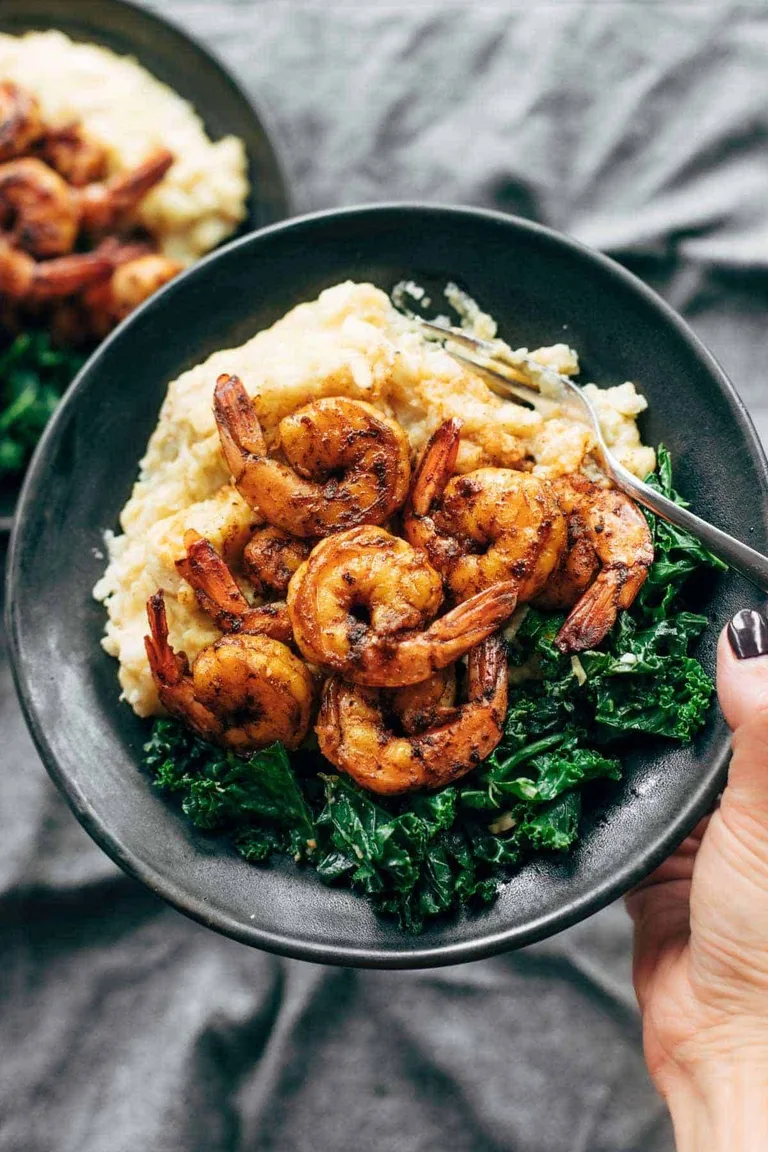

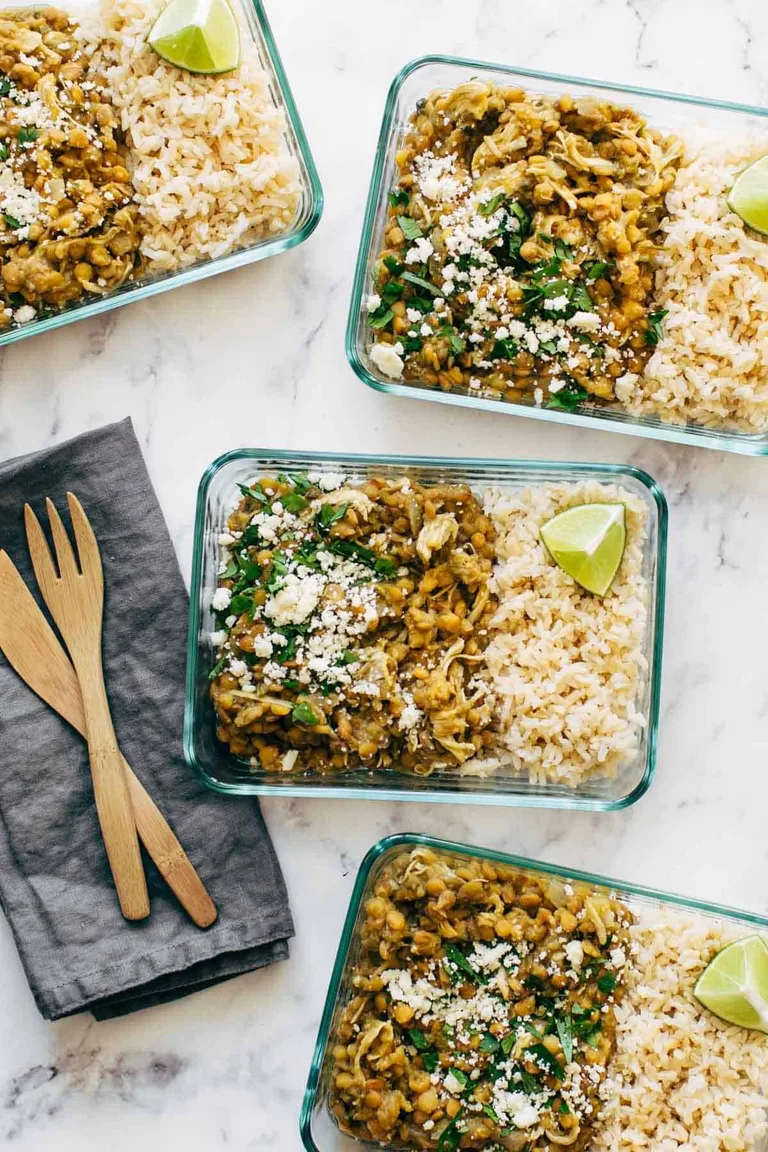
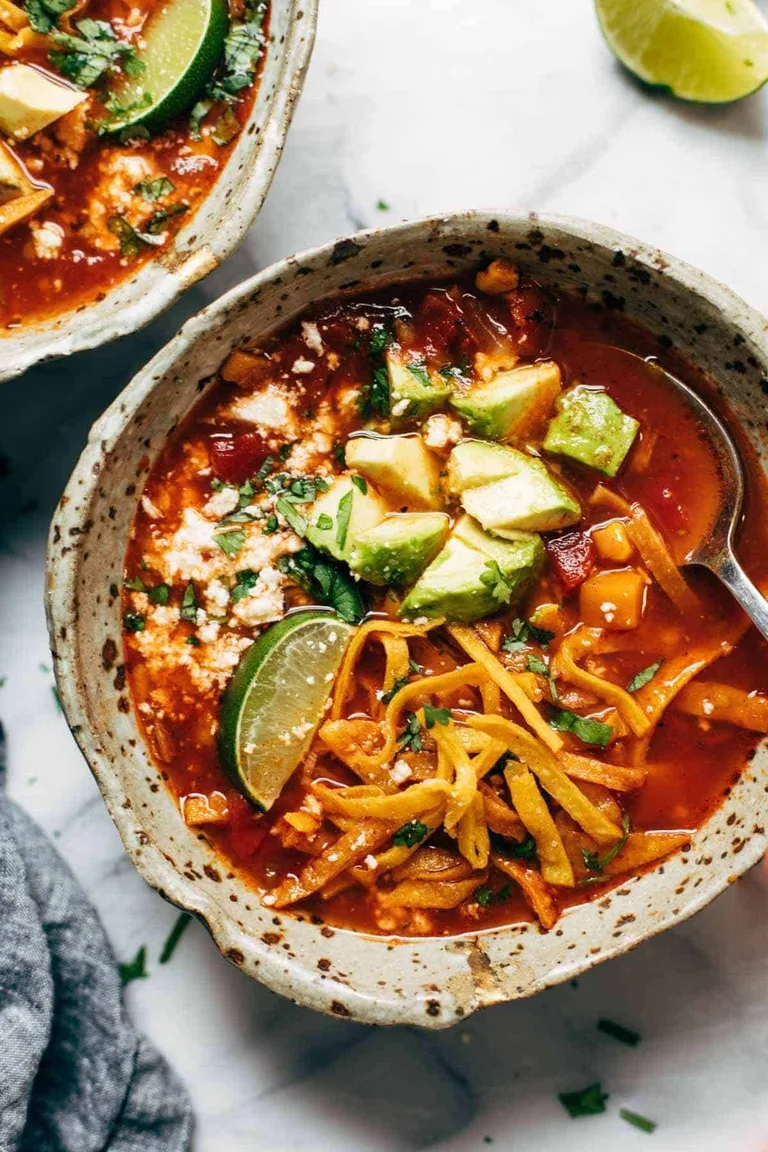






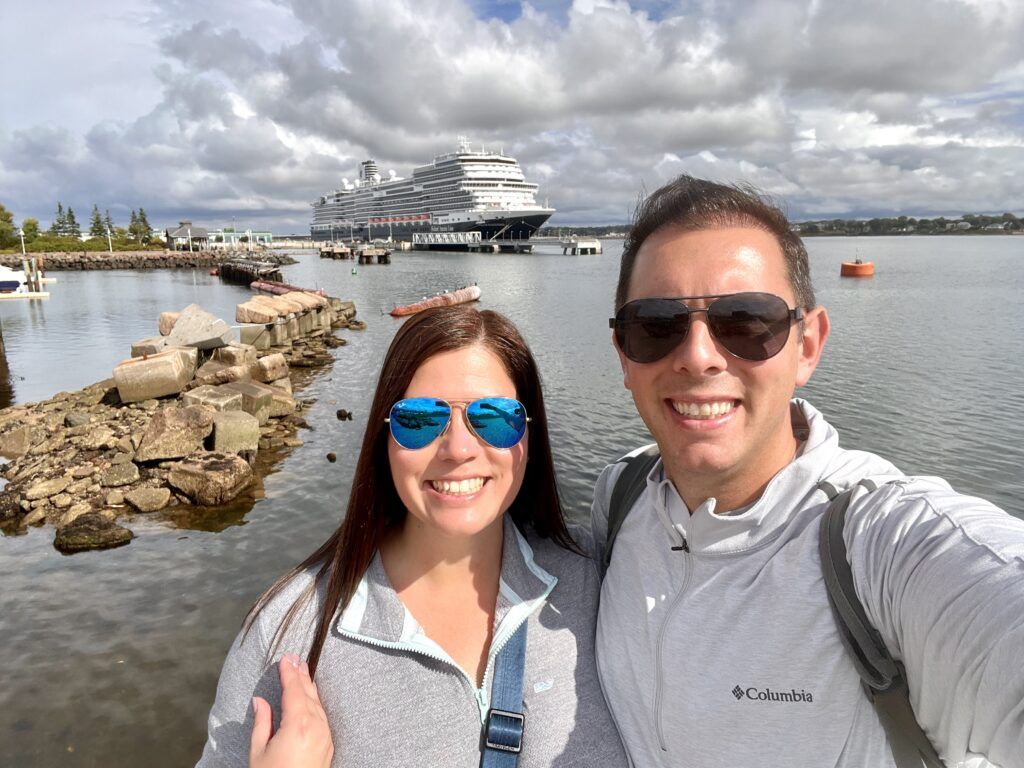

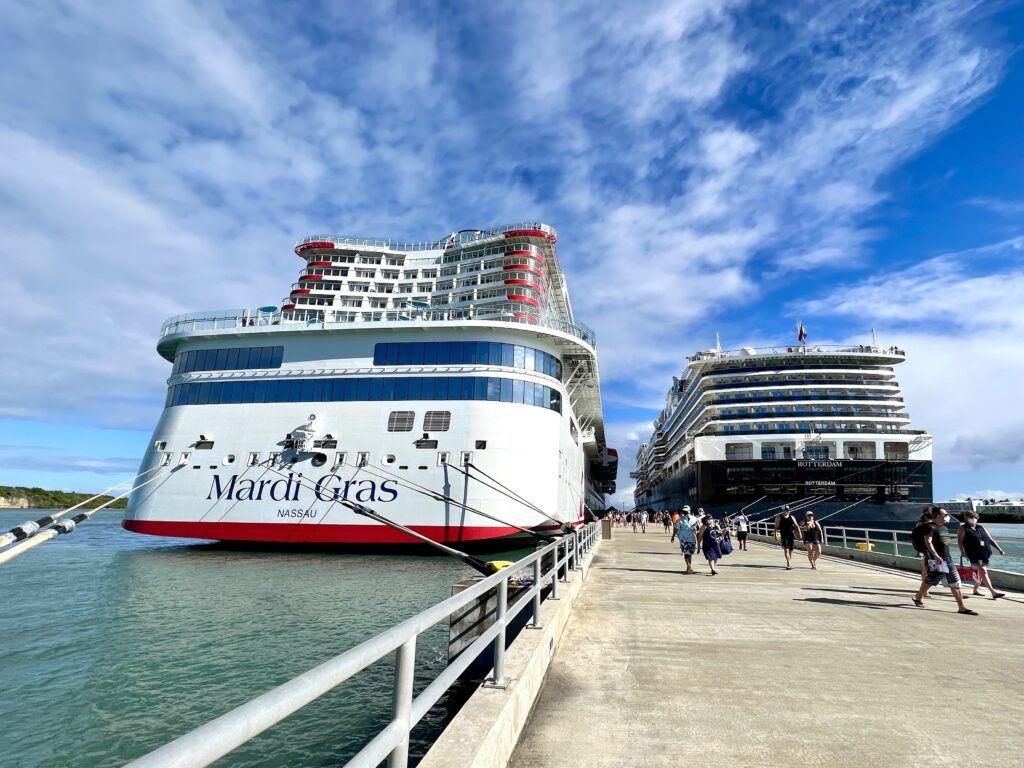



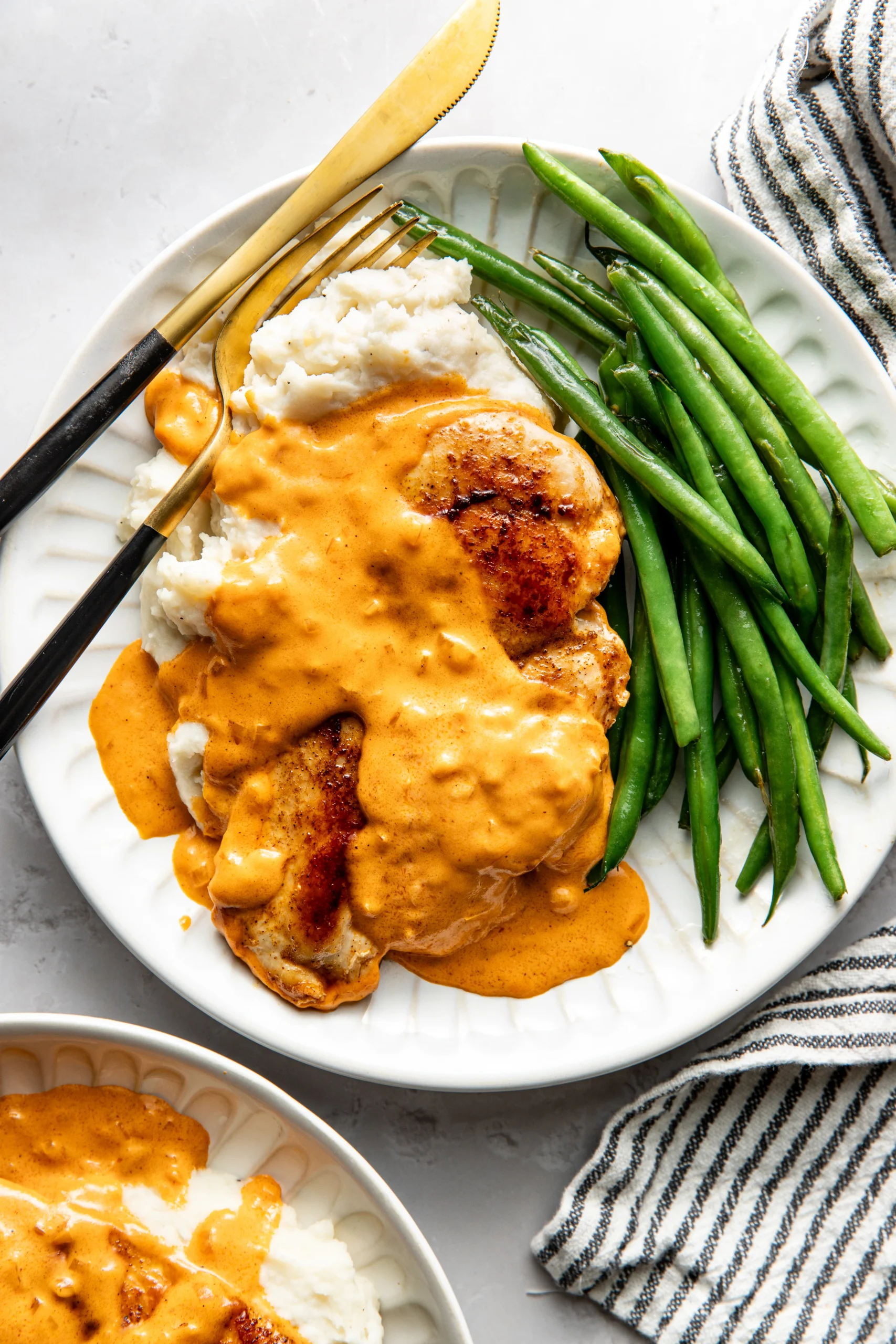




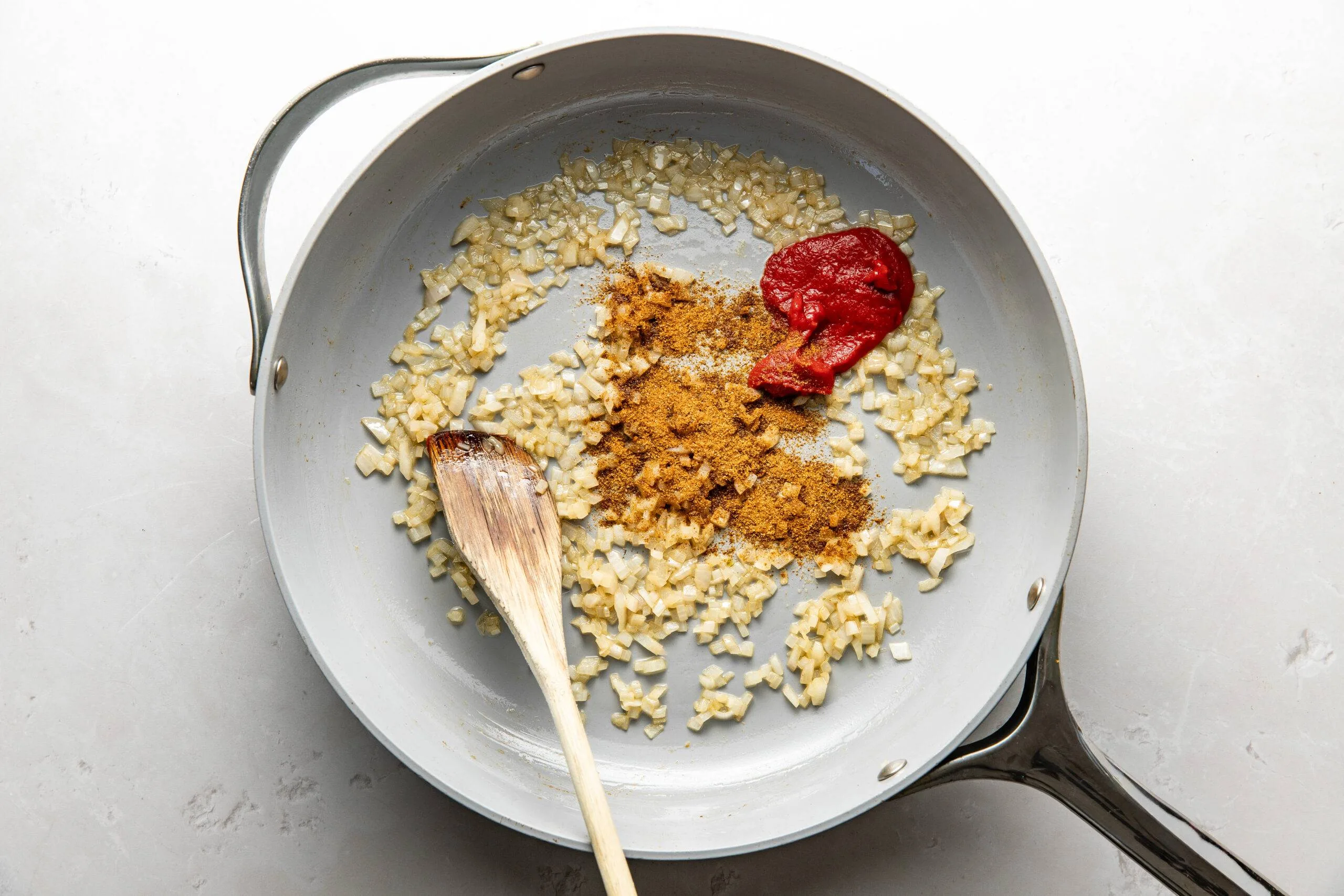
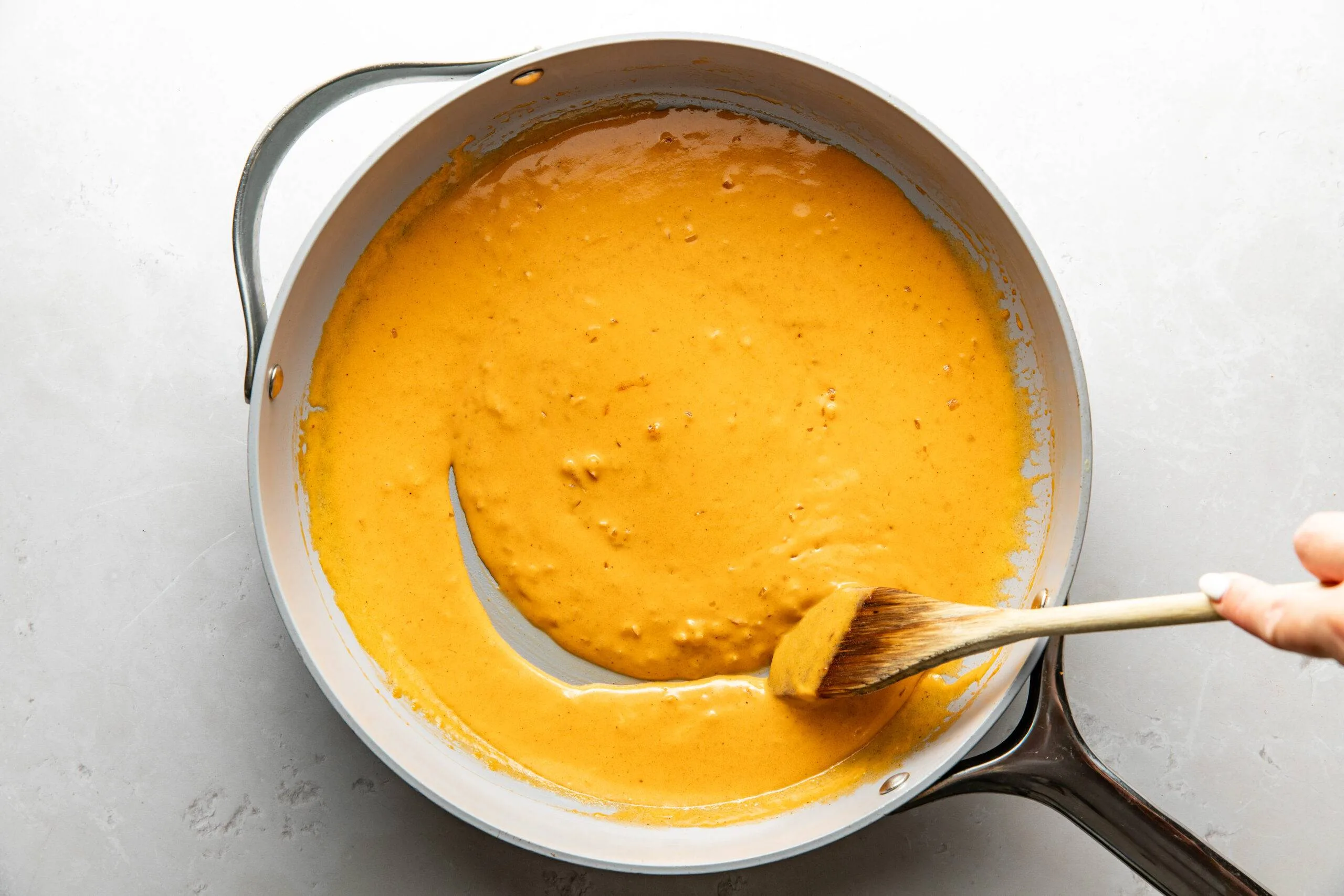
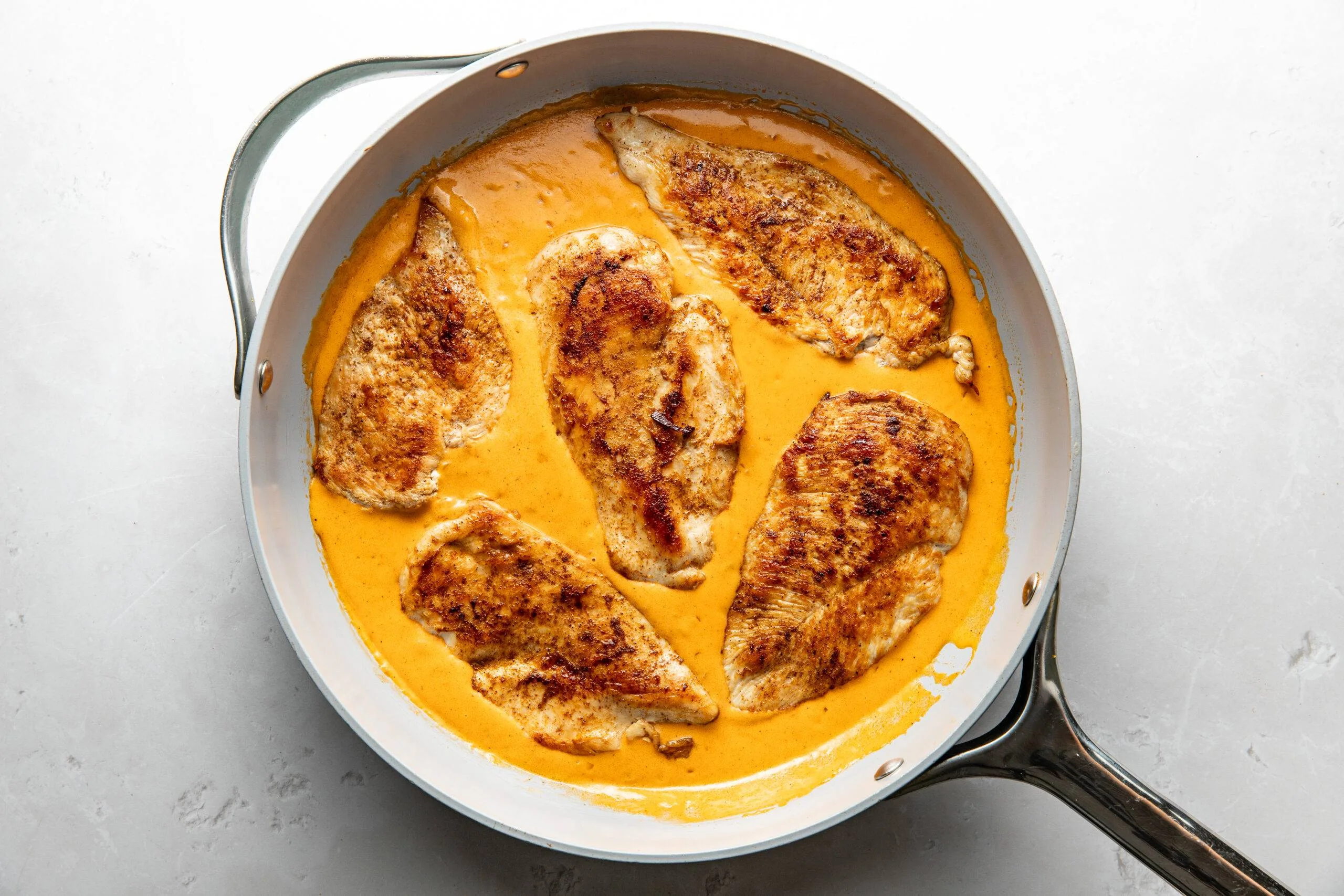
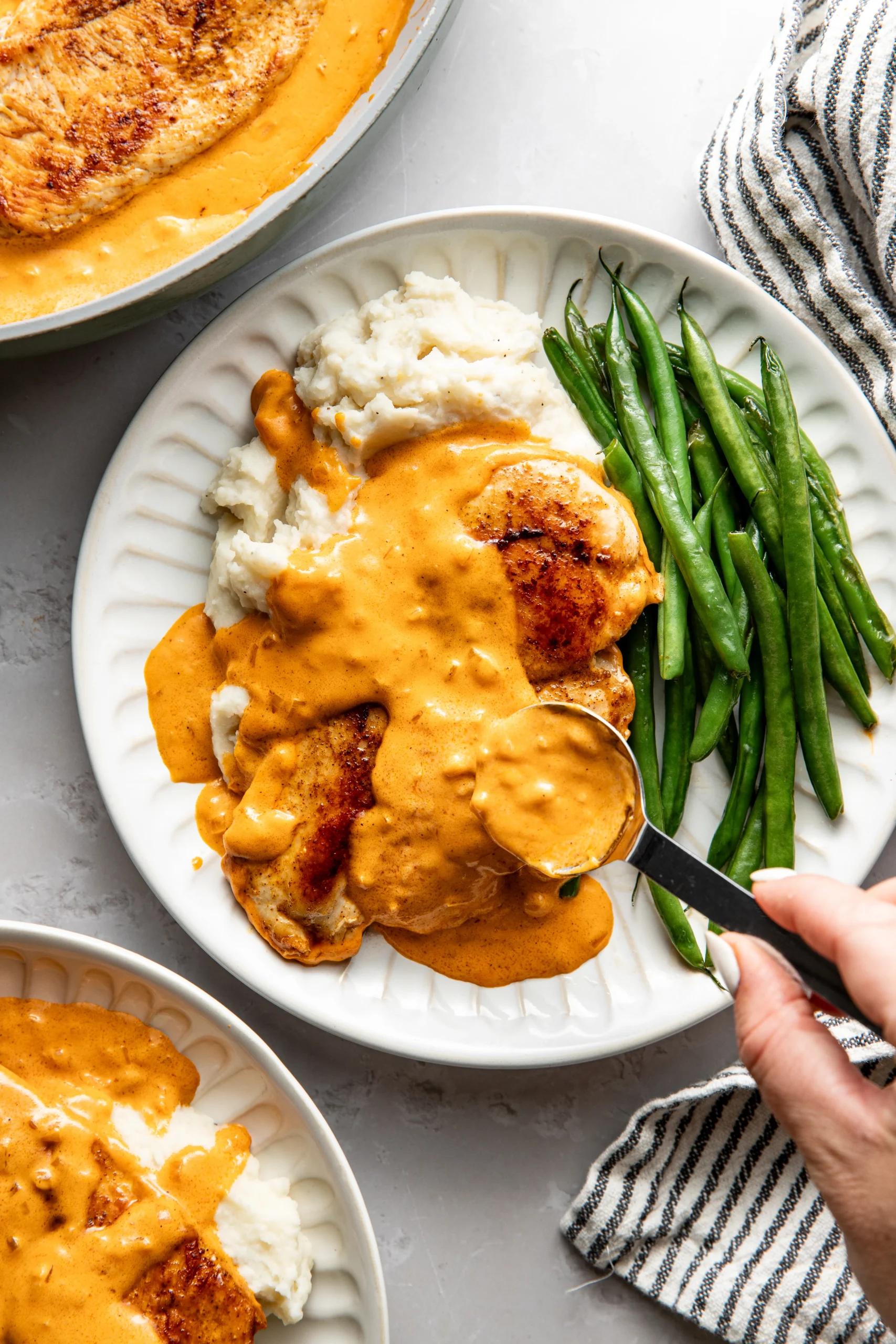


 Category:
 Method:
 Cuisine: