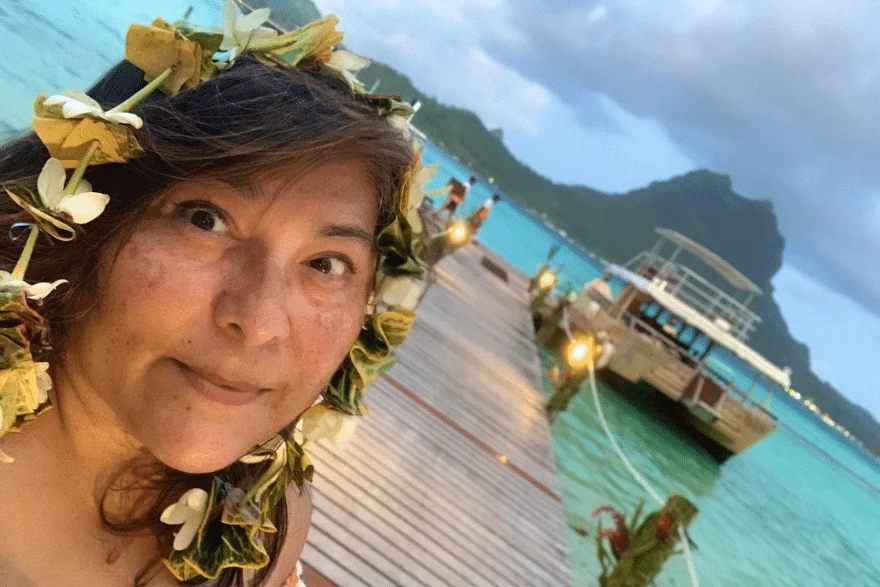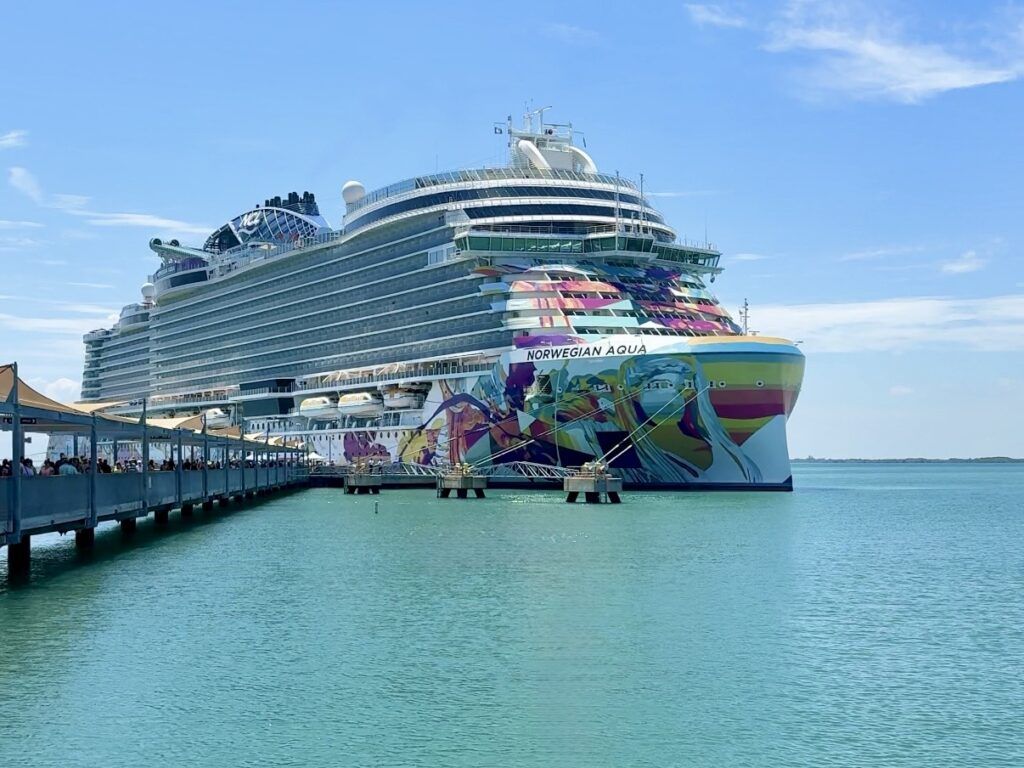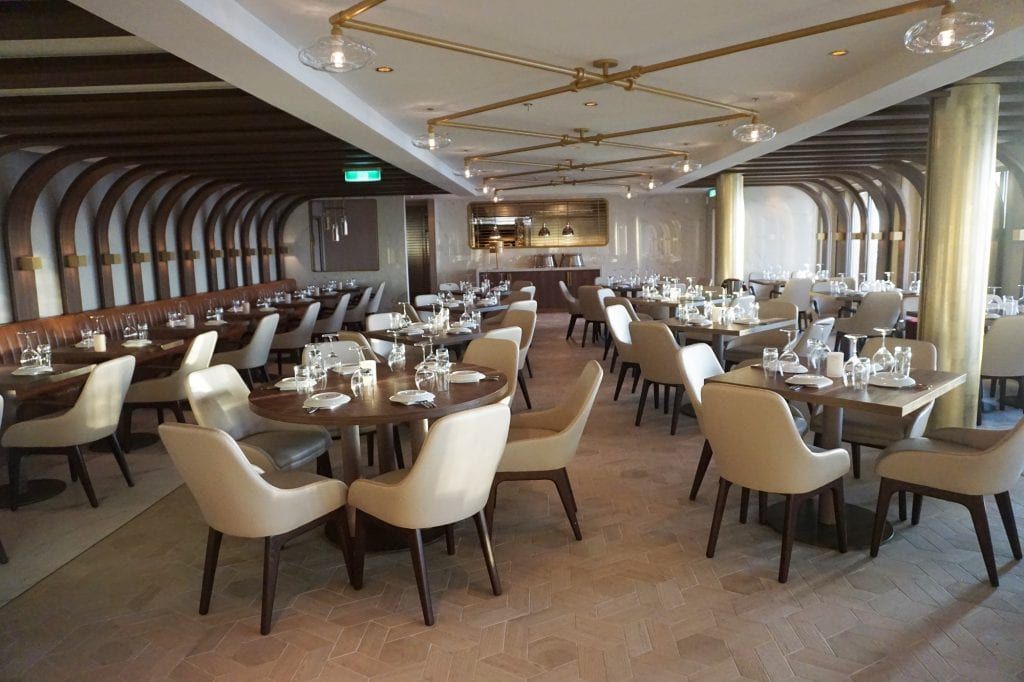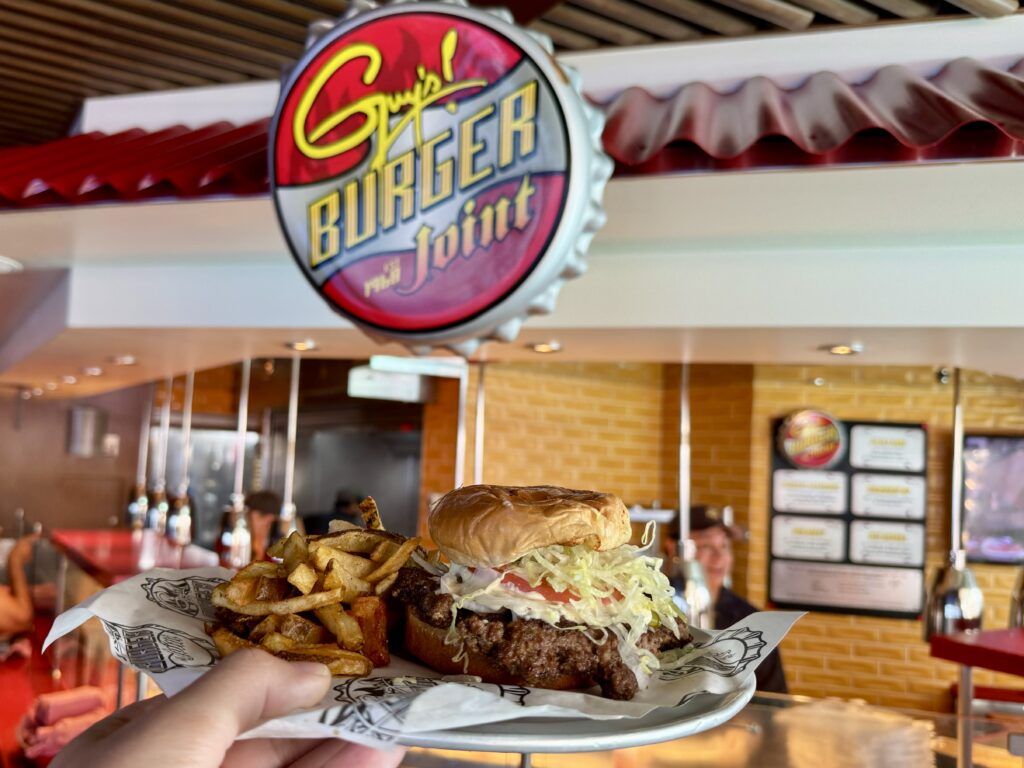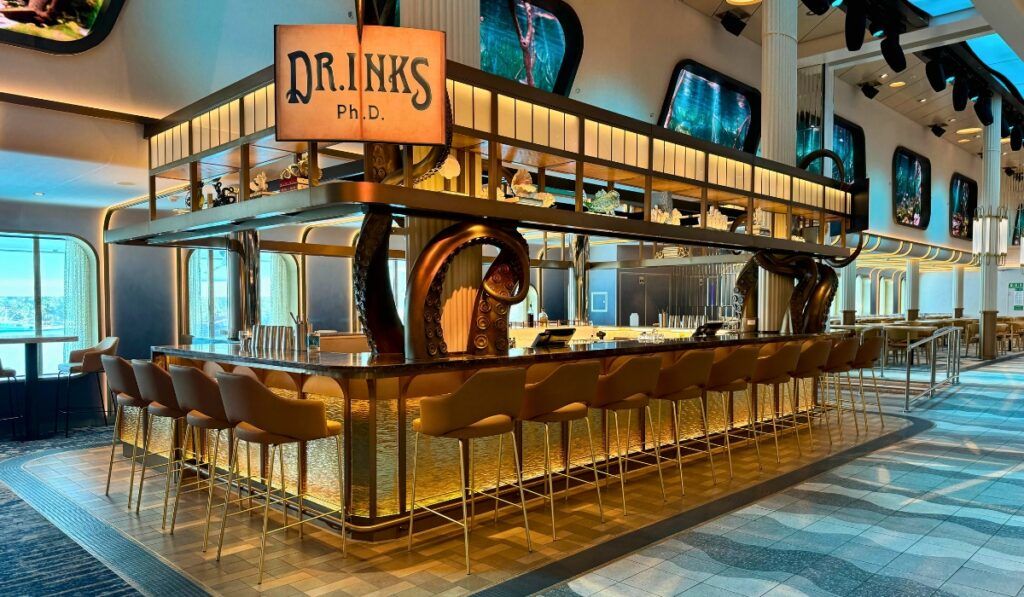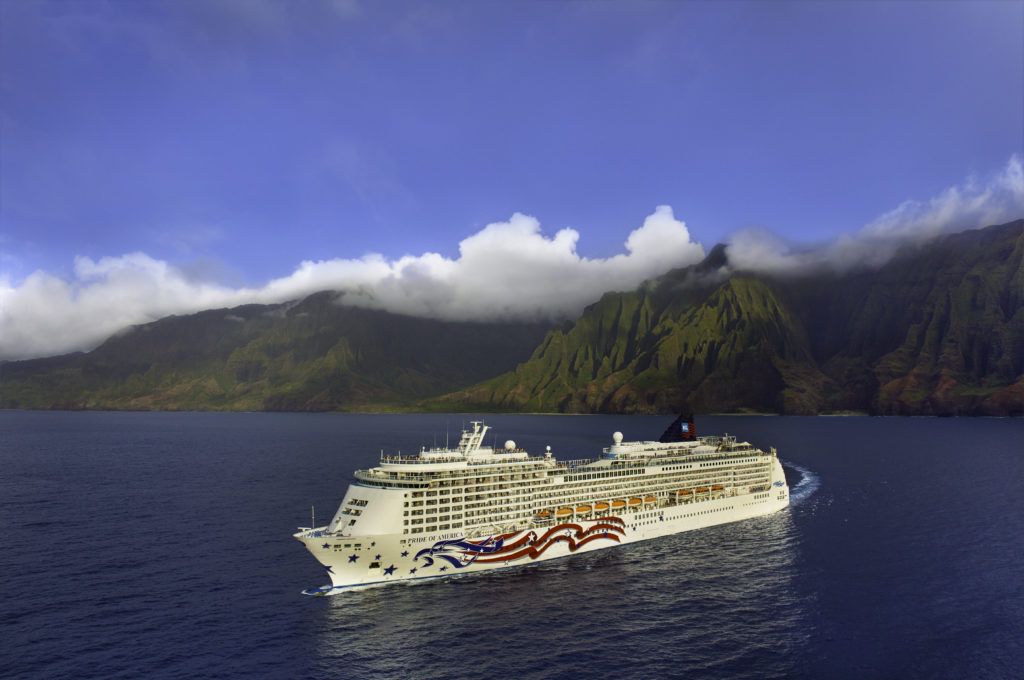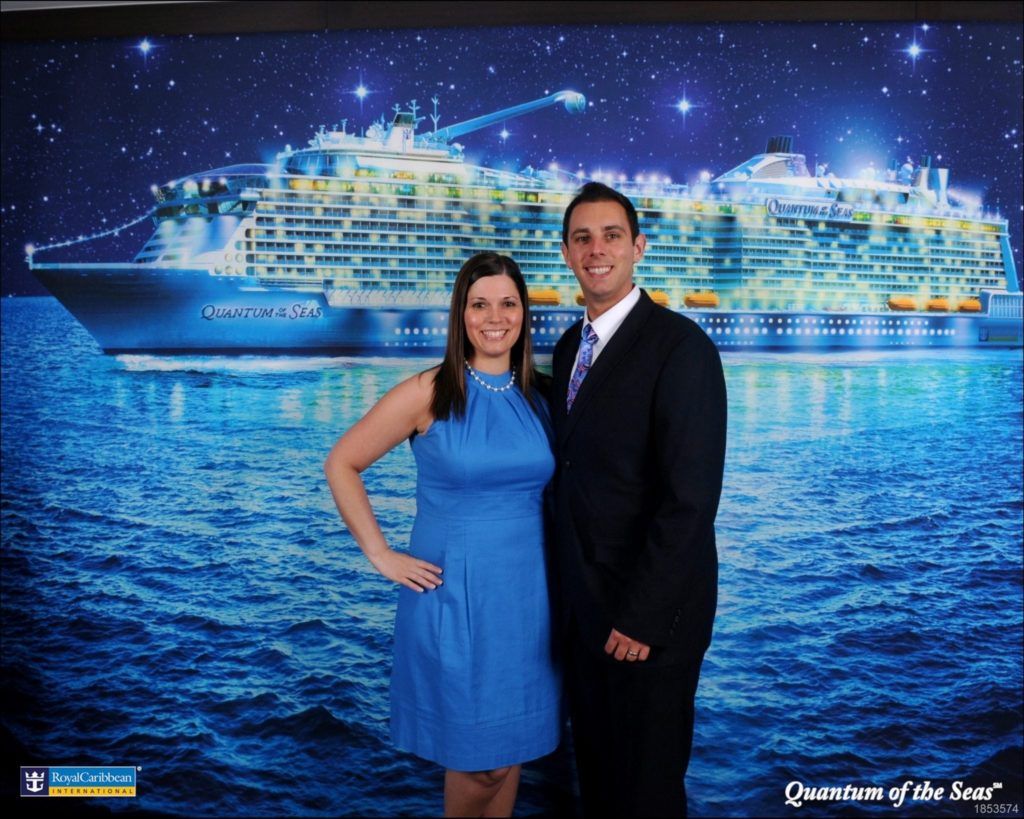
We took our first cruise together in January 2007 on the original Legend of the Seas, and in the nearly 20 years and 100-plus sailings since, a lot of the cruise advice we once followed religiously is outdated. Some changed because the cruise lines’ policies have evolved over the years. Others changed because two decades of sailing have taught us better. Either way, here’s the 15 things we stopped doing and what we do now instead.
1. Grabbing the Lowest Fare Without a Second Look
The old advice: book the cheapest fare you can find. Back when we started cruising, that made sense. Cruise lines had a handful of fare categories, most were refundable, and the gap between picking your own cabin and taking a guarantee was small. So, we booked the cheapest fare we could find, every time. And it rarely mattered. Then everything changed.
What changed: the whole fare structure. Now there are categories for everything, with refundable and non-refundable rates, and that rock-bottom price usually comes with the strictest terms and conditions. The lowest “lock it in” or “guarantee” rates usually mean no changes, no refunds, and a penalty if you cancel. On top of that, newer bundle promotions like NCL’s Free at Sea, Princess Plus and Holland America’s Have It All can now beat the cheap fare once you add up items like drinks, WiFi, and gratuities.
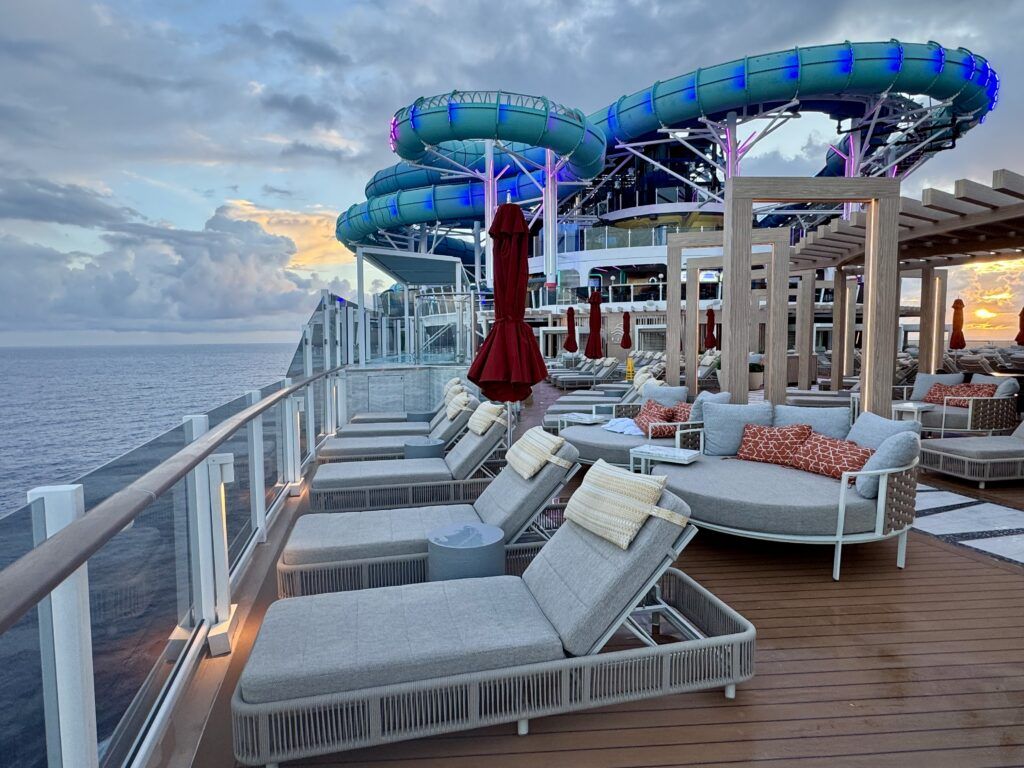
What we do instead: we compare fare types, and we price out the bundle before we book. We always look for the best value now instead of the cheapest sticker price. Sometimes a guarantee cabin still wins. Sometimes we pay a little more for refundable terms or that all-inclusive fare. The lowest number stopped being the best deal a long time ago.
2. Outdated and Prohibited Items You Can Leave Home
The old advice: pack the veteran-cruiser kit. A pack of highlighters to mark up the paper daily planner, a lanyard for your cruise card, a power strip because cabins never had enough outlets, and a folder of printed documents. But these are now relics of the past.
What changed: advances in onboard technology retired most of these items. The daily planner lives in the app now, so the highlighters aren’t needed anymore. Check-in went digital, so boarding passes and QR codes live on your phone in the cruise line’s app instead of on paper. Some cruise lines offer wearable technology so you don’t have to carry your cruise card anymore. And power strips and extension cords have moved onto the prohibited lists as fire hazards, right as cabins started adding built-in USB ports and additional outlets.
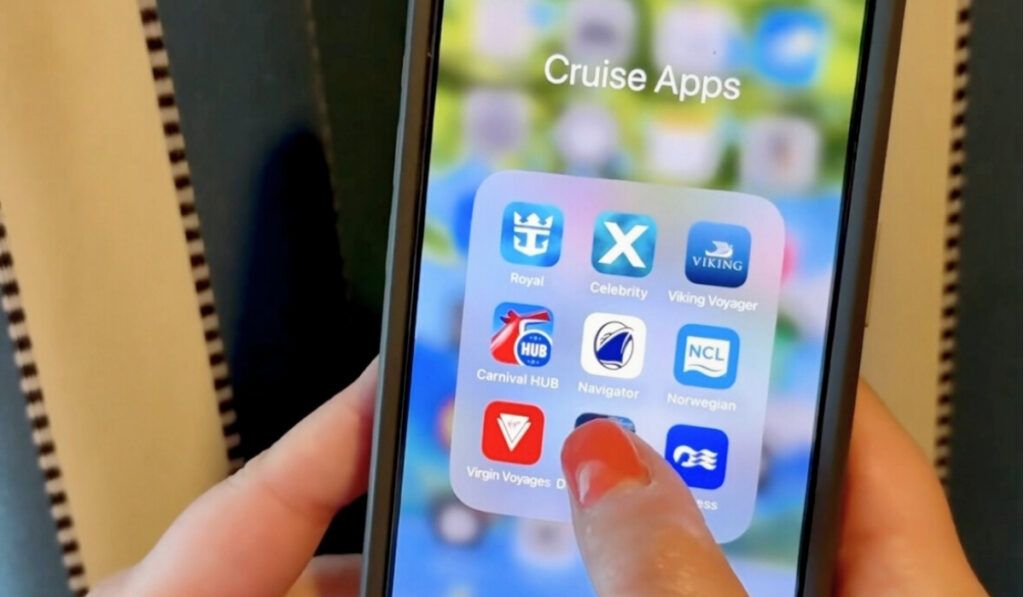
And the banned list keeps growing; some cruise lines are more restrictive than others about what they allow onboard. Most cruise lines let you to take up to 2 750-ml bottles of wine onboard per cabin, but not MSC Cruises. Meanwhile, Carnival Cruise Line has instituted a strict ban on all portable Bluetooth speakers. Privacy rules have also reached a tipping point, with MSC Cruises banning Meta Ray-Ban smart glasses in all shipboard public areas, and Royal Caribbean following suit by restricting them in casinos, restrooms, and youth zones.
What we do instead: we lean on the app, pack a cruise-approved multi-port charging block instead of a power strip, and keep our documents digital (taking screenshots of passes in case the app or WiFi fail). We also do a quick scan of the prohibited items list before packing just to make sure nothing has changed.
3. Getting to the Port as Early as Possible
The old advice: show up at the terminal first thing so you can board the moment the ship opens. For years that was the move, and we lived by it. We’d arrive at the terminal by 9:30 AM on embarkation day with eagerness and excitement for our vacation. Then cruise demand surged, terminals started bottlenecking, and the whole boarding process was overhauled.

What changed: the whole boarding day process. Most cruise lines now assign a port arrival time during online check-in. These staggered arrival windows help to keep the terminal from getting too crowded. Show up well before your window and they’ll turn you away or make you wait. Carnival states plainly that it can’t accommodate guests who arrive earlier than their selected time. Disney and Virgin are often strict about these arrival windows as well, often making guests wait in lines outside until their designated time frames.
What we do instead: we complete online check-in the minute it opens and grab the earliest window we can. That’s where the early-boarding advantage lives now, not in racing to the pier to board on a first come first served basis. So, set a reminder, grab an early boarding time, and start your vacation sooner. One tip that still holds: even with an early window, your cabin may not be ready until the afternoon, so keep a carry-on packed for those first few hours.
4. Overpacking for Formal Night
The old advice: pack a suit (or tux) and a gown, maybe even one for each of the two formal nights, because formal night meant most guests dressed to fit the part. But somewhere along the way that all changed.
What changed: the dress codes relaxed. Most mainstream lines have swapped strict formalwear for softer “evening chic” or “dress to impress” nights, and enforcement eased along with the language. Many cruisers choose to not pack any dressy attire at all. And even those who still do, it usually means a sports coat and khakis or a cocktail dress, and just one not two. While some cruise lines still restrict shorts, t-shirts, jeans, and flip-flops from the main dining room, few actually enforce these rules.
What we do instead: we pack one dressed-up outfit that covers any elevated night as we do still enjoy dressing up on a cruise, especially when dining at a specialty restaurant. Even if we want to feel fancy more than once during a sailing, that usually means mixing and matching clothing items and accessories rather than packing two semi-formal outfits that we only use once each.
5. Staying Loyal to One Cruise Line
The old advice: pick a line, sail it every time, climb the loyalty tiers, and cash in on the perks. Yes, this is still valid advice. You do receive more perks as you climb the loyalty ladder with a specific cruise line. Some even offer crossover status with sister brands, which is great. However, we’ve started to weigh the value of these perks against actually choosing a trip that fits what we want best.
What changed: the value of that loyalty and fleet diversification. Many cruise lines have devalued perks over the years and raised the thresholds to reach the upper tiers, so the payoff for sticking with one brand isn’t what it used to be. Though, we’ll admit that some cruise lines’ loyalty programs are better than others, with free drinks, specialty dining, WiFi, laundry, and priority embarkation/disembarkation among the more desirable perks.
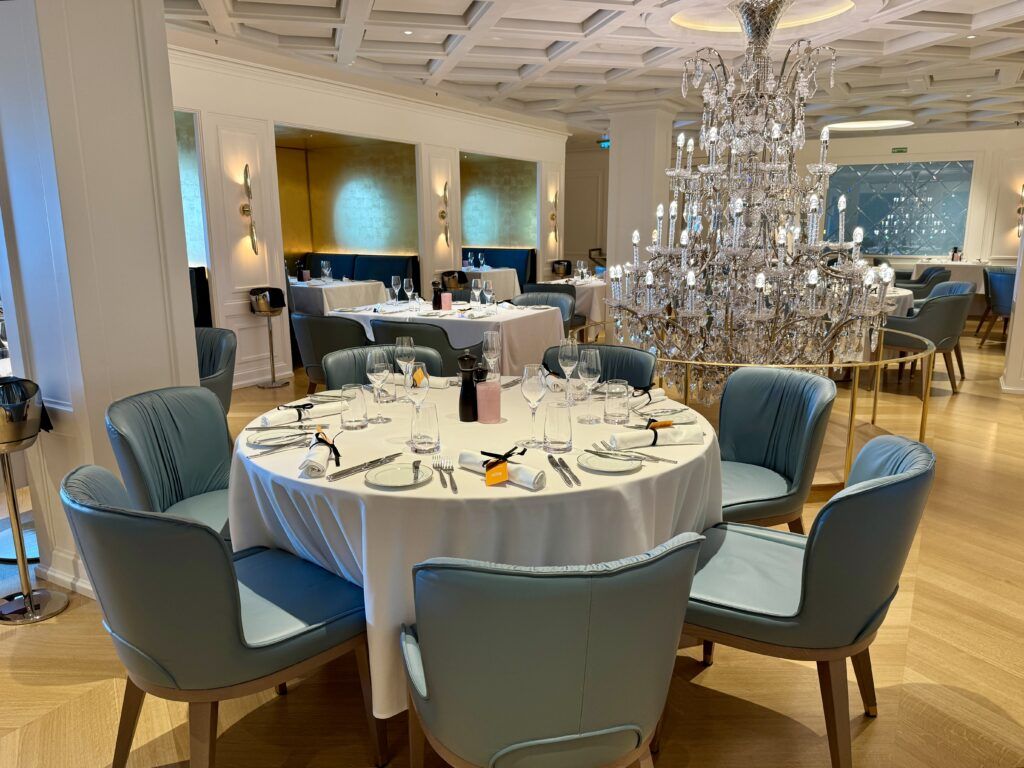
Meanwhile the fleets have diversified so much as well over the past couple decades. This means that the best ship for your trip might not align with your loyalty status. Modern cruise ships offer an array of unique amenities that might pique your interest. Cruise lines now visit destinations across the globe, and a different line might string together your perfect itinerary. Or, maybe you’ve aged out of your favorite cruise line and are looking for something a bit smaller, more intimate, or refined now.
What we do instead: we book the best itinerary, ship, and value for the specific trip, whatever line that lands on. We still enjoy the perks when they line up, but we stopped letting loyalty points make our decision. We tend to lean towards the biggest and best ships when sailing in the Caribbean or Bahamas, but we prefer something with fewer distractions when sailing destination-rich itineraries like Alaska or the Mediterranean.
6. Buying the Drink Package on Autopilot
The old advice: always get the drink package. We used to always purchase the drink package because it seemed like the right thing to do. We didn’t have to count drinks, we didn’t worry about our bill at the end of the cruise, and it gave us the freedom to try new drinks without thinking of the price. Was it convenient? Yes. Did we break even or come out ahead? Sometimes. But our rationale has changed for a few reasons over our cruising career.

What changed: the packages themselves…and our drinking habits. Back when you could add-on an all-inclusive drink package for $40 or $50 per day to enjoy unlimited specialty coffees, waters, sodas, juices, beer, wine, and cocktails, it made sense. However, the math got more complicated as prices climbed. Most now need around six or seven drinks a day to break even, the daily gratuity gets added on top of the package price, and every adult in the cabin has to buy in if one does. Plus, many cruise lines started restricting what’s included or adding caps to the number of drinks.
Not to mention, it’s tough to drink that many beverages consistently over the entire duration of the cruise. This is particularly true on longer sailings and port-intensive itineraries. Throw in the addition of coffee packages, water packages, free drinks with loyalty status, and all-in bundles, and now the decision of what to purchase is more complex than ever. It basically takes an entire spreadsheet to decide if buying one makes financial sense for your particular situation.
What we do instead: we always run the numbers before we sail, taking into account average drink prices, the amount of drinks we think we’ll consume based on the itinerary, and the actual price of the packages available. Sometimes it’s an easy yes, sometimes it isn’t. The point is we now make a calculated decision rather than just purchasing one on autopilot.
7. Booking Every Excursion Through the Cruise Line
The old advice: always book your shore excursions with the cruise line, as you don’t want to risk missing the ship if an excursion runs late. This was a fear of ours for a long time, so we often paid the hefty markup for this security. Because it is true that the ship will not wait for you if you’re not back onboard in time for sail away. The exception is that the ship will almost always wait for a cruise line-sponsored tour bus that is stuck in traffic or delayed getting back. However, we’ve learned that this isn’t the only answer.

What changed: our awareness of the markup, and the rise of reputable third-party operators. The cruise lines partner with the same local excursion companies, add their cut, and sell it back to you with the guarantee of security. On some tours you’re paying nearly double for the same bus and guide than you would when booking with local vendors or third-party operators like Shore Excursions Group. In fact, Shore Excursions Group offers comparable tours often at lower prices and with smaller group sizes. They also offer a return-to-ship guarantee and will pay to get you to the next port if you miss the ship because of their tour.
What we do instead: we book independently for most ports, with usually one exception. Shore Excursions Group has eased all our concerns, so we now book a majority of our tours with them. Or, we just explore the port on our own without an organized tour at all. The one exception is on a tight port day, or a port where the highlights are far away from the ship, this is when we still tend to book with the cruise line.
8. Flying In the Morning the Ship Sails
The old advice: fly in the day of embarkation and save yourself a hotel night. This one nearly cost us our very first cruise. We booked an early morning flight with a connection on embarkation day, in January from the northeast United States. With a weather delay, we barely made it to the terminal in time to board the ship. We should never have chanced it, but we didn’t know any better at the time.
What changed: we’ve learned from our mistakes. Flights get delayed and canceled all the time, in the winter, during hurricane season, for mechanical issues, etc. The ship publishes an all-aboard time, and it will not wait for you just because your plane is delayed. The extra cost of a hotel night in the cruise’s departure city certainly outweighs the added stress and potential of missing your entire vacation or chasing the ship to the next port on your own dime.

What we do instead: we fly in at least the day before, every time, and usually two days early for longer international trips. We book a hotel near the port, have a nice dinner and get a good night’s rest, then start the cruise relaxed instead of frantic. A stress-free embarkation sets the tone for the whole week.
9. Skipping Travel Insurance to Save a Few Bucks
The old advice: you don’t really need travel insurance, especially on closed-loop cruises closer to home. This one took us several years to finally reconsider. For years, we rolled the dice and cruised without it. The fact that cruise line refund and cancellations policies have become more strict and that airline and travel delays are the new norm helped put us over the tipping point on this one.
What changed: our understanding of what’s actually at risk. A canceled cruise because of a family emergency can cost hundreds. A missed connection or canceled flight causing you to miss your cruise can cost thousands to coordinate meeting up with the ship in its next port. Lost luggage means buying overpriced essentials either in the departure city or on your cruise ship. A clinic visit onboard is cash up front, and a medical evacuation off a ship can run tens of thousands of dollars. Once we saw those numbers, the “nothing will happen” logic fell apart. We decided it just wasn’t worth the risk. We have home and car insurance in the event something unfortunate happens, so why not travel insurance?
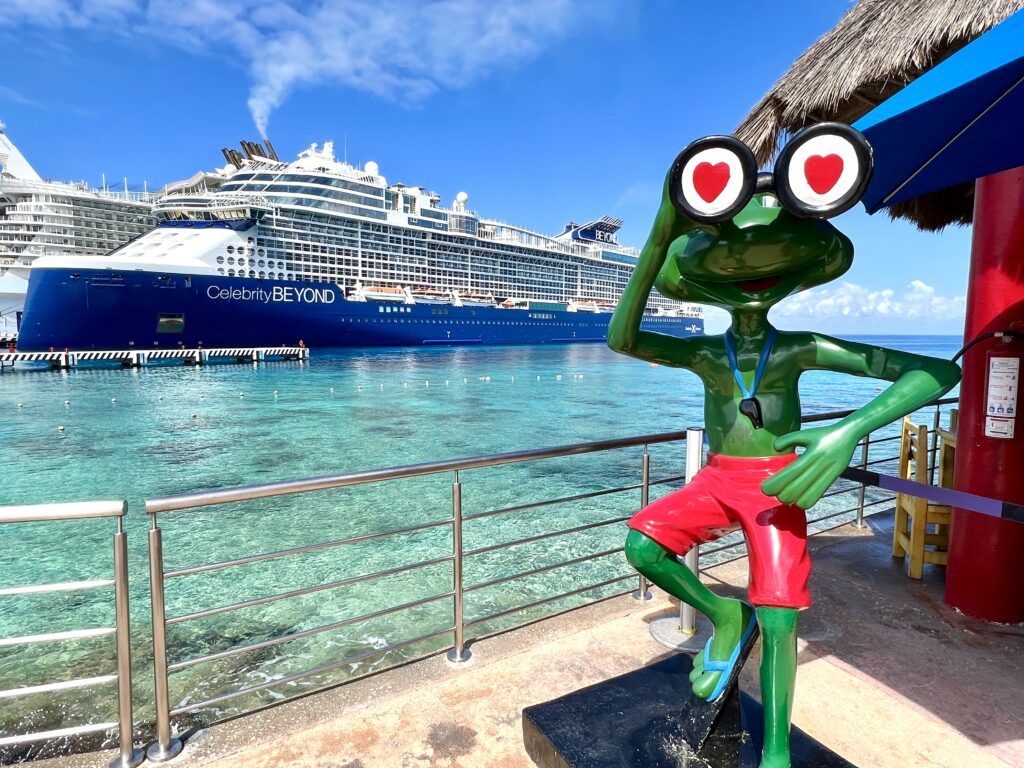
What we do instead: we never sail without travel insurance now. We actually carry an annual travel policy as it ends up being cheaper for us versus buying a plan every trip. We recommend purchasing travel insurance with a third party rather than the cruise line as coverage is usually better. Also, carefully review coverage amounts and decide if “cancel for any reason” insurance might be worth it for you.
10. Cruising Without a Passport Because You Can
The old advice: you don’t need a passport for a closed-loop cruise from the United States when visiting destinations such as the Bahamas, Caribbean, Alaska, Hawaii, Bermuda, Mexican Riviera, and more. A birth certificate and a photo ID are enough, so why spend the money or go through the application process if you don’t plan on traveling to other international destinations in the near future. This is technically still true, but it’s not the best advice for many reasons.
What changed: the understanding of what that document can and can’t do when traveling via cruise ship. Yes, US citizens can board a closed-loop sailing without a passport. But that birth certificate only gets you on the ship. If you miss the all-aboard in a foreign port, or a medical or family emergency causes you to leave the cruise early, you’re stuck in a foreign country with no passport, requiring a trip to the nearest US embassy for an emergency one to get you home. The “what if” realization was enough evidence for us to always travel with a passport.
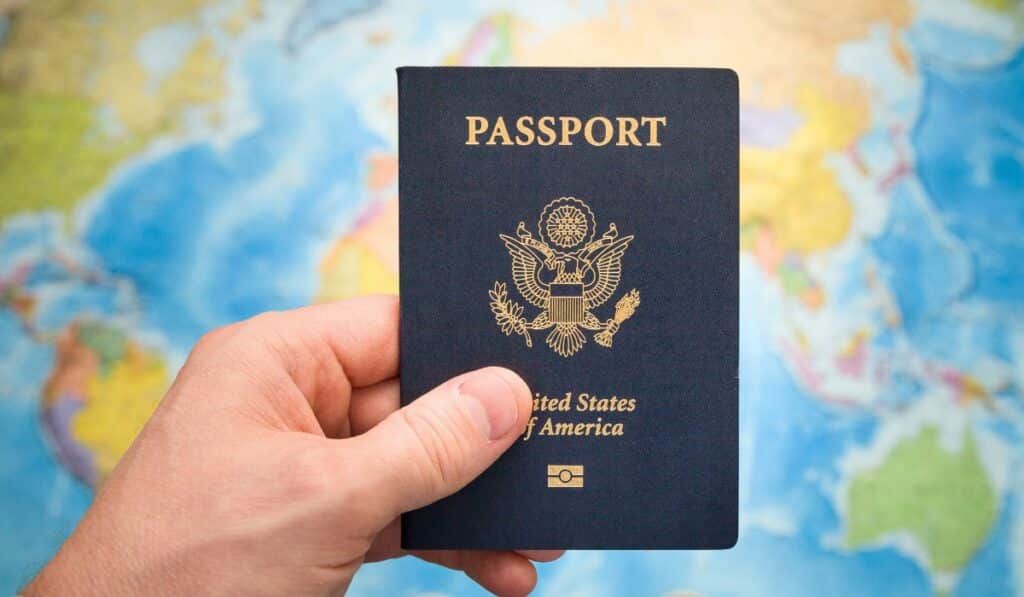
What we do instead: we got the passport and bring it every time, valid at least six months past our travel dates since many countries require that window. For us, much like travel insurance, it’s another classic case of better to have it and not need it than to need it and not have it!
11. Booking Directly With the Cruise Line
The old advice: it’s easy to book your cruise yourself, straight through the line. With the advent of consumer online booking platforms in the early 2000’s, it became a breeze to book your own vacation with a few simple clicks. You no longer had to visit the nearest AAA location. Using a travel advisor now felt like an unnecessary middleman. Yet, in the span of our 20-year cruise history, we’ve come full circle.
What changed: we’ve realized what an advisor brings, and what it costs to use one. Booking direct doesn’t save you a dollar, the fare is usually identical. But a good advisor often has group rates, or can add in some extra onboard credit or perks you can’t get on your own, at no added cost. And when a fare drops, an itinerary changes, or a charge shows up that shouldn’t, you have a real person in your corner instead of a call-center hold queue. Travel advisors are experts in trip planning and also can offer valuable insight, ensuring you pick the right cruise line, ship, and itinerary for your travel style. After all, we firmly believe there’s no bad cruise line, just the wrong one for you.

What we do instead: we book every cruise through our travel partner, MEI-Travel. More value, someone who has our back when it counts, less work for us, and no additional fees. Travel advisors are paid commission by the cruise lines, not you, so why not take advantage of their services?
12. Getting Off at Every Single Port
The old advice: you paid for the cruise and its ports of call, so get off the ship and take an organized tour at every stop. For years, we treated every port as mandatory and tried to see and do as much of it as we could during our visit. Because if we didn’t, we were missing out. But somewhere along the way, something clicked and we stopped feeling like we had to go ashore at every single stop.
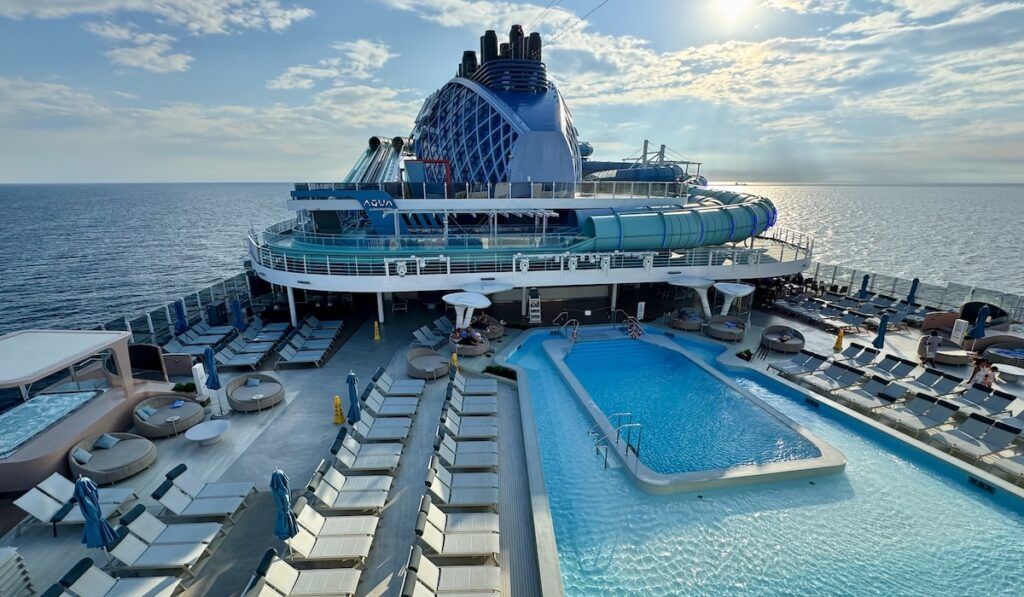
What changed: our mindset. Once we noticed that some of the best hours we’d ever spent onboard were the ones when everyone else was in port, we decided it was okay to stay on the ship on purpose sometimes. Think about what that gets you. The crowds are gone. The pools are wide open, the hot tubs sit empty, the good loungers are all yours, and there’s no line anywhere. It’s the closest you’ll come to having the ship to yourself.
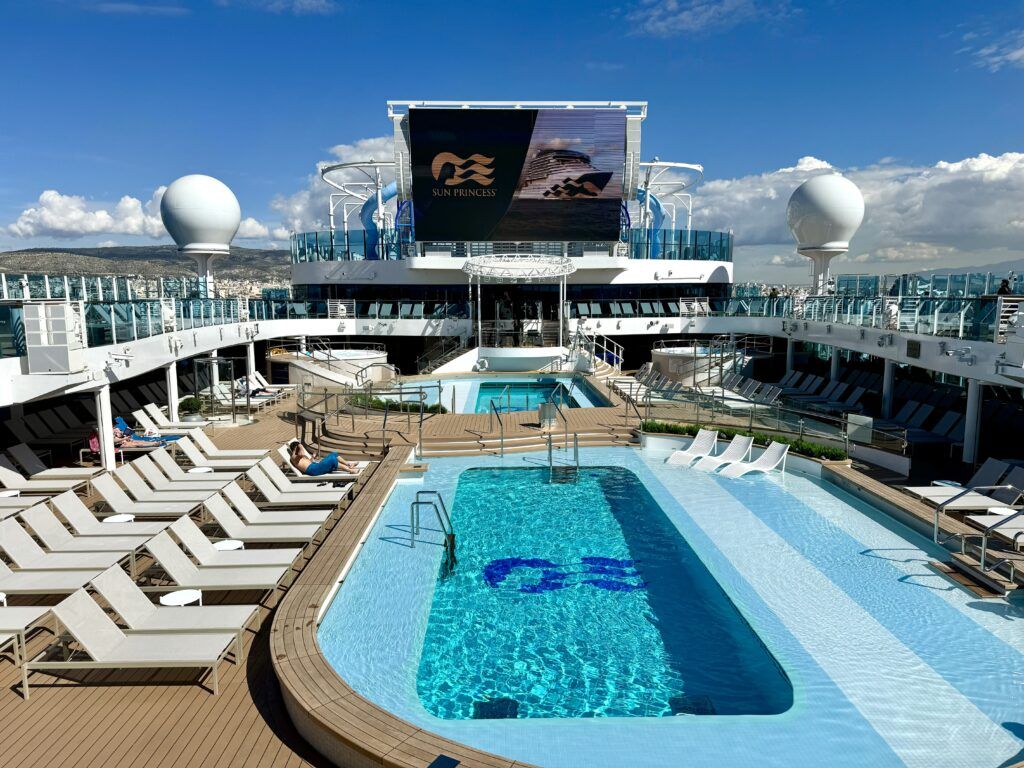
What we do instead: on nearly every cruise we pick one low-priority port and stay aboard, treating it like a private sea day. Ship spas and sometimes specialty restaurants can run discounts on port days too, so staying on the ship can even save you money. Relax with a massage instead of booking an over-priced shore excursion just because you feel like you have to. However, we never recommend wasting a bucket-list port or a private island day. Save this tip for a repeat stop or a tender port that’s a hassle to reach.
13. Living Out of a Suitcase All Week
The old advice: it’s only a week, so why bother unpacking. Cruise cabins are tiny anyway, so there’s really no sense to cluttering the room even more. For years, our suitcases lived on the sofa. We dug through for what we needed and repeated the routine for the next six days. Eventually it clicked that we were doing this completely wrong.
What changed: our mindset. After enough sailings, we realized that suitcases on the sofa or floor actually add more clutter and make a small room feel smaller. Unpacking and using smart strategies can actually make the room feel bigger and more organized. We’re not sure why it took us so many cruises to figure that out.
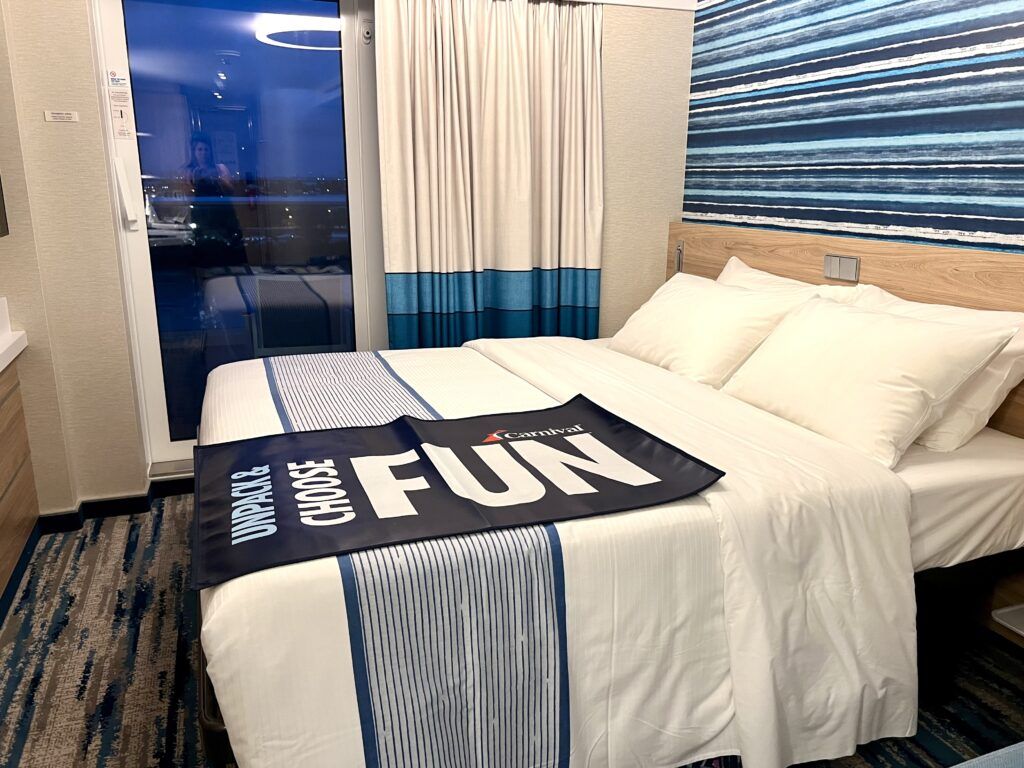
What we do instead: the moment our bags arrive, we unpack completely. Clothes on hangers and packing cubes in drawers or on shelves. Toiletries and accessories either in the bathroom or stored in a hanging pocket organizer. Coats and bags hung on the metal walls with magnetic hooks. Empty suitcases slid under the bed where they fit on nearly every ship. By spending twenty minutes once on embarkation day, the cabin feels twice as big all week and saves you from sifting through your suitcases on a daily basis.
14. Trying to Do It All
The old advice: you paid for everything, so do everything. Every show, every venue, every activity, every specialty restaurant, every port. If you don’t, you’re missing out. Admittedly, for someone with FOMO like me, this is a tough habit to break. But especially on the enormous megaships of today, we’ve realized this can become overwhelming and exhausting, probably even impossible.
What changed: the size of cruise ships and their offerings. With 170-200K+ gross ton cruise ships featuring 20+ decks of endless amenities, trying to do it all means you need a vacation after your vacation. You’ll end up more worn out than when you left. A cruise is supposed to recharge you; it’s not a checklist of things you need to accomplish.
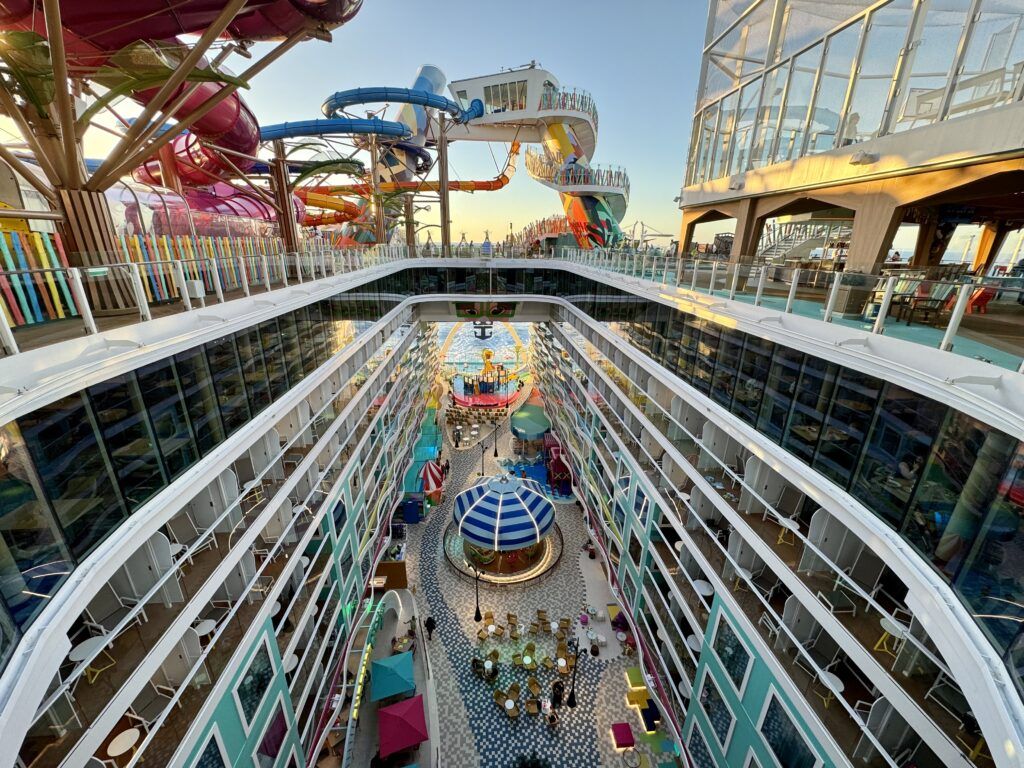
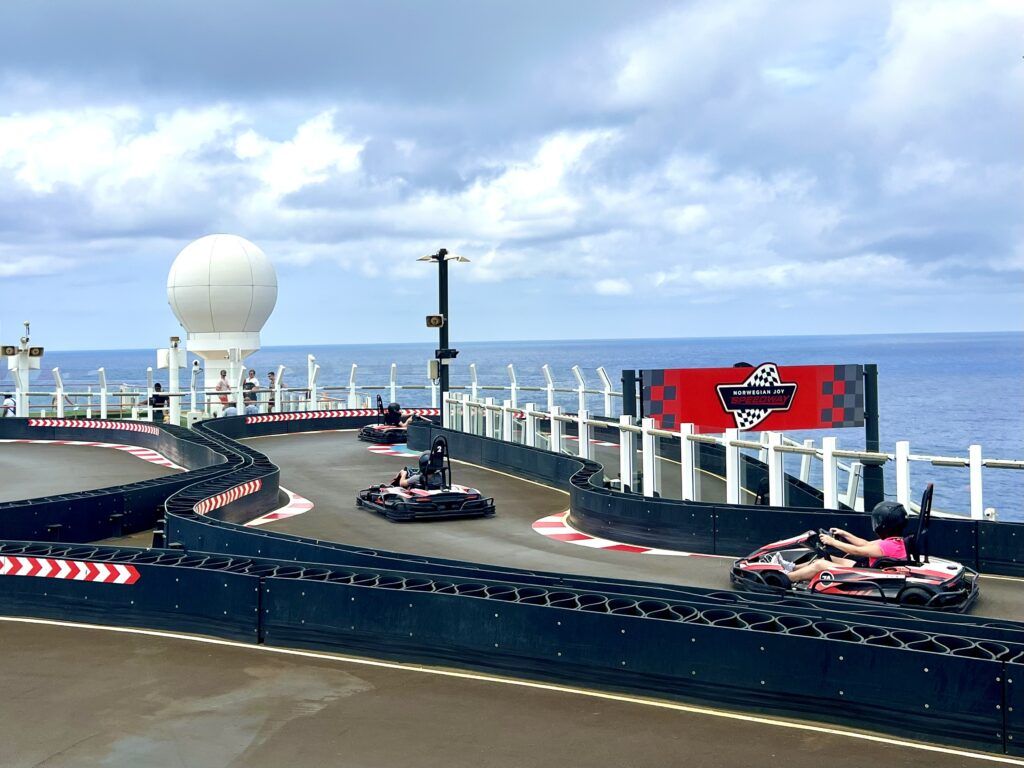
What we do instead: we pick a short must-do list of things we’d actually regret missing, and we book the ones that sell out early, like specialty dining, headline entertainment, or bucket list excursions. Then we leave some space open to adapt our schedule as we go. We also try to knock out our must-do activities and attractions earlier in the cruise, when there are usually less wait times. Then we can spend the final sea days just relaxing while everyone else is standing in line for the waterslide, ropes course, or race track.
15. Sweating the Small Stuff
The old advice: every detail has to go right, or the trip is ruined. A dining time you didn’t want, a show that sold out, a rainy port day, or a canceled shore excursion, all of it worth stressing over. But we eventually realized that we can’t control everything, and sometimes things just don’t go 100% according to plan.
What changed: our mindset. After 100 cruises, we’ve learned that you can’t sweat the small stuff and we’ve gotten better at just rolling with the punches. At the end of the day, you won’t remember these little details. You’ll remember the sunset at sea, morning coffee on the balcony, and waking up to a new port every day. So, stop chasing perfect.
What we do instead: we do the research, make our plans, and then let the rest fall into place. Get onboard, relax, and enjoy the ship even if all the little things don’t align perfectly. Maybe someday you’ll even laugh about your past cruise blunders.
Comments
Do you agree with this outdated cruise advice? Do you have anything to add to the list? What things have you stopped doing over your cruise history?
The post After 20 Years of Cruising, These Are 15 Things We Stopped Doing (And What We Do Now Instead) appeared first on EatSleepCruise.com.